
Reptile breathing issues signal respiratory infections, poor husbandry, or environmental stress needing prompt action.
I have kept and cared for reptiles for over a decade. I have treated many cases of reptile breathing issues and helped owners spot trouble early. This guide explains causes, signs, diagnosis, treatment, and prevention in clear, practical steps. Read on to gain simple tools to protect your pet and act fast when breathing problems arise.
Causes of reptile breathing issues
Reptile breathing issues come from many sources. Poor heat and humidity are top causes. Bacteria, fungi, and viruses also cause lung and airway infections. Stress, poor diet, and dirty enclosures make infections more likely. Parasites and inhaled foreign material can hurt the lungs too.
Common specific causes:
- Low daytime temperature that slows the immune system.
- High or low humidity that harms the respiratory lining.
- Poor ventilation or dusty substrate that irritates airways.
- Bacterial infection from gram-negative or mixed flora.
- Viral or fungal infections in stressed or immunocompromised animals.
Understanding the root cause helps pick the right treatment. Many issues are preventable with good care. Treating early increases chances of full recovery.

Common signs and symptoms of reptile breathing issues
Signs can be subtle at first. Watch for open-mouth breathing and wheezing. Excessive mucus, bubbles around the nose, and nasal discharge are red flags. Lethargy, reduced appetite, and poor shedding often appear with breathing problems.
Other signs to watch for:
- Gasping or neck stretching while trying to breathe.
- Clicking, wheezing, or bubbling noises when the reptile breathes.
- Weight loss or refusal to eat over several days.
- Swollen or blocked nares (nostrils) with visible discharge.
If you notice any of these signs, record them and act quickly. Early detection makes treatment more effective.

Diagnosis and when to see a vet
A vet visit is essential for persistent or severe signs. A vet will take a history and do a physical exam. Diagnostic tests often include radiographs, nasal or tracheal swabs, and blood work. Sometimes a culture or PCR test is needed to ID the pathogen.
Go to a vet when:
- Your reptile has open-mouth breathing or constant wheeze.
- Appetite drops and lethargy lasts more than 24–48 hours.
- You see colored discharge from the mouth or nose.
- Home care does not improve the animal in 24–48 hours.
Fast veterinary care can stop disease progression. Delays can let mild infections become life‑threatening.

Treatment options and home care
Treatment depends on the cause found by the vet. Bacterial infections often need antibiotics chosen from culture results. Antifungals or supportive care are used for fungal and viral causes. Nebulization and gentle warm steam can help clear mucus at home.
Practical home care tips:
- Keep the enclosure warm and stable at the species’ preferred range.
- Offer fluids and try syringe-feeding if the pet will not eat.
- Use a clean, low-dust substrate and remove waste promptly.
- Follow the vet’s medication and nebulization schedule exactly.
Never give antibiotics or human meds without vet guidance. Misuse can make infections worse and harm your pet.
Preventing reptile breathing issues (husbandry)
Good husbandry is the best prevention for reptile breathing issues. Simple routine checks can stop many problems early. Keep temperatures and humidity within species-specific ranges. Provide clean water and a clean enclosure daily.
Prevention checklist:
- Thermometer and hygrometer in the habitat for accurate readings.
- Regular cleaning schedule for the tank and accessories.
- Proper ventilation to avoid stale, humid air pockets.
- Quality diet to support a strong immune system.
- Quarantine new animals for at least 30 days before mixing them.
I recommend logging daily temps and humidity. Data helps spot trends before health falls.

My experience treating reptile breathing issues
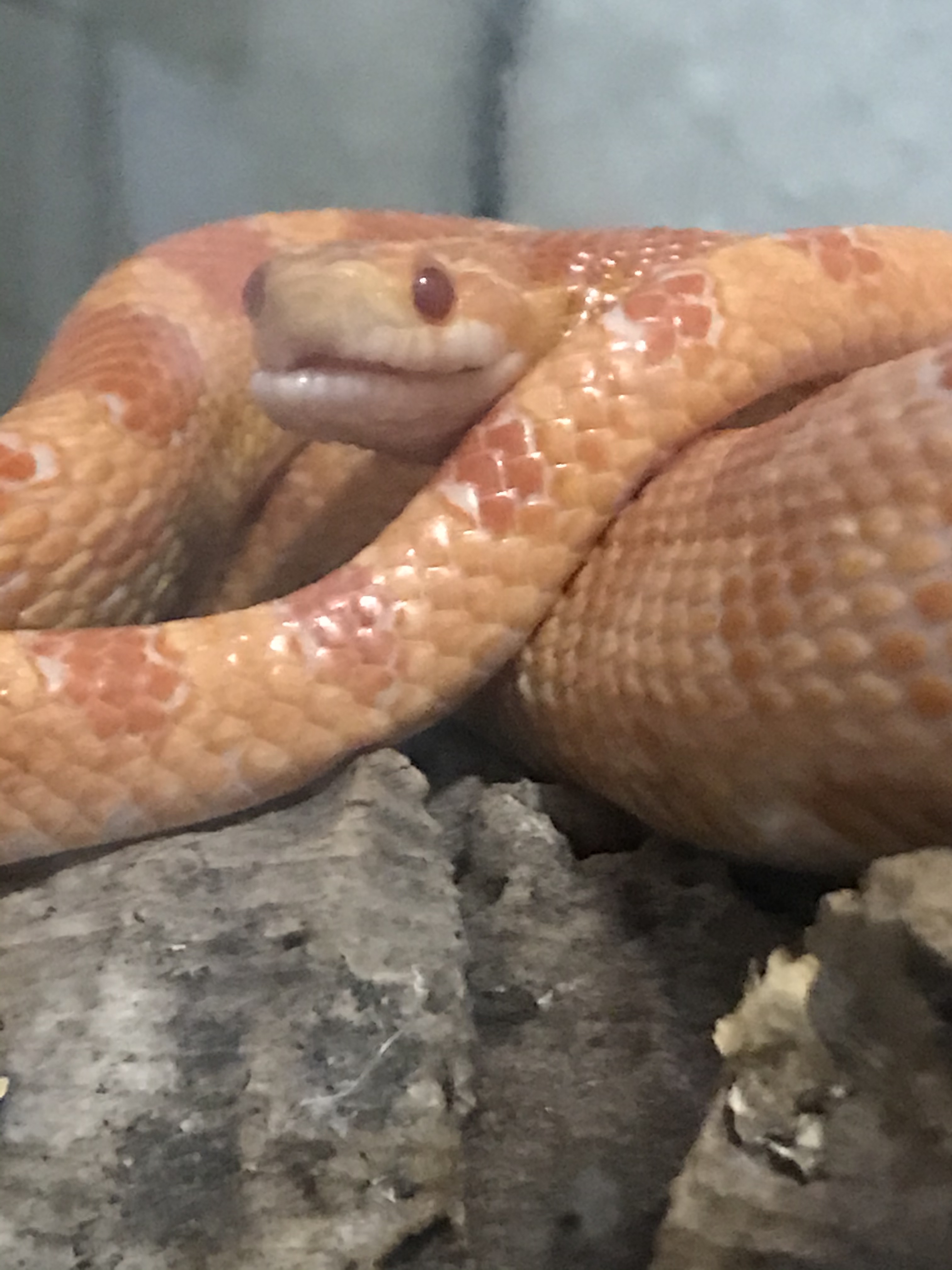
Early in my reptile care journey, I had a corn snake with mild wheeze. I thought it would pass, but it worsened overnight. A vet visit led to antibiotics and warm mist therapy. The snake recovered in two weeks after prompt treatment.
Lessons I learned:
- Take subtle signs seriously and act fast.
- Accurate habitat readings are worth the time and small cost.
- Follow vet instructions fully, even when signs improve quickly.
- Keep a small emergency kit: contact info for a reptile vet, a towel, and a travel container.
Personal attention and quick action saved that snake. I still check humidity twice daily now.

Frequently Asked Questions about reptile breathing issues
What causes wheezing in reptiles?
Wheezing often comes from mucus in the airways or inflammation. It may be due to infection, poor humidity, or inhaled irritants.
Can a reptile heal from a respiratory infection?
Yes, many reptiles recover with prompt vet care and proper husbandry. Recovery is faster when treatment starts early.
How long before I should see a vet for breathing problems?
Seek vet care if breathing issues last more than 24–48 hours or if you see open-mouth breathing and lethargy. Fast care reduces risk.
Are home remedies effective for reptile breathing issues?
Home care like warm mist can help but should not replace veterinary treatment. Over-the-counter drugs without vet approval can be dangerous.
How can I prevent respiratory problems in my reptile?
Keep proper temperature and humidity, clean the enclosure, provide a good diet, and quarantine new animals. Regular habitat checks prevent most issues.
Conclusion
Reptile breathing issues are serious but often treatable when caught early. Watch for subtle signs and keep husbandry tight. Act fast, consult a vet, and follow care plans closely to help your reptile recover. Take one step today: check your pet’s habitat readings and make a simple log. Share your experiences or questions below and subscribe for more practical reptile care guides.
