
Reptile constipation signs include reduced stool output, swollen belly, straining, and lethargy.
I’ve spent years caring for bearded dragons, ball pythons, and leopard geckos, and I know how subtle reptile constipation signs can be. This guide explains the most common signs, causes, diagnosis steps, home treatments, and prevention tips so you can act fast and confidently to protect your pet’s health.
Why constipation matters in reptiles
Constipation can quickly lead to serious health problems in reptiles. Blocked intestines reduce appetite, cause pain, and can lead to infection or organ stress. Early recognition of reptile constipation signs gives you time to treat the issue before surgery or long-term damage is needed.

Key reptile constipation signs to watch
Look for these signs every day. Not every reptile shows all signs, so watch trends over time.
- Reduced or no feces for several days: A reptile that usually defecates regularly and then stops may have constipation.
- Straining or frequent trips to the basking spot without producing stool: This can mean difficulty passing waste.
- Swollen, firm, or doughy belly: You may feel or see a distended abdomen when the animal is constipated.
- Lethargy and reduced movement: Pain and discomfort often make reptiles hide and move less.
- Loss of appetite or weight loss: Constipation can suppress hunger or make eating painful.
- Dry, hard feces when stools do occur: This is a classic sign of dehydration or slowed gut motility.
- Changes in urates or cloacal discharge: Abnormal urates or mucus around the vent can indicate obstruction or infection.
- Behavioral changes like increased basking or unusual hiding: These subtle shifts often precede obvious signs.
Source: lbah.com
Causes of constipation in reptiles
Understanding causes helps prevent recurrence. Multiple factors often combine.
- Low humidity or improper temperatures: Cold or dry conditions slow digestion and cause hard stools.
- Dehydration or inadequate water intake: Without enough water, feces dry in the colon and become hard to pass.
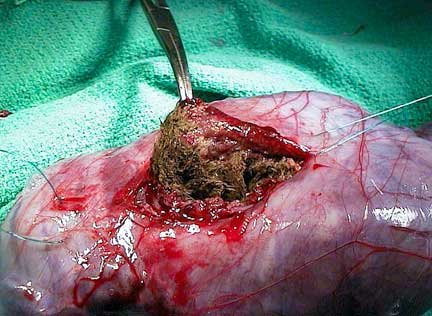
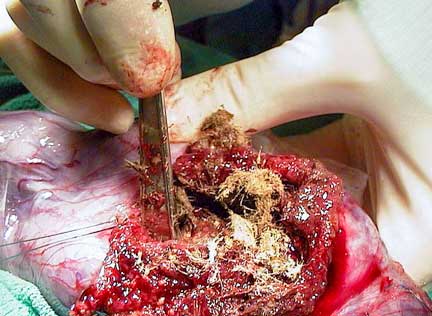
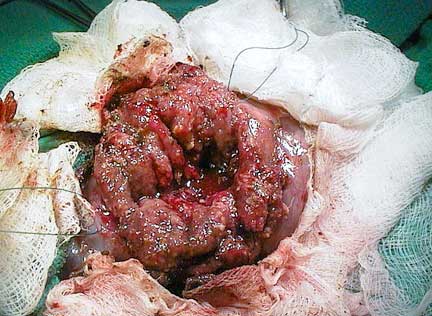
- Impaction from substrate or swallowed objects: Gravel, sand, or bedding that’s ingested can block the digestive tract.
- Diet too low in fiber or inappropriate prey items: Lack of suitable food bulk can slow bowel movements.
- Metabolic or organ disease: Kidney disease, liver problems, or parasites can alter digestion.
- Post-surgical or trauma-related changes: Injury or recent anesthesia can impair gut motility.
- Older age or obesity: Both can reduce activity and gut function.

Source: ukvetcompanionanimal.com
Diagnosing constipation: how vets assess it
A vet exam tells you whether constipation is simple or an emergency. Expect the following steps.
- Physical palpation of the abdomen: Vets feel for firm masses or swelling.
- Radiographs (X-rays): These show blockages, impactions, and swallowed foreign material.
- Ultrasound for soft tissue detail: This can identify fluid, organ enlargement, or non-radiopaque objects.
- Fecal exam for parasites: Some infections mimic constipation or cause poor gut function.
- Bloodwork to check organ function: Electrolytes, kidney values, and other markers guide treatment.
Source: lbah.com
Home care and initial treatments you can try
Small, safe steps at home can help mild cases. If your reptile is weak or in pain, skip home care and see a vet.
- Offer lukewarm baths: Soaking in shallow, warm water for 10–20 minutes can stimulate defecation.
- Gentle abdominal massage: Rub from the cloaca toward the head in short, gentle strokes to encourage movement.
- Increase humidity and correct temps: Raise ambient humidity and ensure the warm basking spot is at the right temperature for your species.
- Provide fresh water and hydrating foods: Offer water and moisture-rich foods like soaked insects or leafy greens where appropriate.
- Avoid laxatives without vet advice: Human laxatives can harm reptiles; only use vet-prescribed products.
Personal note: I once helped a young bearded dragon pass a small sand impaction with daily warm soaks, careful massages, and area temperature adjustments. It recovered in three days with no meds.

Source: dangerfieldsofshakopee.com
Veterinary treatments for more serious cases
When home care fails or symptoms are severe, vets take stronger measures.
- Fluid therapy under the skin or intravenously: Reptiles often need fluids to rehydrate and loosen stools.
- Enemas or gentle flushing under sedation: Vets use species-appropriate solutions to clear impacted material.
- Manual removal during anesthesia: For large blockages, surgery or manual extraction may be necessary.
- Medications to stimulate gut motility: Prokinetic drugs may be prescribed to improve movement.
- Antibiotics if secondary infection is suspected: Only given when labs or signs indicate bacterial involvement.
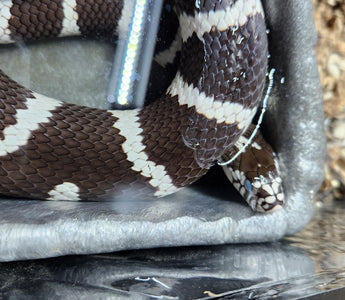
Source: zenhabitats.com
Preventing constipation through proper husbandry
Good daily care avoids most cases. Small changes make a big difference.
- Maintain species-appropriate temperatures: Proper gradients keep digestion active.
- Keep adequate humidity levels: Match the natural needs of your reptile to prevent hard stools.
- Use safe substrates to avoid impaction: Consider paper towels, reptile carpet, or large non-ingestible tiles for young or prone animals.
- Provide a balanced, species-specific diet: Include hydration-rich foods and proper calcium-to-phosphorus ratios.
- Encourage regular activity: Climbing and movement promote gut motility.
- Routine vet checks and fecal testing: Early detection of parasites or metabolic issues prevents chronic problems.

Source: wpvet.com
When reptile constipation becomes an emergency
Recognize when you must act now. Rapid response can be lifesaving.
- No stool for more than a week with progressive lethargy: This is a red flag for obstruction.
- Visible severe swelling, open wounds, or discolored skin: These suggest compromised blood flow or necrosis.
- Repeated vomiting, seizures, or collapse: These signs indicate systemic illness.
- Inability to right itself or severe weakness: This means urgent veterinary care is needed.
If any of these occur, transport your reptile quietly and warm, and seek an experienced reptile vet immediately.
Long-term monitoring and follow-up care
After treatment, watch your pet carefully. Recovery can be slow, and relapse is possible.
- Track stool frequency and consistency: Keep a simple log for a few weeks.
- Maintain ideal husbandry and revisit diet: Small tweaks early prevent repeat episodes.
- Follow vet instructions for meds and rechecks: Bloodwork or X-rays may be repeated to confirm recovery.
- Note behavior changes and report them quickly: Early reporting speeds intervention.
Frequently Asked Questions of reptile constipation signs
What is the most common sign of reptile constipation?
The most common sign is reduced or absent feces compared with the animal’s normal pattern. Owners often notice straining or dry, hard stools when they do occur.
How long can a reptile go without pooping before it’s a problem?
This depends on the species and age, but several days to a week without defecation is often concerning and warrants monitoring or a vet visit. Younger reptiles usually need quicker attention.
Can dehydration alone cause reptile constipation?
Yes. Dehydration thickens feces and slows gut motility, making it harder for reptiles to pass waste. Rehydration is a key first step in treatment.
Are home remedies like warm baths safe for all reptiles?
Warm baths are helpful for many species but should be shallow and monitored. If the reptile is weak, in pain, or shows severe symptoms, skip home remedies and see a vet.
When should I take my reptile to the vet for constipation?
Visit a vet if your reptile shows persistent lack of stool, severe swelling, loss of appetite, lethargy, or any of the emergency signs listed above. Professional care prevents complications.
Conclusion
Reptile constipation signs can be subtle at first, but early detection and correct care make a huge difference. Watch for reduced stool output, straining, swollen belly, and behavior changes. Adjust husbandry, provide hydration, and get veterinary help when needed to protect your pet’s health. Start today by checking temperatures, humidity, and offering warm soaks if you suspect constipation — and consult a reptile-savvy vet whenever unsure. Leave a comment with your experiences, subscribe for more reptile care tips, or share this guide with fellow reptile keepers.
