
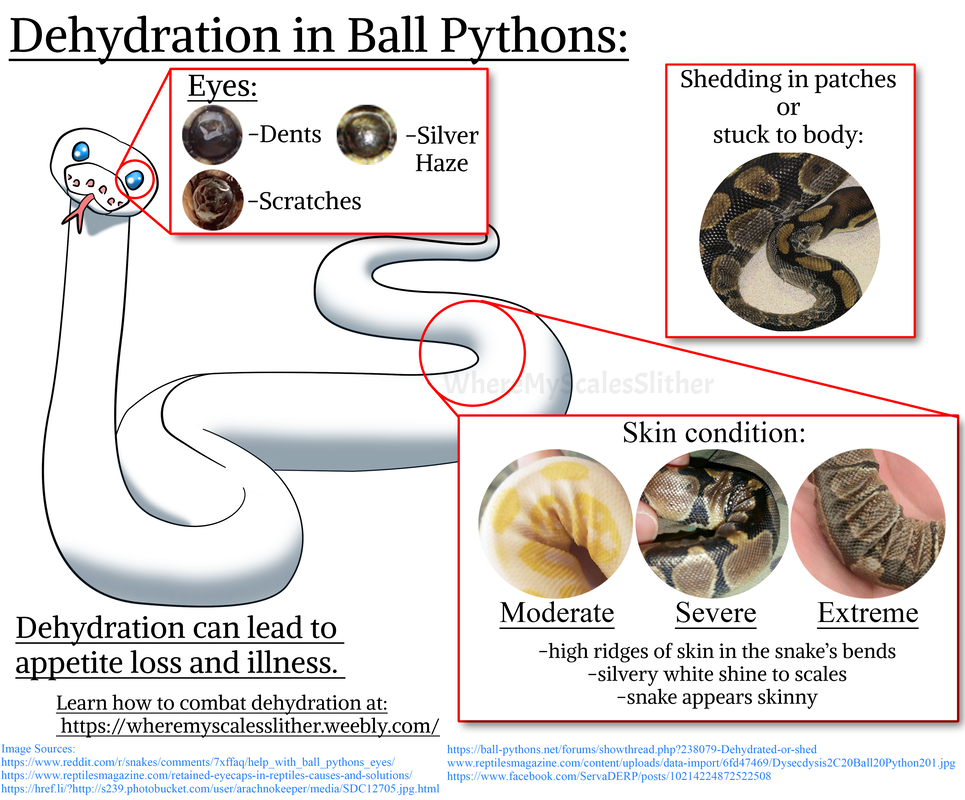
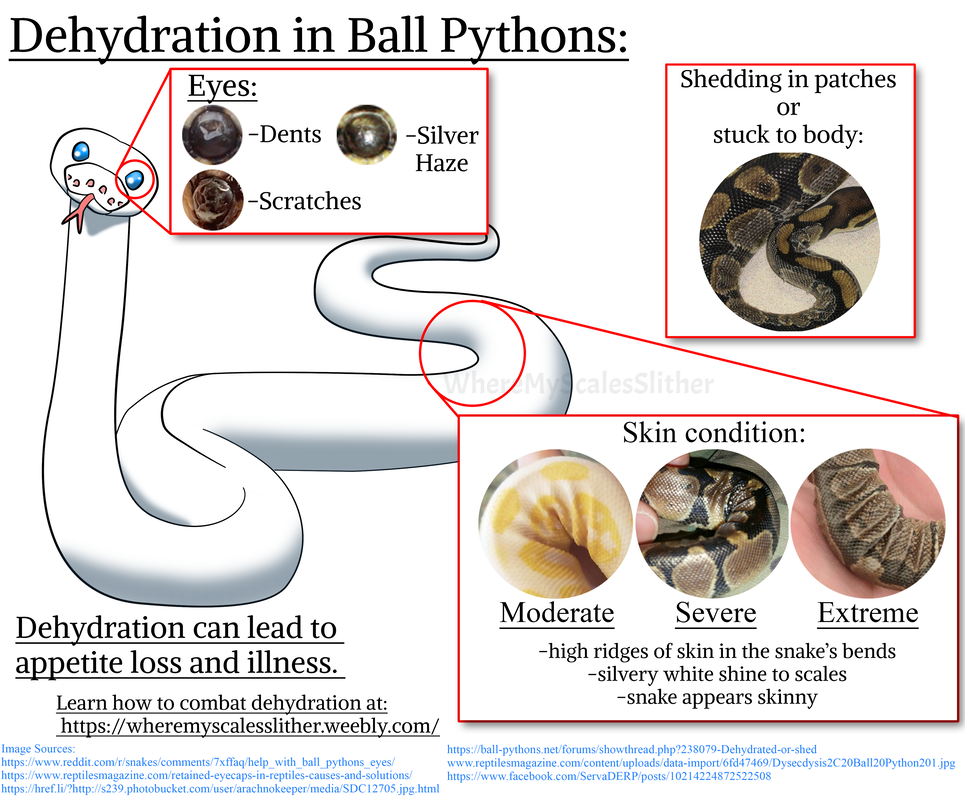
Dehydrated reptiles often show sunken eyes, dry skin, lethargy, poor appetite, and sticky urates.
I have cared for snakes, bearded dragons, and tortoises for years, so I know how subtle and urgent reptile dehydration signs can be. This guide explains common signs, quick checks, causes, prevention, and treatment. You will learn clear steps to spot dehydration early, act fast, and keep reptiles healthy. I combine hands-on experience with practical advice so you can trust each tip and apply it today.

Why dehydration matters for reptiles
Reptiles lose water in ways that differ from mammals. They do not sweat. They rely on drinking, skin absorption, and food moisture. Even mild dehydration can slow digestion, weaken the immune system, and cause organ damage. Severe dehydration can be life-threatening within days.
Understanding reptile dehydration signs matters. Early recognition saves trips to the clinic and improves recovery odds. I have seen mild cases fixed at home and severe cases that needed intensive care. The difference is spotting signs early and acting.

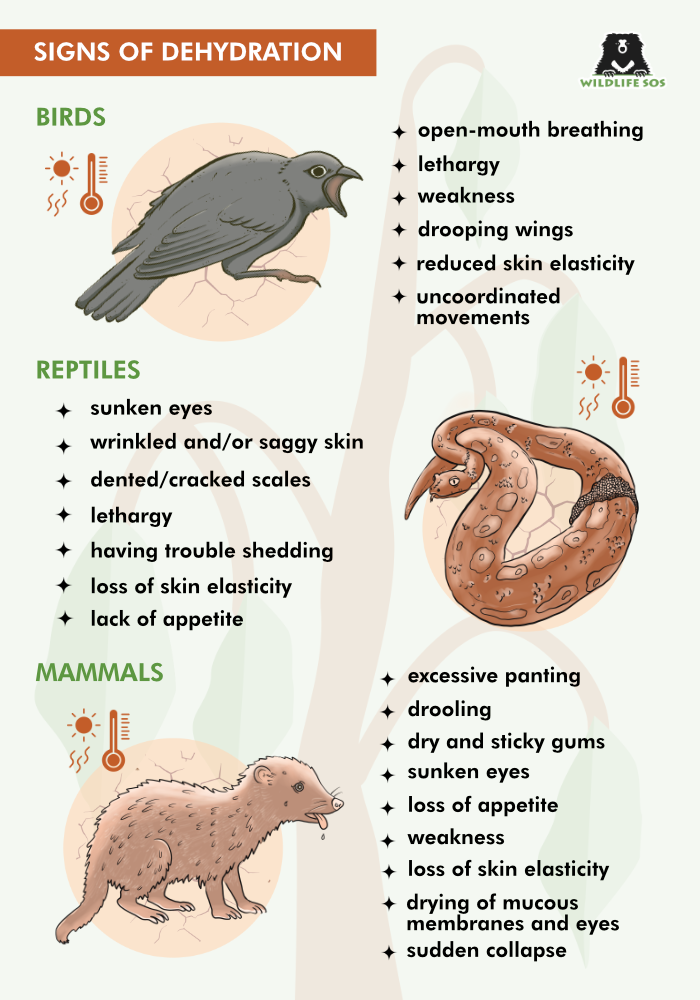
Common reptile dehydration signs
Below are the most frequent reptile dehydration signs to watch for. Check your pet daily for these cues.
-
Sunken eyes
Eyes appear hollow or smaller. This is a clear early sign in many species. -
Wrinkled or loose skin
Skin may not snap back when gently stretched. This shows low body water. -
Sticky or dry oral tissues
Gums and mouth feel tacky. Normal mouths are moist. -
Lethargy and weakness
A dehydrated reptile moves less and hides more. -
Loss of appetite
Dehydration often leads to reduced feeding or refusal to eat. -
Reduced or darkened urates
Uric acid may appear thick, pasty, or deep yellow. This signals concentration. -
Weight loss
Quick weight drop over a few days can indicate fluid loss. -
Constipation or dry stools
Stool becomes firm and dry. This happens with low gut moisture. -
Poor shed or retained shed
Dry skin leads to stuck shed and patches left on toes or tail. -
Decreased urine production
Some species produce less clear waste. This is hard to see but critical.
The phrase reptile dehydration signs is repeated here so you remember the key patterns. Spotting these reptile dehydration signs early helps prevent serious illness. I often check eyes and mouth first when I think a pet may be dehydrated.
How to check hydration status at home
Use simple, safe checks to assess your reptile. Always be gentle.
-
Skin pinch test
Gently lift loose skin at the neck. If it returns slowly, the animal may be dehydrated. -
Mouth and gums
Look for tacky or pale gums. Very pale gums can mean shock. -
Eye check
Sunken or dull eyes are signs to act. -
Weighing
Use a small digital scale. Track weight daily for sick reptiles. -
Observe urates and stool
Thick, pasty urates or hard stools suggest dehydration. -
Behavior and energy
Note changes in activity. Low energy often appears early.
Use these checks together. No single test is perfect. If the skin pinch returns slowly and the mouth is dry, treat it as dehydration. I keep a log for each pet to spot trends.
Common causes and prevention
Preventing dehydration is easier than treating severe cases. Focus on habitat and care.
-
Low humidity
Many reptiles need specific humidity ranges. Keep a hygrometer in the enclosure. -
Inadequate water access
Offer fresh water daily. Provide a shallow dish sized for the animal. -
Improper temperature
Too hot or too cold can stop normal drinking and digestion. -
Poor diet
Dry diets without fresh produce or prey moisture lower intake. -
Stress and illness
Stress reduces drinking. Digestive or kidney disease can cause fluid loss. -
Substrate that absorbs water
Some substrates pull moisture away or make water hard to find.
To prevent dehydration, match species needs. For turtles, offer large water bowls. For bearded dragons, provide occasional soaks. For tropical species, maintain higher humidity. I once lost time when I overlooked a leaking humidity gauge; small fixes matter.
Treatment and first aid for a dehydrated reptile
If you suspect dehydration, act calmly and quickly. For mild cases, home care can help. For severe cases, seek a vet.
-
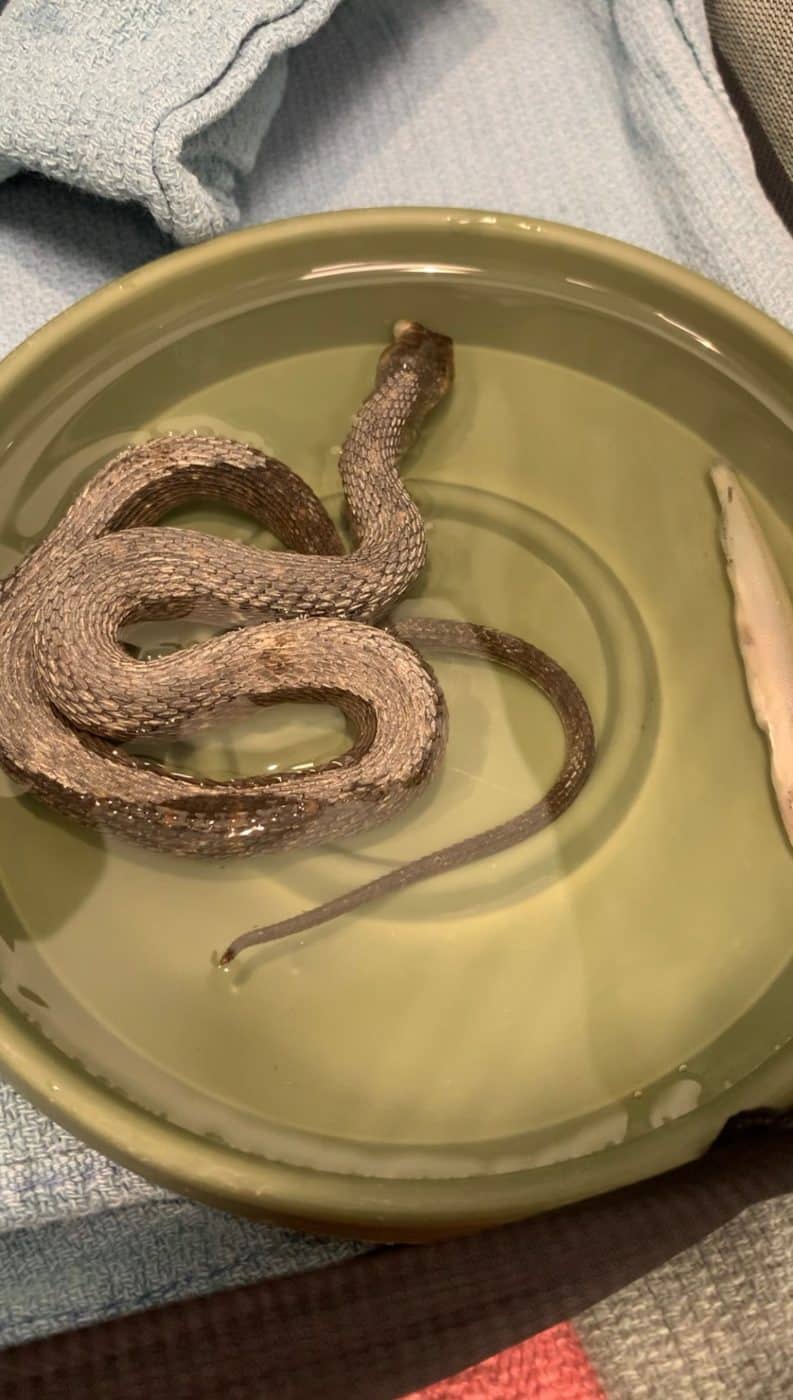
Offer water and soak baths
Provide fresh water and a shallow soak for 15–30 minutes for many species. Soaks help skin and gut rehydrate. -
Rehydrate with electrolyte solution (veterinary recommended)
Use a reptile-safe electrolyte or dilute pediatric solution only after vet guidance. -
Use subcutaneous fluids under vet instruction
Fluids under the skin are standard for moderate to severe dehydration. Have a vet teach this or perform it. -
Warmth and comfort
Keep the reptile at its ideal temperature to support drinking and digestion. -
Monitor closely
Re-weigh daily and watch urates and behavior.
Avoid forcing large volumes of fluid orally. This can cause aspiration. If the reptile is weak, listless, or shows collapse, seek emergency vet care. I once used a soak and fluid therapy to nurse a dehydrated gecko back to health within days. Quick action works.

Monitoring and long-term care
Establish a simple routine to prevent future dehydration.
-
Daily checks
Check water bowl, humidity, and behavior each day. -
Weekly weighing
Record weight weekly for healthy adults and daily for sick animals. -
Habitat maintenance
Clean and refill water dishes. Fix heaters and misters promptly. -
Offer moisture-rich foods
Include veggies, fruit, or prey with high water content based on species. -
Hydration station
Provide a humidity hide or moist box for species that soak to hydrate.
Logging small changes helps you detect slow declines. Good records helped me catch a chronic issue before it became severe.

Signs by species
Different reptiles show dehydration in different ways. Know your species’ cues.
-
Snakes
Sunken eyes, poor shedding, thick urates, and lethargy are common. Snakes often soak when thirsty. -
Lizards (like bearded dragons)
Wrinkled skin, sticky mouth, retained shed on toes, and low appetite are common signs. -
Turtles and tortoises
Dry skin, sunken eyes, thick urates, and reduced basking or appetite occur. Aquatic species show weight loss quickly.
Tailor care and checks by species to spot reptile dehydration signs early. I separate care notes by species to avoid mistakes.
When to seek veterinary care
Some signs require immediate vet attention. Do not wait if you see:
- Collapse, severe weakness, or inability to right itself
- Very sunken eyes and dry mouth with rapid breathing
- Refusal to drink for more than 48 hours with other signs
- Severe weight loss over a few days
- Signs of kidney disease or systemic illness
A vet can give fluids, run bloodwork, and find underlying causes. Be honest about care history and recent changes. Early vet care can stop a crisis quickly.
Personal experience and lessons learned
I once rescued a wild juvenile tortoise that showed mild sunken eyes and dry urates. I started daily soaks and offered fresh greens. I tracked weight and humidity. Within a week the tortoise was brighter and eating again. My main lessons were simple.
-
Log small changes
A small trend can alert you to trouble. -
Fix husbandry first
Often a habitat tweak stops repeat dehydration. -
Ask for help
When in doubt, consult a vet early.
Real-world checks saved my pet multiple times. Small, steady care matters more than rare big fixes.
Frequently Asked Questions of reptile dehydration signs
What is the earliest sign of dehydration in reptiles?
The earliest sign is often sunken eyes or a tacky mouth. Watch behavior too, like reduced activity.
Can a reptile recover from dehydration at home?
Mild dehydration can often be treated at home with soaks and improved water access. Severe cases need a vet.
How long does it take for a dehydrated reptile to recover?
Recovery varies by species and severity. Mild cases may improve in days; severe cases can take weeks with vet care.
Are certain species more prone to dehydration?
Yes. Desert reptiles can tolerate low humidity but still dehydrate. Tropical species need higher humidity and can decline fast.
Can poor shedding always mean dehydration?
Poor shedding can stem from low humidity or dehydration but may also come from skin disease. Check habitat and seek help if it repeats.
Conclusion
Knowing reptile dehydration signs can save your pet’s life. Watch eyes, skin, mouth, urates, and behavior daily. Use simple checks like skin pinch and weighing to spot problems early. Improve habitat, offer water and soaks, and get vet care when needed. Take action quickly and keep good records to prevent repeat issues. If this guide helped, try one simple change today—check humidity or offer a 15-minute soak—and share your results or questions below.
