
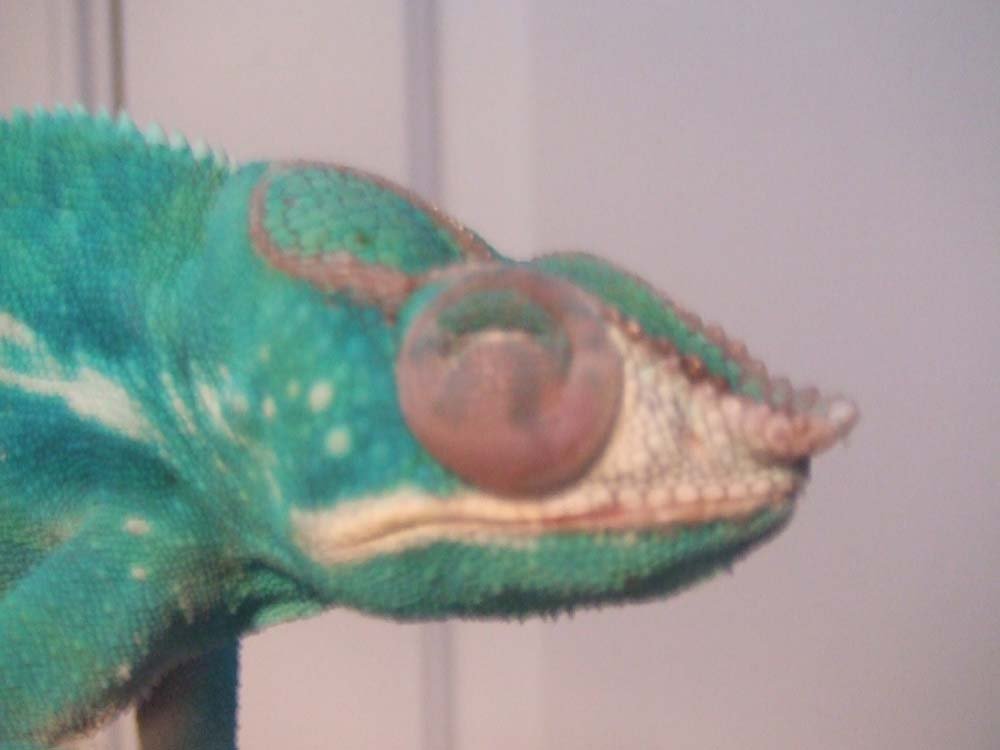
Reptile eye swelling often signals infection, injury, or poor husbandry that needs quick action.
I have cared for snakes, bearded dragons, and geckos for years and have treated many eye issues. I write from hands-on experience and a review of veterinary guidance to help you spot causes, act safely, and get your pet proper care. This guide covers causes, signs, diagnosis, treatment, home care, and prevention of reptile eye swelling so you can make confident choices for your animal.
Causes of reptile eye swelling
Reptile eye swelling can come from many sources. Common causes include infection, injury, retained shed, parasites, or poor enclosure conditions. Each cause affects treatment and outcome, so identifying the likely cause is vital. Below are the main causes and what to watch for.
- Infection
- Bacterial or fungal infections can inflame the eyelid or eye socket. These are common in animals kept in damp or dirty enclosures.
- Trauma
- Bites, bumps, or foreign bodies can cause swelling. Trauma may be obvious or subtle.
- Retained shed
- Old skin stuck around the eye can cause swelling and block vision. This is common in snakes and lizards during shedding cycles.
- Parasites
- Eye mites and other tiny parasites can irritate the eye and cause swelling and discharge.
- Nutritional deficiencies
- Lack of vitamin A and poor diet can lead to eye problems and swelling in many species.
- Environmental factors
- Low humidity, poor lighting, and dirty water sources can stress the eye and allow infections to start.
Common signs and symptoms
Recognizing symptoms early helps your pet get care faster. Symptoms often show in simple ways you can spot during handling.
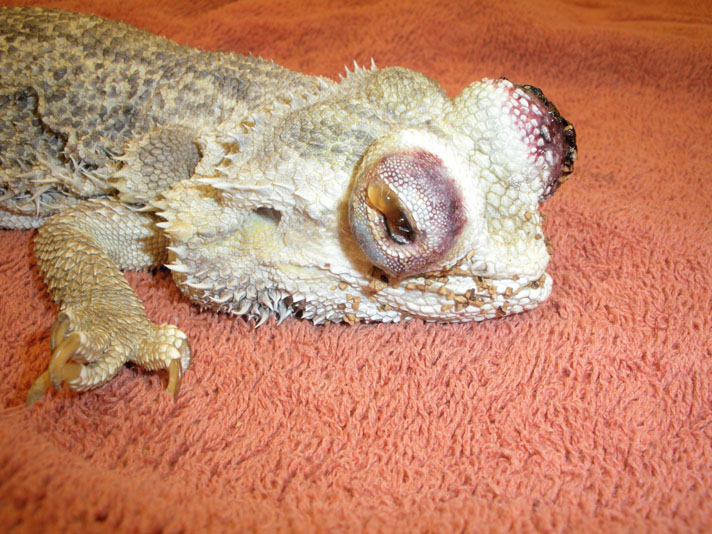
- Visible swelling around one or both eyes
- Redness or pink tissue near the eye
- Discharge that may be clear, white, yellow, or green
- Squinting or keeping the eye closed
- Changes in eating or behavior due to poor sight
- Loss of skin around the eye from retained shed
If you see swelling with lethargy, loss of appetite, or breathing issues, seek veterinary care fast. These signs can point to systemic infection.
How veterinarians diagnose reptile eye swelling
A vet will use a stepwise approach to find the cause. Expect a gentle but thorough exam and a few tests.
- Physical exam
- The vet will check both eyes, the mouth, skin, and overall health.
- Ophthalmic exam
- Special tools let the vet look closely at the cornea and eyelids.
- Cytology and cultures
- Swabs or small samples can identify bacteria, fungi, and parasites.
- Blood work and imaging
- Blood tests or X-rays help rule out systemic disease or deep infections.
Diagnosis guides treatment. Accurate tests reduce unnecessary antibiotics and improve outcomes.

Treatment options for reptile eye swelling
Treatment varies by cause. Simple cases of retained shed often need gentle home care. Infections usually need veterinary care.
- Home removal of retained shed
- Soak the animal in a shallow, warm water bath for a short time to loosen skin. Use a damp cotton swab to gently remove stuck shed if visible and loose.
- Topical therapy
– Vets may prescribe eye drops, ointments, or medicated washes depending on the infection type. - Systemic medications
- Oral or injectable antibiotics or antifungals are used for deep or spreading infections.
- Anti-inflammatory drugs
- Vets may use medications to reduce swelling and pain.
- Surgery
- In rare or severe cases, surgery may be needed to remove damaged tissue or foreign bodies.
Never apply human medications or eye drops without veterinary advice. Some products are toxic to reptiles.

Home care and first aid
You can do safe, effective first aid at home. These steps help before a vet visit and often speed recovery.
- Keep the animal calm and warm
- Stress slows healing. Maintain proper temperature gradients.
- Clean the area gently
- Use saline solution or clean water and a soft cloth to remove dirt or loose shed.
- Improve enclosure hygiene
- Clean bedding and water dishes to reduce reinfection risk.
- Avoid poor products
- Do not use alcohol, hydrogen peroxide, or human eye drops.
- Seek vet follow-up
- Home care helps, but many swollen eyes need a vet diagnosis and meds.
From experience, I have seen fast improvement when owners combine gentle home care with prompt veterinary treatment. Waiting too long often means a longer recovery.

Prevention and husbandry to reduce risk
Good care lowers the chance of reptile eye swelling. Small routine steps make a big difference.
- Maintain correct humidity and temperature
- Proper humidity prevents retained shed and keeps mucous membranes healthy.
- Provide a balanced diet
- Include supplements like vitamin A when appropriate for the species.
- Keep enclosures clean
- Regular removal of waste and sanitizing surfaces cut infection risk.
- Offer proper lighting
- UVB and correct photoperiod support immune health and skin health.
- Monitor shedding cycles
- Help animals with rough sheds by offering humid hides or baths.
Prevention is cheaper and kinder than treatment. A healthy reptile rarely shows chronic eye issues.
Species-specific notes
Different reptiles show and handle eye problems in different ways. Small changes in care can matter a lot.
- Snakes
- Retained eye caps are common during sheds. Soaking and handling with care usually helps.
- Bearded dragons and iguanas
- Vitamin A deficiency can cause swelling and conjunctivitis in herbivores. Diet change and vet therapy often fix this.
- Geckos
- Tiny eyelids and scales make infections likely if the enclosure is too damp.
- Turtles and tortoises
- Water quality plays a major role. Dirty water often leads to swollen eyes and infections.
Adjust prevention and treatment to the species for the best results.

Prognosis and recovery
Most cases recover well with timely care. The outcome depends on cause and how fast you act.
- Mild retained shed
- Often resolves in days with proper soaking and care.
- Bacterial or fungal infections
- Usually improve with vet meds in one to three weeks.
- Severe trauma or chronic disease
- Recovery can take longer and may need ongoing care or surgery.
Be honest about limits. Some eyes lose vision despite best care. Early action improves the odds.
Frequently Asked Questions of reptile eye swelling
What causes sudden reptile eye swelling?
Sudden swelling often comes from trauma, a foreign body, or a fast-developing infection. Quick veterinary assessment helps prevent worsening.
Can retained shed cause permanent damage?
If treated early, retained shed rarely causes permanent damage. Long-term blockage or infection can harm the eye, so act promptly.
Are home remedies safe for swollen reptile eyes?
Gentle saline rinses and controlled soaks are usually safe for first aid. Avoid human medications and always follow vet advice.
How fast should I see a vet for a swollen eye?
See a vet within 24 to 48 hours for most cases, faster if the animal is very ill, losing weight, or showing severe pain. Rapid care reduces complications.
Can vitamin A deficiency cause eye swelling?
Yes, lack of vitamin A can lead to conjunctivitis and swelling in many reptiles, especially herbivores. Diet and vet supplements often correct this.
Will antibiotics always fix reptile eye swelling?
Antibiotics help bacterial infections but not fungal or parasitic causes. Proper diagnosis ensures correct therapy and avoids resistance.
Conclusion
Reptile eye swelling can be simple or serious, but it is usually manageable with prompt action. Watch for swelling, discharge, or behavior change, and combine safe home care with veterinary diagnosis when needed. Take steps in daily husbandry to prevent problems and keep your pet healthy. If you found this guide helpful, consider subscribing for more reptile care tips or leave a comment with your questions or experiences.
