
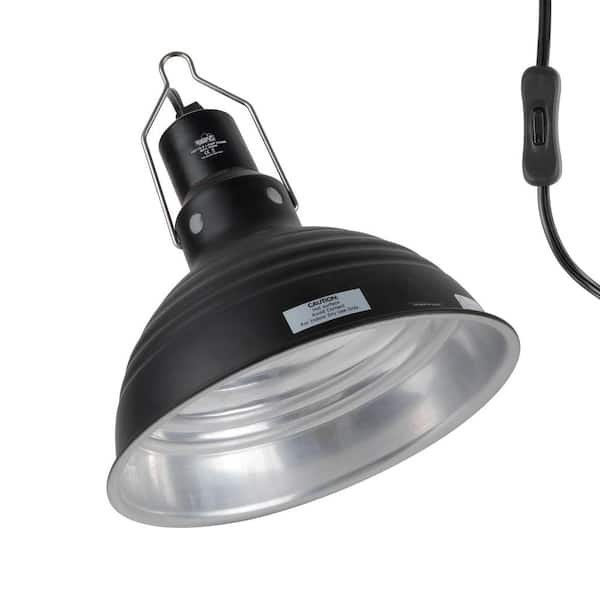
Reptile heat lamps provide essential daytime warmth and safe basking zones for cold-blooded pets.
I have cared for snakes, bearded dragons, and tortoises for over a decade. I know how critical proper reptile heat lamp use is for health, digestion, and behavior. This guide explains practical choices, safe setups, and real-world tips. Read on to learn how to set up and manage reptile heat lamp use with confidence.

Why reptile heat lamp use matters
Reptile heat lamp use supports body temperature. Cold-blooded animals rely on external heat to digest food. A good lamp helps reptiles stay active and healthy. Improper heat can cause illness, slow digestion, and stress.
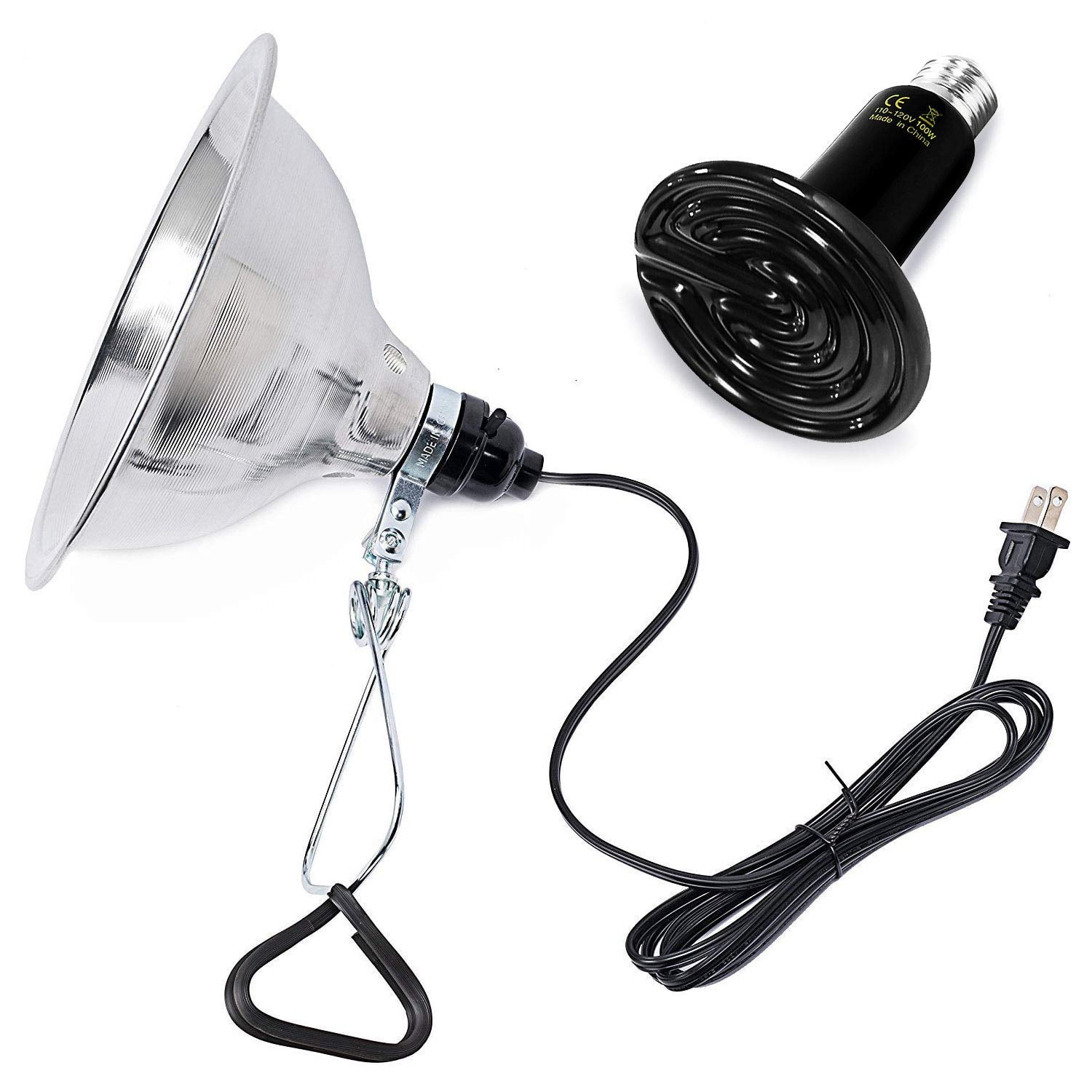
Types of reptile heat lamps
There are several lamp types to choose from. Each lamp fits a different need and species.
- Incandescent basking bulbs provide visible light and strong heat. They work well for basking spots.
- Ceramic heat emitters give heat without light for night warming. They are low-light friendly.
- Halogen bulbs last longer and run hot. They are efficient but need careful placement.
- Infrared heat lamps offer deep heat but can be intense. Use them with caution and distance.
When picking a lamp, think about the species and enclosure size. Reptile heat lamp use varies by animal. Small lizards need lower wattage than large snakes.

Choosing the right reptile heat lamp use for your species
Match the lamp to the animal’s needs. Research the natural habitat of your pet first. Desert species need high daytime temps and bright basking light. Forest species prefer moderate heat and shaded areas.
Steps to choose:
- Check species temperature range and basking needs.
- Measure enclosure size to calculate wattage and lamp type.
- Consider day-night cycles when choosing light-emitting bulbs.
I once used a 100W basking bulb for a juvenile bearded dragon. It was too hot at close range. I switched to a 75W and added gradient zones. The dragon recovered quickly. That taught me to test and adjust.
Installation, placement, and creating a temperature gradient
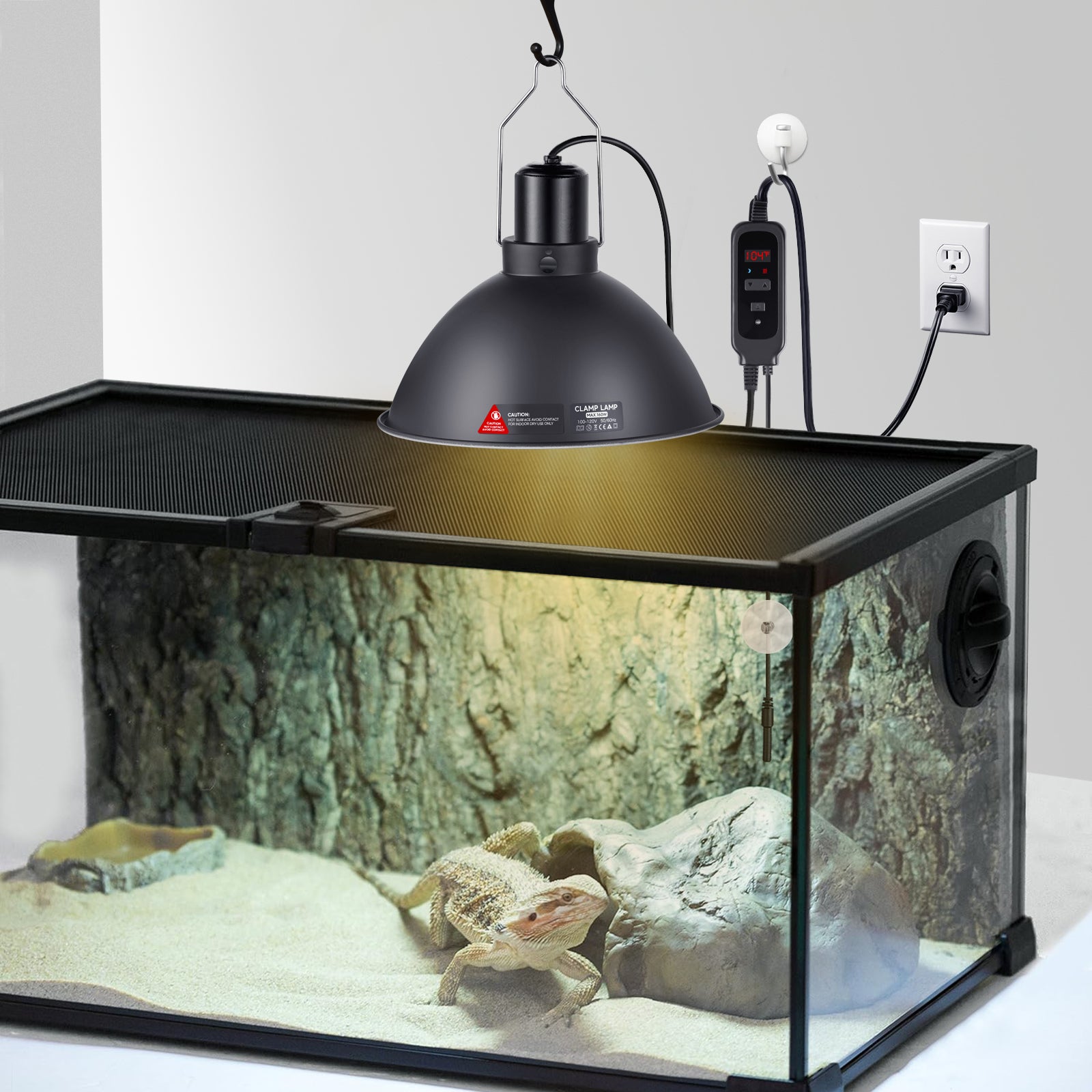
Good placement creates a warm basking zone and a cool retreat. Aim for a clear gradient from hot to cool. The hot side should be directly under the heat lamp. The cool side should be across the enclosure.
Placement tips:
- Mount the lamp above the basking spot at a safe height.
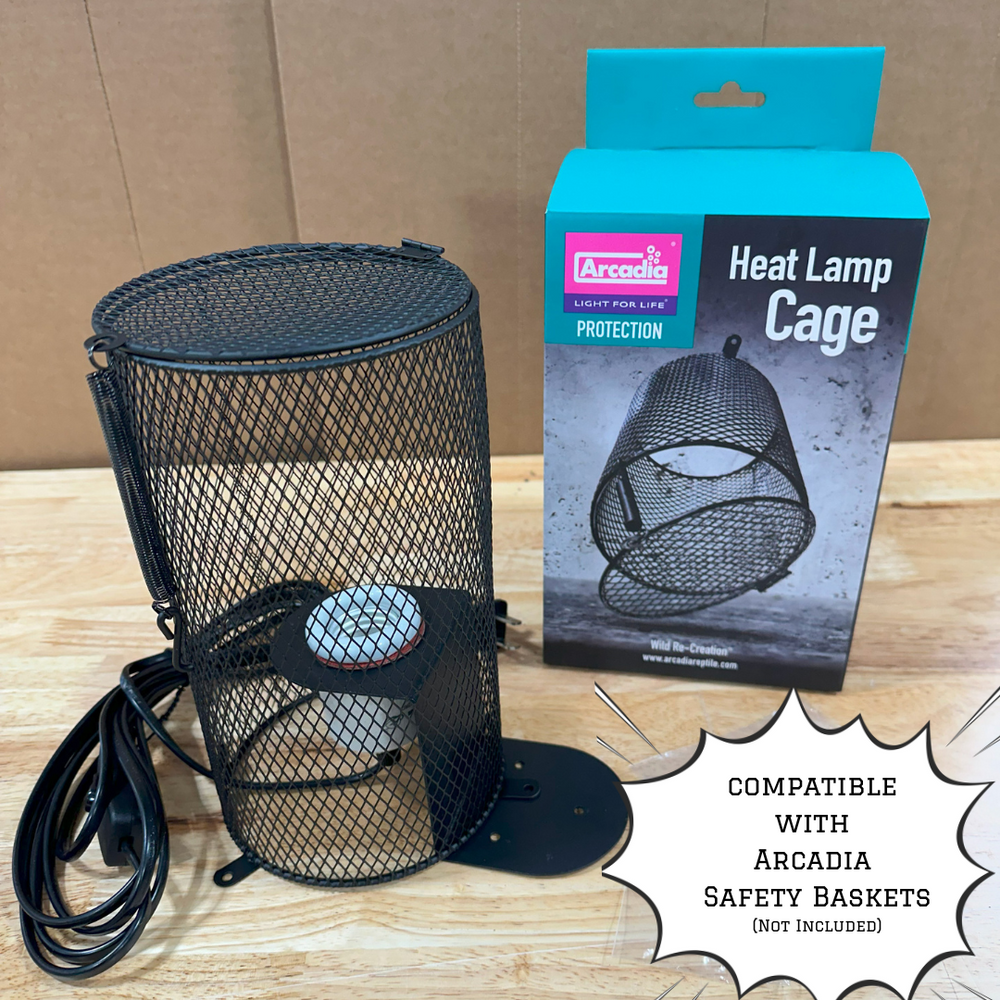
- Use a heat-proof fixture and a guard to prevent contact.
- Measure temperature at the basking spot and elsewhere with a thermometer.
Create a gradient by adjusting lamp height or wattage. Reptile heat lamp use should always allow the animal to move freely between zones. I use two thermometers and one infrared gun to check real temps. That reduces guesswork.

Safety, common mistakes, and troubleshooting
Safety must come first with any lamp. Heat sources can burn animals or start fires if misused. Watch for signs of overheating and electrical issues.
Common mistakes:
- Placing the lamp inside the enclosure where the reptile can touch it.
- Using too high wattage for the space.
- Not providing a cool zone or hiding spot.
Troubleshooting steps:
- If your reptile avoids the basking spot, measure the temperature and adjust lamp distance.
- If overnight temps drop too low, add a ceramic heat emitter or a thermostat-controlled heater.
- Replace bulbs on a schedule to avoid sudden failure.
I once had a lamp short out due to a cheap fixture. I now use quality fixtures and surge protection. It was an expensive lesson but worth the safety.
Monitoring, maintenance, and lifespan of heat lamps
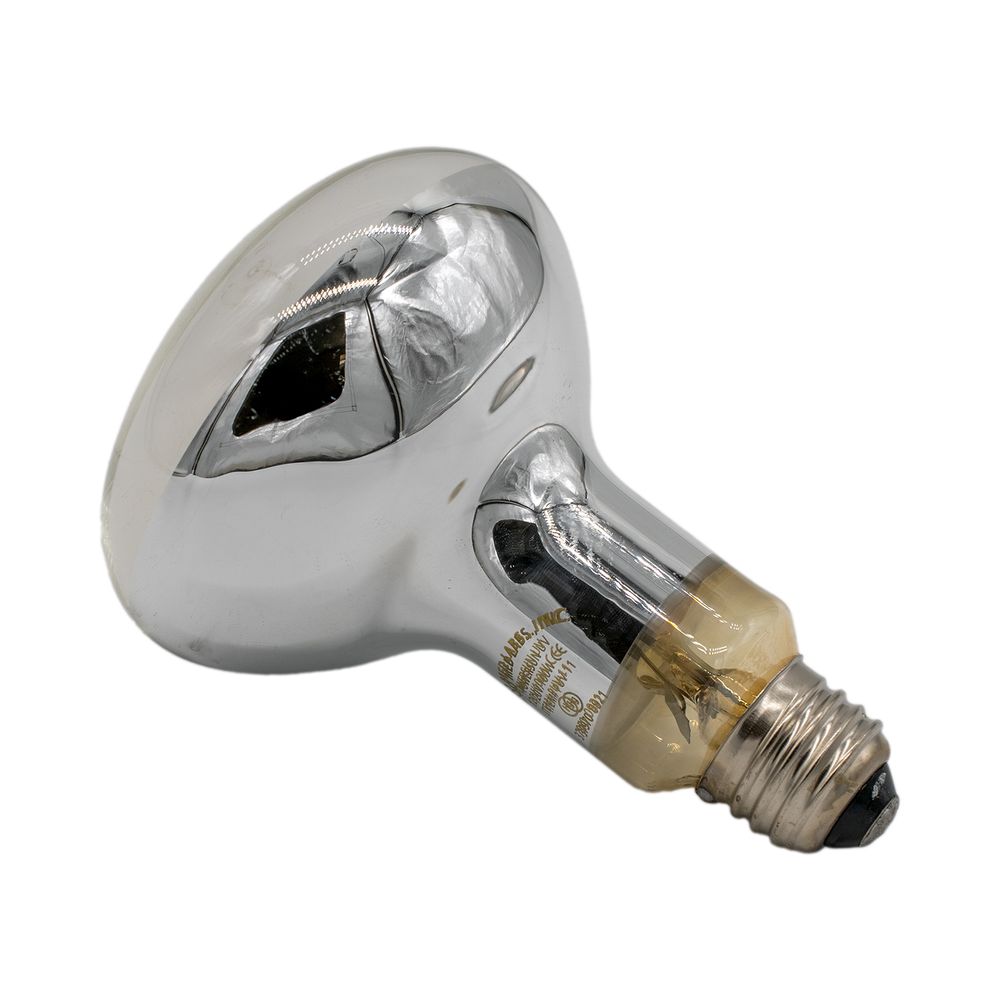
Regular checks keep your setup stable. Lamps lose efficiency over time. Replace bulbs when output drops or on a schedule.
Maintenance checklist:
- Clean fixtures and reflectors monthly.
- Replace bulbs every 6–12 months depending on type and use.
- Check wiring and sockets for wear and tear.
Use thermostats and timers to keep temperatures steady. Reptile heat lamp use works best with consistent monitoring. I log daily temps for the first month after setup to confirm stability.

Personal experience: lessons learned and practical tips
I have made many setups over the years. Small fixes often make the biggest differences. Here are tips I use every day.
Practical tips:
- Start with recommended wattage, then tweak based on thermometer readings.
- Use basking platforms to allow safe distance from the lamp.
- Combine light-emitting bulbs for daytime heat and ceramic emitters for night warmth.
- Always use a guard or fixture that prevents direct contact.
One case: a tortoise refused to bask until I raised the bulb by two inches. The change created the right gradient. That showed me to trust the animal’s behavior as a guide.
Frequently Asked Questions of reptile heat lamp use
What wattage should I use for a bearded dragon?
Wattage depends on tank size and bulb type. Many owners start with 50–75W for juveniles and 75–100W for adults, then adjust using a thermometer.
Can I leave a heat lamp on all night?
Most reptiles need a cooler night period. Use a ceramic heat emitter or thermostat if overnight warmth is required. Avoid bright lamps at night to preserve sleep cycles.
Are infrared bulbs safe for reptiles?
Infrared bulbs provide heat but can be intense. Use them at a distance and monitor temperatures closely. They work well for deep heat but require caution.
How do I know if my lamp is too hot?
Watch for pacing, hiding, or refusal to bask. Measure hot spot temperature with a thermometer or infrared gun. Adjust height or wattage if temps exceed species needs.
Do heat lamps need a timer or thermostat?
Timers create day-night cycles and thermostats control temperature more precisely. Use both for stability and safety when managing reptile heat lamp use.
Conclusion
Proper reptile heat lamp use keeps reptiles healthy, active, and stress-free. Choose the right lamp, create a reliable gradient, and monitor temps daily. Start simple, observe your pet, and adjust based on real readings and behavior. Try one change at a time and log results to learn what works best. If this guide helped, leave a comment, share your setup, or subscribe for more reptile care tips.

Pingback: Dog Barking Behavior Control: Effective Training Tips - pettraiers.com
Pingback: Pet Grooming Cleaning Tools: Top Picks And Tips 2026 - pettraiers.com
Pingback: Pet Travel Safety: Essential Tips For Stress-Free Trips - pettraiers.com
Pingback: Cat Grooming Health Benefits: Boost Cat Wellness - pettraiers.com