
Most reptile lethargy causes stem from poor temperature, wrong diet, stress, or hidden illness.
I’ve kept and consulted on dozens of reptiles for over a decade, and I write this guide to help you spot why your pet seems slow or inactive. This post breaks down reptile lethargy causes into clear categories — environment, health, diet, stress, and diagnostics — with practical steps you can use today. Read on to understand common causes, real-life fixes, and when to call a vet.
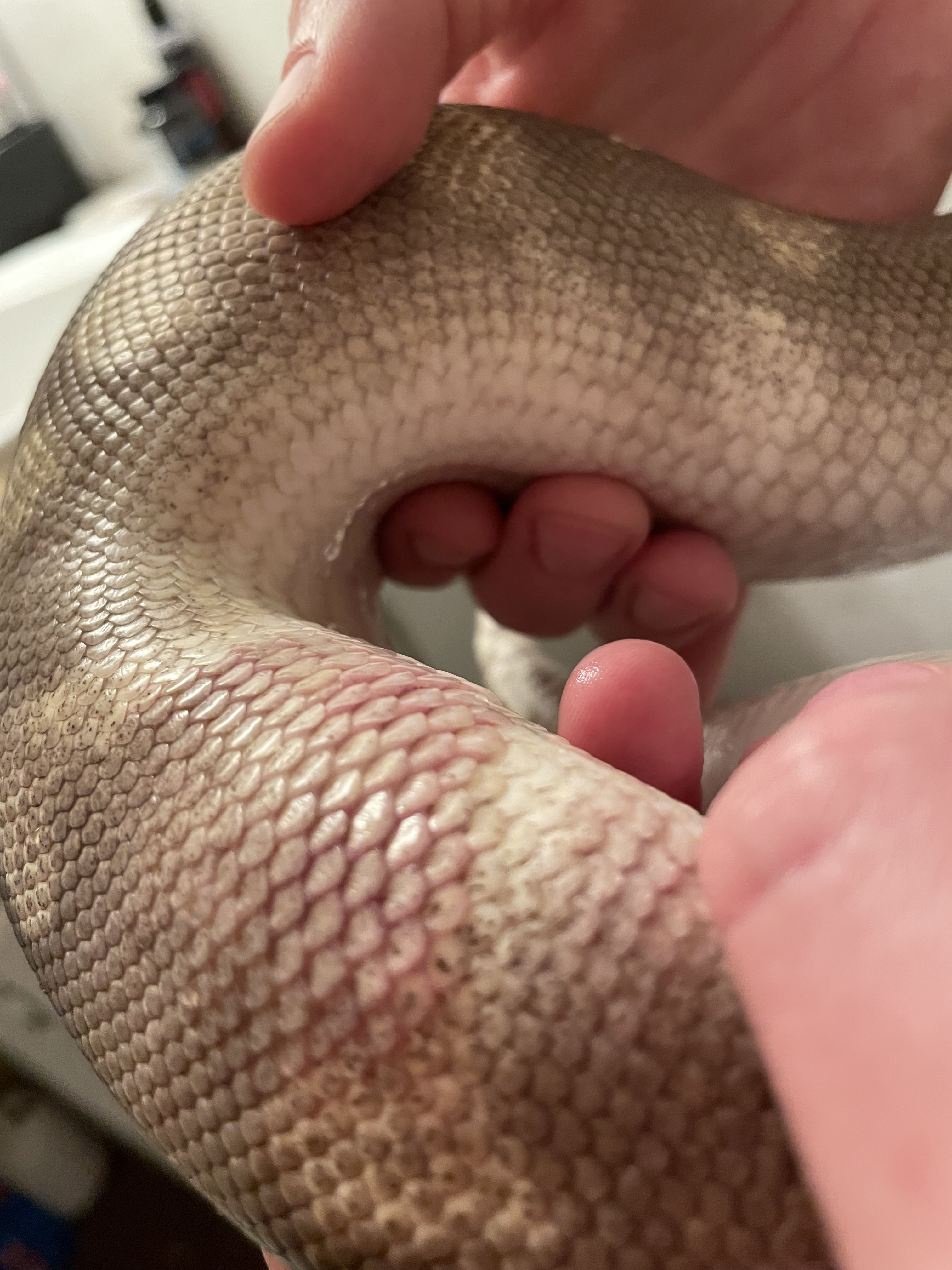
Why reptiles become lethargic: a quick overview
Reptile lethargy causes are often simple to fix when found early.
Low heat, poor diet, stress, parasites, and disease top the list.
Knowing the root cause helps you act fast and avoid serious decline.

Environmental causes
Heat and light problems
- Too cold — Reptiles rely on external heat. Low temps slow digestion, movement, and immunity. Reptile lethargy causes often include an insufficient basking spot or broken heat source.
- Poor lighting — Lack of UVB stops vitamin D3 synthesis in many species and can cause weakness. This is a common reptile lethargy cause, especially in diurnal lizards.
Humidity and habitat setup
- Wrong humidity — Too high or too low humidity affects breathing and skin health. This can make reptiles sluggish and hide more.
- Bad enclosure layout — Cramped or cluttered hides make animals feel unsafe. Chronic stress from poor housing is a frequent reptile lethargy cause.
Seasonal brumation
- Natural slowdown — Many reptiles brumate or reduce activity in colder months. If heat and food are reduced by season, lethargy may be normal. Still, confirm proper brumation conditions to rule out disease.
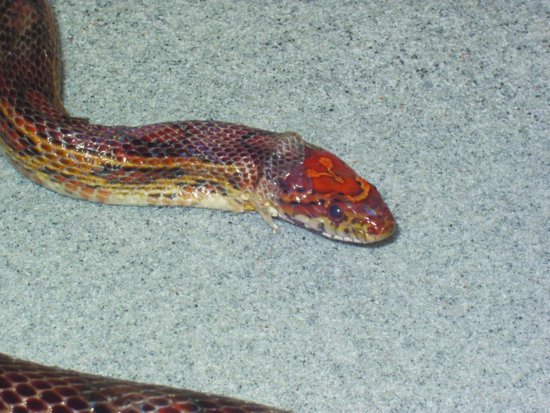
Health and disease causes
Infections and parasites
- Internal parasites — Worms and protozoa can sap energy. Parasites are a common, treatable reptile lethargy cause.
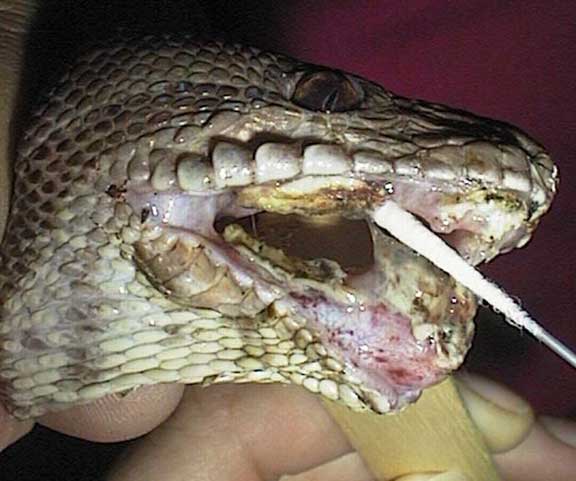
- Respiratory infections — Wheezing, bubbling, and open-mouth breathing accompany lethargy when lungs are involved.
Metabolic and systemic disease
- Metabolic Bone Disease (MBD) — Calcium imbalance and poor UVB cause weakness and low activity. MBD is a critical reptile lethargy cause that needs prompt correction.
- Organ problems — Kidney or liver disease reduces energy. These causes often require blood tests to confirm.
Injuries and pain
- Trauma and chronic pain — A hidden injury or infected bite can lead to hiding and reduced movement. Pain is an overlooked reptile lethargy cause.
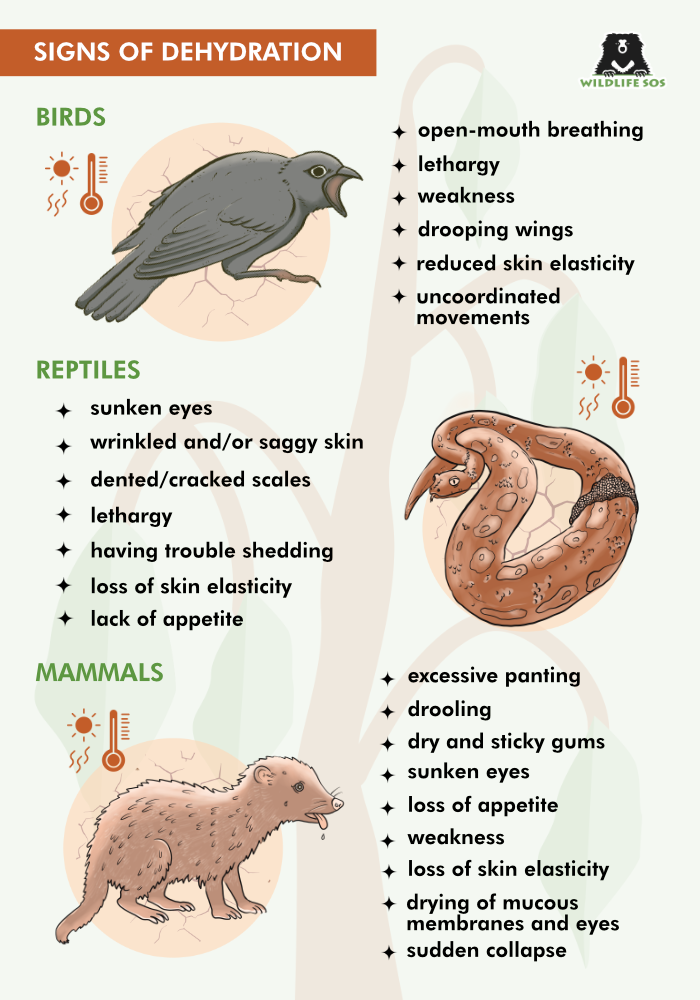
Nutrition and husbandry causes
Poor diet
- Lack of nutrients — Diets low in vitamins and minerals lead to slow recovery and low energy. Improper feeding habits are frequent reptile lethargy causes.
- Overfeeding or obesity — Too much food can slow reptiles and mask illness.
Dehydration and impaction
- Dehydration — Dry conditions and low water intake cause weakness. I’ve seen dehydration cause severe lethargy in hatchlings.
- Impaction — Swallowed substrate or large meal blockages stop digestion and make reptiles immobile. Impaction is a classic reptile lethargy cause that needs fast care.
Feeding schedule and prey size
- Wrong prey size — Giant meals can sit and slow a reptile. Feeding errors are an avoidable reptile lethargy cause.
- Irregular feeding — Long gaps or sudden diet changes cause stress and low appetite.
 behavior causes”
style=”max-width: 100%; height: auto; border: 2px solid black; border-radius: 10px; display: block; margin: 0 auto;”
loading=”lazy”
/>
Stress and behavior causes
Handling and human interaction
- Too much handling — Excessive handling can wear down a reptile. Chronic handling is a behavioral reptile lethargy cause I’ve corrected by limiting contact.
- New environments — Moves or new tankmates trigger hiding and low activity.
Predator cues and noise
- Perceived threats — Pets and loud noise make reptiles conserve energy by staying still. This type of stress-related reptile lethargy cause is common in the home.
Mental health and boredom
- Lack of enrichment — A bare tank with no stimulation can result in sluggish behavior. Proper enclosure design often reverses this reptile lethargy cause.
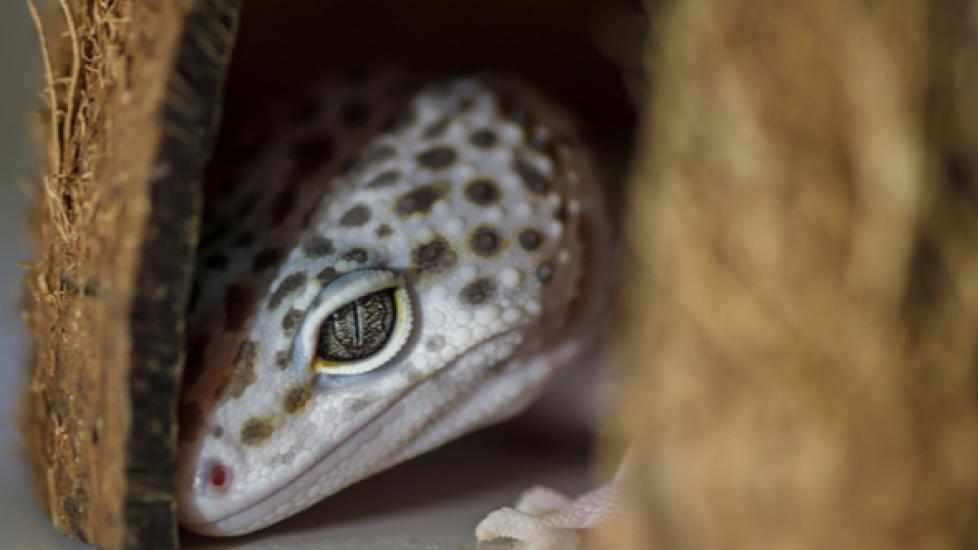
Diagnosis: how to pinpoint the cause
Observe and document
- Track changes — Note appetite, stool, color, and activity. Logs often reveal patterns linked to reptile lethargy causes.
- Check temperature and lighting — Measure basking and ambient temps at several times in the day.
Veterinary tests
- Fecal exam — Detects parasites that cause lethargy.
- Blood tests and X-rays — Reveal organ function, MBD, impaction, or infection. These tests are vital when basic fixes fail.
When to seek help
- Sudden or severe decline — Rapid lethargy, not eating, or breathing trouble demands immediate vet care. Don’t wait when symptoms escalate.
Treatment and home care
Immediate steps at home
- Warm the enclosure — Raise basking temperature gradually to species-appropriate levels. Correct heating often reverses mild lethargy.
- Offer fluids — Provide water or electrolyte support if dehydrated. Fluids help many reptile lethargy causes.
Medical treatments
- Dewormers and antibiotics — Used when tests show parasites or infection. Always follow a vet’s dosage plan.
- Calcium and vitamin therapy — For MBD or deficiencies. UVB and diet changes go hand in hand.
Care plan and monitoring
- Small, frequent checks — Watch weight, stool, and activity daily. Consistent monitoring catches relapse early.
- Adjust husbandry — Fix temperature, light, diet, and stressors to prevent repeat problems.
Prevention and long-term care
Daily and weekly routines
- Maintain stable temperatures and proper UVB bulbs. Regular checks prevent common reptile lethargy causes.
- Fresh water daily and proper feeding schedules reduce risk of dehydration and impaction.
Record keeping and vet checkups
- Keep a simple log of weight, shed cycles, and meals. Trends reveal slow declines tied to reptile lethargy causes.
- Annual exams — A yearly vet visit finds early disease and sets a baseline for health.
Lessons from my experience
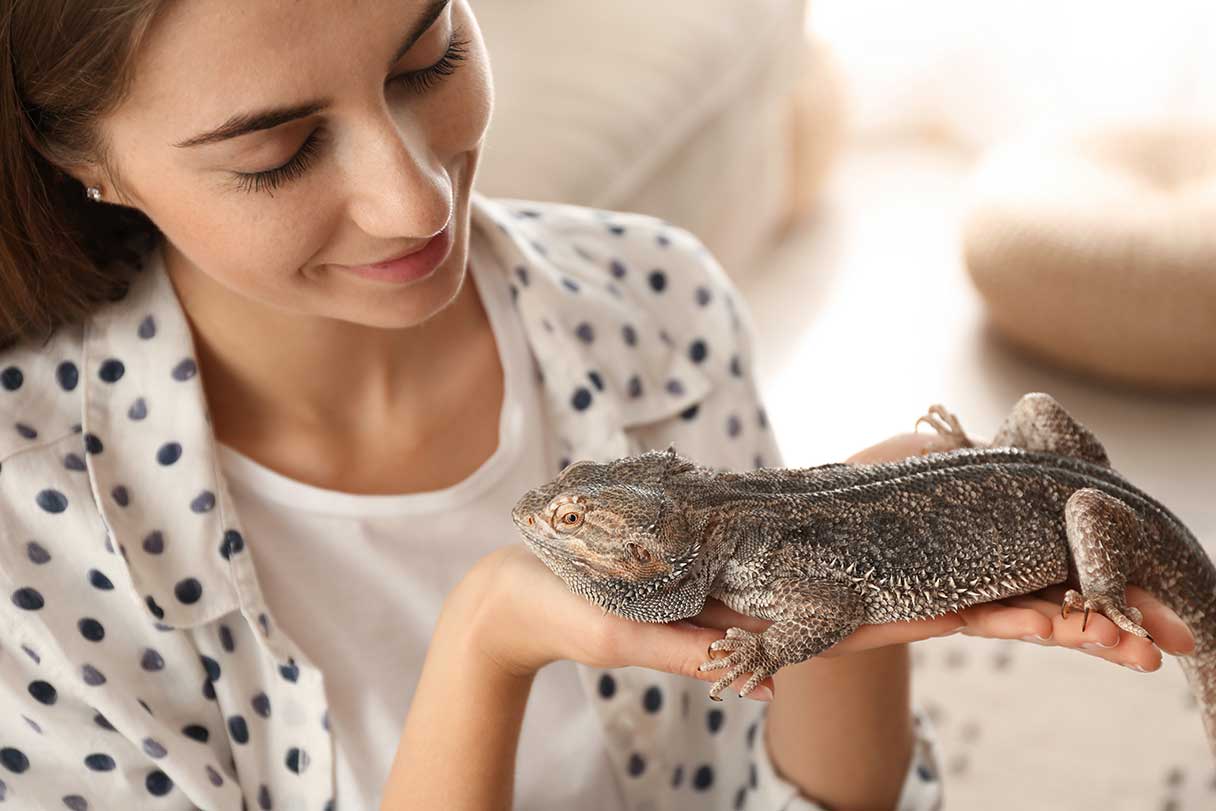
- Early action matters — I once saved a bearded dragon by switching bulbs and giving fluids after two days of lethargy. Small changes can have big results.
- Trust your gut — If something feels off, act. Waiting makes treatable reptile lethargy causes harder to fix.

Frequently Asked Questions of reptile lethargy causes
What is the most common reptile lethargy cause?
Low temperature and poor basking conditions are the most common reptile lethargy causes. These directly slow metabolism and activity.
Can brumation look like illness?
Yes. Brumation mimics illness with reduced appetite and movement, but normal vitals and seasonality distinguish it. Always confirm proper brumation setup.
How quickly should activity improve after fixing temperature?
Activity can improve within 24 to 72 hours after warming and feeding. If no change, seek veterinary care.
Is dehydration a serious cause of lethargy?
Dehydration is serious and can rapidly worsen. Offer fluids and correct enclosure humidity to reverse this reptile lethargy cause.
When should I take my reptile to a vet for lethargy?
Visit a vet if lethargy is sudden, severe, or lasts more than 48–72 hours, or if there are breathing issues, weight loss, or abnormal stool.
Conclusion
Reptile lethargy causes range from easy fixes like heating and diet to serious issues like infection or organ disease. Check temperature, lighting, diet, and behavior first, and keep a close eye on changes. Act early, document findings, and consult a vet when needed to protect your pet’s health. Start by reviewing your enclosure today, correct one thing, and see how your reptile improves — then make a plan to prevent future problems. Leave a comment with your reptile’s symptoms or subscribe for more care guides.
