
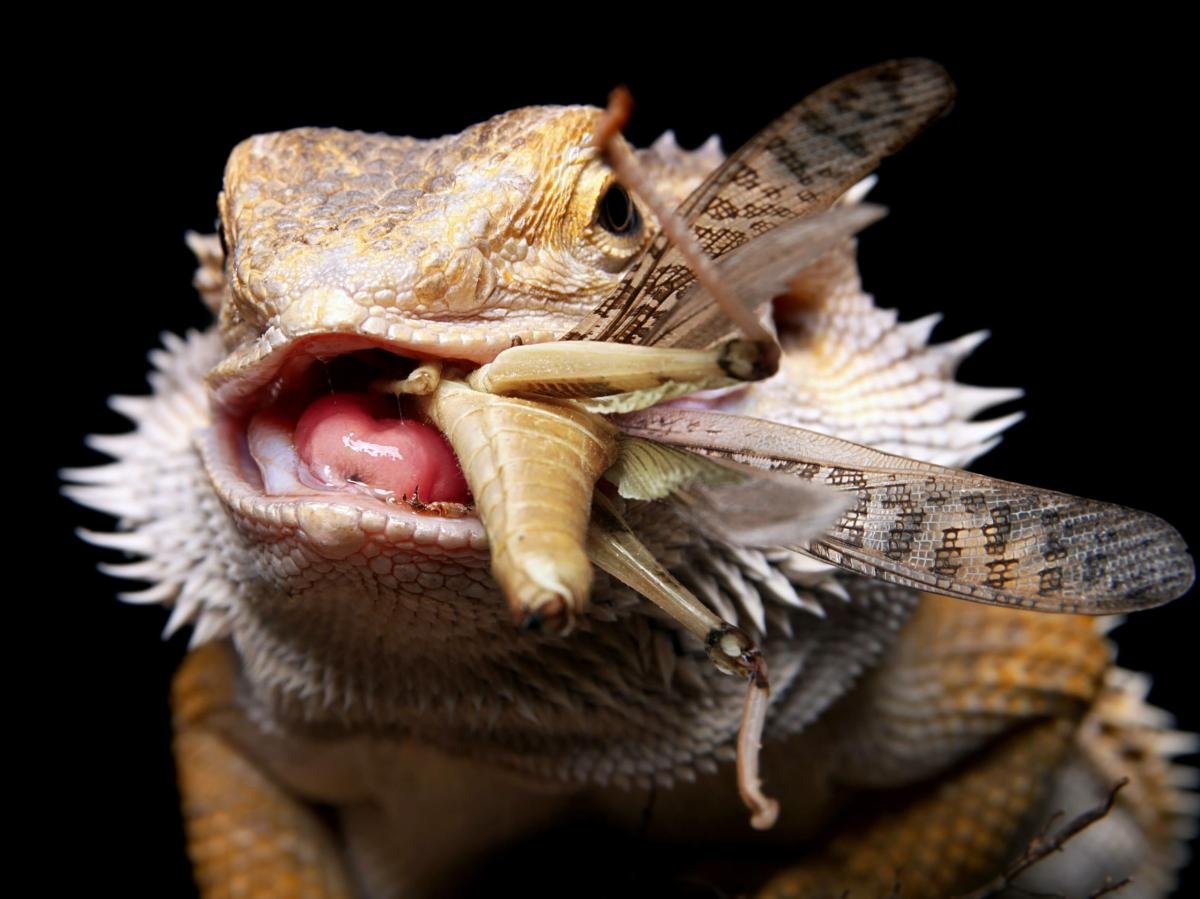
A reptile not eating can mean stress, illness, or wrong husbandry — act quickly and calmly.
I have kept and cared for many reptiles for over a decade, and I write this guide to help you troubleshoot why your reptile not eating. This post combines hands-on experience, vet-backed best practices, and clear steps you can use today. Read on to learn practical checks, fixes, and when to seek professional care so your pet recovers fast.

Common causes of a reptile not eating
Reptile not eating is a common and worrying problem for keepers. Causes range from simple husbandry errors to serious medical issues. Identifying the root cause is the first step to solving it.
Common causes include:
- Improper temperature or gradient, which suppresses appetite and digestion.
- Wrong humidity levels, which affect shedding and comfort.
- Recent stressors like new enclosure setups, handling, or loud noises.
- Illnesses such as parasites, respiratory infections, or organ problems.
- Brumation or seasonal fasting in species that naturally eat less.
- Incorrect diet or feeder size that the reptile refuses.
From my experience, most short-term appetite losses are due to temperature or stress. Long-term refusal often points to disease or chronic husbandry problems. If your reptile not eating continues beyond a week, escalate your checks and consider a vet visit.
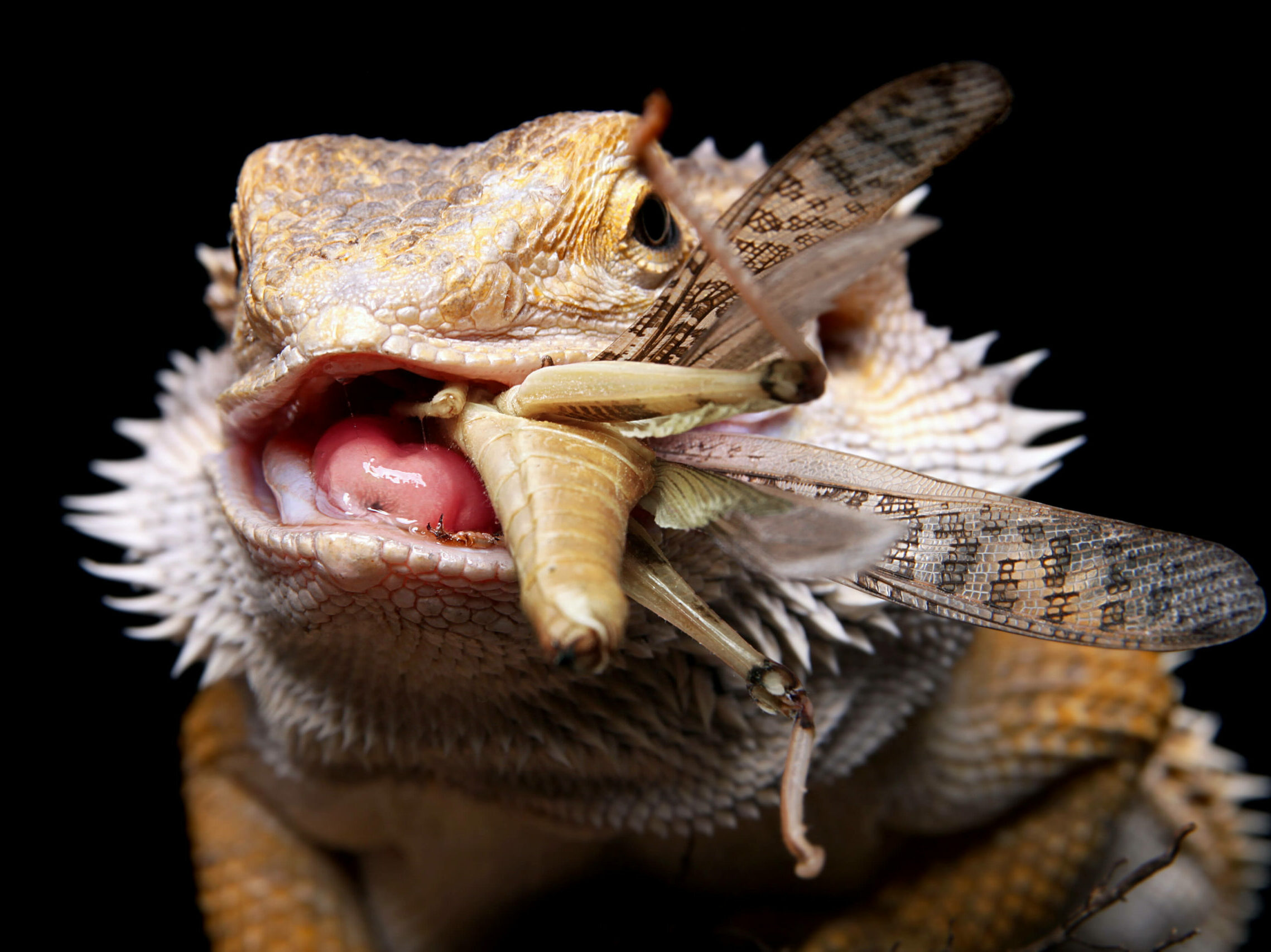
How to assess if your reptile not eating is serious
Quick assessments help you decide what to do next. Use a calm, step-by-step approach so you don’t stress the animal more.
Steps to assess severity:
- Check weight weekly to detect rapid loss.
- Observe behavior: lethargy, hiding, or unusual posture are red flags.
- Look for physical signs: retained shed, mouth discoloration, discharge, or swelling.
- Monitor feces for consistency, parasites, or lack of output.
- Note environmental data: basking and hide temperatures, light schedule, and humidity.
If your reptile not eating shows weight loss, vomiting, or abnormal feces, treat this as urgent. I once had a bearded dragon stop eating after a dramatic temp drop; correcting the gradient fixed it in two days. But when appetite loss came with lethargy and listlessness, a vet visit found a parasite.
Immediate steps when your reptile not eating
When you notice a reptile not eating, act calmly and methodically. Fast, small adjustments often prevent bigger problems.
Immediate actions:
- Measure and correct temperatures using reliable thermometers.
- Ensure a proper light cycle and UVB for species that require it.
- Reduce handling for a few days to lower stress.
- Offer familiar foods and avoid new or scented items.
- Try tempting with warmer prey or hand-fed options for a short test.
Do not force-feed unless trained or instructed by a vet. Force-feeding can cause aspiration and worsen the condition. If appetite returns after simple fixes, monitor closely for recurrence.

Environmental adjustments to fix appetite
Many appetite issues stem from the enclosure. Good husbandry is the most effective long-term remedy when a reptile not eating.
Key environment fixes:
- Set a proper thermal gradient with a warm basking spot and a cooler end.
- Maintain species-appropriate humidity and ventilation.
- Provide hides on both warm and cool sides to reduce stress.
- Ensure fresh water and clean substrate to avoid disease triggers.
- Check UVB placement and age; replace bulbs per manufacturer guidelines.
Small environmental improvements often yield rapid appetite recovery. I keep temperature logs for my reptiles; spotting a heat drop early prevented a week-long fast for one of my geckos.

Feeding strategies and appetite stimulation
Switching how and what you offer can help when a reptile not eating. Use gentle, species-appropriate methods to stimulate appetite.
Feeding tips:
- Offer live prey to active carnivores but ensure prey is safe and sized correctly.
- Try scenting prey with safe oils or prey scent that appeals to the species.
- For herbivores, vary greens and add calcium-dusted vegetables.
- Use feeding tongs to simulate movement and trigger hunting responses.
- Consider appetite stimulants only under vet guidance or when recommended.
Record what works and what does not. I keep a small feeding journal. It helped me see patterns and avoid repeating mistakes that led to bouts where a reptile not eating became a regular problem.

When to consult a veterinarian
Knowing when your reptile not eating needs professional care is crucial. Some signs demand immediate veterinary attention.
Seek vet care if you see:
- Rapid weight loss or severe emaciation.
- Blood in feces, persistent vomiting, or respiratory distress.
- Swollen abdomen, severe lethargy, or inability to right itself.
- No appetite for more than two weeks in adults (shorter in juveniles).
- Signs of pain, severe wounds, or obvious systemic illness.
Bring a fecal sample and a detailed husbandry log to your appointment. Vets will likely do a physical exam, fecal tests, blood work, and imaging if needed.

Species-specific notes and seasonal patterns
Different reptiles show appetite changes for different reasons. Understanding your species helps you respond correctly to a reptile not eating.
Examples:
- Bearded dragons often refuse food during brumation or after shedding.
- Ball pythons may fast during breeding season or when stressed by enclosure changes.
- Leopard geckos can skip meals during cooler months or before a shed.
- Turtles may eat less when water temperature dips or in poor water quality.
I learned early on to expect seasonal dips with my tortoise and not panic. Still, consistent monitoring kept me aware of when a dip became dangerous.

Frequently Asked Questions of reptile not eating
Why is my reptile not eating after a shed?
Most reptiles eat less before and during shedding due to discomfort and reduced sense of smell. Offer food a few days after the shed and ensure proper humidity to speed the process.
Can stress cause a reptile not eating?
Yes, stress from new enclosures, excessive handling, loud noise, or nearby predators can shut down appetite. Reduce stressors and provide secure hides to encourage feeding.
How long can a reptile safely go without eating?
Healthy adults can often go several weeks without food, depending on species and body condition, but juveniles need regular feeding. Monitor weight and act sooner if weight drops or other signs appear.
Is temperature the main reason for a reptile not eating?
Temperature is a very common cause because reptiles depend on external heat for digestion. Check and fix the thermal gradient before trying other interventions.
Should I force-feed if my reptile not eating?
Do not force-feed without veterinary instruction; improper force-feeding risks aspiration and trauma. Ask a vet for safe techniques or tube-feeding guidance if necessary.
Can parasites cause a reptile not eating?
Yes, parasites often reduce appetite and cause weight loss and abnormal feces. A fecal exam by a vet can confirm parasites and guide treatment.
Will changing the diet help if my reptile not eating?
Sometimes offering preferred or moving prey can spark feeding, but sudden diet swaps can upset digestion. Make gradual changes and note responses closely.
Conclusion
A reptile not eating is unsettling but often solvable with careful observation and smart, stepwise changes. Start with husbandry checks, correct temperatures and humidity, reduce stress, and keep a detailed log. If appetite does not return or other warning signs appear, seek veterinary care promptly. Take action early, learn from each episode, and stay proactive — your reptile depends on consistent care. Leave a comment with your situation or subscribe for updates and more care guides.
