
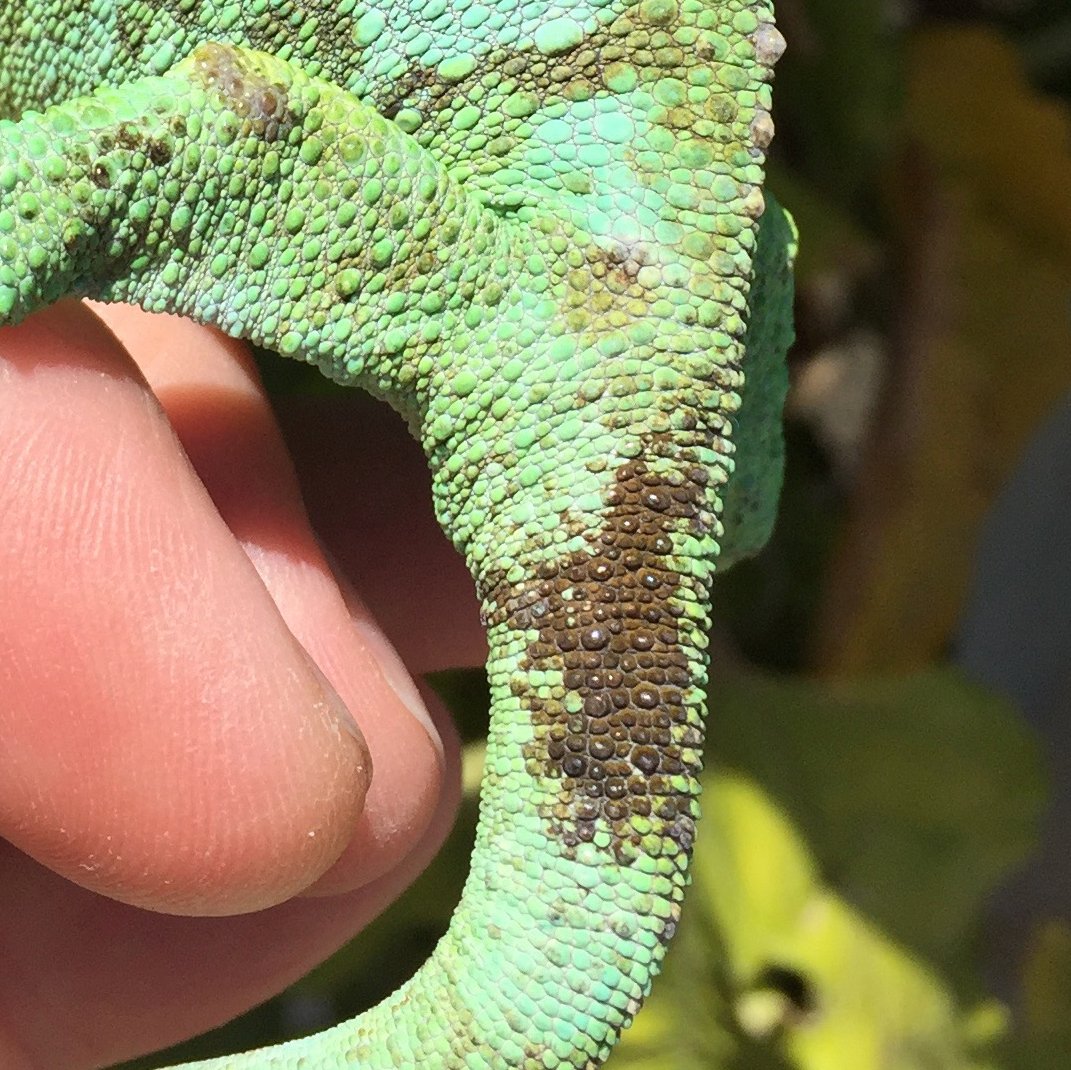
Reptile skin discoloration often signals shed issues, infections, burns, or nutrition and husbandry problems.
I have worked with reptiles and vets for years and I write this to help you spot, understand, and act on reptile skin discoloration. I will explain why colors change, how to tell harmless from serious changes, and clear steps you can take at home and with your vet. Read on to learn simple tests, treatment options, and long-term care tips so your reptile stays healthy and vibrant.

Common causes of reptile skin discoloration
Reptile skin discoloration can come from many sources. Knowing the cause helps you decide the next step.
- Improper shedding: Old skin can darken or stay patchy after shed. This is common in humid or dry problems.
- Bacterial or fungal infection: These often cause dark, brown, or black spots. They can spread if not treated.
- Burns and thermal injury: Overheating or hot surfaces can turn skin pale, white, or black.
- Parasites and mites: Small red or dark specks and uneven color can be signs of mites.
- Nutritional problems: Lack of vitamins or minerals can cause dull color or abnormal patches.
- Metabolic or systemic disease: Organ or bone issues can affect skin hue and texture.
- Genetics and normal color change: Some reptiles change color with age, mood, or season. Not all changes are bad.
I share these causes from clinic work and long-term care of bearded dragons and corn snakes. Early detection makes treatment easier and faster.
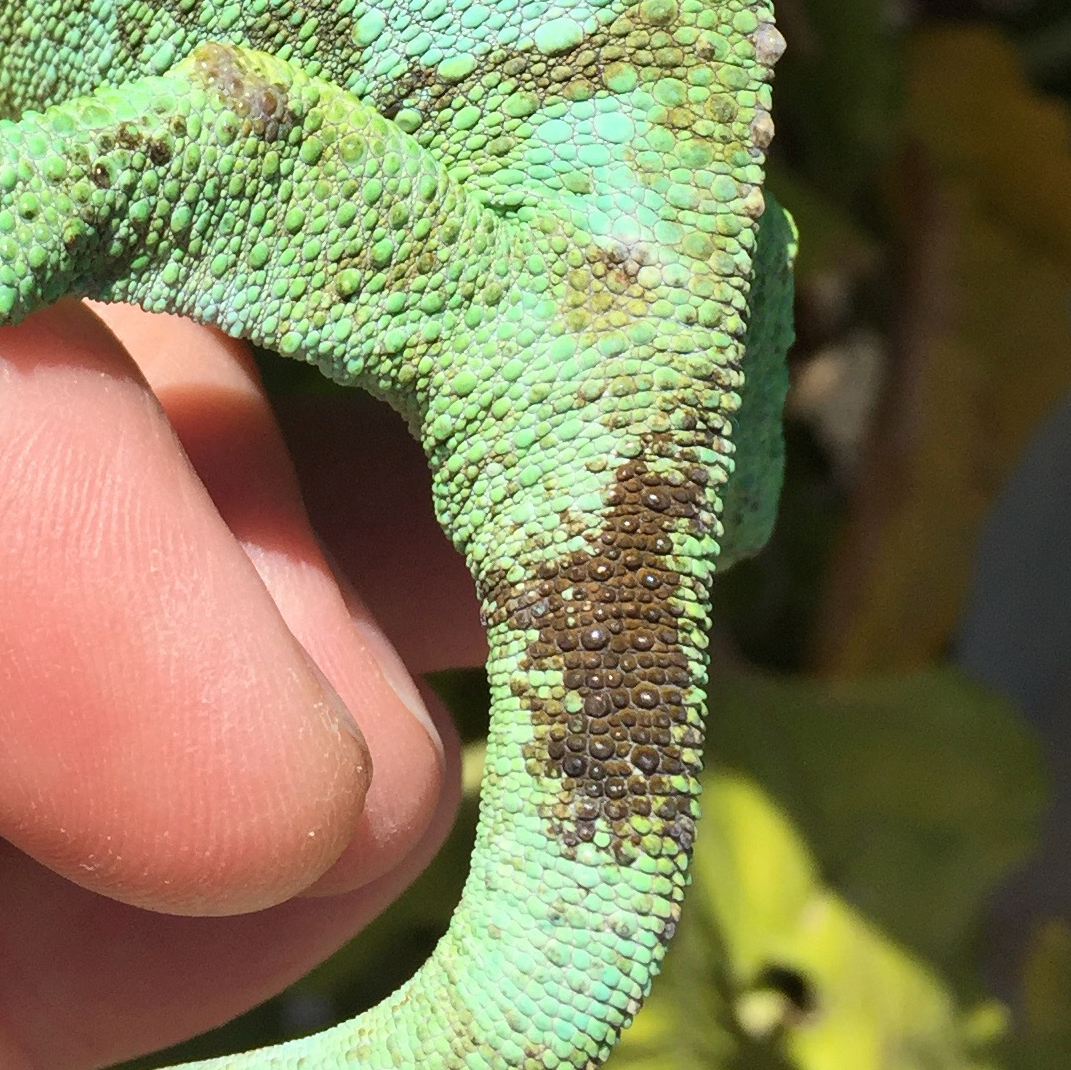
How to spot serious vs. mild discoloration
Not all color changes need a vet. Use this quick guide to sort mild from serious cases.
- Mild signs: Faint patches, slow change, regular appetite, normal activity. May be from shed or natural color shift.
- Warning signs: Rapid change, open wounds, swelling, discharge, bad smell, weight loss, or lethargy. These need a vet.
Check the skin close up. Look for raised bumps, soft areas, or holes. Smell the area. A foul odor usually means infection. Note any behavior change like hiding or poor appetite. Record how fast the discoloration spread.

Diagnosis: tests and vet steps
A vet will start with a clear history and exam. Expect these steps.
- History review: Diet, enclosure setup, recent changes, and any injuries.
- Physical exam: Full skin check, palpation, and weight tracking.
- Skin scrape or swab: To look for mites, bacteria, or fungi under a microscope.
- Culture or biopsy: For persistent or unclear infections.
- Blood work and imaging: If internal disease or metabolic cause is suspected.
Bring photos and notes of the change. That helps speed diagnosis. Vets rely on simple tests first. Many issues respond quickly with the right care.
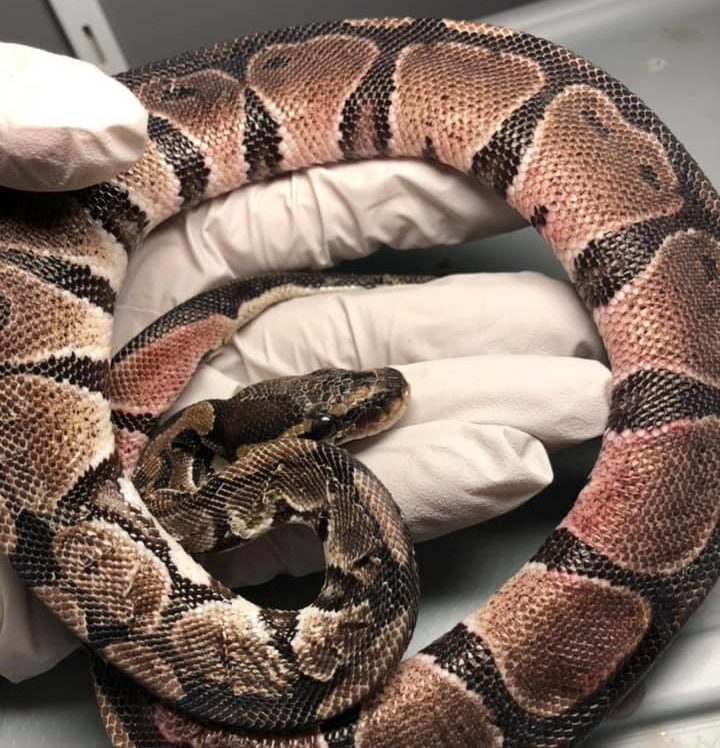
Common conditions that cause reptile skin discoloration
Below are typical problems you may see. Each has clear signs and usual remedies.
- Shedding issues (dysecdysis)
- Signs: Retained skin, dull color, eye caps, stuck tail pieces.
- Fix: Boost humidity, provide a moist hide, soak gently, and correct husbandry.
- Scale rot and bacterial dermatitis
- Signs: Soft, dark, or sunken scales, wet patches, bad smell.
- Fix: Clean habitat, topical or systemic antibiotics per vet guidance.
- Fungal infection
- Signs: Powdery white areas, then darker patches, may flake.
- Fix: Antifungal meds and improved hygiene.
- Thermal burns
- Signs: Pale white, then dark or necrotic spots at hot-spot contact points.
- Fix: Immediate vet care; adjust heat sources and use guards.
- Parasites and mites
- Signs: Tiny moving dots, itching, patchy color.
- Fix: Topical treatments and cage cleaning.
- Nutritional deficiencies
- Signs: Dull colors, poor growth, abnormal shedding.
- Fix: Balanced diet, supplements, and vet advice.
- Color morphs and age-related change
- Signs: Gradual, symmetric shifts with normal behavior.
- Fix: Monitor; no treatment needed unless other signs appear.
From my own practice, a bearded dragon with a stained, bronze belly turned out to have scale rot. Early cleaning and a vet-prescribed antibiotic cleared it in weeks.

Treatment and home care steps you can take now
If you find reptile skin discoloration, act fast and calmly. Here are practical steps to follow at home.
- Isolate the animal if others are in the same enclosure.
- Improve humidity or provide a moist hide for shedding problems.
- Clean the enclosure and remove soiled substrate and decor.
- Offer clean water and ensure proper basking temperatures and gradients.
- Gently soak the reptile in lukewarm water for 10–15 minutes if stuck shed is present.
- Apply vet-recommended topical treatments only after guidance.
- Avoid home antibiotics without a vet prescription.
Keep a log of changes and take photos. This helps track progress and assists the vet.

Prevention: husbandry and routine checks
Good daily care reduces the risk of reptile skin discoloration. Small habits go a long way.
- Provide proper heat gradients and hide spots for thermoregulation.
- Maintain humidity suited to the species with regular monitoring.
- Use appropriate substrate to reduce abrasions and infection risk.
- Clean the enclosure regularly and disinfect when needed.
- Feed a balanced diet with varied nutrients and supplements correctly.
- Perform weekly skin and behavior checks to catch changes early.
- Quarantine new animals for at least 30 days before introducing them.
Routine care is the best defense. I have seen many preventable skin issues cured by simple husbandry fixes.

When to see a vet and what to expect
Seek veterinary help when discoloration is fast, smelly, or paired with other symptoms. Here is when to go now.
- Open sores, bleeding, or crusting patches.
- Lethargy, loss of appetite, or weight loss.
- Areas that feel soft or sunken to touch.
- Rapid spread of dark or bright patches.
At the clinic expect exam, tests, and a treatment plan. Follow-up visits are often needed. Early vet care lowers risk of complications and long-term damage.

My experience and lessons learned
I once treated a corn snake with patchy dark scales. The owner had tried home remedies for weeks. After a vet exam we found a mild bacterial infection and corrected the humid levels. The snake healed in three weeks. The key lessons I learned are simple and useful.
- Don’t delay vet care when the reptile’s behavior changes.
- Fix the habitat first; many issues start with poor husbandry.
- Use clear records and photos to track progress.
- When in doubt, consult an experienced reptile vet.
These small steps reduce stress for your pet and save money on long treatments.
Practical checklist for addressing reptile skin discoloration
Use this checklist when you notice any discoloration.
- Observe behavior, appetite, and activity levels.
- Take clear photos from multiple angles and dates.
- Check enclosure temperature and humidity right away.
- Isolate the animal from others if you suspect infection.
- Clean or replace substrate and disinfect surfaces.
- Schedule a vet appointment if signs are severe or worsen.
This routine will help you respond quickly and correctly.
Frequently Asked Questions about reptile skin discoloration
What does sudden darkening of reptile skin mean?
Sudden darkening can mean stress, overheating, or infection. Check temperature, behavior, and for wounds. If it spreads fast, see a vet.
Can poor humidity cause skin discoloration?
Yes. Low or high humidity can cause stuck sheds and patchy skin. Correcting humidity often clears mild cases.
Is discoloration always a sign of disease?
No. Some color changes are natural due to age, breeding, or mood. Watch for other signs like appetite loss to tell the difference.
How do I clean a wound on my reptile?
Gently rinse with sterile saline and keep the area dry. Seek vet help for deep or infected wounds before applying medications.
How long does treatment take for skin infection?
Treatment time varies, but many infections improve in 1–4 weeks with proper care. Follow your vet’s full course of treatment to prevent relapse.
Can mites cause long-term discoloration?
Mites can cause ongoing irritation and color changes if not treated. Proper cleaning and treatment usually resolve the issue quickly.
Conclusion
Reptile skin discoloration is a common issue that ranges from harmless color shifts to serious infections. Watch your pet closely, fix habitat problems, and get veterinary help for rapid or severe changes. Take action early, keep clear records, and improve daily care to prevent most problems. If you found this useful, try the checklist, keep notes and photos, and consider subscribing for more reptile care tips. Leave a comment with your questions or share your experience so others can learn.
