
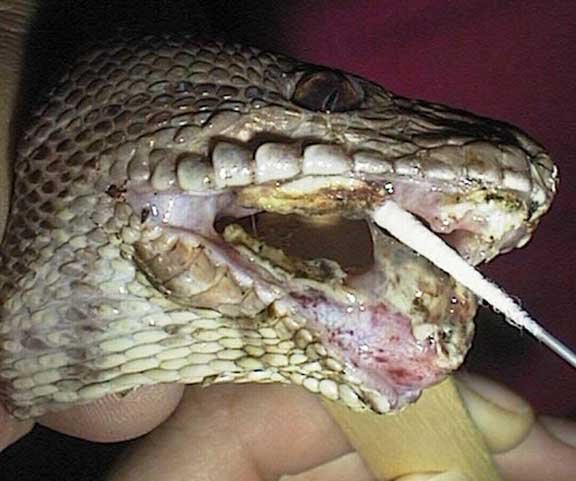
Stressed reptiles show changes in behavior, appetite, posture, color, and activity.
I have worked with many reptile owners and vets. I know reptile stress symptoms well from years of care and observation. This guide explains common signs, causes, and easy fixes. Read on to spot stress early and help your reptile live calm, healthy days.

Common reptile stress symptoms
Reptile stress symptoms often show as clear changes in behavior and body. Watch closely for these signs so you can act fast.
- Loss of appetite: Eats less or refuses food for days.
- Hiding constantly: Stays in hide and avoids normal activity.
- Glass surfing: Repeated pacing or climbing the enclosure walls.
- Aggression: Biting or striking when usually calm.
- Lethargy: Moves slowly or stays in one spot for long periods.
- Weight loss: Noticeable drop on the scale over weeks.
- Color change: Darker or dull skin, or abnormal patterns.
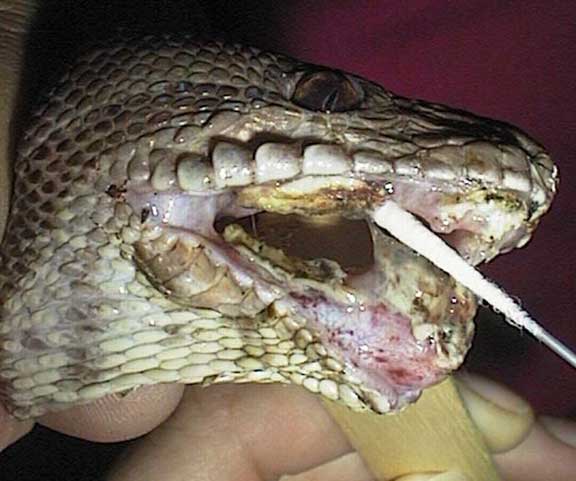
- Respiratory changes: Open-mouth breathing or wheeze-like sounds.
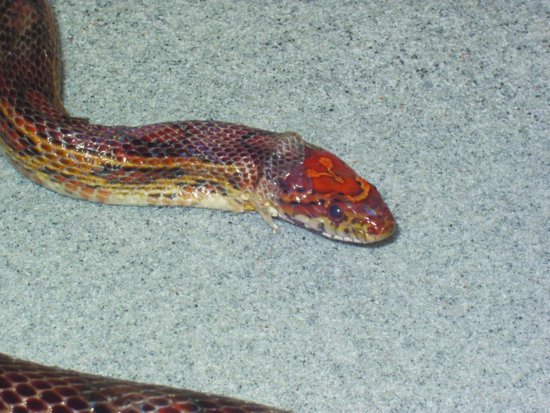
- Shed problems: Incomplete sheds or stuck eye caps.
- Twitching or tremors: Rapid small movements or spasms.
I use a daily note sheet for my animals. Tracking small shifts helped me catch stress early and avoid illness.

Causes and triggers of stress
Many things cause reptile stress symptoms. Often several factors add up.
- Wrong temperature: No warm basking spot or incorrect gradient.
- Low or high humidity: Problems with shedding or breathing follow.
- Poor diet: Wrong food, size, or feeding schedule causes stress.
- Rough handling: Too much or improper handling scares reptiles.
- New environment: Moving to a new tank or home causes anxiety.
- Poor enclosure design: Lacks hides, wrong substrate, or little space.
- Loud noise and vibration: Continuous noise raises stress levels.
- Tank mates and overcrowding: Aggression or competition increases stress.
- Illness and parasites: Infections or mites cause visible stress signs.
Studies show that environmental stressors rapidly change behavior and health in reptiles. Fixing the environment often clears many reptile stress symptoms.
How to spot subtle signs early
Early detection stops small problems from turning serious. Use simple checks to find reptile stress symptoms before they worsen.
- Daily visual checks: Look for posture, color, and movement changes.
- Weigh weekly: A simple scale shows slow weight loss fast.
- Note appetite: Record each feeding and how much was eaten.
- Watch sleep and wake times: Changes can mean trouble.
- Use video: A short clip shows behavior when you are away.
I once missed a slow weight loss for two weeks. After I tracked weight and feeding, I found the heat lamp had a bad bulb. Fixing it stopped the reptile stress symptoms quickly. Small habits prevent big issues.
Immediate steps to help a stressed reptile
Act quickly when you see reptile stress symptoms. These steps help most animals right away.
- Reduce handling and noise. Give quiet time for one to three days.
- Check temperatures and humidity. Restore proper basking and cool zones.
- Provide hiding spots. Add hides at both warm and cool ends.
- Offer fresh water and appropriate food. Warm prey or soak veggies if needed.
- Check for visible injuries or parasites. Look for mites, cuts, or swelling.
- Call a reptile-savvy vet if breathing problems, severe weight loss, or blood appear.
Keep actions calm and steady. Quick fixes to the environment stop many reptile stress symptoms without medicine.
Long-term management and prevention
Preventing stress is easier than treating it. A stable setup cuts the chance of reptile stress symptoms.
- Stable heat gradient: Use a reliable thermostat and two thermometers.
- Proper humidity: Monitor with a hygrometer and adjust daily.
- Good diet plan: Feed age- and species-appropriate foods on a regular schedule.
- Enclosure enrichment: Add branches, hides, and safe textures.
- Routine cleaning: Regular spot cleaning and monthly deep clean.
- Quarantine new animals: Keep new reptiles separate for at least 30 days.
- Predictable routine: Feed and handle on a schedule that fits the species.
A steady routine reduces fear. Over time, your reptile will show fewer stress signs and more normal behavior.
Handling, transport, and enrichment tips
How you hold and move your reptile changes stress levels. Follow these tips to cut stress during interaction.
- Gentle handling: Support the body and avoid quick moves.
- Short first sessions: Start with a few minutes and build up slowly.
- Use a secure carrier: For trips, use a padded, ventilated carrier.
- Pre-trip prep: Keep the carrier familiar by placing it near the enclosure days before travel.
- Enrichment sessions: Offer supervised foraging and scent games to engage them.
Good handling lowers the chance of stress-related illness. The right carrier and calm voice help reduce reptile stress symptoms during travel.

When to see a vet
Some signs need prompt professional help. Know the red flags for vet visits related to reptile stress symptoms.
- Open-mouth breathing or constant wheeze: Could signal a serious respiratory issue.
- No food for two or more weeks: Especially in adults losing weight.
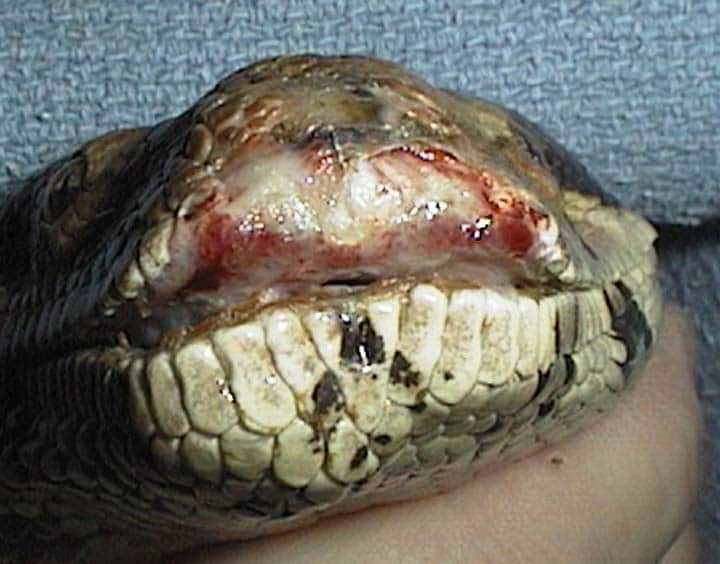
- Visible bleeding, severe swelling, or wounds: Risk of infection or shock.
- Seizures, loss of righting reflex, or repeated tremors: Urgent neurological concern.
- Parasite infestations or persistent abnormal sheds: May require treatment.
Fast vet care can save lives. If in doubt, call a reptile vet and describe the reptile stress symptoms you see.

Frequently Asked Questions of reptile stress symptoms
What are the most common reptile stress symptoms?
Common signs include loss of appetite, hiding, glass surfing, color change, and lethargy. These often point to environmental or health problems.
How long does stress last in reptiles?
Stress can last hours to weeks depending on the cause and fixes. Quick habitat fixes often reduce stress in days, while health issues need vet care.
Can handling cause reptile stress symptoms?
Yes. Too much or rough handling can cause hiding, refusal to eat, or aggression. Always learn species-specific handling and limit sessions.
Will changing the enclosure reduce stress quickly?
Fixing temperature, humidity, and adding hides often reduces stress within days. Long-term trust takes weeks of consistent care.
Are there signs that always mean sickness not stress?
Open-mouth breathing, blood, seizures, and severe weight loss usually indicate illness. These signs need immediate vet attention.
How can I monitor stress without stressing my pet more?
Use remote video, brief visual checks, and a scale for weight. These quick methods give info without extra handling.
Conclusion
Reptile stress symptoms are common and often fixable with prompt care. Watch appetite, behavior, color, and activity closely. Start with habitat checks, reduce handling, and seek vet help for red flags. Small daily habits and steady routines prevent many problems and help reptiles thrive. Try one change this week: check temperatures and add a new hide. Share your experience or questions below to learn from other keepers and improve your reptile’s life.
