
Best reptile substrate habitat keeps moisture balanced, supports burrowing, controls odor, and is species-appropriate.
I have kept and built enclosures for snakes, lizards, and tortoises for over a decade. I know how the right reptile substrate habitat affects behavior, health, and cleaning time. This guide explains options, setup, care, and risks. Read on for clear, tested advice you can use today.

Why the right substrate matters
A good reptile substrate habitat does more than look nice. It helps control humidity. It cushions feet and bellies. It lets burrowers dig and hide. It also affects shed quality and bacterial growth.
I once switched a leopard gecko from cheap sand to a safe mix. The change cut shedding problems and reduced eye irritation. Small switches like that show how a proper reptile substrate habitat improves life for your pet.

Common substrate types and when to use them
Choose substrate by species needs. Below are safe, common options and their best uses.
- Aspen shavings: Good for many snakes and lizards that need dry conditions. Easy to clean and low dust.
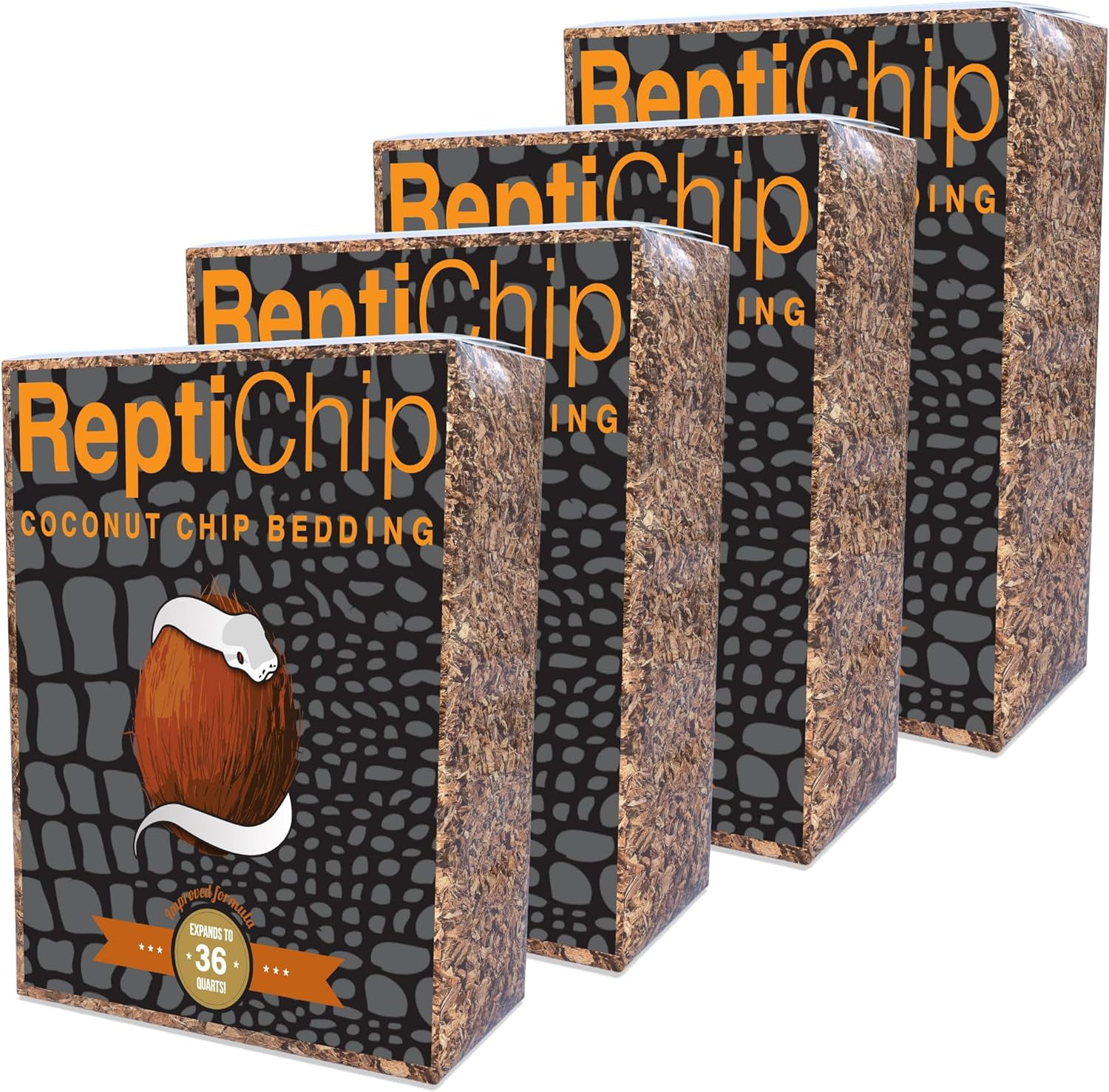
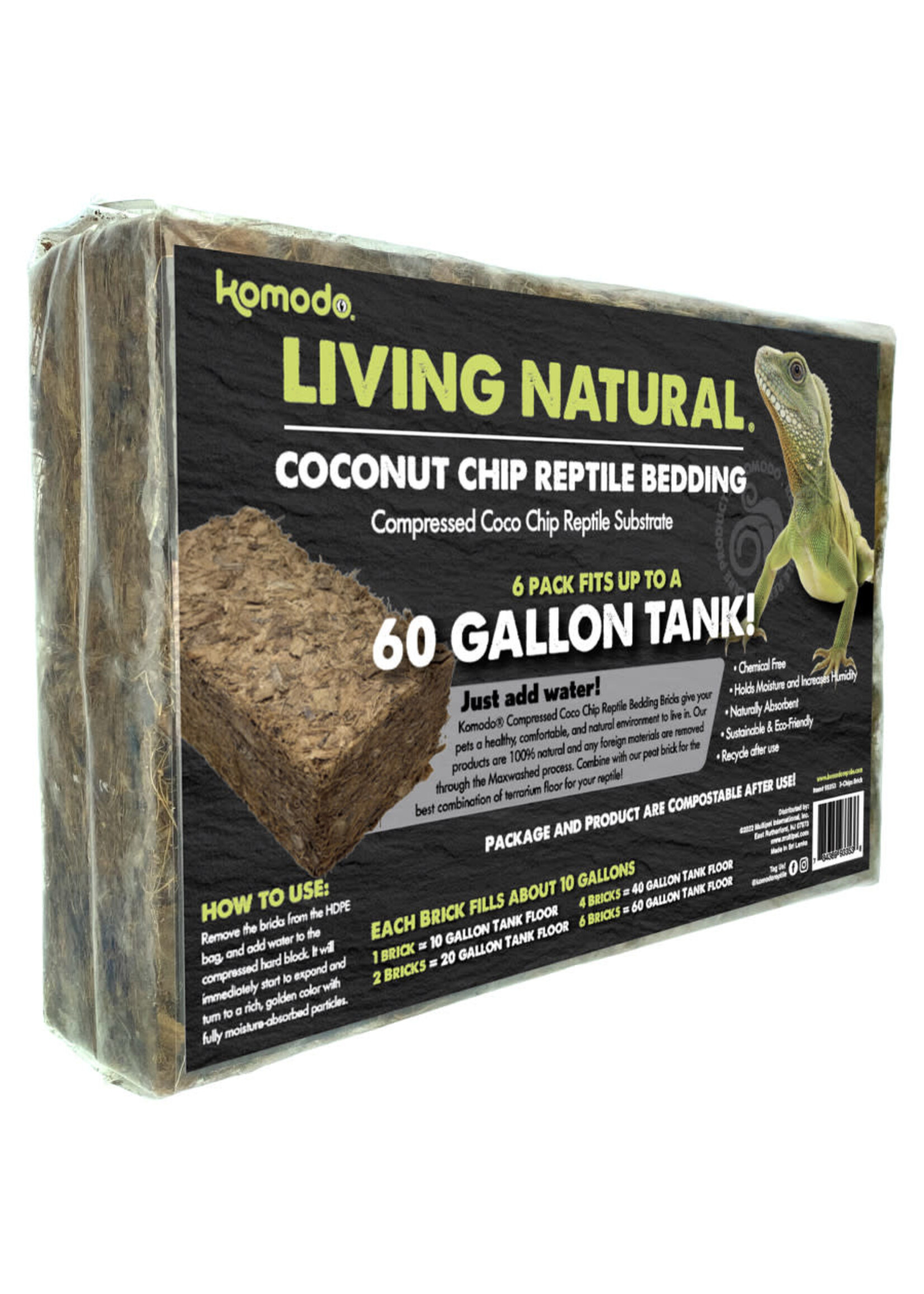
- Coconut fiber (coir): Holds moisture well. Good for tropical reptiles and humid bioactive setups.
- Eco earth: A processed form of coconut fiber. Great for burrowers and humidity control.
- Reptile carpet: Reusable and simple. Works for snakes and some lizards that don’t need digging.
- Paper towels or butcher paper: Best for quarantine, babies, and sick animals. Cheap and sanitary.
- Sphagnum moss: Use as a humidity spot or under hides for moisture-loving species.
- Calcium sand and fine sands: Avoid for most lizards. Can cause impaction if ingested.
- Topsoil mixes: Use sterilized, pesticide-free topsoil for tortoises or bioactive setups with caution.
Every substrate choice changes the overall reptile substrate habitat feel. Match texture, depth, and moisture needs to species behavior.

How to choose substrate for your species
Selecting substrate means asking three questions. What does the animal need for humidity? Does it burrow? Could it ingest substrate?
- For desert species:
- Choose dry, low-moisture substrate like aspen.
- Keep shallow depth unless the species burrows.
- For tropical species:
- Use coir or eco earth to maintain higher humidity.
- Add sphagnum moss under hides for micro-humidity zones.
- For burrowers:
- Provide deep substrate, at least several inches.
- Ensure substrate holds tunnels without collapsing.
- For hatchlings and juveniles:
- Use paper towels or a thin layer of safe substrate.
- Avoid loose substrates that can be accidentally eaten.
My bearded dragon once ate substrate when stressed. Switching to reptile carpet and adding soil-free digs reduced that risk. These practical points will help you fine-tune the reptile substrate habitat.

Depth, layering, and habitat layout
Depth matters. Layering helps drainage. Layout matters for behavior and cleaning.
- Depth guidelines:
- Snakes: 1–3 inches for many species, deeper for burrowers.
- Geckos: 0.5–2 inches depending on species.
- Tortoises: 2–6 inches for digging and thermoregulation.
- Layering for drainage:
- Bottom layer: drainage material like pebbles or hydro balls in deep setups.
- Middle layer: mesh barrier to prevent mixing.
- Top layer: chosen substrate such as coir or soil mix.
- Layout tips:
- Keep dry and humid zones separate.
- Place hides on both warm and cool sides.
- Add substrate-free spots for easy cleaning and feeding.
A stable layout creates a predictable reptile substrate habitat. That predictability reduces stress and improves feeding.

Cleaning and maintenance best practices
Good maintenance keeps the habitat safe. Clean regularly and monitor humidity.
- Daily tasks:
- Remove visible waste.
- Spot-clean wet spots.
- Check humidity and temperature.
- Weekly tasks:
- Stir or turn substrate to prevent mold.
- Replace small contaminated patches.
- Monthly tasks:
- Replace portions of substrate depending on type and use.
- Deep clean and sanitize the enclosure every 1–3 months.
- Tips to reduce odor and mold:
- Avoid over-wetting the substrate.
- Use substrate depth that allows airflow.
- Remove uneaten food promptly.
In one enclosure, I tested weekly turning of coir. It reduced mold growth and kept the reptile substrate habitat healthier between full changes.
Health risks and how to avoid them
Substrate can be a risk factor for impaction, mites, and bacteria. Know the signs and prevent problems.
- Impaction:
- Caused by ingestion of loose substrate.
- Signs include lack of appetite and lethargy.
- Use non-ingestible substrates for species prone to eating substrate.
- Respiratory infections:
- Caused by high humidity and poor ventilation.
- Keep humidity in species-specific ranges.
- Parasites and mites:
- Quarantine new animals.
- Use clean, sterilized substrate when needed.
- Mold and bacterial growth:
- Control moisture and replace soiled substrate quickly.
I treated a snake for mild respiratory stress after its substrate stayed damp too long. Changing to a drier substrate and improving airflow resolved the issue. Quick action keeps a reptile substrate habitat safe.
Creating a bioactive reptile substrate habitat
Bioactive setups mimic nature. They use live substrate, plants, and cleanup crews.
- Key components:
- Sterilized soil or coir base.
- Leaf litter and small plants.
- Clean-up crew like springtails and isopods.
- A drainage layer to avoid waterlogging.
- Benefits:
- Natural decomposition reduces waste.
- Stable humidity and microclimates.
- Enrichment for the animal.
- Considerations:
- Not all reptiles tolerate live plants.
- Monitor for pests and mold.
- Start small and observe animal behavior.
I started one bioactive tank for a crested gecko. The gecko used plants for hiding and the cleanup crew kept waste low. It takes setup time, but the rewards are worth it for many species.

DIY substrate mixes and recipes
You can make safe blends that match species needs. Keep ingredients simple and clean.
- Tropical mix (for humidity lovers):
- 60% coir or eco earth.
- 20% organic topsoil (no fertilizers).
- 20% orchid bark or sphagnum for aeration.
- Desert mix (for arid species):
- 80% aspen shavings or reptile sand alternative.
- 20% fine gravel under a mesh for drainage.
- Tortoise mix:
- 50% topsoil.
- 30% play sand.
- 20% compost or coconut fiber for structure.
Always sterilize mixes when possible by baking or steaming to kill pests. Test small batches before committing to a full reptile substrate habitat change.

Buying tips and budget considerations
Good substrate does not have to be expensive. Buy smart and plan for replacement.
- Buy in bulk for savings when you know what works.
- Check for dust-free and pesticide-free labels.
- Consider cost per month, not just per bag.
- Reusable options like reptile carpet can save money long-term.
I switched brands after seeing heavy dust in store-bought bags. Spending a bit more on quality saved me vet trips and extra cleaning.
Signs your substrate needs changing
Watch your animal and the substrate itself. Replace when needed.
- Foul odor even after spot cleaning.
- Persistent mold or visible fungal growth.
- Increased mites or parasite signs.
- Animal behavior changes like digging less or refusing food.
Changing substrate at the right time keeps the reptile substrate habitat healthy and stress-free.
Practical checklist for setup
Follow this checklist when building or changing a habitat.
- Research species humidity and burrowing needs.
- Choose substrate that matches those needs.
- Decide depth and layering plan.
- Add hides, water dish, and heating elements.
- Monitor conditions for a week and adjust.
- Keep a maintenance schedule for cleaning.
This simple plan helps you build a lasting reptile substrate habitat with fewer mistakes.
Frequently Asked Questions of reptile substrate habitat
What is the best substrate for a bearded dragon?
Bearded dragons do well on reptile carpet, tile, or shallow aspen. These options reduce impaction risk and are easy to clean.
Can I use sand for my reptile substrate habitat?
Avoid loose sand for many lizards because it can cause impaction. Use specially formulated sands or alternatives instead.
How often should I replace the substrate?
Spot-clean daily and replace portions monthly. Full substrate changes depend on type and animal but often occur every 3–6 months.
Is coconut fiber safe for all reptiles?
Coconut fiber is safe for many species, especially tropical ones. Avoid for species that may ingest loose fibers or for those needing very dry conditions.
How do I control humidity without over-wetting substrate?
Use humidity hides, sphagnum under hides, and automated misting if needed. Measure with a hygrometer and avoid soaking the substrate.
Can I mix substrates to get the best features?
Yes. Mixing coir with bark or soil with sand can balance moisture and structure. Always test mixes for drainage and safety first.
Should I quarantine new plants or substrate?
Yes. Quarantine new items to watch for pests or mold. Rinse and sterilize when possible before adding to the habitat.
Conclusion
Choosing the right substrate shapes your pet’s comfort, health, and behavior. A well-planned reptile substrate habitat supports natural behaviors, reduces disease risk, and makes care easier. Start by matching substrate type, depth, and humidity to your species. Test small changes, observe your animal, and adjust as needed. Take action today: audit your enclosure, try one small improvement, and share what works in the comments or subscribe for more care guides.
