
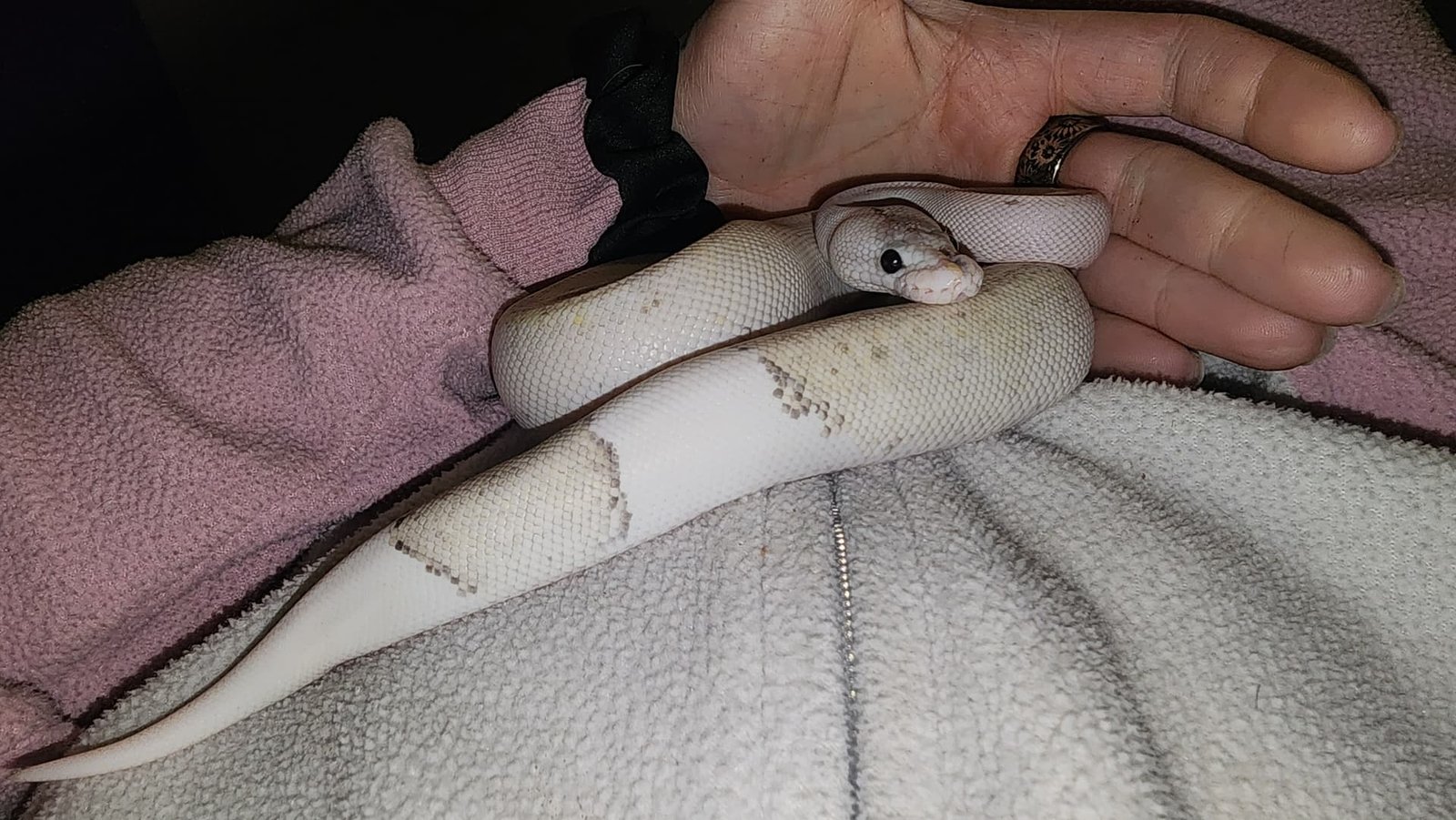
Reptile sudden death often results from hidden illness, poor husbandry, or sudden shock.
I write about reptile sudden death from years of experience keeping and caring for snakes, lizards, and turtles, and from working closely with vets and reptile rescue groups. This article explains why reptiles can die suddenly, how to spot risks early, what to do in an emergency, and practical steps to prevent loss. I blend hands-on stories, vet-backed reasoning, and clear checklists so you can protect your animals and respond with confidence.
Common causes of reptile sudden death
Reptile sudden death has many causes. Some are medical. Some are environmental. Many are preventable with good care.
Common medical causes
- Infectious disease such as bacterial pneumonia or paramyxovirus can cause rapid decline and sudden death.
- Parasite overload in the gut or blood can weaken a reptile quickly.
- Toxins and envenomation can act fast and lead to sudden collapse.
Environmental and husbandry causes
- Heat stress or improper temperatures cause shock and organ failure.
- Severe dehydration leads to renal failure and sudden death.
- Poor ventilation or toxic substrates increase risk dramatically.
Trauma and acute events
- Sudden trauma from falls or cage accidents can cause internal injuries and sudden death.
- Cardiac events or sudden respiratory failure occur in older or stressed animals.
I’ve seen reptiles that seemed healthy one day, and within 24 hours they had succumbed due to an unnoticed respiratory infection. That is the reality of reptile sudden death — quick and often silent. Use regular checks to reduce risk.
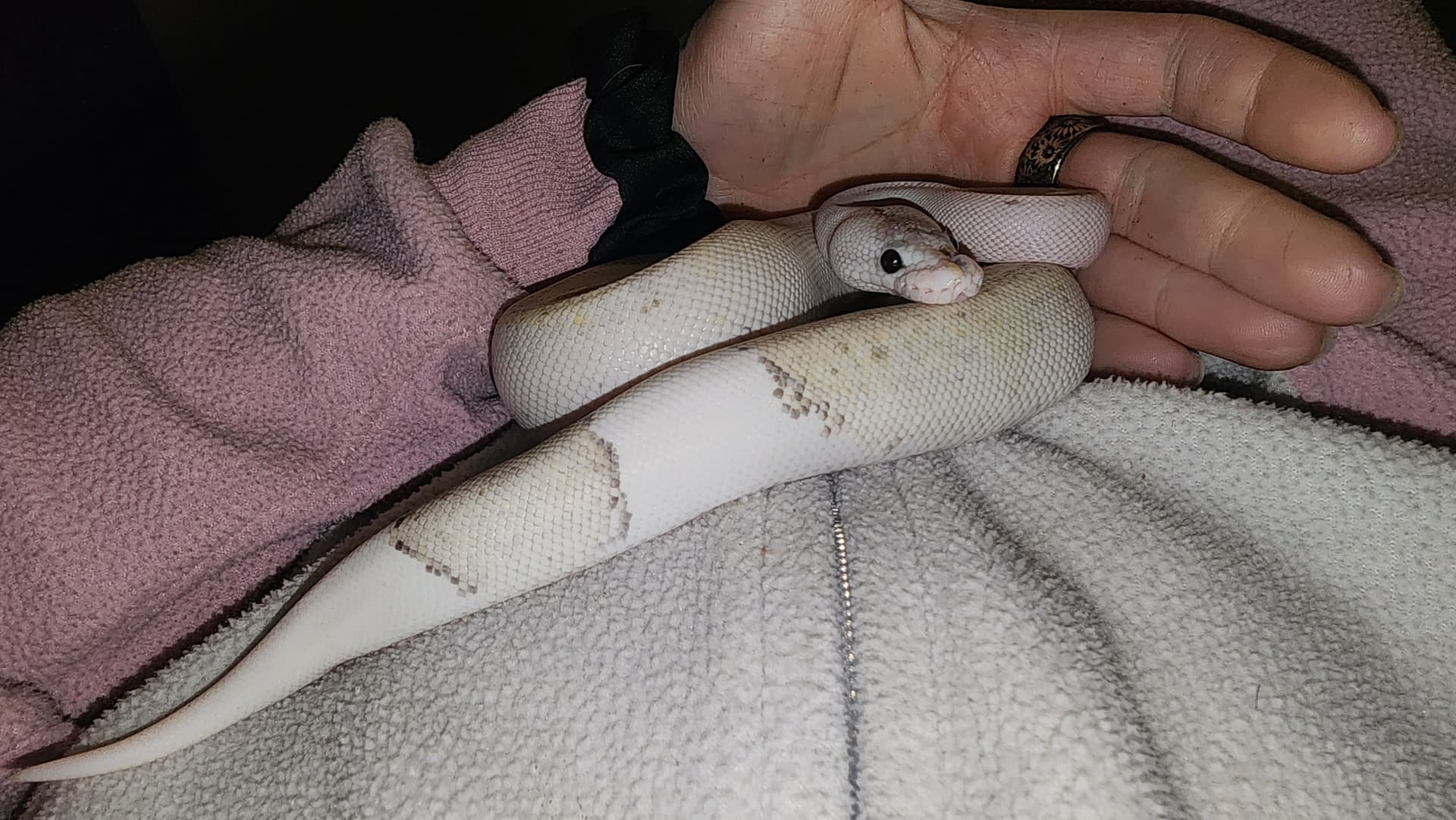
Recognizing early warning signs before sudden death
Catching warning signs early can prevent many cases of reptile sudden death. Watch behavior, appetite, and posture.
Key signs to monitor
- Loss of appetite or refusal to eat for several feedings.
- Lethargy, hiding more than usual, or unusual aggression.
- Labored breathing, open-mouth breathing, or wheezing sounds.
Subtle physical clues
- Weight loss, sunken eyes, or dry, flaky skin.
- Discolored feces or diarrhea indicating internal problems.
- Swollen limbs or mouth indicating infection or abscess.
Small changes add up. A reptile that breathes a little heavier over several days can be on a fast path toward severe disease and reptile sudden death. Seek help early.

Species and risk factors for sudden death
Risk varies by species and life stage. Hatchlings and elderly reptiles face higher risk of reptile sudden death.
High-risk groups
- Young animals have immature immune systems and can decline quickly.
- Older reptiles develop chronic organ problems and heart disease.
- Species with specific habitat needs, like amphibious turtles, are sensitive to poor water quality.
Common species examples
- Bearded dragons can suffer impaction and metabolic bone disease that escalate rapidly.
- Snakes often show few symptoms before fatal organ failure from undetected infections.
- Turtles and tortoises are prone to severe shell or respiratory infections when husbandry lapses occur.
Knowing your species’ specific needs helps you reduce the chance of reptile sudden death. Tailor care to life stage and species requirements.

Preventive husbandry checklist to reduce sudden death risk
Good husbandry is the single best defense against reptile sudden death. Use this checklist as a routine.
Daily items
- Check temperature gradients and maintain correct basking and cool zones.
- Provide fresh water and monitor drinking and soaking behavior.
- Observe feeding response and note any changes.
Weekly and monthly tasks
- Clean the enclosure and remove waste to prevent infections.
- Weigh your reptile weekly to track weight loss early.
- Replace light bulbs and UV sources on schedule.
Health maintenance
- Schedule regular vet check-ups for fecal tests and basic exams.
- Quarantine new animals for at least 30 days before introduction.
- Maintain good records of feeding, shedding, and behavior for trends.
I recommend simple logs. I log weight and appetite weekly. That record helped me catch a creeping infection before it led to reptile sudden death.

Emergency steps when you find a reptile dying or dead
When a reptile is unresponsive, act quickly but calmly. Fast action can save a life.
If the reptile is alive but weak
- Move the animal to a warm, quiet place with proper temperature support.
- Offer gentle fluids if trained to provide subcutaneous fluids, or seek vet help immediately.
- Avoid handling more than necessary; minimize stress and transport to a vet.
If the animal is dead
- Note the time and any recent changes you observed.
- Keep the body chilled but do not freeze; this helps if a necropsy is needed.
- Contact your veterinarian for advice on necropsy or safe disposal.
After an emergency, review husbandry and recent changes. Many cases of reptile sudden death follow a subtle husbandry lapse.

Diagnosis, necropsy, and veterinary care
Understanding cause helps prevent future losses. A veterinary exam is the right next step for puzzling or multiple deaths of reptile sudden death in a collection.
Diagnostic steps vets use
- Physical exam, blood tests, and fecal parasite screening.
- Radiographs to check for trauma, impaction, or organ changes.
- Bacterial cultures and viral testing when infectious disease is suspected.
Necropsy value
- A necropsy pinpoints causes like organ failure, toxin exposure, or hidden infections.
- It can reveal contagious diseases that require quarantine or reporting.
- Consider necropsy if you manage a breeding group or multiple deaths occur.
I have coordinated necropsies twice. Each result led to changes in cleaning, quarantine, and diet that prevented further reptile sudden death in our collection.

Practical prevention plan you can implement today
A short, practical plan reduces the chance of reptile sudden death. Start with these steps.
Immediate actions
- Check your reptile’s enclosure temperatures and humidity now.
- Ensure fresh water is available and clean the water source daily.
- Weigh your reptile weekly and track appetite.
Short-term changes
- Replace worn UV bulbs and check timers.
- Quarantine and screen new animals before mixing groups.
- Schedule a vet exam for any animal that shows changes for two or more feedings.
Long-term habits
- Keep simple records of health and husbandry.
- Build a relationship with an experienced reptile vet.
- Educate household members about handling and emergency steps.
Small habits prevent many severe problems. In my experience, consistent checks and logs stopped one recurring case of dehydration that previously caused reptile sudden death.

Frequently Asked Questions of reptile sudden death
What immediate steps should I take when my reptile is unresponsive?
Move the reptile to a warm, quiet place, avoid excessive handling, and contact a reptile-experienced vet right away. If trained, provide emergency fluids only under veterinary guidance.
Can poor temperature alone cause reptile sudden death?
Yes. Too-low or too-high temperatures disrupt digestion, immune function, and can cause shock, all leading to sudden death if uncorrected.
Are contagious diseases often responsible for reptile sudden death?
Some contagious diseases, like severe viral or bacterial infections, can cause sudden death and pose risks to other reptiles, so quarantine and vet testing are crucial.
Is necropsy necessary after unexpected reptile sudden death?
Necropsy is strongly recommended for unexplained deaths, especially in collections, because it can reveal causes that prevent more losses.
How can I reduce the chance of reptile sudden death in hatchlings?
Provide stable temperatures, proper humidity, clean enclosures, and frequent monitoring. Hatchlings need closer observation and faster veterinary attention for small changes.
Conclusion
Reptile sudden death is frightening but often preventable. Regular checks, correct temperatures, clean housing, quarantine of newcomers, and quick vet care greatly reduce risk. Start a simple care log today, learn your species’ needs, and build a relationship with a reptile vet to keep your animals safe. If you found this helpful, subscribe for more reptile care guides, share your experience in the comments, or reach out with questions.
