
A proper reptile terrarium setup keeps animals healthy, warm, and stress-free.
I have set up dozens of enclosures for bearded dragons, geckos, and snakes. This guide will walk you through every step of reptile terrarium setup with clear tips and real-world advice. Expect checklists, mistakes to avoid, and ways to make your pet thrive.
Choose the right enclosure and size for your reptile terrarium setup
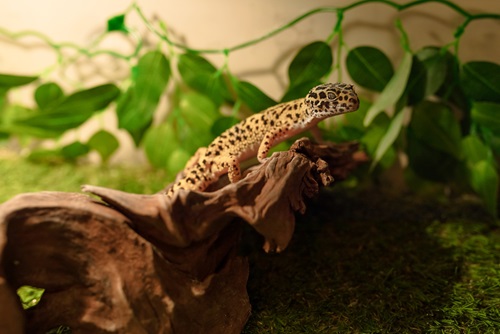
Choosing the right tank is the first step in any reptile terrarium setup. Size matters for comfort, activity, and growth. A too-small terrarium causes stress and poor health in most reptiles.
Common enclosure types include glass aquariums, PVC terrariums, and custom wooden cages with screen tops. Match the species needs: arboreal reptiles need height, terrestrial ones need floor space. Consider future growth when you buy the tank.
Placement matters. Keep the terrarium away from direct drafts and windows that change temperature wildly. Place near an outlet for lights and heat, but not where pets or kids can knock it over.

Essential equipment for a safe reptile terrarium setup
A safe reptile terrarium setup needs reliable gear. Focus on heating, lighting, substrate, hiding spots, and water.
Key items to buy:
- Thermostat to control heat precisely.
- UVB light for day-active species.
- Ceramic heat emitter or heat mat as needed.
- Hygrometer and thermometer for readings.
- Sturdy hides, branches, and water bowl.
I learned early to never rely on the lamp switch alone. A thermostat saved a bearded dragon during a power issue. Good gear prevents big risks.

Heating and lighting: how to balance temperature in your reptile terrarium setup
Heat and light shape reptile health. Create a thermal gradient in any reptile terrarium setup so the animal can move between warm and cool zones.
How to set it up:
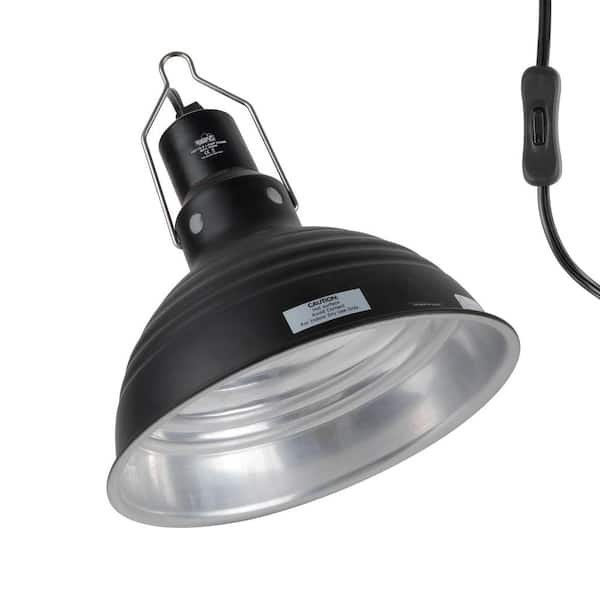
- Warm side: install a basking bulb or heat lamp at one end.
- Cool side: leave the other end without direct heat.
- Night: use a ceramic heat emitter if nights are cold.
UVB is crucial for many species to make vitamin D and process calcium. Use a UVB tube that matches your reptile’s needs and replace it every 6 to 12 months. Test temperatures often, as bulbs and mats can change output.

Substrate, decor, and layout for an inviting reptile terrarium setup
The right ground cover helps with comfort and hygiene. Choose substrate that fits the reptile’s habits and size.
Substrate options:
- Paper towels or reptile carpet for hatchlings and humid species.
- Coconut fiber or soil mixes for burrowers.
- Sand mixes only for species that do well on sand and with proper diet control.
Decor tips:
- Provide at least two hides: one on warm side, one on cool side.
- Add branches and low platforms for climbing species.
- Use non-toxic plants, live or fake, for shelter and humidity control.
I once used a deep soil mix for a leopard gecko that liked burrowing. It cut down on stress and improved feeding response. Tailor the layout to natural behavior.
Humidity and ventilation strategies for a healthy reptile terrarium setup
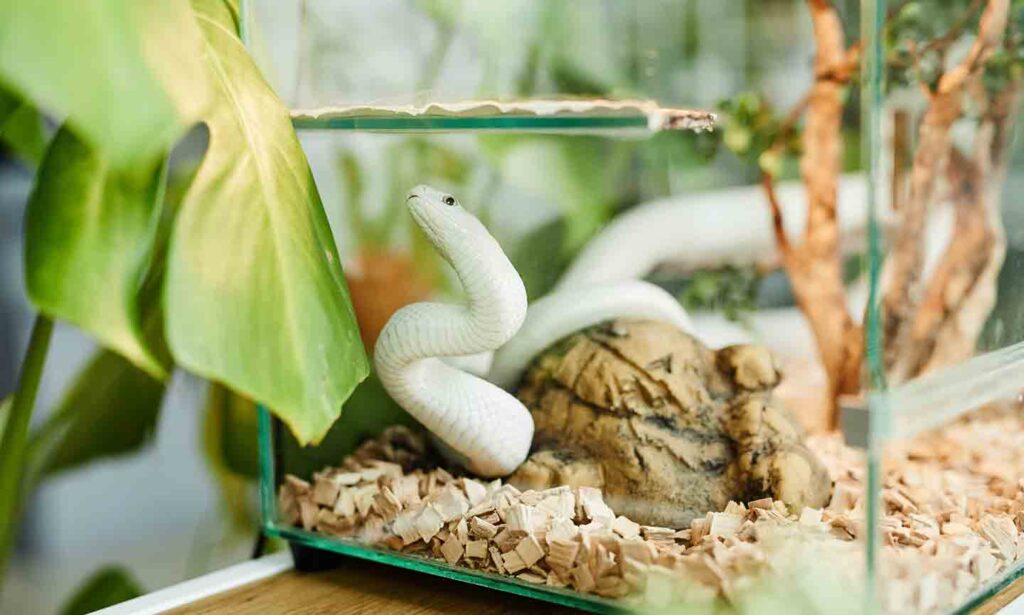
Humidity keeps the skin and breathing healthy. Balance is key: too dry can stop shedding, too wet can cause infections.
Manage humidity with:
- A hygrometer to read levels daily.
- Misting routines or automated misters for high-humidity species.
- Damp hides for shedding support.
- Proper ventilation to avoid mold and high ammonia.
Watch your reptile’s skin and droppings for signs of poor humidity. Adjust slowly to avoid shocking your pet.

Feeding, water, and nutrition in a reptile terrarium setup
Feeding changes with species, age, and season. Offer a balanced diet and fresh water in every reptile terrarium setup.
- Insectivores need gut-loaded insects and calcium dust.
- Herbivores need varied greens and occasional supplements.
- Carnivores may need pre-killed prey sized correctly.
Use a shallow, stable water dish and change water daily. Monitor appetite as a sign of health. I once adjusted feeding times for a crested gecko and saw activity rise within days.

Cleaning and maintenance routines for long-term reptile terrarium setup health
A clean terrarium prevents disease and keeps your pet happy. Set a routine and stick to it.
Daily tasks:
- Remove feces and uneaten food.
- Refill water and spot-clean substrate.
Weekly tasks:
- Clean and disinfect water dishes and hide boxes.
- Check bulbs, thermostats, and under-tank heaters.
Monthly tasks:
- Deep clean the whole enclosure and replace substrate as needed. Use reptile-safe cleaners and rinse well. Regular checks cut down on vet trips and stress.
Common mistakes and troubleshooting in reptile terrarium setup
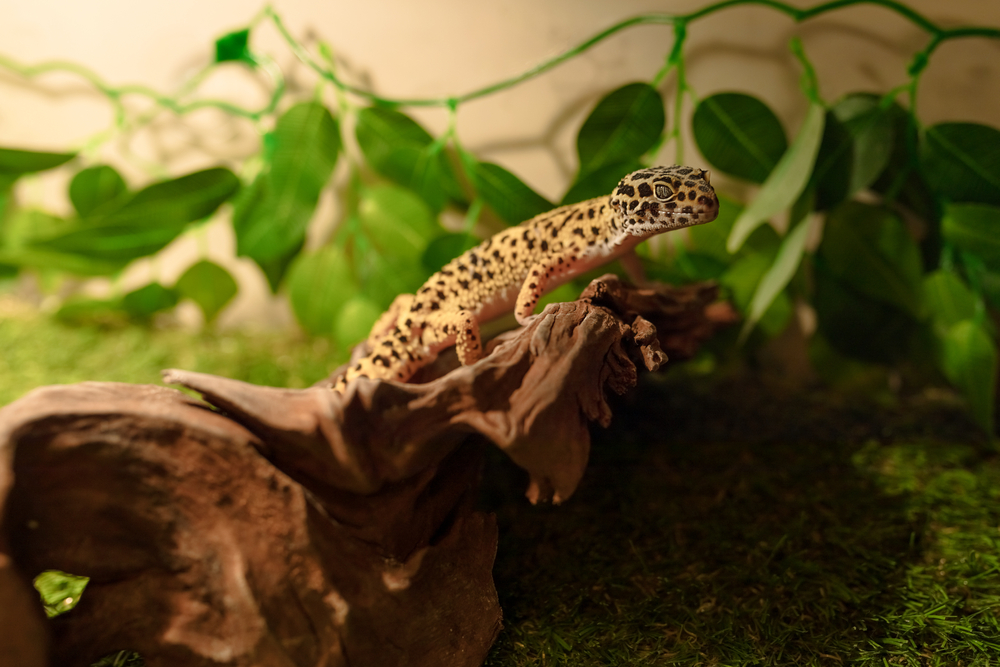
Even careful keepers make mistakes. Knowing common problems helps you act fast.
Frequent issues:
- Wrong temperatures from poor placement of heat sources.
- Inadequate UVB causing metabolic bone disease.
- Improper humidity leading to stuck sheds or respiratory problems.
- Overcrowding and lack of hides causing stress.
Troubleshoot by measuring conditions, adjusting gear, and consulting a reptile vet for persistent issues. I learned to always re-check readings when symptoms appear; measurement errors are often the culprit.
Advanced tips and species-specific advice for your reptile terrarium setup
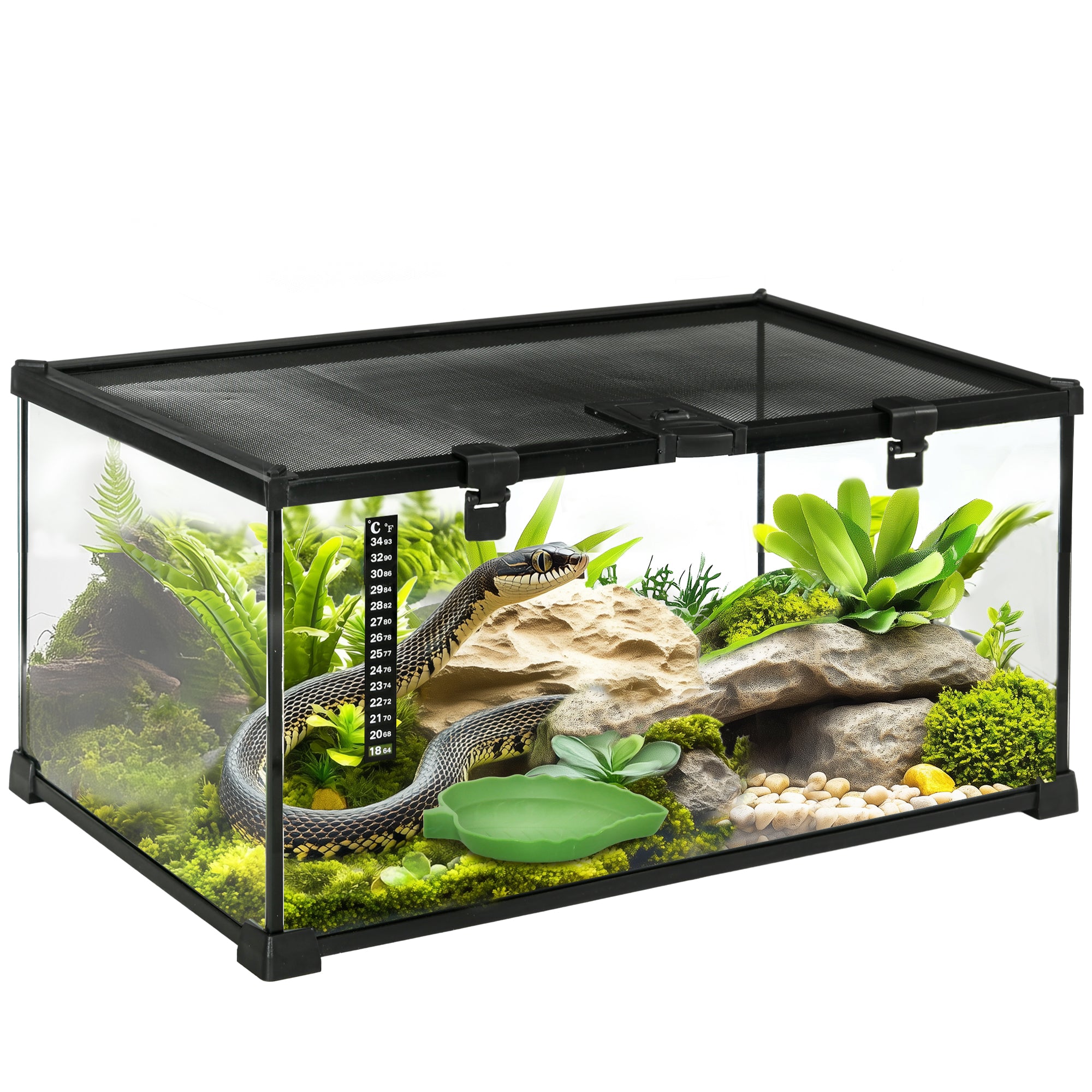
Once basics are stable, refine the setup to match species needs. Small changes help big.
Advanced tips:
- Use light timers to mimic seasonal day length.
- Build microhabitats inside the terrarium for varied humidity pockets.
- Cycle live plants to improve air quality and aesthetics.
Species notes:
- Bearded dragons need strong basking zones and UVB.
- Ball pythons like warm hides and higher humidity.
- Crested geckos prefer vertical space and moderate humidity.
Tailor the terrarium to the natural world of your reptile. That makes them feel at home and shows in their behavior.
Frequently Asked Questions of reptile terrarium setup
How big should my terrarium be for a juvenile reptile?
Size depends on species. For many juveniles, use a tank that allows normal movement and room to grow; upgrade as the animal grows.
How often should I replace UVB bulbs in my terrarium?
Replace UVB bulbs every 6 to 12 months, even if light still looks bright. UVB output drops before visible change.
Can I use regular sand as substrate in a reptile terrarium setup?
Regular sand can cause impaction in some species. Use species-appropriate substrates and avoid loose sand for animals that ingest substrate.
What temperature gradient is ideal for common reptiles?
Aim for a warm side 10 to 15°F (6 to 8°C) warmer than the cool side. Exact numbers depend on species and life stage.
How do I increase humidity without drowning the enclosure?
Use damp hides, misting, water dishes, and live plants. Improve circulation to prevent stagnant wet spots and mold.
Conclusion
A thoughtful reptile terrarium setup blends proper equipment, steady routines, and species-specific care. Start with the right tank, control heat and light, and fine-tune humidity and substrate. Learn from small mistakes and watch your pet grow confident and healthy. Try one upgrade this week, like a thermostat or a better hide, and see how your reptile responds. Share your progress or questions in the comments and subscribe for more care tips.

Pingback: Reptile Heat Lamp Use: Essential Care Tips - pettraiers.com
Pingback: Reptile UVB Lighting Guide: Essential Setup Tips - pettraiers.com
Pingback: Reptile Substrate Habitat: Best Substrates And Setup Tips - pettraiers.com
Pingback: Dog Training Collar Types: Best Guide For 2026 - pettraiers.com
Pingback: Dog Collars Harness Guide: Choose The Perfect Fit - pettraiers.com
Pingback: Aquarium Water Circulation: Improve Flow For Healthy Tanks - pettraiers.com
Pingback: Aquarium Filtration Basics: Simple Guide For Healthy Tanks - pettraiers.com
Pingback: Bird Perch Toy Importance: Boost Bird Health & Joy - pettraiers.com