
Proper UVB lighting is critical for reptile health, bone growth, and preventing metabolic bone disease.
I have kept reptiles for over a decade and worked with vets and breeders to test bulbs and setups. This reptile uvb lighting guide shares clear, practical steps on choosing, installing, and maintaining UVB for common reptiles. Read on to get simple, trusted advice you can use today to keep your reptile healthy and active.

How UVB works
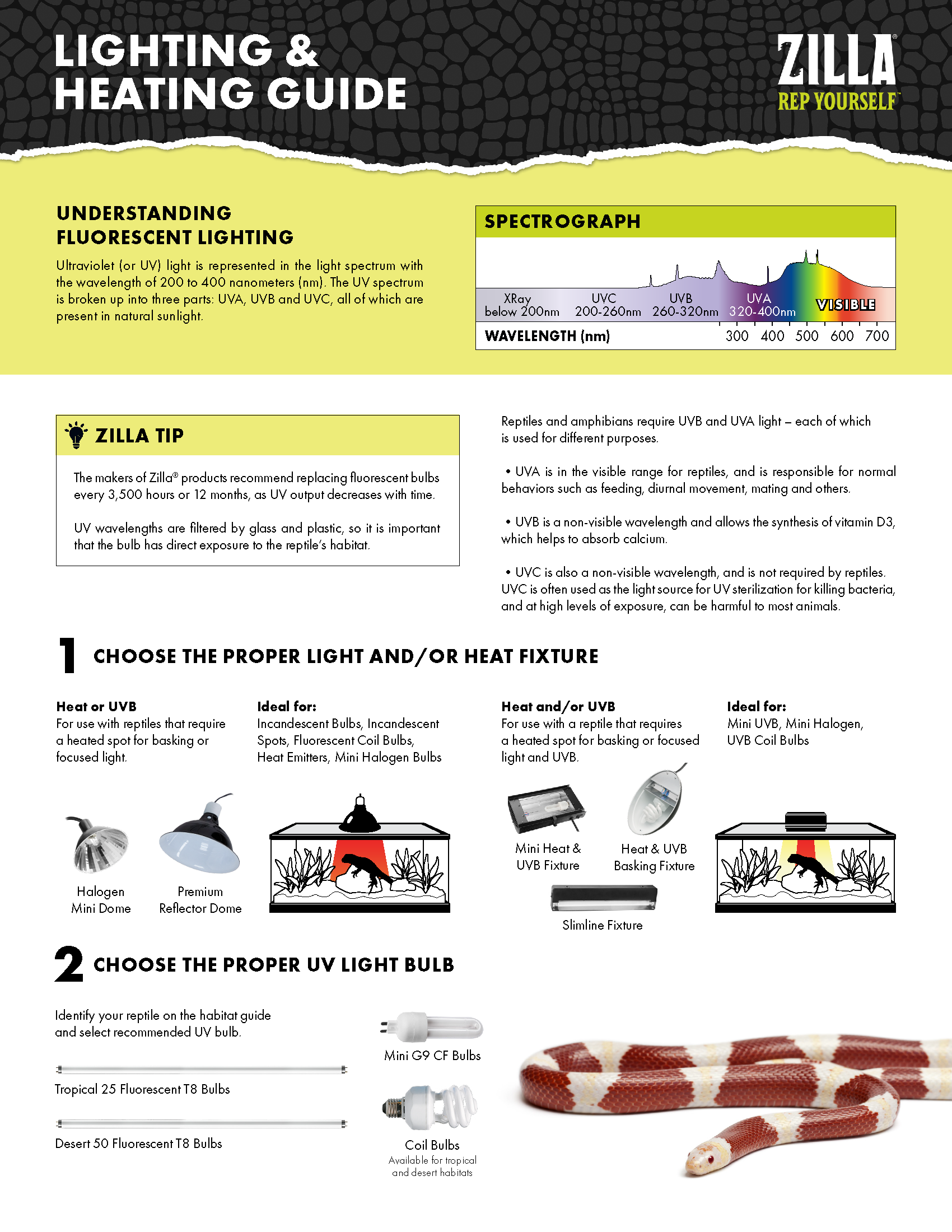
UVB light helps reptiles make vitamin D3 in their skin. Vitamin D3 lets them absorb calcium from food. Without UVB, reptiles can get weak bones and slow growth. This reptile uvb lighting guide explains the science in plain terms to help you pick the right lamp.
Why reptiles need UVB
UVB supports bone health, egg laying, and normal metabolism. Many reptiles need daily UVB to avoid metabolic bone disease. No single lamp fits all species, and wrong lighting causes long-term harm. Use this reptile uvb lighting guide to match light to your pet’s natural needs.

Types of UVB bulbs and pros/cons
Choose a bulb type that fits your tank and species needs.
- Fluorescent tubes — Good spread, steady output, common in reptile setups. Replace yearly even if they still glow.
- T5 high output tubes — Strong UVB output, good for basking species. Need proper fixtures and reflectors.
- Compact fluorescent (CFL) — Space saving, but output drops fast and is uneven. Use with caution.
- Mercury vapor bulbs — Provide heat and UVB from one lamp. They run hot and use more power.
- Incandescent/LED heat bulbs — Produce heat only and no UVB. Pair with UVB source if used.
This reptile uvb lighting guide helps you weigh these options by species and tank type.
Measuring UVB and understanding UV index
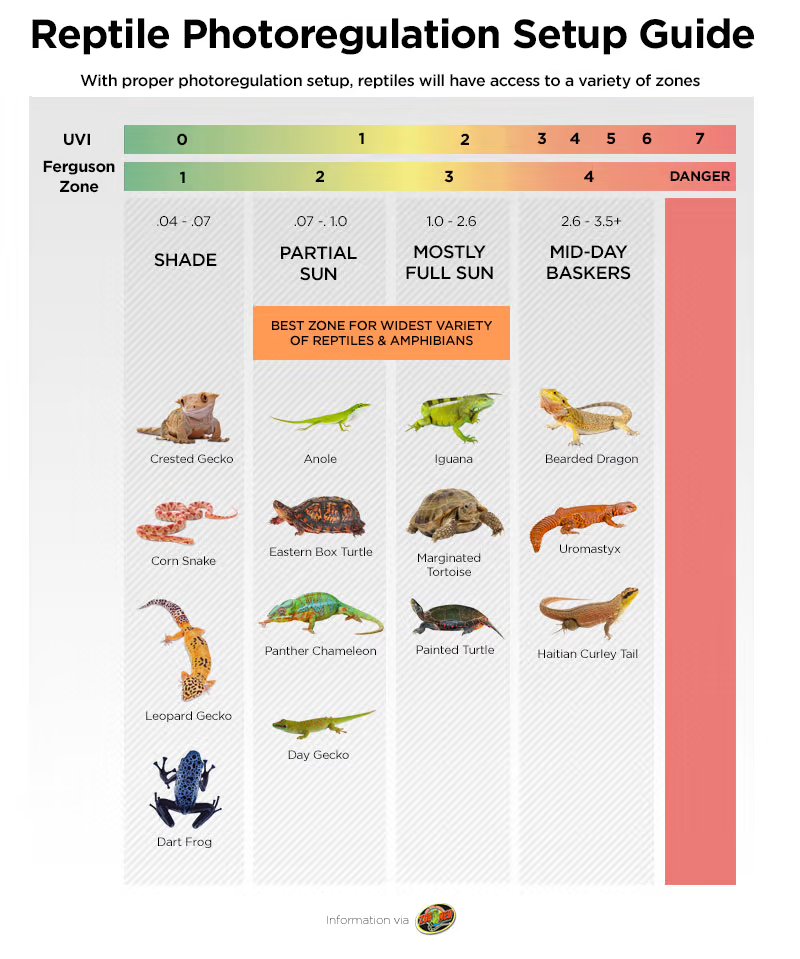
UVB strength falls as it leaves the bulb and passes through mesh or glass. UVB is measured in micro-watts per square centimeter or by UV index. A cheap handheld UV meter gives useful readings. Track readings at the basking spot and at shade spots to set correct distances. This reptile uvb lighting guide shows you simple checks to keep output safe and effective.

Choosing the right UVB for your species
Match lamp strength and distance to the animal’s natural habits.
- Bearded dragons — Use a T5 high output or 10.0 tube, placed 8 to 12 inches above the basking spot.
- Leopard geckos — Use low UVB or a 2.0–5.0 tube, as they are crepuscular or nocturnal and need less UVB.
- Ball pythons — Provide low-to-moderate UVB with careful placement; offer shaded retreats.
- Tortoises and diurnal lizards — Stronger UVB is often needed; use high output tubes and larger basking zones.
This reptile uvb lighting guide gives ranges, but always tailor to your pet’s behavior and vet advice.

Installation and placement tips
Place bulbs so UVB reaches the basking area without barriers. Use reflectors and open-top fixtures when possible. If your enclosure has screen mesh, raise the bulb to maintain correct distance because mesh reduces UVB. Set a consistent day length using timers. This reptile uvb lighting guide includes simple steps to avoid common placement errors.

Replacement schedule and maintenance
Bulbs lose UVB long before they look dim. Replace fluorescent and compact bulbs every 6 to 12 months depending on type. Clean fixtures and bulbs with a soft cloth to remove dust that cuts output. Write the install date on the fixture so you don’t forget. This reptile uvb lighting guide stresses routine checks to keep output reliable.

Common mistakes and troubleshooting
Most problems come from wrong bulb type or old bulbs. Mistakes to avoid:
- Using only heat bulbs without UVB — causes vitamin D3 deficiency.
- Letting bulbs run past recommended life — UVB drops even if visible light remains.
- Placing bulbs behind glass or thick plastic — greatly reduces UVB reaching the animal.
- Using too short a photoperiod — reptiles need consistent day-night cycles.
If your pet shows soft bones, lethargy, or poor appetite, check UVB first. This reptile uvb lighting guide helps you spot and fix issues fast.

Safety and health considerations
Avoid staring into strong UVB bulbs. Keep fixtures out of reach of curious pets and children. Monitor temperature and humidity to prevent burns or stress. If unsure about a condition, consult a reptile vet for tests and tailored advice. This reptile uvb lighting guide highlights safety to protect both you and your pet.
My tested tips and a quick setup checklist
I learned a lot from trial and error. I once used a compact bulb for a large tank and the animal showed signs of poor growth. After switching to a T5 tube and fixing distance, the recovery was fast. Key tips I use now:
- Choose bulb strength based on species and natural history.
- Measure UVB with a meter, not just by sight.
- Replace bulbs on schedule and log dates.
- Use reflectors and open-top fittings when safe.
- Offer shaded areas so the animal can move away from UVB.
Use this short checklist from my experience to set a safe, effective light plan. This reptile uvb lighting guide is built from real setups and vet conversations.
Frequently Asked Questions of reptile uvb lighting guide
What is UVB and why is it important for reptiles?
UVB is the part of sunlight that helps reptiles make vitamin D3. Vitamin D3 is needed for calcium absorption and healthy bones.
How often should I replace my UVB bulb?
Replace most fluorescent and compact bulbs every 6 to 12 months. Even if the bulb looks bright, UVB can fall below safe levels.
Can glass or plastic block UVB?
Yes. Standard glass and many plastics block most UVB. Use open-top tanks or place bulbs above a fine mesh that lets UVB through.
Do nocturnal reptiles need UVB?
Many nocturnal species need little UVB, but some still benefit from low-level UVB. Check species-specific guidance and monitor health.
How can I test UVB output at home?
Use a handheld UVB meter and measure at the basking spot and shade. Track readings over time to know when to replace bulbs.
Is a mercury vapor bulb better than a tube?
Mercury vapor bulbs provide both heat and UVB and can work well for some setups. They run hot and need careful placement and proper fixtures.
Conclusion
Good UVB care is simple when you match lamp type, strength, and distance to your pet’s needs. Follow the clear steps in this reptile uvb lighting guide to prevent disease and support strong growth. Start by measuring your current setup, set a replacement schedule, and adjust based on your pet’s behavior and vet input. Try one change today—measure UVB or note your bulb install date—and keep learning. Leave a comment or share your setup to help others.

Pingback: Pet Grooming Cleaning Tools: Top Picks And Tips 2026 - pettraiers.com
Pingback: Pet Travel Safety: Essential Tips For Stress-Free Trips - pettraiers.com
Pingback: Bird Mental Enrichment: Simple Engaging Ideas For 2026 - pettraiers.com
Pingback: Cat Toy Behavior Guide: Decode Play, Prevent Bad Habits - pettraiers.com
Pingback: Cat Supplement Usage Guide: Safe Dosage Tips For Owners - pettraiers.com
Pingback: Smart Pet Feeder Guide: Ultimate Buyer's Guide 2026 - pettraiers.com