
Senior cats need gentle, consistent care for comfort, health, mobility, and emotional well-being.
I’ve cared for many older cats and written this senior cat care guide to help you keep your pet comfortable, active, and safe. This guide walks through vet care, nutrition, home changes, behavior, and end-of-life planning with clear steps and real-life tips you can use today.

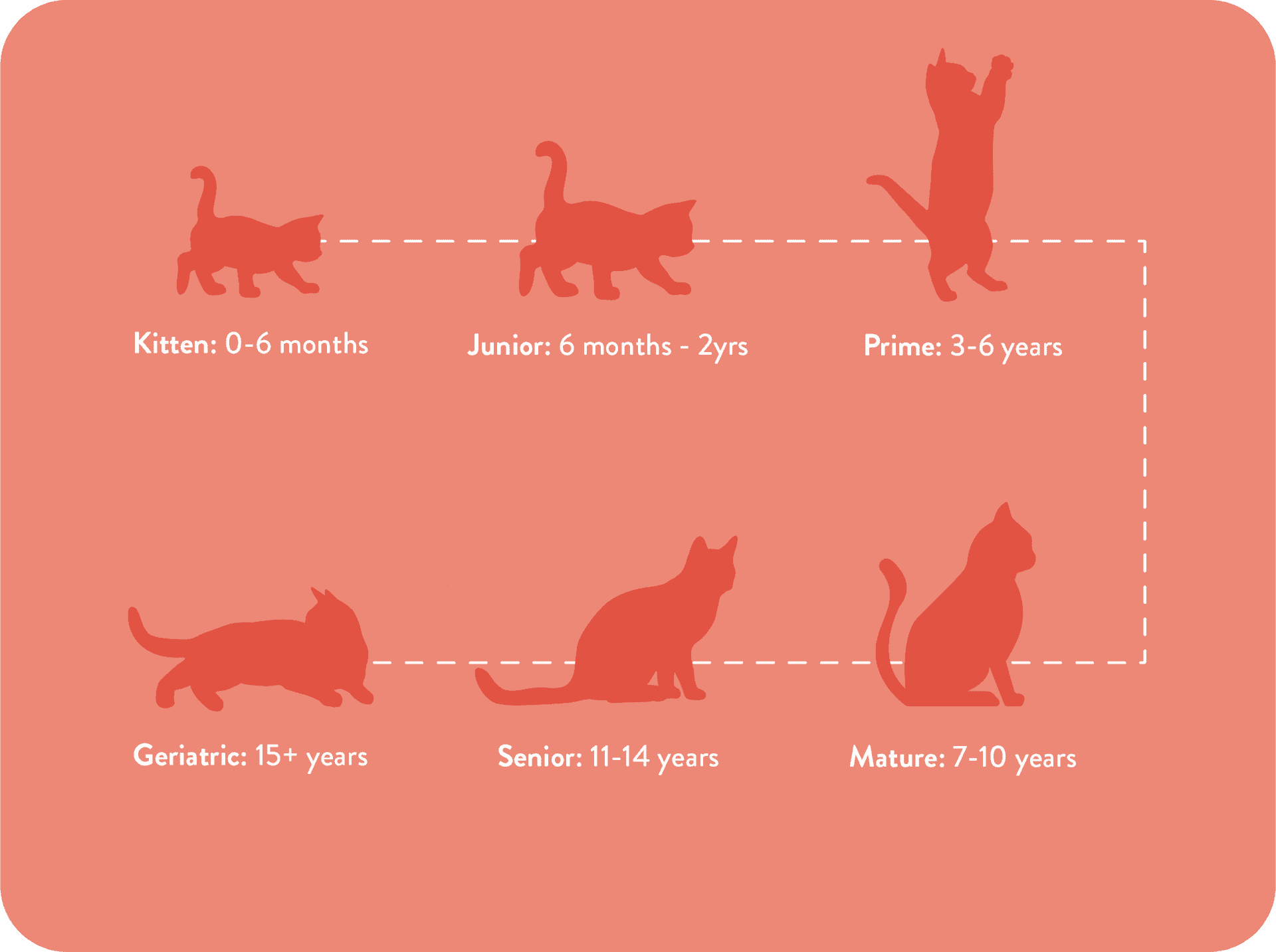
Understanding aging: when is a cat senior?
Cats are generally considered seniors at about 10 years old, though large-breed or indoor-only cats can show signs earlier. Aging shows up as subtle changes in sleep, activity, appetite, and litter box habits. Knowing these signs helps you act early and avoid small problems becoming serious.
Common aging signs to watch for:
- Weight loss or gain and changes in appetite.
- Slower movements, stiffness, or difficulty jumping.
- Increased sleep and less interest in play.
- Changes in grooming and coat condition.
From my years caring for older cats, small changes that are ignored will compound. Keep a short log of behavior and weight to discuss with your vet during checkups for the best outcomes. This senior cat care guide will help you spot and address these signs.

Essential vet care and health screenings for senior cats
Senior cats need more frequent health checks. I recommend exams every six months after age 10. Regular checks catch kidney issues, hyperthyroidism, diabetes, and dental disease early.
Key screenings and actions:
- Physical exam every six months to monitor weight, coat, and mobility.
- Bloodwork and chemistry panels annually or every six months if abnormal.
- Urinalysis to check kidney function and urinary health.
- Blood pressure measurement and thyroid testing when needed.
- Dental exam and cleaning based on dental health.
When my older cat developed subtle thirst and weight loss, timely bloodwork found early kidney disease. Early treatment slowed progression. This senior cat care guide stresses the value of early testing and consistent communication with your vet.
Nutrition and feeding tips for older cats
Diet is one of the most powerful tools in this senior cat care guide. Older cats often need different calories, protein, and moisture levels than younger cats. Many develop reduced appetite, dental issues, or digestive sensitivities.
- Choose a high-quality diet made for senior cats or one tailored by your vet.
- Offer wet food or add water to dry food to increase hydration.
- Feed smaller, frequent meals if appetite is low.
- Monitor weight weekly and adjust food to maintain a healthy body condition.
- Consider prescription diets for kidney disease, diabetes, or weight loss.
I once switched a finicky senior to warmed wet food and saw her eating again within a day. Warming releases aroma and invites eating. The senior cat care guide emphasizes flexibility—try textures and temperatures to find what your cat prefers.

Mobility, comfort, and home modifications
Small home changes greatly improve life for senior cats. Joint pain and stiffness are common. Making the home easier to navigate reduces stress and keeps your cat active.
Home modification ideas:
- Add ramps or pet stairs to beds and elevated windows.
- Provide low-sided litter boxes and shallow food bowls.
- Pad favorite resting spots with soft, supportive bedding.
- Use non-slip mats on slick floors to prevent slipping.
- Create multiple quiet litter and food stations when mobility is limited.
I installed a short ramp to the sofa for an older cat who stopped jumping up. She used it immediately and regained confidence. This senior cat care guide recommends testing one change at a time to find what helps your cat most.

Dental care, grooming, and hygiene
Oral health is often overlooked in older cats, yet dental disease causes pain and systemic problems. Regular grooming and hygiene keep your cat comfortable and prevent matting and skin issues.
Practical steps:
- Schedule dental exams and cleanings as recommended by your vet.
- Brush teeth at home if your cat tolerates it, using feline toothpaste.
- Brush or comb long-haired seniors frequently to avoid mats.
- Trim nails carefully if mobility is reduced and coat can’t control length.
- Monitor for bad breath, drooling, or trouble eating as signs of dental pain.
When I missed dental care for one of my cats, she stopped eating solids. After treatment, she returned to normal. This senior cat care guide urges early dental intervention to avoid painful outcomes.
Managing chronic conditions and medications
Chronic illness is common in older cats. Kidney disease, hyperthyroidism, arthritis, and diabetes require steady management. Clear routines and documentation help treatments succeed.
Management tips:
- Keep a medication chart with dosage, time, and effects.
- Administer medications consistently and use pill pockets or compounding if needed.
- Track symptoms and side effects to report to your vet.
- Ask about pain management and joint supplements for arthritis.
- Consider pharmacy compounding for pills that are hard to give.
I learned to use a simple checklist taped to the fridge for medicine timing. It reduced missed doses and improved outcomes. This senior cat care guide supports practical, low-stress medication routines.

Mental stimulation, behavior, and enrichment
A happy senior cat needs mental stimulation and routine. Cognitive decline can show as confusion, night wandering, or changes in social behavior. Gentle play and predictable cues help.
Enrichment ideas:
- Short, regular play sessions using gentle toys.
- Puzzle feeders to encourage slow eating and mental activity.
- New scents or rotating toys to provide interest without stress.
- Maintain routines for feeding and sleep to reduce confusion.
- Offer safe window views and soft background sounds.
One of my older cats perked up with a puzzle feeder and a sunny window perch. Small enrichments can improve mood and appetite. The senior cat care guide promotes low-effort, high-impact activities your cat will enjoy.
Monitoring quality of life and end-of-life decisions
Quality of life is a key part of this senior cat care guide. Monitoring daily comfort, appetite, mobility, and joy helps guide tough decisions. Use objective measures alongside your feelings.
Signs to track:
- Appetite and weight trends.
- Mobility and ease of movement.
- Interest in socializing and play.
- Pain signs such as vocalization, hiding, or aggression.
Create a simple scoring system for these signs and review it with your vet. In my experience, having a plan and honest conversations with the vet made end-of-life choices clearer and kinder for both the cat and family.

Practical checklist: monthly and annual care tasks
A checklist keeps senior care manageable and consistent. Use this to track what to do monthly and annually.
Monthly tasks:
- Check weight and appetite.
- Inspect coat, skin, ears, and teeth.
- Monitor litter box habits and urine output.
- Rotate toys and check litter box accessibility.
Annual or semiannual tasks:
- Veterinary exam and bloodwork every six to twelve months.
- Dental cleaning as advised by your vet.
- Vaccination review and parasite prevention.
- Update emergency contact and clinic info.
I keep this list on the fridge and find it reduces missed care items. This senior cat care guide includes practical habits you can adopt today.
Resources and final tips
Use local veterinarians, feline behaviorists, and pet hospice resources when needed. Build a team before a crisis. Keep important items handy: medication chart, current records, and emergency contacts.
Final practical tips:
- Start changes early to avoid stress later.
- Keep a calm, consistent routine to comfort your cat.
- Ask your vet about pain control when mobility changes.
- Stay patient; small wins are real progress.
From my experience, steady attention and small changes give the best results. This senior cat care guide is a roadmap for compassionate care.
Frequently Asked Questions of senior cat care guide
How do I know my cat is officially a senior?
Most cats are considered senior around 10 years old, though signs vary by breed and lifestyle. Look for slower movement, weight changes, and shifts in sleep or appetite.
What diet changes should I make for an older cat?
Switch to a high-quality senior or vet-recommended diet, increase moisture, and feed smaller, frequent meals if appetite changes. Monitor weight and adjust portions as needed.
How often should senior cats see the vet?
Aim for exams every six months once your cat reaches senior age, or earlier if problems appear. Frequent checks catch issues early and improve outcomes.
Can older cats learn new behaviors or play?
Yes, older cats can enjoy gentle play and new enrichment like puzzle feeders. Keep sessions short and predictable to avoid stress.
How do I manage pain in an older cat?
Work with your vet for safe pain control and joint support. Pain signs can be subtle, so track changes and share observations with your veterinarian.
When should I consider hospice or euthanasia?
Consider quality of life measures like pain, appetite, mobility, and joy in life. Discuss these openly with your vet to make thoughtful decisions that prioritize your cat’s comfort.
Conclusion
This senior cat care guide equips you with clear steps for vet care, nutrition, home changes, mental enrichment, and tough decisions. Start small: adjust diet, schedule a vet check, and make one home change today. Your consistent care can add calm, comfort, and months of good life for your cat; share your experiences, subscribe for updates, or ask questions below to keep learning and improving care.
