
Senior dog care tips help older dogs stay healthy, comfortable, and active longer.
I’ve worked with many aging dogs and their families, and I know how small changes make big differences. This guide on senior dog care tips brings clear, practical steps based on experience and research. You will find nutrition, exercise, vet guidance, home changes, behavior ideas, and honest advice you can use today. Read on to care for your senior dog with confidence and compassion.
Understanding aging in dogs
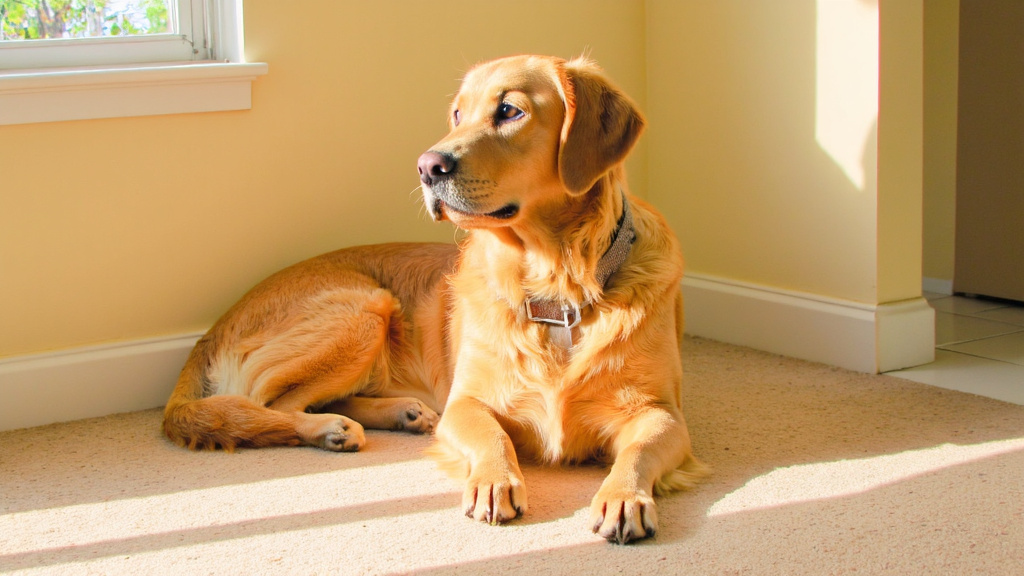
Dogs age at different rates depending on size and breed. Senior dog care tips begin with knowing normal aging signs like slower pace, graying fur, and changed sleep patterns. Early recognition helps you make small changes that improve quality of life. Monitor weight, mobility, appetite, and mood to spot problems early.

Nutrition and weight management
Good food is the base of senior dog care tips. Older dogs need fewer calories but more nutrients. Feed a balanced diet made for seniors or a vet-recommended plan.
- Choose foods with high-quality protein to preserve muscle mass.
- Look for joint-support ingredients like omega-3 fatty acids.
- Manage portion size and track weight weekly to avoid obesity or loss.
- Consider wet food or kibble softened with water if chewing is hard.
I once switched my own lab’s food to a senior formula and saw more energy within weeks. Small diet tweaks often yield quick benefits.

Exercise, mobility, and joint care
Movement keeps joints and heart healthy. Tailor activity to your dog’s pace and abilities. Shorter, more frequent walks are better than one long walk.
- Low-impact activities like slow walks and swimming help joints.
- Use ramps or stairs to avoid jumping.
- Maintain a steady routine to reduce stiffness.
- Consider physical therapy or guided rehab for arthritis.
A gentle daily routine helped my neighbor’s terrier regain interest in play. Consistency matters more than intensity.

Veterinary care and preventive screenings
Regular vet visits are central to senior dog care tips. Twice-yearly exams often catch issues early. Bloodwork, urine tests, and dental checks reveal hidden problems.
- Schedule exams every six months after age seven.
- Ask about blood panels, thyroid checks, and kidney screening.
- Keep vaccines and parasite prevention up to date, per vet advice.
- Track any changes and share them with your vet between visits.
Early detection saved a client’s dog from advanced kidney disease. Tests give you time to act and plan.
Dental care and grooming
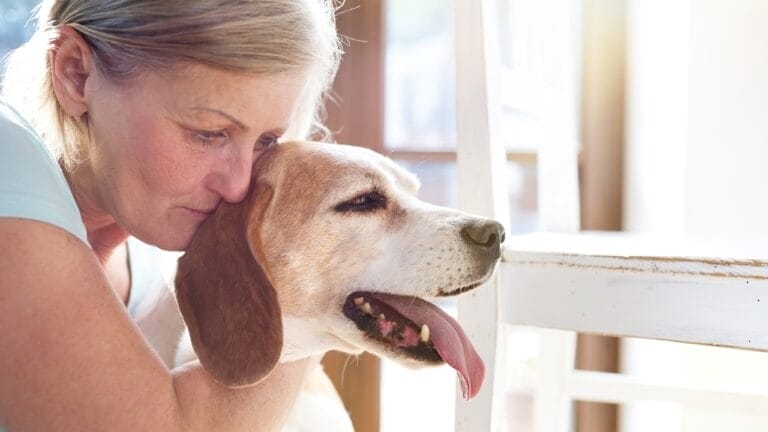
Dental health affects the whole body. Plaque and gum disease can lead to pain and infections. Regular cleaning and at-home care are essential.
- Brush teeth daily or several times a week with vet-approved paste.
- Provide dental chews and toys made for seniors.
- Schedule professional cleanings if recommended by your vet.
- Grooming keeps skin and coat healthy and lets you check lumps early.
I once missed a small tooth infection that later caused appetite loss. Daily checks and brushing prevented repeat issues.
Home modifications for comfort and safety
Small home changes make life easier for older dogs. Comfort reduces stress and lowers the risk of injury.
- Add non-slip rugs or mats on slick floors.
- Raise food and water bowls for dogs with neck or back pain.
- Provide an orthopedic bed with firm, supportive foam.
- Block off stairs or use baby gates when needed.
These changes are inexpensive and often transform a dog’s daily life. Think of the home as your dog’s support system.
Mental stimulation and behavior changes
Mental health matters as much as physical health. Senior dogs can show anxiety, confusion, or reduced interest in games. Keep the mind active with gentle, engaging tasks.
- Offer scent games and low-impact puzzles.
- Keep training sessions short and positive.
- Preserve routine to reduce disorientation.
- Use calming routines like soft music or massage before sleep.
When my older collie began forgetting commands, short scent games restored focus and joy. Slow, patient interaction works best.
Medications, supplements, and alternative therapies
Medications and supplements can ease symptoms but must be used wisely. Many seniors benefit from targeted support when paired with vet oversight.
- Discuss pain meds like NSAIDs and safe dosing with your vet.
- Consider joint supplements such as glucosamine, chondroitin, and fish oil.
- Explore physical therapy, acupuncture, or hydrotherapy for mobility.
- Be cautious with over-the-counter supplements and monitor effects.
Evidence supports some supplements for joint health, but results vary. Always weigh benefits and risks with professional guidance.
Red flags and when to seek help
Knowing urgent signs is part of good senior dog care tips. Seek immediate care if you notice these changes.
- Sudden collapse, severe breathing trouble, or severe bleeding.
- Rapid weight loss, not eating for several days, or vomiting/diarrhea that won’t stop.
- Sudden lameness, severe pain, or inability to rise.
- Confusion, seizures, or drastic behavior changes.
If you feel something is off, call your vet. Trust your instincts and act early.
Frequently Asked Questions of senior dog care tips
What diet changes should I make for my senior dog?
Adjust calories to prevent weight gain and add high-quality protein and omega-3s. Consider a senior-specific diet or a vet-recommended feeding plan.
How often should a senior dog visit the vet?
Most seniors benefit from exams every six months, with bloodwork once a year or as your vet advises. More frequent checks may be needed for chronic conditions.
Can older dogs learn new tricks?
Yes. Older dogs can learn with short, gentle training sessions and positive rewards. Mental work boosts mood and keeps their brain active.
Are supplements safe for senior dogs?
Some supplements are helpful, but you should consult your vet before starting any new product. Watch for side effects and check interactions with medications.
How do I help a senior dog with joint pain?
Use low-impact exercise, joint supplements if advised, weight control, and a comfortable bed. Discuss pain medication and physical therapy options with your vet.
Conclusion
Senior dog care tips are about gentle prevention, close attention, and small, smart changes. Focus on nutrition, regular vet checks, comfortable routines, and mental stimulation to help your dog feel their best. Start with one change today—adjust food, add a soft bed, or schedule a vet visit—and build from there. Share your experiences, ask questions, or subscribe for more tips to support your aging companion.

Pingback: How To Groom A Cat: Easy Step-By-Step Guide - pettraiers.com