

Senior dogs need calorie-controlled, protein-rich diets with joint support and easy digestion.
I have worked with many aging dogs and seen how the right food can restore energy and comfort. This guide explains senior dog diet needs in plain terms. You will learn what nutrients matter, how to pick food, safe supplements, and practical feeding steps. Read on to give your older dog the diet they need to feel better and live longer.

Understanding why senior dog diet needs change
As dogs age, their bodies change. Metabolism often slows. Muscles can shrink and joints may hurt. These shifts mean senior dog diet needs are different from adult dog needs.
Older dogs may eat less but need more of some nutrients. Digestive systems can become less efficient. Food that was fine before can cause weight gain or loss now. Knowing why these changes happen helps you pick the right food and plan.
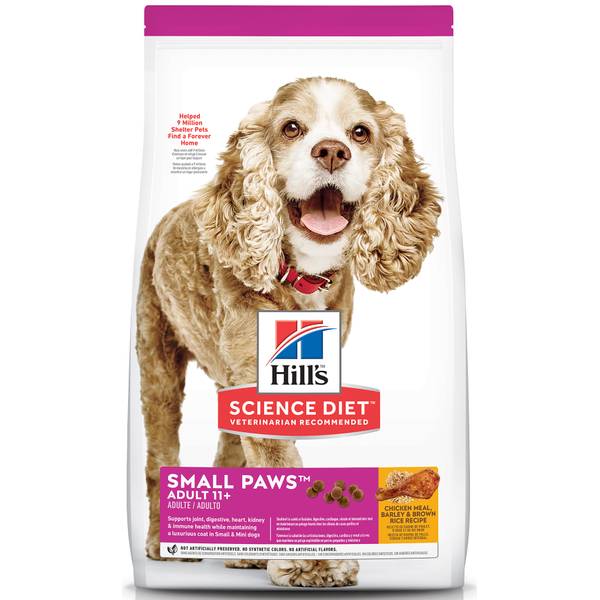
Key nutrients for senior dog diet needs
Older dogs need nutrients that support muscle, joints, digestion, and organ health. Focus on quality over quantity. Below are the core nutrients to include for your pet.
- High-quality protein: Keeps muscle mass and strength. Aim for digestible sources like poultry, fish, or lean beef.
- Controlled calories: Prevents weight gain as activity drops. Senior dog diet needs often call for lower calorie density.
- Healthy fats and omega-3s: Support brain, coat, and joint health. Fish oil and EPA/DHA help inflammation.
- Fiber and prebiotics: Aid digestion and stool quality. Fiber also helps dogs feel full with fewer calories.
- Joint nutrients: Glucosamine, chondroitin, and omega-3s protect cartilage and ease stiffness.
- Vitamins and minerals: Support immune and bone health. Balance is key; too much of some vitamins can harm older dogs.
- Low phosphorus and adjusted protein for kidney concerns: If kidney disease is present, your vet may recommend specific limits.
These nutrients form the backbone of senior dog diet needs. Tailor amounts to your dog’s size, health, and activity level.
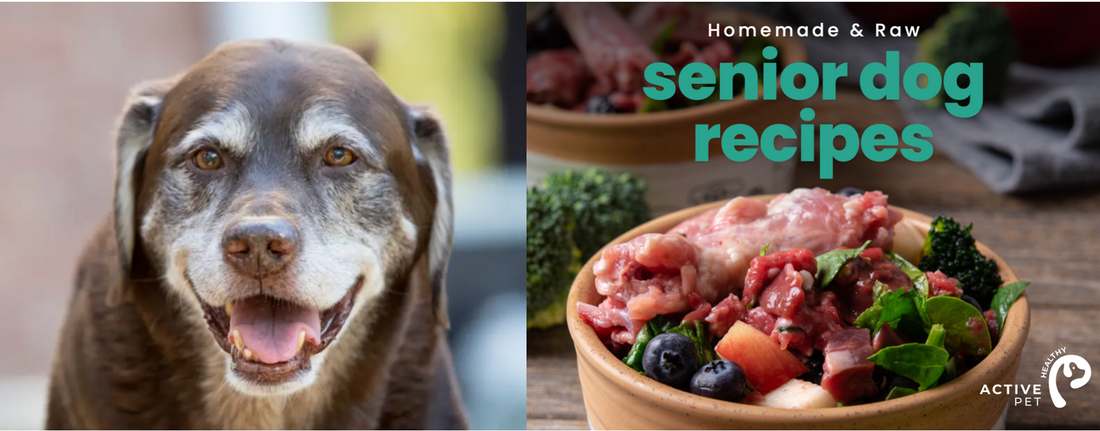
How to choose commercial food for senior dog diet needs
Pick foods made for senior life stages or foods labeled for "mature" dogs. Read labels and compare ingredient quality. Look for named animal proteins and avoid vague meat by-products.
Consider wet food if your dog has dental issues or low appetite. Dry food can help dental health but may be harder to chew. Check calorie values and portion guides. A formula that lists joint support or higher omega-3 is helpful. Always confirm that the food meets nutritional standards set by recognized feeding guidelines.
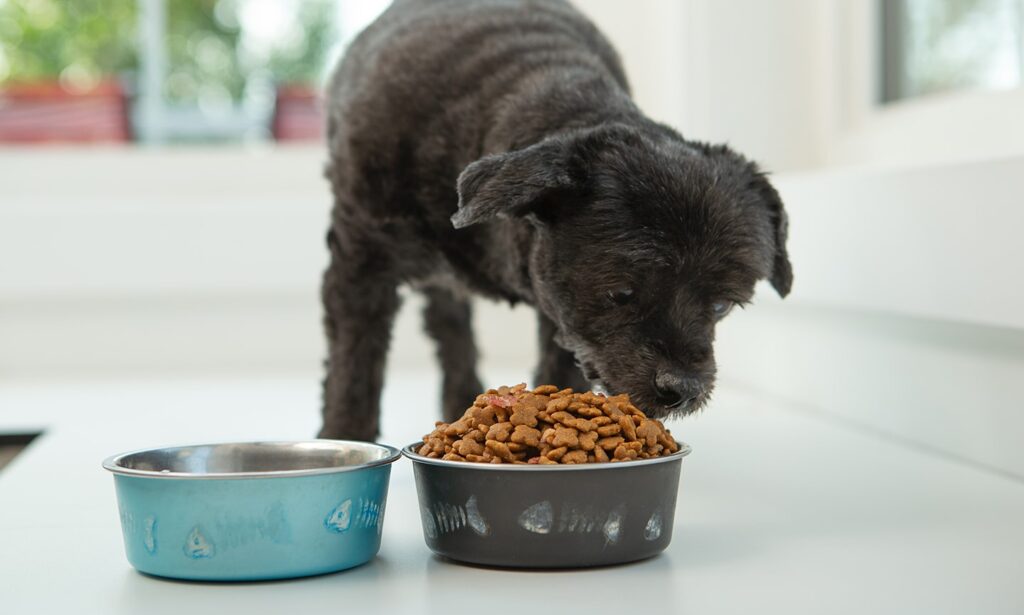
Homemade diets, supplements, and safety for senior dog diet needs
A cooked or raw homemade diet can work if it's balanced. Most homemade plans need vet or nutritionist review. Balance protein, carbs, fats, vitamins, and minerals to meet senior dog diet needs.
Useful supplements include:
- Omega-3 fish oil for inflammation and coat.
- Glucosamine and chondroitin for joints.
- Probiotics for digestion and appetite.
- Antioxidants like vitamin E for immune support.
Avoid excess calcium, vitamin A, and unbalanced phosphorus. I once helped a dog recover appetite with a vet-reviewed homemade diet and careful supplement use. Always test and monitor bloodwork when you change a senior dog’s diet.
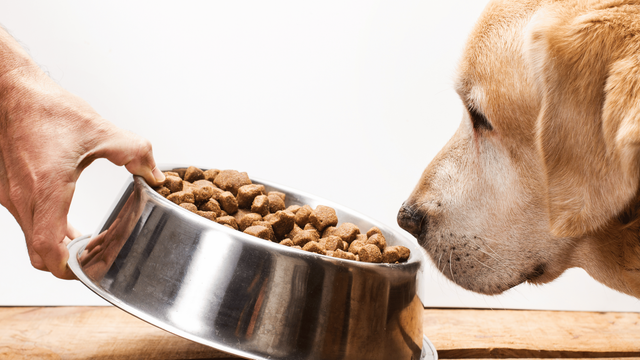
Managing weight, appetite, and special conditions
Weight loss or gain can both be dangerous. Track weight weekly and body condition score monthly. Adjust portions and choose calorie-dense or calorie-controlled food based on needs.
For common issues:
- Dental disease: Use soft or wet food and small frequent meals.
- Kidney disease: Lower phosphorus and adjust protein under vet guidance.
- Diabetes: Consistent carbs and portion control are vital.
- Arthritis: Weight control and joint supplements reduce pain and improve mobility.
Listen to your dog. Appetite changes often signal health issues. Address problems early to meet evolving senior dog diet needs.
Transitioning foods and monitoring results
Switch foods slowly over 7–10 days. Start with 75% old food and 25% new food, then increase the new food gradually. Watch stool, energy, coat quality, and appetite.
Keep a simple log of weight and notes about eating and stools. Recheck with your vet in 4–8 weeks after major diet changes. If you see vomiting, diarrhea, or rapid weight loss, stop the change and call your vet. Small, steady changes help your dog adapt and meet their senior dog diet needs safely.
Frequently Asked Questions of senior dog diet needs
What age is a dog considered a senior?
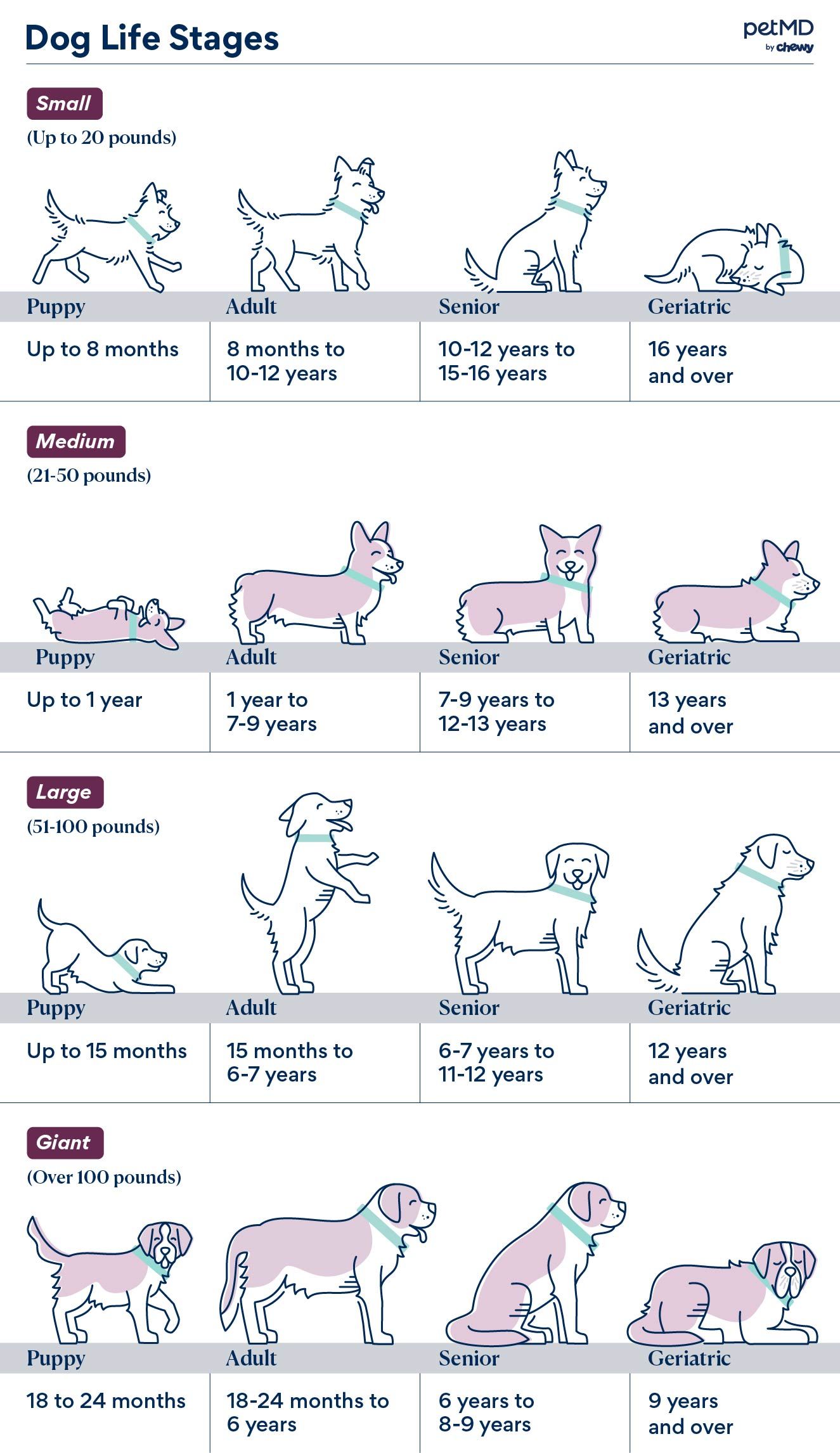
Small breeds often reach "senior" at 7 to 8 years. Larger breeds can be senior by 5 to 6 years. Age varies by size and breed.
How much protein should a senior dog eat?
Senior dogs need quality protein to preserve muscle. The exact grams depend on weight and health, so ask your vet for tailored amounts.
Can senior dogs eat regular adult dog food?
Some can, but many benefit from formulas made for older dogs. Senior dog diet needs often include fewer calories and more joint support than adult food.
Are supplements safe for older dogs?
Many supplements help, but safety depends on dose and health conditions. Always check with your vet before starting anything new.
How do I manage a picky senior eater?
Try warm food, add low-sodium broth, or offer small, frequent meals. Rule out medical causes and consult your vet if appetite stays low.
Conclusion
Senior dog diet needs center on balanced protein, controlled calories, joint support, and easy digestion. Focus on quality food, regular monitoring, and vet guidance. Small, steady changes and simple tracking lead to big gains in comfort and longevity for your older dog. Take one step today: review your dog’s food, note weight, and schedule a vet check if you have questions. Share your experience or ask a question below to keep the conversation going.
