
Proper feeding balances species-specific diets, portion control, and clean water for small pets.
As a vet-tech-turned-pet-writer, I’ve helped dozens of owners with a small pet feeding guide that keeps pets healthy and happy. This article lays out clear, practical steps for feeding hamsters, guinea pigs, rabbits, mice, rats, gerbils, chinchillas, and other small companions. Read on to learn science-backed advice, everyday tips I use in clinic, common mistakes to avoid, and simple meal plans you can try today.
Understanding small pet nutrition: basics you must know
Small pets have fast metabolisms and special needs. A strong small pet feeding guide starts with three rules: appropriate calories, the right nutrients, and fresh water.
Key nutrition points
- Fiber supports digestion and dental health in many small pets.
- Protein needs vary by species and life stage.
- Fat is energy but can be harmful in excess.
- Vitamins and minerals must match species needs; vitamin C is essential for guinea pigs.
Personal note: I once treated a guinea pig with scurvy. Adding fresh veggies and a balanced pellet fixed it fast. That taught me to never skip species-specific requirements.
How to use this small pet feeding guide
- Learn your pet’s species needs first.
- Balance pellets, hay, fresh food, and treats.
- Adjust portions for age, weight, and activity.
Feeding schedules and portion control for small pets
A good small pet feeding guide includes daily routines and portion rules. Schedules reduce stress and help prevent overeating.
Daily feeding tips
- Offer hay ad lib for rabbits, chinchillas, and guinea pigs.
- Provide measured pellets once or twice daily per species guidelines.
- Give fresh veggies in the morning to ensure they are eaten.
Portion examples (general starting points)
- Rabbit (adult, 6 lb): 1/4 to 1/2 cup daily pellets, unlimited hay, 1–2 cups mixed veggies.
- Guinea pig (adult): 1/8 to 1/4 cup pellets, unlimited hay, 1 cup veggies.
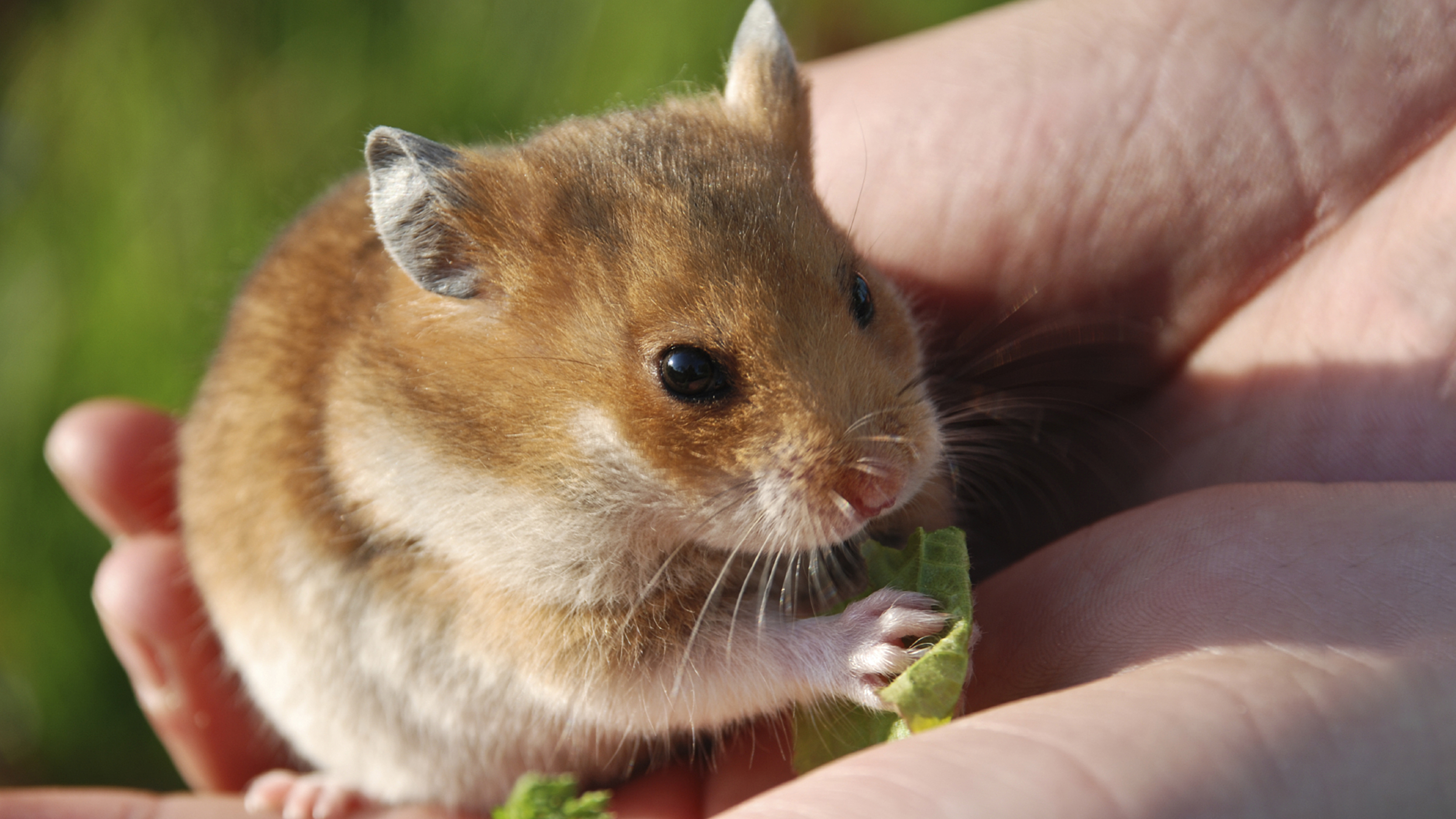
- Hamster: 1–2 teaspoons pellet mix plus small daily treats.
Adjust after weighing your pet and watching body condition.
Monitoring and adjustments
- Weigh your pet weekly for growth or weight loss.
- Use body condition charts when possible.
- Increase food for young, pregnant, or nursing animals; cut back for inactive pets.
Food types and species-specific recommendations
This small pet feeding guide covers the four main food groups: hay, pellets, fresh produce, and treats. Each species needs a different mix.
Hay
- Timothy hay: ideal for adult rabbits and guinea pigs.
- Orchard or grass hays: good for variety.
- Alfalfa hay: rich in calcium, use for young rabbits and nursing guinea pigs only.
Pellets
- Choose species-specific pellets with no seeds or colorful bits for most rodents.
- Check protein and fiber ratios: rabbits need higher fiber; guinea pigs require vitamin C-fortified pellets.
Fresh produce
- Safe options for many small pets: romaine, cilantro, bell pepper, carrot tops in moderation.
- Limit sugary fruits to small servings as treats.
Treats and seeds
- Use sparingly. Too many seeds lead to obesity and liver problems in some species.
- Use healthy treats like small pieces of apple, a plain oat, or a tiny square of cooked egg for protein.
Species notes
- Rabbits: unlimited hay, limited pellets, daily greens.
- Guinea pigs: vitamin C daily via veggies or supplements.
- Chinchillas: strict hay and pellet diet; treats rare due to sensitive gut.
- Hamsters/gerbils/mice: seed mixes can be used but balanced pellet diets are better.

Safe human foods and foods to avoid
This small pet feeding guide warns about common household foods that are dangerous or okay in small amounts.
Safe in moderation
- Plain cooked egg: occasional protein boost.
- Plain cooked rice or pasta: rare treat for digestive upsets.
- Small pieces of apple or banana: limited sugar treat.
Foods to avoid
- Chocolate and caffeine: toxic to all small pets.
- Onions, garlic, and raw beans: cause digestive harm.
- High-fat or salty foods: lead to obesity and organ disease.
Quick safety checklist
- Remove seeds and pits from fruits before offering.
- Introduce new foods one at a time.
- Watch for diarrhea, lethargy, or loss of appetite after new foods.
Practical tips: feeding supplies, storage, and troubleshooting
Practical help makes a small pet feeding guide usable every day. Use the right tools and habits for success.
Feeding supplies
- Heavy ceramic bowl to prevent tipping.
- Water bottle plus a bowl for spill prevention.
- Hay rack to keep hay clean and reduce waste.
Food storage
- Keep pellets cool and dry in airtight containers.
- Store fresh produce in the fridge and wash before serving.
- Discard old or moldy hay immediately.
Troubleshooting common feeding problems
- Picky eater: rotate veggies and try leafier options first.
- Overweight pet: reduce treats, measure portions, increase playtime.
- Dental issues: check teeth; overgrown teeth need vet care and can affect eating.
Personal tip: I label containers with buy date and type. That small habit cut down spoilage and improved feeding consistency for my foster pets.
Meal plans and sample recipes
Sample plans make this small pet feeding guide easy to apply. Below are simple weekly ideas per species.
Rabbit sample day
- Morning: 1/4 cup pellets, hay, 1 cup mixed greens.
- Evening: hay, small veggie treat like carrot tops.
Guinea pig sample day
- Morning: 1/8 cup pellets, hay, half bell pepper slice.
- Evening: hay, small fresh herb like parsley.
Hamster sample day
- Morning: 1–2 tsp pellet mix, small seed treat.
- Evening: fresh water, tiny piece of fruit once or twice weekly.
Chinchilla sample day
- Morning: 1–2 tbsp pellets, unlimited hay.
- Evening: hay and a dust bath (not food, but important for wellbeing).
Recipes for homemade treat (use sparingly)
- Veggie nibble: finely chopped carrot, parsley, and a pinch of oats pressed into a small ball.
- Apple chip: thinly slice apple, dry in oven at low heat until crisp.
Record keeping and working with a vet
Good records turn this small pet feeding guide into long-term health. Track food, weight, and behavior.
What to record
- Daily food amounts and types.
- Weekly weight.
- Notes on stool, appetite, and activity.
When to see a vet
- Sudden weight loss or gain.
- Refusal to eat for more than 24 hours.
- Signs of pain, diarrhea, or abnormal stools.
I always recommend a wellness visit when changing diets or if you notice behavior shifts. Vets can run tests to rule out illness that affects appetite.
Frequently Asked Questions of small pet feeding guide
What is the best staple food for small pets?
For many small pets, high-quality pellets designed for the species are a good staple. Hay should be the main bulk for rabbits, guinea pigs, and chinchillas.
How often should I change my pet’s diet?
Change diets slowly over 7–14 days to avoid digestive upset. Mix new food with old food and watch for stool changes.
Can small pets eat fruit every day?
Fruits are high in sugar and should be treats, not daily staples. Offer small fruit portions once or twice a week.
Is free-feeding safe for small pets?
Free-feeding works for hay and some grass-fed animals, but not for pellet diets in species prone to obesity. Measure pellets for most rodents.
How do I know if my pet is getting enough vitamin C?
Watch for signs like lethargy, poor coat, or gum issues in species needing vitamin C. Offer vitamin-C-rich veggies or a vet-recommended supplement.
Conclusion
This small pet feeding guide gives clear, practical steps to feed your companion with confidence. Start by learning species needs, choose quality food, measure portions, and watch your pet’s weight and behavior. Try one change this week—swap a sugary treat for a fresh leafy green—and observe the difference. Share your results, ask questions below, or subscribe for more small pet care tips.
Pingback: Guinea Pig Care Guide: Essential Tips For Happy Pets - pettraiers.com