
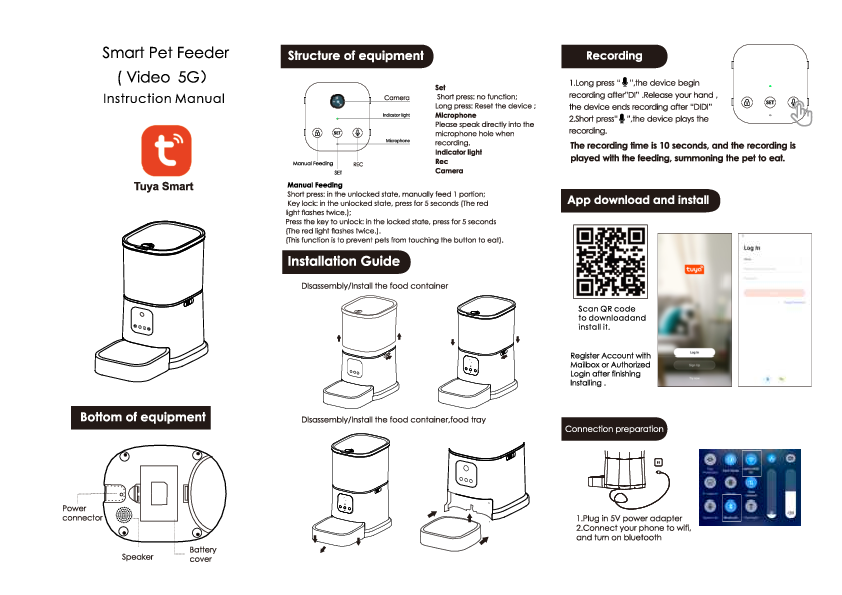
Smart pet feeder guide: learn features, benefits, and buying tips for happy pets.
I’ve built and tested feeders, fixed jams, and coached pet owners for years. This smart pet feeder guide packs clear steps, buying tips, setup help, and safety notes so you can pick and use the right feeder for your dog or cat with confidence. Read on for practical advice, lessons from real use, and quick checklists to avoid common mistakes.
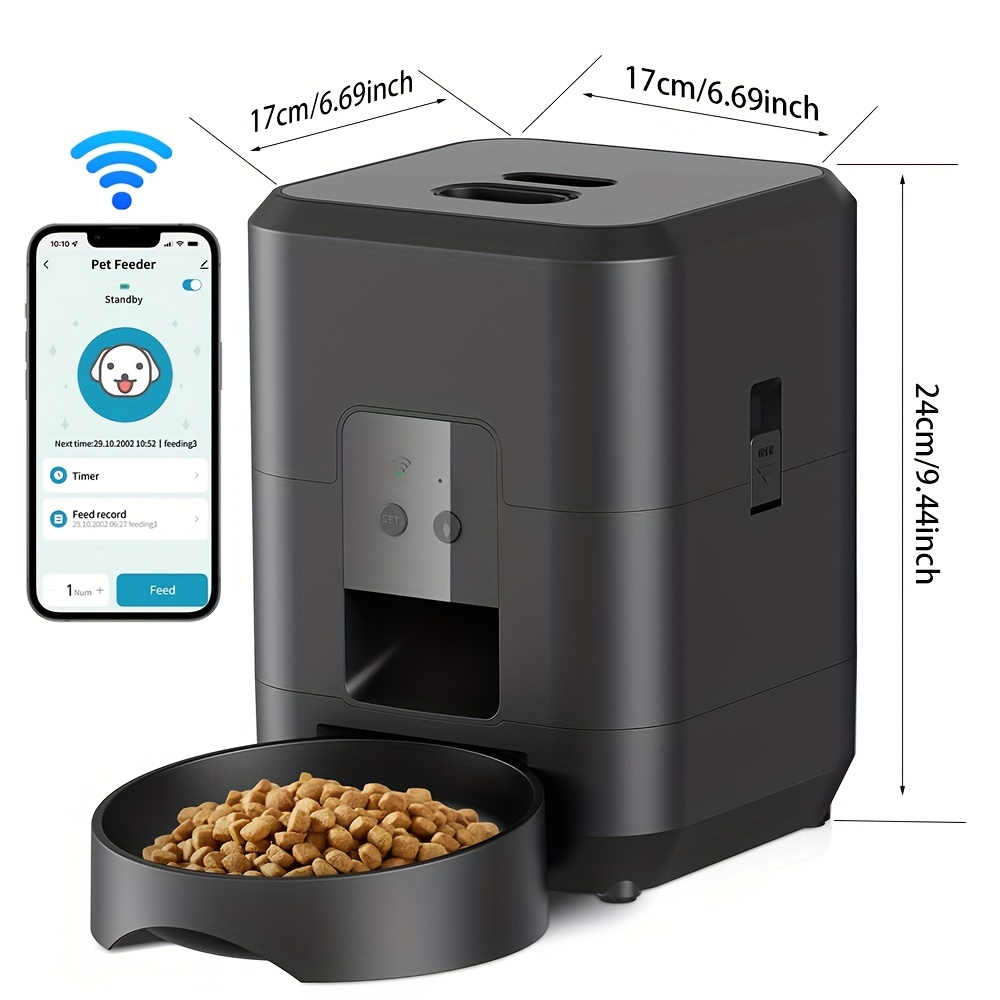
How smart pet feeders work
A smart pet feeder is an automated device that dispenses food on a schedule or by remote command. Most use motors, timers, and an app or Wi‑Fi to control portions. Some offer voice messages, cameras, and weight sensors to monitor intake.
Key parts:
- Hopper: holds dry food and funnels it to the dispenser.
- Dispenser: moves the food using an auger or gravity.
- Controller: schedules portions, usually via an app.
- Power: battery, AC adapter, or both for backup.
This smart pet feeder guide explains how each part affects reliability and pet safety. Knowing the basics helps you compare brands and avoid models that clog or misportion.

Benefits of using a smart pet feeder
Smart feeders save time and reduce stress. They help with portion control, keep pets on routine, and support pets with special diets.
Main benefits:
- Consistent meals: schedule exact times and portions.
- Portion control: prevent overeating and weight gain.
- Remote feeding: feed from anywhere via an app.
- Monitoring: cameras and logs track eating habits.
This smart pet feeder guide highlights benefits for single pets, multi‑pet homes, and busy owners. Real results: my cat stopped begging at the door once meals were regular and portioned.

Key features to look for
Not all feeders are equal. This smart pet feeder guide focuses on features that matter in real life.
Look for:
- Portion size control: choose grams or adjustable scoops.
- No‑clog mechanisms: auger or wide chute to avoid jams.
- Battery backup: keeps feeding during power outages.
- App reliability: clear schedule, remote feed, and alerts.
- Camera and mic: view and speak to your pet, if desired.
- Food type support: dry kibble only or wet food compatibility.
- Multi‑pet management: separate bowls or RFID tags for pets.
Pick features that match your pet’s habits. For example, my dog needs exact portions, so I prefer feeders with gram control and secure lids.
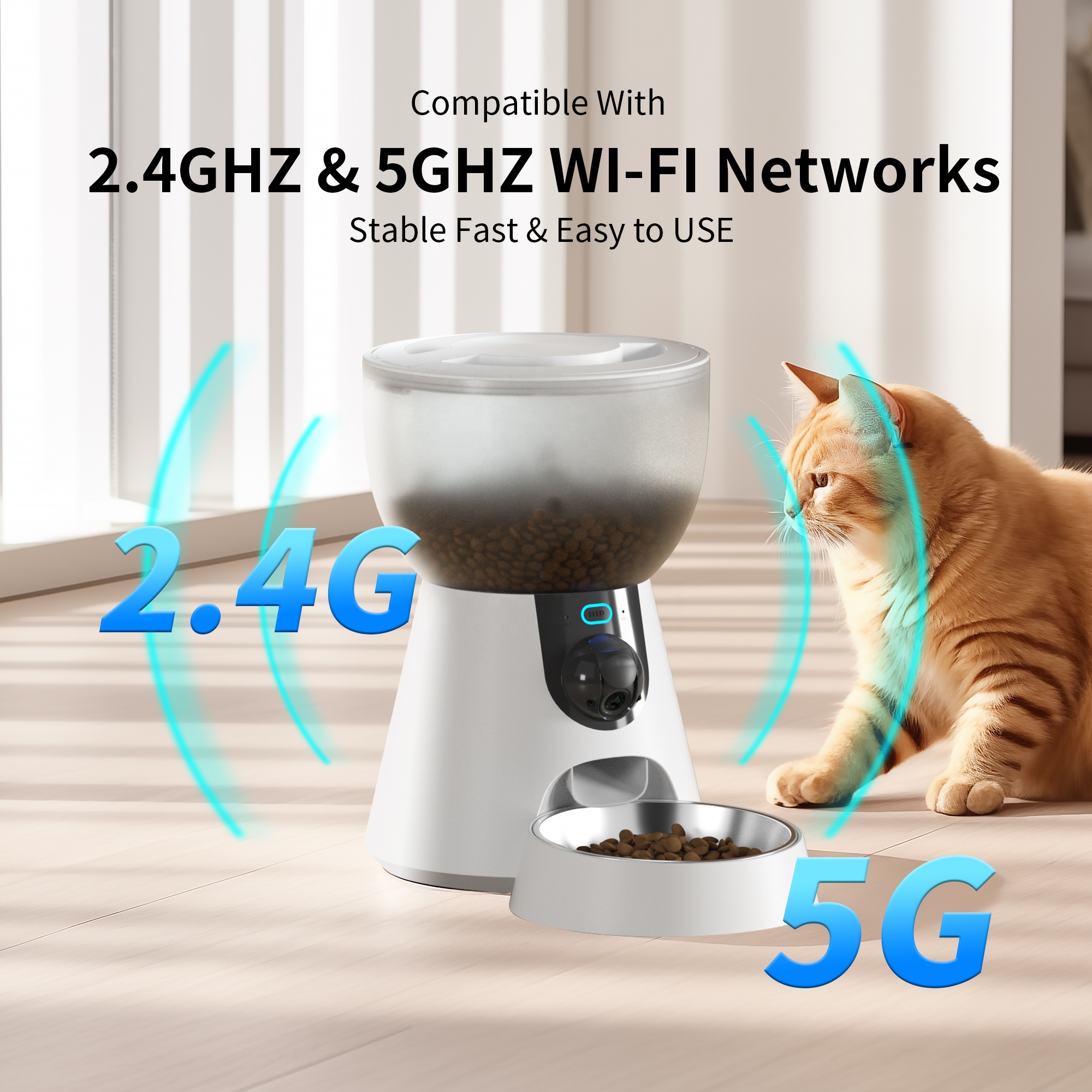
Buying checklist: how to choose the right model
Use a checklist to compare models quickly. This smart pet feeder guide gives a simple buying flow you can follow.
Before you buy:
- Measure food type: confirm feeder fits your kibble size.
- Check capacity: larger hoppers mean fewer refills.
- Read app reviews: stability matters more than extras.
- Test power options: choose battery backup for trust.
- Assess cleaning ease: removable bowls and parts matter.
- Look for warranty and support: easy replacements reduce stress.
Compare two or three models with this checklist. My tip: buy from sellers with clear return windows. I returned one feeder due to poor app updates and got a better unit quickly.

Setup and daily use tips
A smooth setup reduces headaches. This smart pet feeder guide walks you through setup and daily habits.
Setup steps:
- Place feeder on stable surface away from moisture.
- Fill with the right kibble and test one manual feed.
- Connect to app and set local time first.
- Run a few dry tests to confirm portion sizes.
- Teach your pet: pair the first scheduled feed with praise.
Daily habits:
- Check hopper level each day.
- Clean bowl weekly to avoid buildup.
- Keep an extra set of batteries on hand.
My experience: always run three test feeds before trusting the schedule. That caught a miscalibration on one device and saved me from underfeeding.

Maintenance and troubleshooting
Maintenance keeps feeders reliable. This smart pet feeder guide lists common issues and fixes.
Common problems and fixes:
- Jams: empty hopper, clear chute, and run a test cycle.
- App disconnects: reboot router, update firmware, and re-pair device.
- Wrong portions: re-calibrate in app or try a different portion setting.
- Power failures: use battery backup or UPS for long outages.
Parts to clean:
- Hopper interior, feeder chute, and bowl.
- Wipe electronics with a dry cloth only.
I learned to keep a small brush for the chute. A 30‑second clean prevents most jams.

Safety, nutrition, and pet behavior
Feeding affects health and behavior. This smart pet feeder guide covers safety and diet basics.
Safety tips:
- Use feeders for dry kibble unless label allows wet.
- Avoid glass or heavy bowls that can tip.
- Supervise initial days to ensure your pet adapts.
- Keep cords out of reach to prevent chewing.
Nutrition and behavior:
- Follow vet-recommended portion sizes.
- Use slow-feed settings for fast eaters.
- For multi‑pet homes, use RFID bowls so each pet gets only their food.
If your pet shows weight change or appetite loss, consult a vet. Smart feeders help, but they do not replace medical advice.
My experience and practical lessons
I’ve used multiple models and tested features in real homes. This smart pet feeder guide shares what worked and what failed.
Lessons learned:
- Reliability beats features: a stable app and solid motor matter most.
- Battery backup saved meals during a storm.
- Pets adapt in 3–7 days when you combine feeder use with training.
- Avoid models with many plastic fittings; they wear out faster.
A memory: I once trusted a cheap feeder that jammed mid‑trip. I switched to a model with an auger and never had a jam again. That mistake taught me to check build quality first.
Troubleshooting common problems
This smart pet feeder guide helps you fix the usual issues fast.
Quick fixes:
- Feeder not dispensing: check power, clear jams, and test manual feed.
- App errors: update app, reset device, and check Wi‑Fi range.
- Overdispensing: recalibrate, reduce portion size, or contact support.
- Pet fear of device: place treats near feeder and feed manually for a few days.
If problems persist, document errors and contact support with photos or video. Most companies respond faster with clear evidence.
Frequently Asked Questions of smart pet feeder guide
What types of food work in smart pet feeders?
Most smart pet feeders are for dry kibble. A few models handle semi‑moist or wet food with special trays, but always check the product specs.
Can smart feeders help with pet weight loss?
Yes. Smart pet feeders allow precise portion control and scheduled meals, which support weight management when paired with vet advice.
Are smart pet feeders safe for kittens and puppies?
Yes, with supervision. Use small portions and monitor eating habits. Avoid models that dispense large clumps.
Do smart feeders need Wi‑Fi to work?
Some models need Wi‑Fi for app features. Others run offline on a timer. Choose the type that fits your internet reliability.
How often should I clean the feeder?
Clean bowls weekly and the hopper monthly. Wipe electronics with a dry cloth and deep‑clean parts per the manual.
Can multiple pets use one smart feeder?
Yes, if the feeder supports multi‑pet features like RFID or separate bowls. Otherwise, use multiple feeders to avoid food stealing.
Conclusion
This smart pet feeder guide gives clear steps to choose, set up, and maintain an automated feeder. Use the buying checklist, run test feeds, and pick a model with reliable power and app support. Start small, watch your pet for a week, and adjust portions as needed. Try one tip today: run three manual test feeds before leaving the house; it prevents most surprises. If this guide helped, share your experience or ask a question below — I’d love to help you pick the right feeder.
