
Terrarium substrate vs sand: choose substrate for plants and pets by drainage, moisture, and safety.
I have spent years building terrariums and caring for reptiles and plants. I write to help you pick between terrarium substrate vs sand with clear facts, hands-on tips, and real examples. This guide explains how each option performs for plants, animals, humidity, and maintenance. Read on to make a smart choice for your terrarium setup.

Why substrate matters for terrariums
Substrate sets the stage for life in a terrarium. It controls water flow, root health, and microbe balance. The right choice keeps plants green and animals safe.
Substrate affects these key factors:
- Drainage and water retention. Some mixes hold water. Others drain fast.
- Root support. Plant roots need space to grow and anchor.
- Microbial life. A healthy mix supports good bacteria and fungi.
- Animal safety. Sharp or dusty substrates can harm small animals.
Choosing between terrarium substrate vs sand means weighing these factors. Good choices boost plant growth and cut down mold risk.
Sand as a terrarium substrate
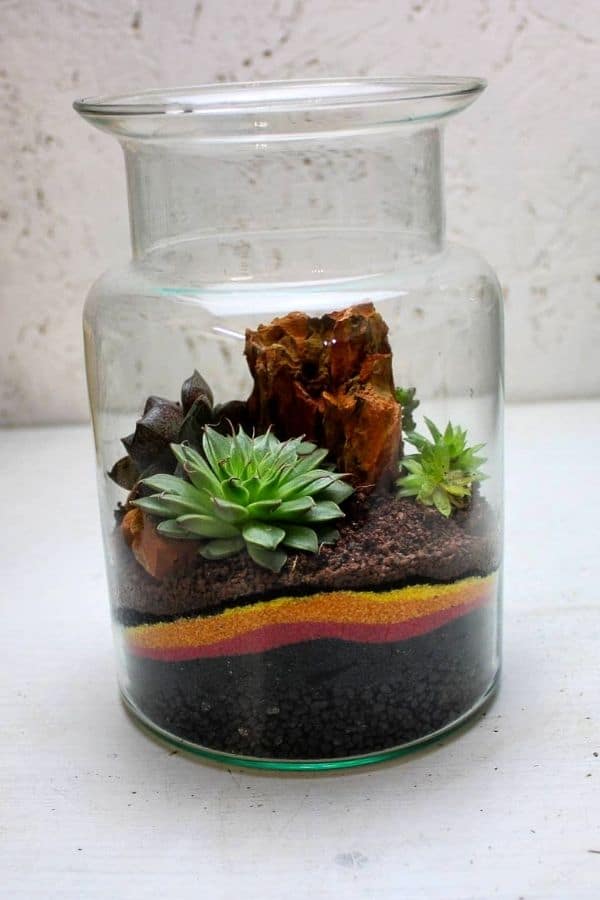
Sand is common and cheap. It looks clean and fits desert themes. But it has limits.
Types of sand used:
- Play sand. Soft and cheap. It can compact over time.
- Silica sand. Fine and clean. Dust may harm lungs.
- Coarse aragonite sand. Good for some reptiles, holds shape.
Pros of sand:
- Low cost and easy to source.
- Realistic look for desert scenes.
- Drains quickly when coarse.
Cons of sand:
- Compacts and becomes anaerobic in moist setups.
- Hard for plant roots to spread.
- Dust can irritate lungs of animals and handlers.
- Not ideal for humid or planted terrariums.
When weighing terrarium substrate vs sand, sand often wins for desert vivariums. It loses for planted or humid enclosures.
Specialized terrarium substrates and mixes
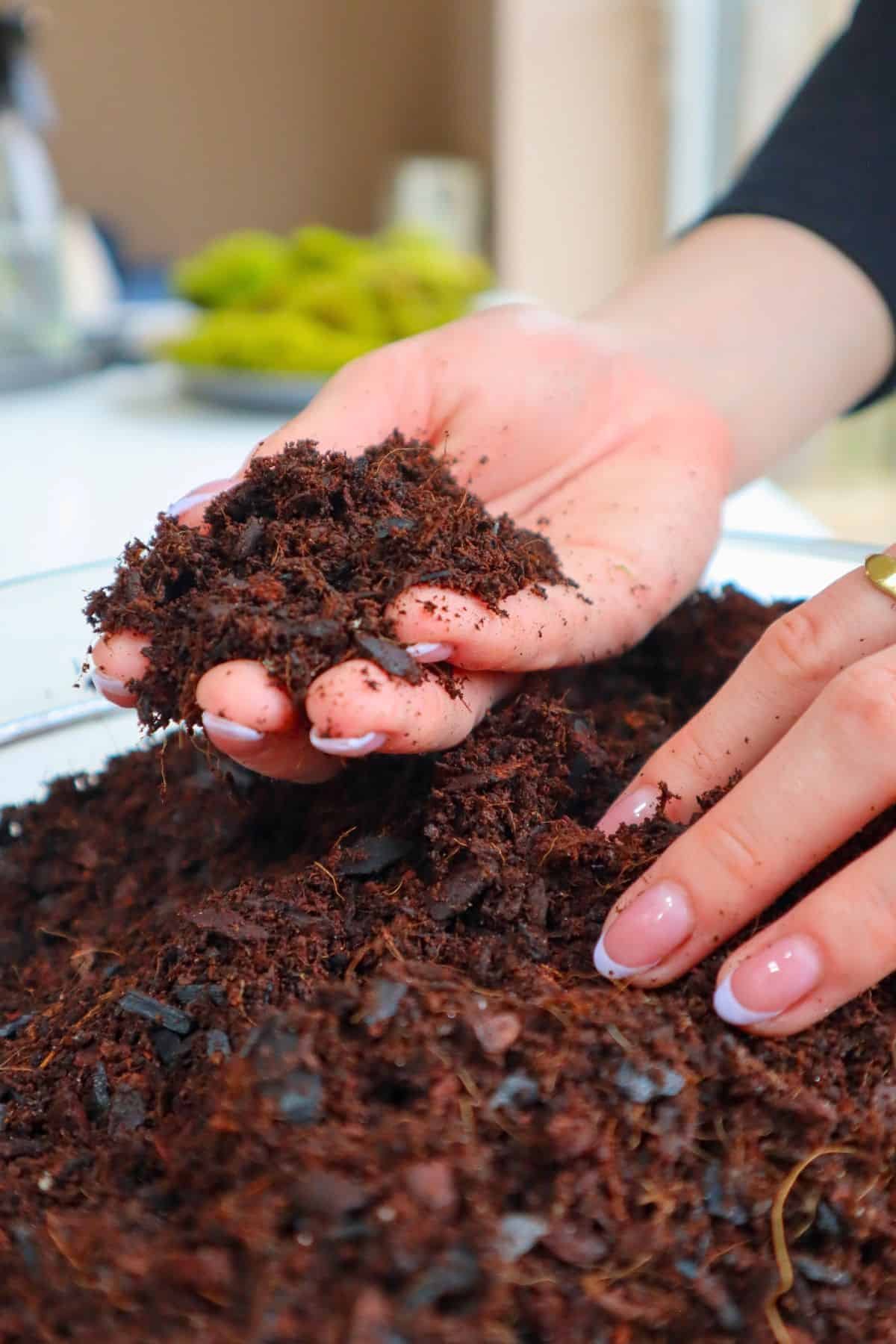
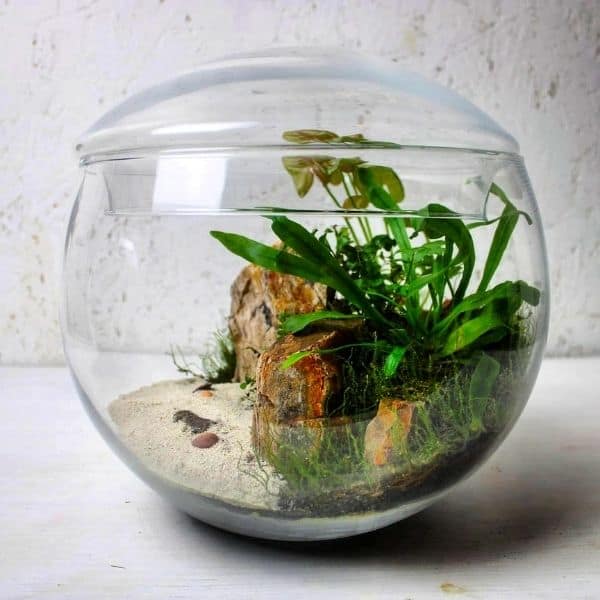
There are many ready mixes built for terrariums. They aim to balance moisture and drainage.
Common substrates:
- Coconut coir. Holds moisture and is light. Mix with perlite for drainage.
- Orchid bark. Adds air space and is good for epiphytes.
- Topsoil blends. Rich but must be sterilized and low in fertilizers.
- LECA (expanded clay). Great for drainage and hydro-style setups.
- Bioactive soil. Mix with leaf litter and microbes for cleanup crews.
Benefits of specialized mixes:
- Tailored water balance for plants and animals.
- Better root space than sand.
- Supports beneficial life like springtails and isopods.
In many setups, these substrates beat sand. For terrarium substrate vs sand debates, specialized mixes usually offer more habitat health.
Terrarium substrate vs sand: side-by-side comparison
Here is a clear look at how they differ by need.
Drainage and water retention
- Sand: Drains fast when coarse, but fine sand can form a dense layer that holds water and suffocates roots.
- Substrate mix: Tuned to balance moisture. Layers help prevent waterlogging.
Plant health
- Sand: Poor for most plants. Roots struggle in compact sand.
- Substrate mix: Supports root growth and nutrient cycles.
Animal safety
- Sand: Risky for burrowers and animals that can ingest fine particles. Some species may thrive on specific sands.
- Substrate mix: Safer for many animals when chosen right. Less dust and more structure.
Aesthetic and theme
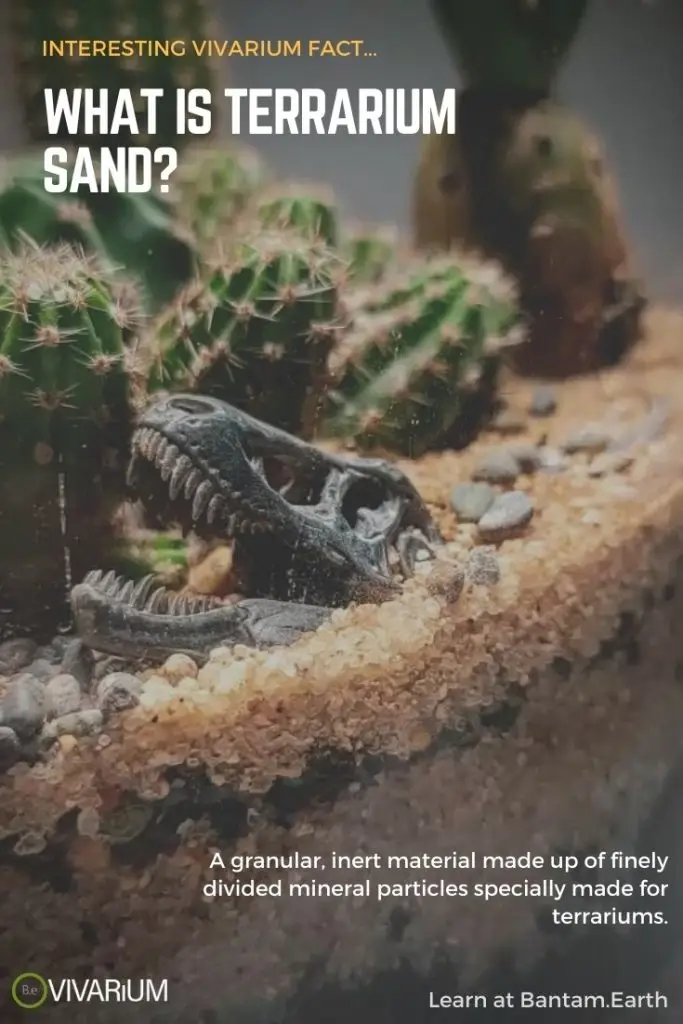
- Sand: Great for deserts and dunes.
- Substrate mix: Better for forests, tropical scenes, and planted terrariums.
Maintenance
- Sand: Hard to clean when mixed with waste. Compaction needs replacement.
- Substrate mix: Can support cleanup crews and be spot cleaned. Replacement intervals vary.
Cost and availability
- Sand: Very cheap and easy to find.
- Substrate mix: Varies by brand and materials. Often more costly but pays off in health.
When you compare terrarium substrate vs sand, consider your plants and animals first. The right substrate meets species needs and reduces long-term work.

How to choose between terrarium substrate vs sand
Make a short checklist. Match the substrate to your goals.
Step 1: Identify your habitat type
- Desert or arid species typically do well on sand or arid mixes.
- Tropical plants and frogs need moisture-retentive mixes with drainage.
Step 2: Know the species needs
- Burrowers may need loose, deep sand or soil mixes that allow digging.
- Plants need a substrate that holds roots and nutrients.
Step 3: Think about humidity and watering
- Low humidity setups can use sand or dry mixes.
- High humidity needs a substrate that resists compaction and mold.
Step 4: Consider maintenance time
- If you want low upkeep, choose a substrate that supports cleanup crews.
- If you prefer clean looks and easy swaps, sand can be handy for specific builds.
Step 5: Test small before full setup
- Try a small sample. Watch for compaction, mold, and plant response.
These steps make the terrarium substrate vs sand choice clearer. Match your choice to life inside the tank.
Setup and maintenance tips for substrate and sand
Set up right and you will avoid many problems.
Layering basics
- Use a drainage layer under moist setups. Gravel or LECA works well.
- Add a barrier like mesh to stop mix from falling into the drain.
- Top with your chosen substrate or sand.
Planting and watering
- Water lightly at first. Heavy watering can compact sand and mixes.
- Use a mist bottle for delicate plants. Avoid flooding.
Cleaning and long-term care
- Spot clean waste and mold as soon as you see it.
- Replace sand if it compacts or stores too much waste.
- Refresh substrate mixes every 1 to 3 years depending on use.
Safety tips
- Rinse sand thoroughly to remove dust.
- Use gloves and a mask when handling dusty substrates.
- Avoid certain sands with additives that may harm animals.
Good setup cuts down on the classic terrarium substrate vs sand problems. Small habits keep the tank healthy.
Personal experience and common mistakes
I once used fine play sand under a collection of ferns. The sand compacted. Roots died and mold grew. I learned to avoid fine sand in humid, planted tanks.
What I do now:
- I use a base of LECA in wet setups for drainage.
- I mix coconut coir with perlite for planted terrariums.
- For desert builds I pick a coarse sand that drains and does not cake.
Common mistakes to avoid:
- Using fine sand in humid setups.
- Skipping a drainage layer in planted tanks.
- Not rinsing sand and substrate before use.
These lessons come from years of trial and error with terrarium substrate vs sand. Try a small setup first and learn as you go.
Frequently Asked Questions of terrarium substrate vs sand
What is better for plants, sand or a substrate mix?
A substrate mix is better for most plants. It holds nutrients, allows roots to grow, and resists compaction.
Can reptiles live on sand safely?
Some desert reptiles can live on specific sands, but many species face impaction or respiratory risk from fine sand. Always check species needs.
How often should I replace substrate or sand?
Replace substrate mixes every 1 to 3 years depending on use. Sand may need replacing sooner if it compacts or gets contaminated.
Is sand OK for a bioactive terrarium?
Fine sand is not ideal for bioactive terrariums because it compacts and limits life. A layered soil mix with leaf litter supports cleanup crews better.
Can I mix sand with other substrates?
Yes. Mixing coarse sand with soil or coir can improve drainage for desert-style planted tanks. Test a small mix before full use.
Does sand cause mold or bacteria issues?
Fine sand can trap moisture and create anaerobic pockets, which promote bacteria and mold. Coarse, dry sands are less prone to this.
Conclusion
Choosing between terrarium substrate vs sand comes down to the plants and animals you keep, the humidity you need, and how much work you want to do. Use sand for dry, desert setups and choose well-balanced substrate mixes for planted or humid terrariums. Try small tests, rinse and prepare materials, and watch how your terrarium responds. Start a setup today, learn from the first season, and adjust as you gain confidence. Share your results or ask questions to grow your terrarium skills.
