
Fish color fading usually signals stress, poor water quality, disease, or aging in aquarium and wild fish.
I’ve worked with hobbyists and vets for years fixing faded fish, and this guide explains why fish color fading happens, how to diagnose it, and clear steps to restore vibrant hues. Expect practical tips, biology-backed causes, troubleshooting checklists, and real-world experience to help you protect your fish and their colors.
 display: block; margin: 0 auto;”
loading=”lazy”
/>
What fish color fading means and why it matters
Fish color fading is a visible loss of pigment, contrast, or sheen. It can be slow or sudden. Fading matters because it often reveals underlying issues like stress, poor water, illness, or nutritional gaps. Healthy color usually equals healthy fish, though some species naturally change color with age or breeding.
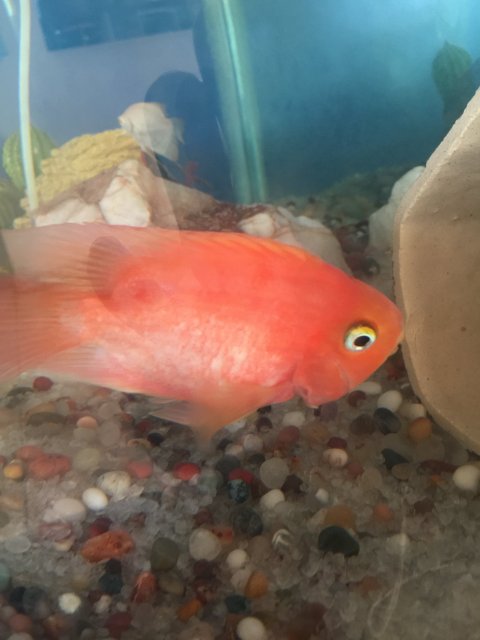
Common causes of fish color fading
Fish color fading can come from many sources. Here are the most frequent causes I see in tanks and ponds.
- Stress and environmental shock
- Rapid temperature changes, aggressive tankmates, and sudden light changes can cause fading within hours to days.
- Water quality problems
- High ammonia, nitrite, nitrate spikes, or wrong pH weaken fish and dim pigment.
- Poor diet and nutrition
- Diets low in carotenoids and vitamin-rich foods reduce reds, oranges, and yellows.
- Disease and parasites
- Viral, bacterial, and parasitic infections often include pallor or patchy fading.
- Aging, breeding, or natural cycles
- Some fish naturally pale during spawning or as part of aging.
- Genetic or species-specific traits
- Some breeds are prone to color loss as they mature or under captive conditions.

How pigment works: simple biology behind fish color fading
Color in fish comes from specialized cells called chromatophores. There are several types that produce different colors.
- Melanophores
- Produce blacks and browns.
- Xanthophores and erythrophores
- Produce yellows and reds via carotenoids.
- Iridophores
- Reflect light to create metallic and blue hues.
When fish are stressed, hormonal and cellular changes can shrink or move these cells. Poor diet reduces the raw materials (like carotenoids) needed for bright color. Diseases can damage skin and scales where chromatophores live, causing noticeable fading.

Signs to watch for when your fish are losing color
Find fading early by checking these signs daily.
- Gradual loss of deep hue across the body
- Patchy or irregular fading rather than uniform change
- Clamped fins, listless swimming, or hiding alongside color loss
- Loss of appetite or breathing problems
- Visible spots, lesions, or abnormal slime coat
If color fades but behavior and appetite stay normal, it might be diet or a natural cycle. If behavior changes, assume illness or poor water and act fast.

Diagnosis checklist: steps to find the cause
Follow this simple diagnostic order. I use this routine when helping hobbyists.
- Test water parameters first: ammonia, nitrite, nitrate, pH, temperature.
- Observe behavior: are fish eating, breathing fast, or hiding?
- Check tankmates for bullying or nipping.
- Review feeding history and diet variety.
- Inspect fish closely for spots, ulcers, or parasites.
- Quarantine sick fish for closer observation and treatment.
This order saves time and pinpoints the most likely causes quickly.

Treatment and corrective actions for fish color fading
Treat the root cause, not just the symptom. These steps helped me restore color in many tanks.
- Fix water quality first
- Do partial water changes, correct temperature, and stabilize pH.
- Improve diet immediately
- Add carotenoid-rich foods: shrimp, krill, spirulina, and color-enhancing flakes or pellets.
- Reduce stress
- Reorganize decorations to provide hiding spots and reduce aggressive interactions.
- Treat disease when present
- Use appropriate medications for parasites, bacteria, or fungal signs, and follow dosage carefully.
- Use quarantine
- Move affected fish to a clean quarantine tank to prevent spread and control treatment.
- Consider lighting
- Provide natural-spectrum lighting on a consistent schedule to boost color without overexposure.
Act within 24–72 hours for best results when fading is sudden.
Preventing fish color fading long-term
Prevention is cheaper than treatment. These habits protect color and health.
- Maintain stable, clean water with routine testing
- Feed a varied, nutrient-dense diet every day
- Avoid overcrowding and incompatible tankmates
- Use appropriate lighting and consistent day-night cycles
- Schedule regular partial water changes and substrate cleaning
- Quarantine new fish for at least two weeks before adding to the main tank
Think of routine care as daily color insurance.

Species examples and special cases
Some species respond to conditions differently. Know your fish.
- Bettas and guppies
- Highly responsive to diet and stress; color can recover quickly with care.
- Cichlids
- May darken or pale with mood, dominance, or breeding; social structure matters.
- Goldfish and koi
- Color shifts can be seasonal and diet-driven; genetics play a big role.
- Saltwater reef fish
- Sensitive to lighting, parasites, and specialized diets; rapid fading often signals poor water or disease.
When I worked with a local koi pond, a switch to live foods and lower nitrate consistently returned reds within weeks.
Personal experience and lessons learned
I once helped a hobbyist whose angelfish faded after a heater failure. The fish stopped eating and lost color in two days. After stabilizing the tank, improving diet, and a two-week quarantine treatment, color returned to about 80 percent. Key lessons I learned:
- Act fast on environmental changes.
- Small diet upgrades make a big visual difference.
- Quarantine prevents broader outbreaks and speeds recovery.
These real outcomes show that careful, steady fixes restore color more reliably than quick fixes.
People also ask
Why does my fish suddenly lose color overnight?
Sudden color loss usually points to acute stress, a temperature swing, or a chemical spike like ammonia. Check water parameters and recent changes immediately.
Can poor diet cause permanent color loss?
Poor diet often causes reversible color loss if corrected early, but long-term deficiencies can lead to permanent pigment decline. Improve diet with carotenoid-rich foods to restore color.
Is color fading always a sign of disease?
No. Color fading can be natural, stress-related, dietary, or disease-related. Look for behavior changes or lesions to distinguish illness from other causes.
Frequently Asked Questions of fish color fading
What immediate steps should I take if my fish is fading?
Test water parameters, change 20–30 percent of water, and isolate any sick fish if possible. Improve diet and reduce stressors while you monitor the fish.
How long does it take for color to return after fixing the problem?
Color can return in days to weeks depending on the cause; diet-related changes often show results in one to three weeks. Serious disease or long-term damage can take longer or may not fully reverse.
Can lighting alone cause fish color fading?
Yes, poor lighting or abrupt light changes can dull color. Use stable, aquarium-appropriate lights and slow transitions when adjusting lighting.
Are there safe color-enhancing supplements?
Some supplements boost natural pigments safely when used as directed. Choose products with carotenoids and follow recommended dosages; never overuse medications as color enhancers.
Should I treat all faded fish with medication?
No. Only treat with medication when diagnosis shows infection or parasites. Unnecessary medications can stress fish and worsen color loss.
Is color fading reversible in older fish?
Older fish can regain some color with excellent care, but age-related fading may be only partially reversible. Focus on comfort, diet, and water quality to give them the best outcome.
Can stress from tankmates cause color fading?
Yes. Bullying and chasing can trigger chronic stress and gradual color loss. Separate aggressive fish or redesign the tank to reduce conflict.
Conclusion
Fish color fading is a clear signal that something needs attention. Check water, improve diet, reduce stress, and treat illness promptly to restore color and health. Small daily habits prevent most fading and protect your fish for the long run. Try the checklist in this article, subscribe for more care guides, and share your experience or questions in the comments so we can help you troubleshoot.
