
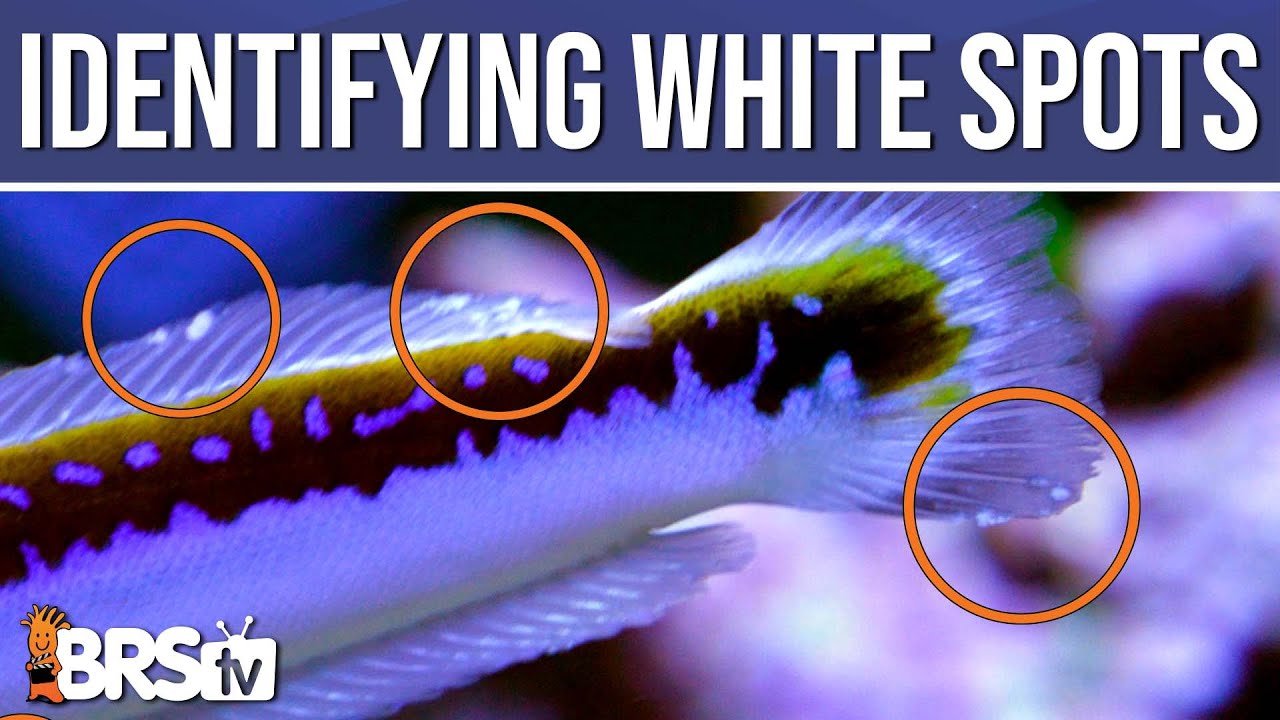
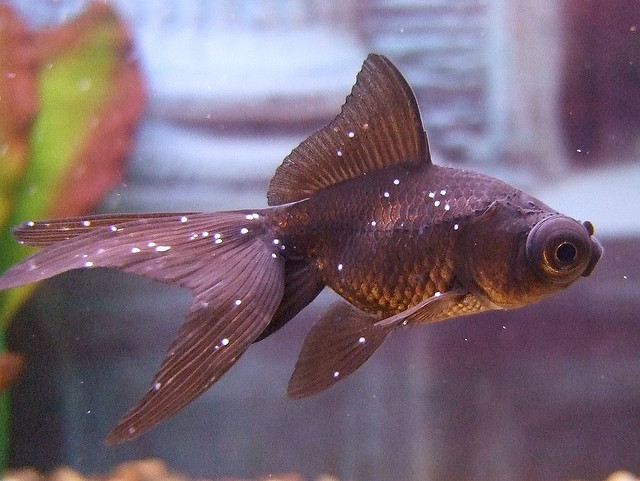
Fish white spots are usually ich, a common parasitic infection that affects aquarium fish.
I have treated dozens of tanks with fish white spots over the years, and I know how alarming those tiny dots can feel. This guide explains what causes fish white spots, how to spot them early, how to treat them safely, and how to prevent them from returning. I combine hands-on aquarium experience with practical, research-backed steps so you can rescue affected fish and protect your entire tank.
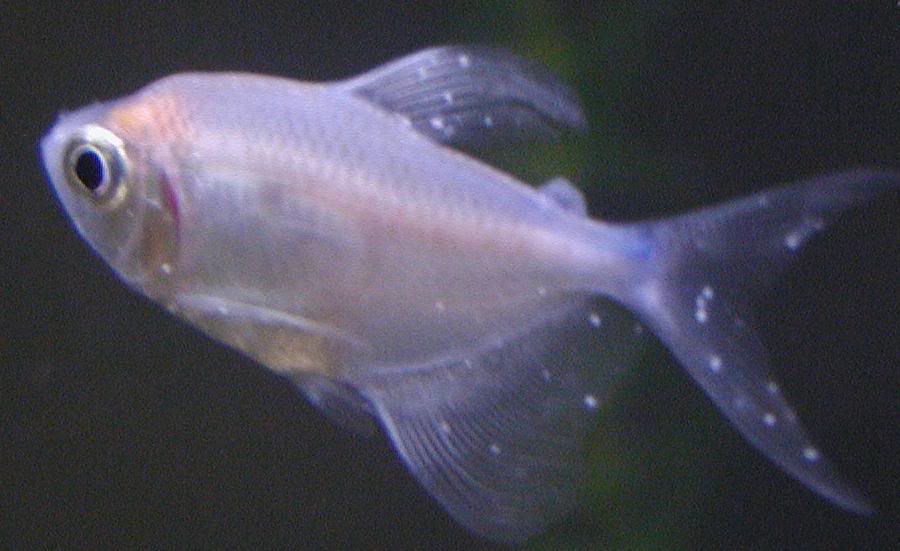
What are fish white spots?
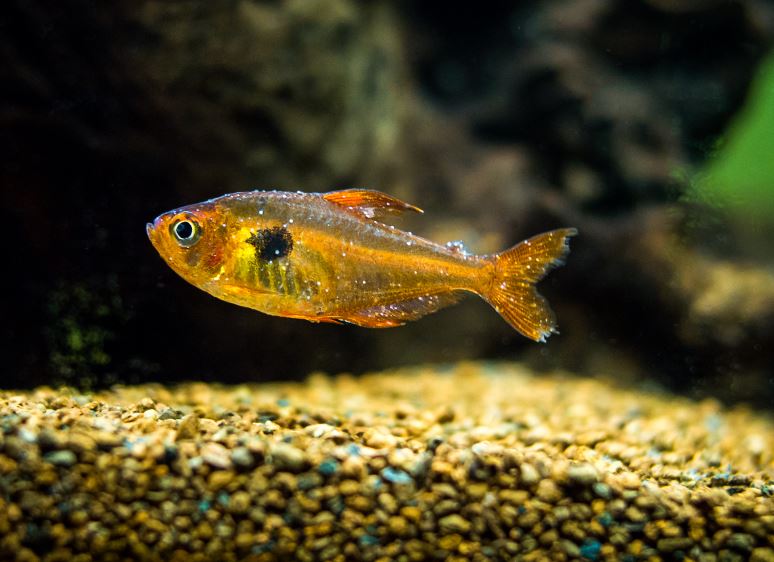
Fish white spots most often refer to ichthyophthirius multifiliis, commonly called ich. Ich is a protozoan parasite. It attaches to fish skin, fins, and gills and produces visible white cysts. These cysts look like grains of salt or sugar.
Other issues can also cause white spots. These include fungus, bacterial infections, or physical injuries that scar and pale. Correctly identifying the cause is key. Misdiagnosis leads to wrong treatment and wasted time.
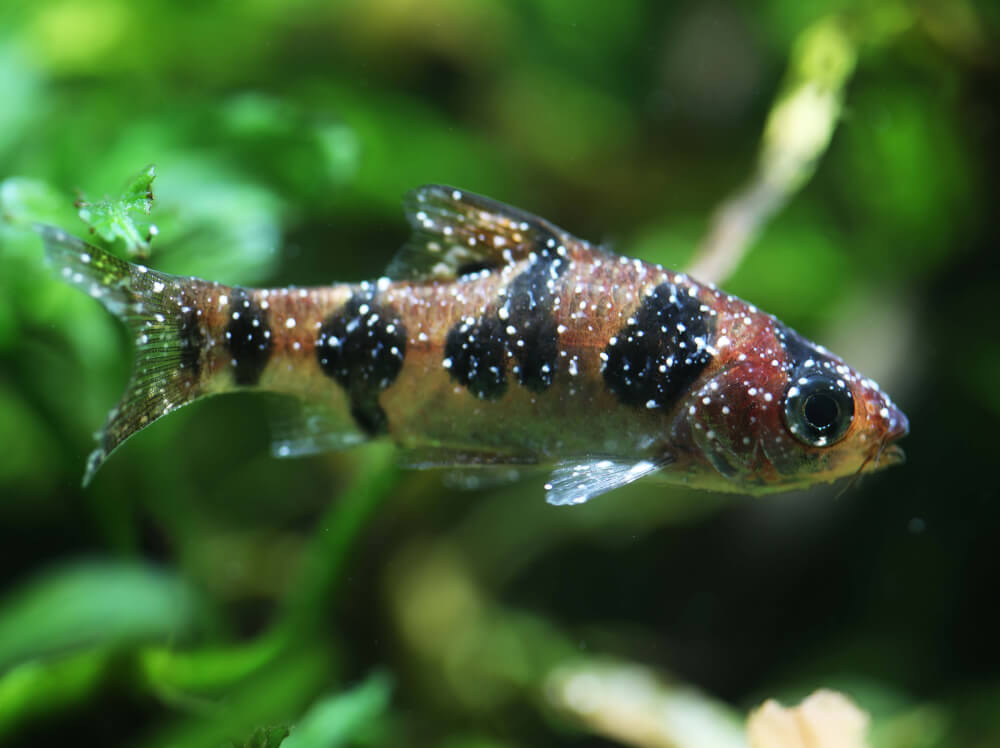
Common causes of fish white spots
- Parasites
- Ich is the leading cause of fish white spots in freshwater aquariums.
- Marine tanks can get a similar parasite called Cryptocaryon.
- Poor water quality
- Stress from high ammonia or nitrite levels weakens fish and invites infections.
- Sudden pH or temperature swings also promote disease.
- New introductions
- New fish, plants, or decorations can carry parasites.
- Quarantine is essential to reduce risk.
- Overcrowding and stress
- Crowded tanks increase transmission rates for parasites.
- Aggression and poor nutrition lower fish immunity.
I once added a single seemingly healthy barbit back to a community tank and watched ich spread in two weeks. That taught me to quarantine every new addition, no exceptions.
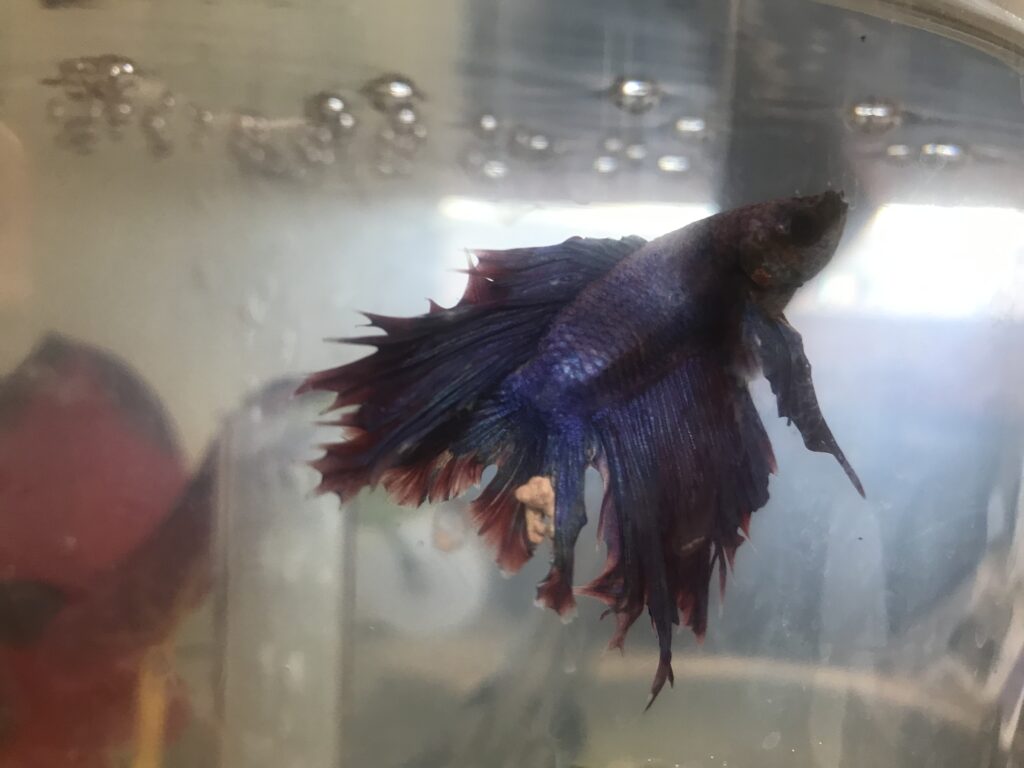
Symptoms and how to spot them
- Visible white dots
- Tiny raised spots on the body, fins, or gills; like salt grains.
- Scratching or flashing
- Fish rub against surfaces to relieve irritation.
- Lethargy and appetite loss
- Infected fish eat less and hide more.
- Labored breathing
- Gill damage or heavy parasite load makes breathing hard.
- Increased mucus or clamped fins
- Early signs before obvious spots appear.
Early detection helps. If you see one affected fish, check others closely. Spots often appear after stress or temperature change.

Diagnosing fish white spots
- Observe closely
- Count spots and note location. Gill spots mean serious infection.
- Test water
- Measure ammonia, nitrite, nitrate, and pH. Poor water mimics disease.
- Quarantine and monitor
- Place suspect fish in a quarantine tank to watch progression.
- Microscopic check
- If possible, examine a scrap under a microscope to confirm parasites.
- Rule out fungus and bacteria
- Fungal patches are fuzzy, not grain-like. Bacterial ulcers are open and red.
Diagnosis should balance observation and simple testing. I often use a spare quarantine tank and a basic test kit to confirm.

Treatment options for fish white spots
- Increase temperature for freshwater ich
- Raise tank to 78–82°F (26–28°C) to speed the parasite life cycle.
- Monitor oxygen levels; warm water holds less oxygen.
- Salt treatment
- Non-chlorinated aquarium salt at safe doses can reduce parasites.
- Not suitable for all species; avoid salt with most invertebrates.
- Medications
- Formalin, malachite green, and copper-based treatments can work.
- Follow dosage instructions. Remove carbon from filters before medicating.
- Clean and vacuum substrate
- Ich has free-swimming stages in gravel. Vacuuming reduces reinfection.
- Quarantine and repeat treatment
- Treat quarantine tank for at least one parasite life cycle.
- For ich, continue until no new spots appear for several days.
I learned the hard way that treating only visible spots fails. Treat through full life cycles and combine methods safely.
Preventing fish white spots
- Quarantine new fish for 2–4 weeks
- Observe and treat any issues before adding to main tank.
- Maintain excellent water quality
- Regular testing and weekly partial water changes keep stress low.
- Avoid sudden temperature and pH changes
- Make slow adjustments when needed.
- Reduce stressors
- Provide hiding spots and appropriate tank mates.
- Use prophylactic measures when needed
- Short salt dips or observation protocols can help after stressful events.
Prevention is often cheaper and less stressful than cure. A consistent maintenance routine saved my community tank from repeated outbreaks.
Tank management and water quality
- Regular testing routine
- Check ammonia, nitrite, nitrate, pH, and temperature weekly.
- Filtration and flow
- Use adequate filtration and maintain regular media changes.
- Water changes
- Perform 10–30% weekly water changes depending on stocking.
- Clean decor and equipment
- Rinse new decor in tank water and disinfect used gear.
- Balanced feeding
- Overfeeding causes spikes in ammonia. Feed only what fish consume in a few minutes.
Good tank management reduces stress and disease. I keep a maintenance log to track water values and treatments.

When to seek professional help
- Rapid deterioration
- If many fish show severe symptoms, contact a vet or experienced aquarist.
- Sensitive or rare species affected
- Professional care may prevent permanent loss.
- Recurrent outbreaks
- Specialists can help identify root causes not obvious to hobbyists.
- Complicated combined infections
- Secondary bacterial or fungal infections sometimes require advanced treatment.
A professional opinion can save valuable fish. I consult a vet when medicating sensitive or expensive fish.
Frequently Asked Questions of fish white spots
What exactly causes fish white spots?
Fish white spots are most commonly caused by the parasite ichthyophthirius (freshwater) or Cryptocaryon (marine). Stress and poor water quality often trigger outbreaks.
Can I treat fish white spots with salt alone?
Salt can help freshwater fish by reducing parasite stress, but it usually works best combined with temperature control or medication. Salt is not suitable for all species.
How long does it take to get rid of fish white spots?
Treatment usually takes several weeks because you must break the parasite life cycle. Continue until no new spots appear for several days.
Will fish white spots go away on their own?
Mild cases sometimes clear if fish are unstressed and water quality is perfect, but relying on natural recovery risks spreading the parasite to other fish. Active treatment is safer.
Should I remove plants when treating fish white spots?
Live plants can be kept, but check medication compatibility. Some treatments harm plants and invertebrates, so use a quarantine tank when possible.
Can I use over-the-counter remedies for fish white spots?
Many OTC remedies are effective when used correctly. Read labels, follow dose instructions, and avoid mixing incompatible treatments.
Conclusion
Fish white spots are usually treatable when caught early and managed carefully. Test water, quarantine new animals, and follow full treatment cycles to stop reinfection. My best advice: act early, keep calm, and prioritize steady tank care to prevent future outbreaks. Try the steps here, monitor your tank closely, and share results or questions—your experience can help other aquarists too.
