
Fish fin rot is a common, treatable bacterial or fungal infection that erodes fins and tails.
I have treated and studied fish fin rot for years, helping hobbyists save many-loved fish. This guide explains what fish fin rot is, how to spot it early, proven treatments, prevention tips, and realistic expectations. Read on for practical steps, quick diagnostics, and dependable care strategies that come from hands-on aquarium experience and scientific understanding.
What is fish fin rot?
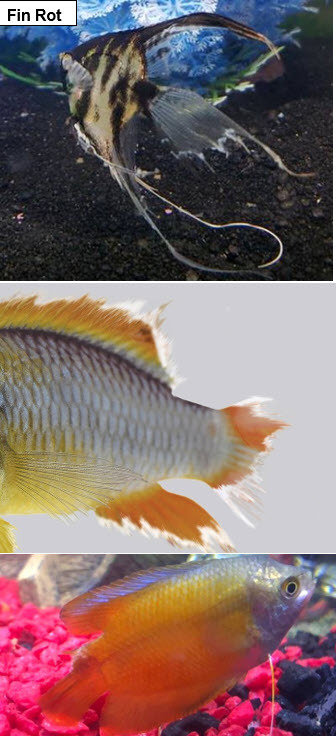
Fish fin rot describes tissue breakdown at the fins or tail caused by bacteria, fungi, or both. It often starts as ragged edges and moves inward toward the body. This condition is not a single disease but a symptom complex that results from infection and tissue decay. Early detection of fish fin rot greatly improves the chance of full recovery.

Causes of fish fin rot
Fish fin rot often appears when fish are stressed or living in poor water conditions. Common causes include:
- Poor water quality. High ammonia, nitrite, or nitrate levels make tissue vulnerable.
- Physical injury. Torn fins from tank decor or fights provide entry points.
- Overcrowding. Stress and aggression increase disease risk.
- Temperature shock. Rapid changes lower the fish’s immune response.
- Opportunistic bacteria and fungi. Aeromonas, Pseudomonas, and certain fungal species are frequent culprits.
- Underlying illness. Parasites or other infections weaken defenses and invite fin rot.
Understanding these drivers helps you treat and prevent fish fin rot more effectively.
Symptoms and stages of fish fin rot
Recognizing fish fin rot early is key. Signs to watch for:
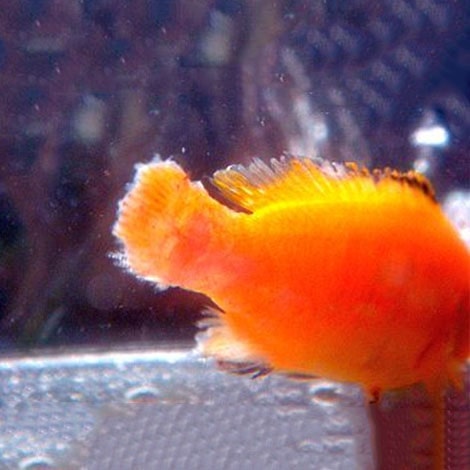
- Frayed or shredded fin edges at the start.
- Color change at the margins from bright to pale, brown, or black.
- Progressive shortening as tissue dies back toward the body.
- Red or inflamed base of the fin signaling active infection.
- White fuzzy growth indicates fungal involvement.
- Listless or appetite-loss behavior accompanies severe cases.
Early-stage fin rot affects only edges. Advanced fish fin rot reaches fin rays and the body, risking systemic illness.
Diagnosing fish fin rot
Quick checks you can do at home:
- Measure water: test ammonia, nitrite, nitrate, pH, and temperature.
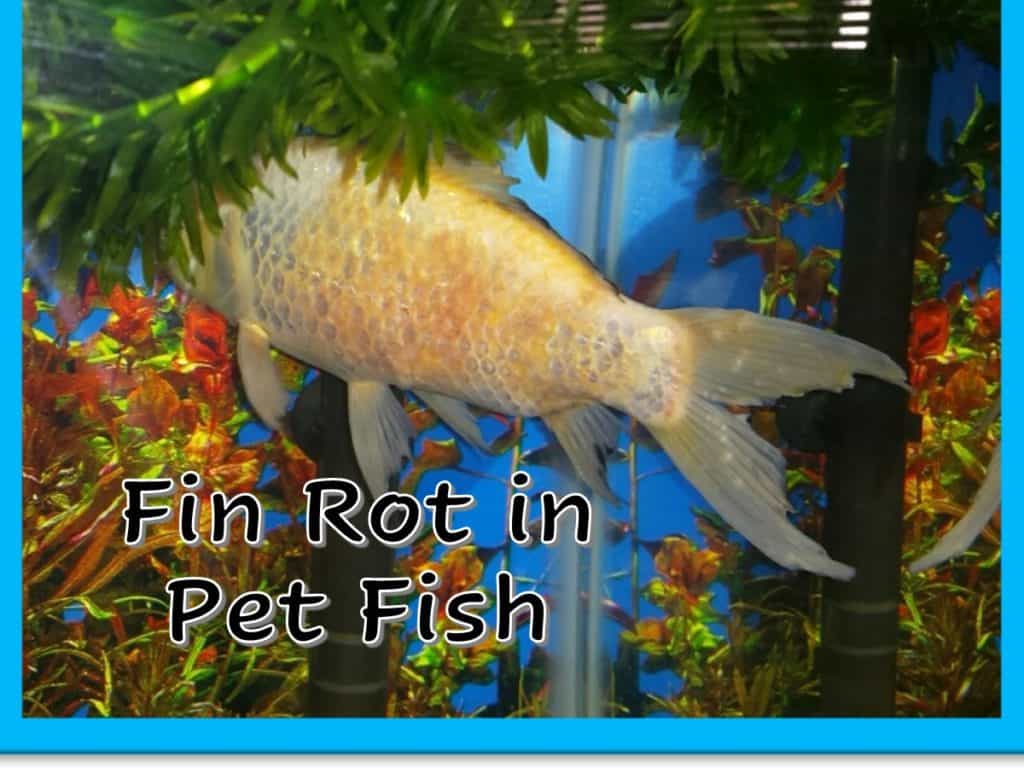
- Inspect fins under good light to spot fraying, discoloration, or fuzz.
- Observe behavior for scratching, hiding, or reduced feeding.
- Compare photos or ask experienced hobbyists for second opinions.
- If unsure, collect a clear photo and consult an aquatic vet.
Lab tests can identify specific bacteria, but most home treatments are based on symptoms and water improvement.
Treatment: step-by-step approach for fish fin rot
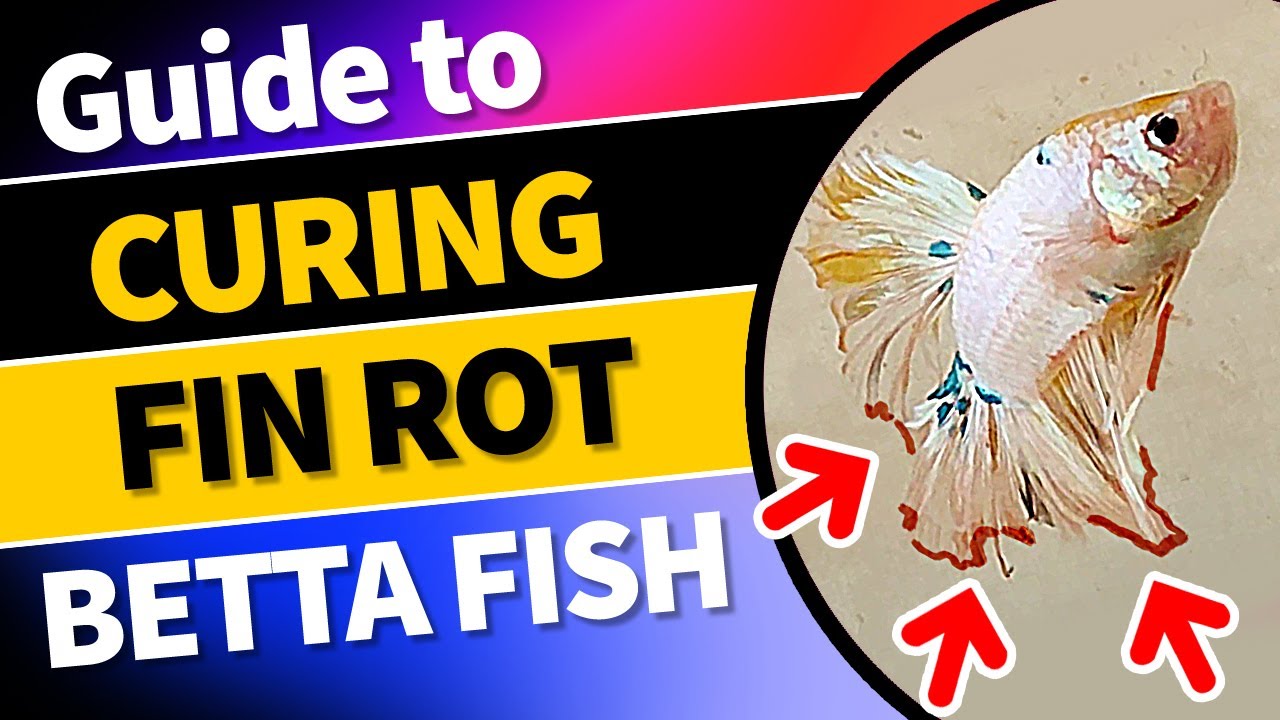
Treat fish fin rot with a calm, structured plan. Steps that work reliably:
- Stabilize water quality
- Do a partial water change, 25–50% depending on readings.
- Remove any uneaten food and debris.
- Adjust temperature slowly to the species’ recommended range.
- Isolate the fish when practical
- Use a quarantine tank for sick fish to reduce stress and stop spread.
- Quarantine makes dosing safer and more controlled.
- Treat the infection
- Use a broad-spectrum antibacterial or antifungal product labeled for fish fin rot.
- Consider freshwater salt baths or aquarium salt if species tolerate sodium.
- Repeat treatments as directed and monitor improvement.
- Support recovery
- Improve diet with high-quality, varied food to boost immunity.
- Keep lighting and handling minimal while the fish heals.
Many cases of fish fin rot respond within a week if water improves and treatment starts early.

Medications and natural remedies for fish fin rot
Options include commercial meds and home-support methods. Use care and follow labels:
- Antibiotics. Products with erythromycin, kanamycin, or broad-spectrum mixes target common bacteria.
- Antifungals. Helpful when white, cottony growth is visible.
- Aquarium salt. Low-dose salt baths can reduce stress and kill some pathogens for many freshwater species.
- Natural remedies. Melaleuca-based (tea tree) or herbal products may help mild cases, but evidence varies.
- Topical care. In extreme cases, vets can perform topical debridement.
Always check species sensitivity before medicating. Some fish (like scaleless types) tolerate salt poorly. If unsure, ask an aquatic vet.

Prevention and long-term care to avoid fish fin rot
Prevention saves fish and money. Core practices:
- Keep water clean with regular changes and proper filtration.
- Maintain stable temperature and correct pH for your species.
- Avoid overfeeding and remove waste promptly.
- Quarantine new arrivals for 2–4 weeks.
- Provide hiding places and appropriate tankmates to reduce stress.
- Feed a balanced diet to strengthen immunity.
Good husbandry prevents most cases of fish fin rot before they start.

Aquarium water parameters and maintenance
Consistent water metrics are the backbone against fish fin rot. Key targets for most freshwater tanks:
- Ammonia: 0 ppm
- Nitrite: 0 ppm
- Nitrate: below 20–40 ppm
- pH: species-specific, keep stable
- Temperature: species-specific, avoid sudden swings
Routine tasks that matter:
- Weekly partial water changes of 10–30% for stable tanks.
- Clean filter media in tank water to avoid killing beneficial bacteria.
- Test water regularly, especially after adding new fish or treatments.
Stable water reduces stress and makes the fish’s immune response effective against fish fin rot.
Personal experience and practical tips
I’ve treated dozens of cases of fish fin rot in community and species tanks. What I learned:
- Quick water tests and a 30% water change often stop early fin rot fast.
- Quarantining one sick fish prevented outbreaks in my tanks many times.
- I once lost a long-fin betta to delayed treatment; I now act fast at the first sign of fraying.
- Use precise dosages and avoid mixing medications without guidance.
A simple, calm routine and close observation are the best tools you have against fish fin rot.
Limitations, when to consult a vet, and humane decisions
Not all cases of fish fin rot respond to home care. Watch for these red flags:
- Rapid spread toward the body despite treatment.
- Systemic signs: severe lethargy, lack of buoyancy, or clamped fins.
- Multiple tankmates falling ill at the same time.
- Species that do poorly with salt or certain meds.
When these occur, consult an aquatic veterinarian. They can perform cultures, prescribe targeted antibiotics, and advise on humane choices. If a fish is suffering and unresponsive, discuss euthanasia options with a professional to prevent prolonged pain.
People also ask
How fast does fish fin rot spread?
Fish fin rot often spreads from the fin edges inward over days to weeks. Speed depends on water quality, stress, and the pathogen involved.
Can fish fully recover from fin rot?
Yes, many fish fully regenerate fins if treated early and water conditions improve. Severe cases may leave scarring or shortened fins.
Will aquarium salt cure fish fin rot?
Aquarium salt can help mild cases and reduce stress but is rarely a complete cure by itself. Combine salt with water improvement and proper medication for best results.
Frequently Asked Questions of fish fin rot
What causes fin rot in freshwater fish?
Fin rot is caused by opportunistic bacteria or fungi exploiting damaged tissue and poor water conditions. Stress and injuries make fish more vulnerable.
How do I treat fin rot quickly?
Improve water quality, isolate the fish if possible, and use an appropriate antibacterial or antifungal treatment while supporting the fish’s diet. Monitor closely.
How long does fin rot take to heal?
Mild fin rot can improve in days and heal in a few weeks. Severe fin rot may take longer and sometimes requires veterinary care.
Can fin rot spread to other fish?
Yes, the pathogens that cause fin rot can spread, especially in crowded or dirty tanks. Quarantine sick fish and improve tank hygiene to limit spread.
Is fin rot fatal?
It can be fatal if infection reaches the body or becomes systemic. Early action and good care dramatically reduce mortality.
Are there home remedies for fin rot?
Home care like water changes, salt baths (for tolerant species), and improved diet helps many cases. Use labeled medications when necessary.
Conclusion
Fish fin rot is common but manageable with fast action, clean water, and the right treatment. Watch your fish daily, test water frequently, and isolate and treat at the first sign of fraying. Your consistent care and quick response will save many fish from serious harm. Try the steps in this guide, subscribe for more practical aquarium care tips, and share your questions or success stories in the comments.
