
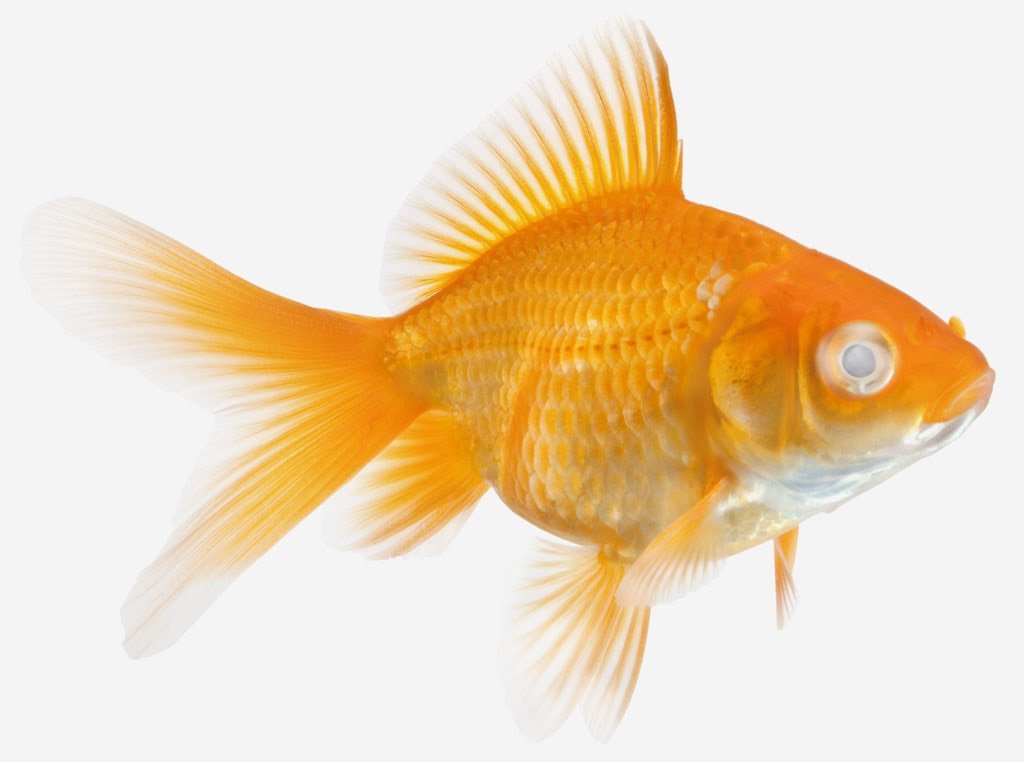
Fish cloudy eyes often signal infection, poor water quality, or physical injury in aquarium fish.
I have kept and treated aquarium fish for over a decade, and I routinely diagnose and manage cloudy eyes in many species. This guide explains what causes fish cloudy eyes, how to spot early signs, how to treat and prevent the problem, and practical tips you can use today to help your fish recover quickly and safely.

What does fish cloudy eyes mean?
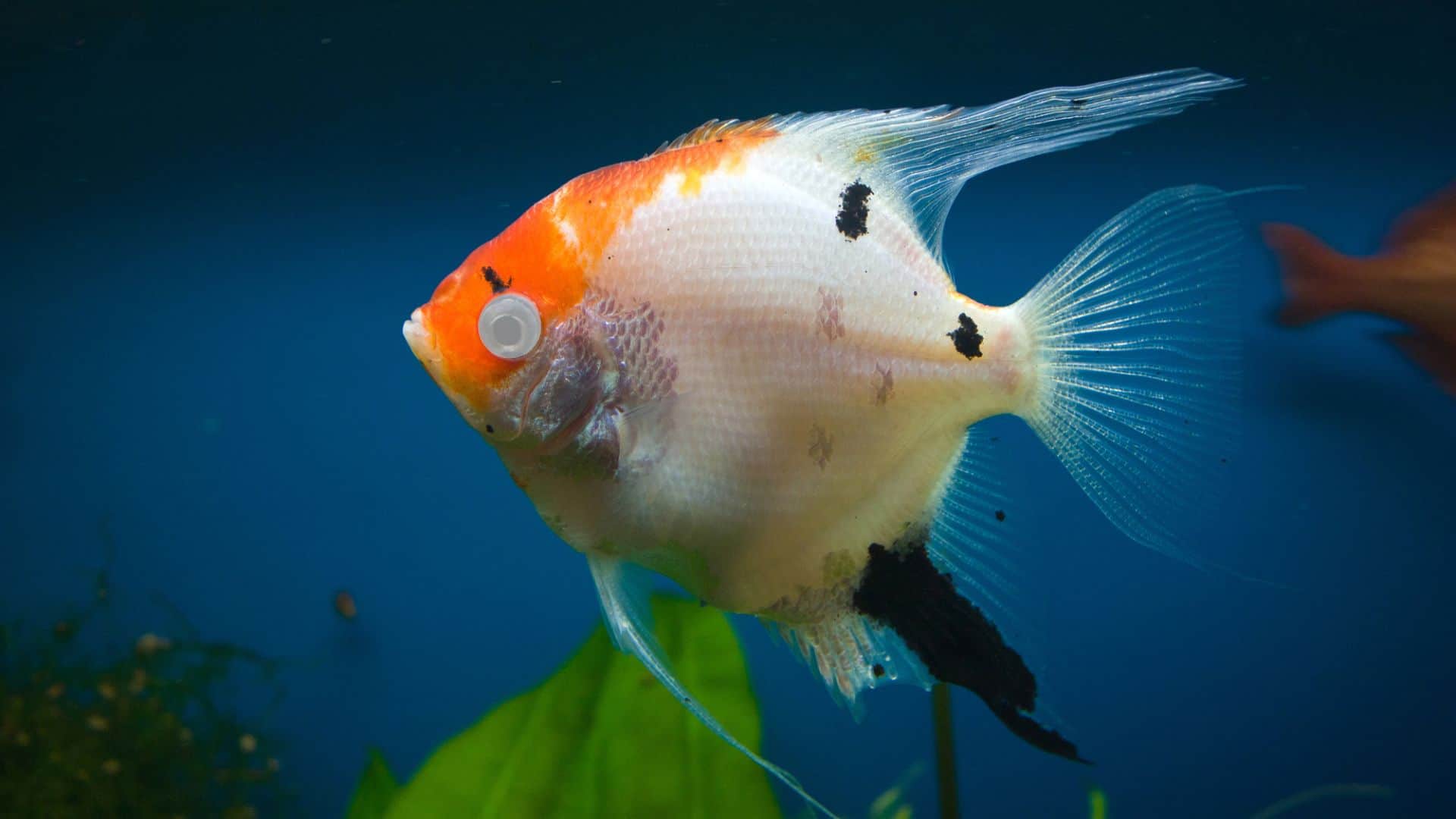
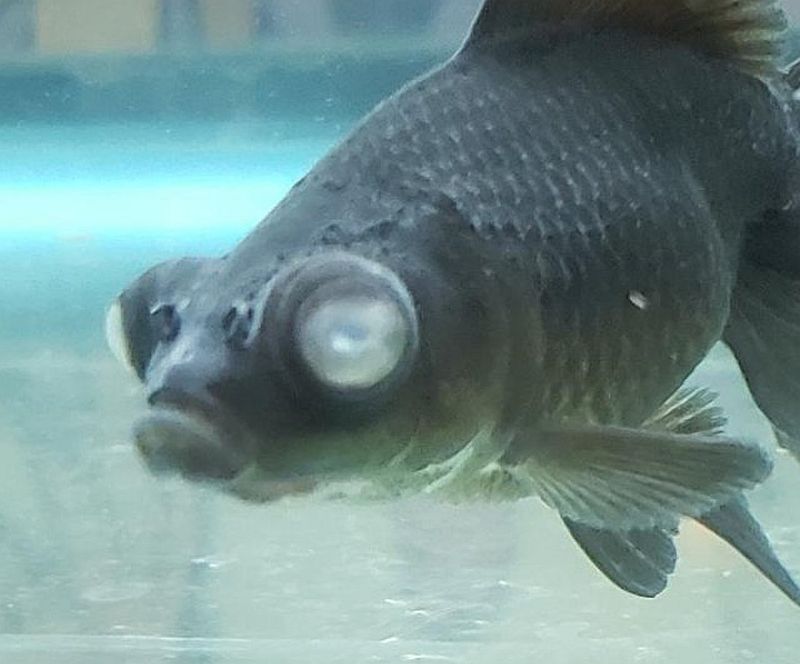
Cloudy eyes in fish describe a milky, opaque, or film-covered appearance over one or both eyes. This cloudiness can range from faint hazing to full white films that hide the pupil. The condition can affect vision and indicate underlying issues such as infection, injury, or poor tank conditions. Recognizing the pattern helps pick the right treatment and avoid vision loss.
Common causes of fish cloudy eyes
Cloudy eyes in fish can come from multiple causes. Identifying the cause helps choose the best action.
- Bacterial infection
- Bacteria can invade the eye after injury or because of poor water quality.
- Signs often include redness, swelling, and cloudy corneas.
- Parasitic infection
- External parasites can damage the eye surface and cause cloudiness.
- Often accompanied by scratching against decor or rapid breathing.
- Fungal infection
- Fungi may grow on damaged eye tissue, producing a fuzzy or film-like cloud.
- More common in cooler water or after antibiotic misuse.
- Physical injury
- Scrapes from tank decor, nets, or fights can scar the eye and produce cloudiness.
- Injuries may show localized clouding and a damaged cornea.
- Poor water quality and ammonia burns
- High ammonia, nitrite, or very low oxygen damage tissue and lead to cloudy eyes.
- Cloudiness from water chemistry often appears with other stress signs.
- Nutritional deficiencies
- Lack of vitamins, especially vitamin A, can cause eye degeneration and clouding.
- Usually gradual and seen with poor growth or overall dull color.
Symptoms to watch for
Spotting symptoms early gives the best chance to treat fish cloudy eyes effectively.
- Visible white or gray film over one or both eyes.
- Rubbing or flashing behavior against surfaces.
- Reduced feeding or bumping into tank objects.
- Redness or swelling around the eye area.
- Changes in swimming, hiding more, or listlessness.
- Secondary signs like fin rot, scale loss, or abnormal breathing.
Diagnosis and when to seek help
Diagnosing fish cloudy eyes requires checking multiple things. Test water and inspect the fish closely. Note if cloudiness is one-sided, sudden, or comes with other symptoms. For severe cases, contact an aquatic vet or experienced aquarist.
Common questions people ask when diagnosing fish cloudy eyes:
Is cloudy eye always an infection?
Not always. Cloudy eye can come from injury, water chemistry problems, or poor diet as well as infection.
How do I check water for causes?
Use test kits for ammonia, nitrite, nitrate, pH, and hardness, and check temperature stability.
When should I consult a vet?
If cloudiness is sudden, gets worse in 24–48 hours, or the fish stops eating, consult an aquatic vet.
Treatment options for fish cloudy eyes
Treatment depends on cause. Follow these steps for safe, effective care.
- Improve water quality immediately
- Perform partial water changes of 20–50% as needed.
- Test and correct ammonia, nitrite, and nitrate levels.
- Isolate the affected fish if possible
- Use a quarantine tank to reduce stress and limit spread.
- Keep water parameters stable and match main tank temperature.
- Medication for infections
- Broad-spectrum antibiotics can treat bacterial eye infections.
- Antifungal agents work for fungal growth on damaged eyes.
- Treat parasitic causes with appropriate antiparasitic drugs.
- Gentle wound care
- Clean a damaged eye by maintaining pristine water and adding salt carefully when species tolerate it.
- Do not apply human eye medications; use products labeled for aquarium use.
- Nutritional support
- Offer high-quality food rich in vitamins, especially vitamin A and E.
- Consider short-term feeding of immune-boosting foods or supplements.
Always follow product instructions and consider professional advice for dosing.

Prevention and tank management
Preventing fish cloudy eyes is easier than treating it. Maintain stable, clean conditions and good husbandry.
- Maintain stable water quality
- Test water weekly and perform regular partial water changes.
- Keep ammonia and nitrite at zero and nitrates low.
- Avoid overcrowding
- Provide adequate space per species and avoid aggressive mixes.
- Remove sharp decor
- Smooth sharp rocks and decorations to prevent eye injuries.
- Quarantine new fish and plants
- Quarantine for 2–4 weeks to catch infections early.
- Feed a varied, vitamin-rich diet
- Use pellets, frozen foods, and occasional fresh treats to cover nutritional needs.
- Monitor behavior daily
- Early detection of flashing, loss of appetite, or hiding prevents escalation.
Prognosis and recovery
Recovery depends on cause and how fast you act. Minor injuries and early bacterial or parasitic infections often respond well. Severe corneal damage or long-standing infections may leave scarring or partial blindness. Consistent care, clean water, and correct medications give the best outcomes.
My experience treating fish cloudy eyes
I once had a community tank where three tetras developed cloudy eyes after a heater failure raised ammonia. I performed immediate water changes and moved the fish to a quarantine tank. Within five days of water correction and antibiotic treatment, two fish improved; one retained a faint scar but resumed normal behavior. Key lessons: test water first, act fast, and keep a small quarantine setup ready.
Related conditions and terms
Understanding related issues helps avoid misdiagnosis.
- Popeye (exophthalmia)
- The eye bulges outward, sometimes alongside cloudiness.
- Ulcerative lesions
- Open sores near the eye suggest bacterial infection that needs stronger treatment.
- Corneal opacity
- Permanent scarring of the eye surface after severe damage.
- Flukes and ich
- External parasites that can irritate the eye and cause cloudiness indirectly.
Frequently Asked Questions of fish cloudy eyes
What is the fastest way to clear fish cloudy eyes?
The fastest practical step is to correct water quality and isolate the fish; many cases improve within days when ammonia and nitrite are fixed and stress is reduced.
Can cloudy eyes in fish heal on their own?
Mild cases from minor injury or temporary water issues can heal on their own if conditions are restored and the fish is not infected.
Is aquarium salt safe for treating cloudy eyes?
Aquarium salt can help some freshwater species by reducing stress and supporting gill function, but it is not a cure and may harm sensitive species or plants.
How long does treatment take?
Treatment time varies; expect improvement in 3–10 days for bacterial or parasitic causes, and weeks for fungal or severe injuries.
Should I remove fish decorations if eyes are cloudy?
Yes. Remove or smooth sharp decorations to prevent further injury and to limit places for bacteria or fungi to hide.
Conclusion
Fish cloudy eyes signal a problem that you can often fix with quick action, clean water, and the right treatment. Test tank chemistry first, isolate affected fish, and use appropriate medications or supportive care. Keep a quarantine tank and simple medication kit on hand to act fast. Try the prevention steps above to reduce risk and help your fish stay healthy. If you found this guide helpful, try applying these tips, subscribe for more aquarium care advice, or leave a comment about your experience with fish cloudy eyes.
