
Fish floating upside down usually signals a swim bladder issue, infection, or severe stress needing quick care.
I have treated many aquarium fish and studied fish health for years. This article explains why fish floating upside down happens, how to spot different causes, and practical steps to help your pet. Read on for clear, expert-backed advice you can use right away.
What does it mean when a fish is floating upside down?
When a fish is floating upside down, it usually means the fish cannot control its buoyancy. Buoyancy is how a fish keeps its place in water. The swim bladder is the organ that controls buoyancy. If it gets damaged, infected, or compressed, a fish may float belly-up or tilt. Other causes include constipation, poor water quality, sudden temperature change, or trauma.
Common quick reasons a fish floats upside down:
- Swim bladder disorder: Gas or organ damage prevents normal sinking or rising.
- Constipation or gut impaction: Blocked gut pushes on the swim bladder.
- Bacterial or parasitic infection: Inflammation affects the bladder or internal organs.
- Water problems: High ammonia, low oxygen, or sudden temperature swings stress fish.
- Physical injury: Hits or rough handling can injure internal organs.
Causes of fish floating upside down
The causes fall into clear groups. I list them so you can check each one fast.
Biological and medical causes
- Swim bladder disorder: The most common cause. Swim bladder cannot keep normal gas levels.
- Gut impaction: Dry food or gravel can block the intestines and press on the bladder.
- Bacterial infection: Internal infection can cause swelling and gas build-up.
- Parasites: Some parasites disrupt digestion and buoyancy.
- Dropsy and organ failure: Severe illness leads to swelling and blood chemistry issues.
Environmental causes
- Poor water quality: High ammonia or nitrite is toxic and weakens fish control.
- Low oxygen: Fish gasp and behave oddly; they may float awkwardly.
- Temperature shock: Rapid changes can cause stress and gas imbalance.
- Overfeeding: Excess food leads to constipation and bacterial blooms.
Mechanical or trauma causes
- Physical injury: Hits, netting damage, or other trauma can break the bladder.
- Genetic deformities: Some breeds, like fancy goldfish, are prone to swim bladder issues.

Signs and diagnosis
Spotting the right signs helps fix the problem fast.
Physical signs to watch
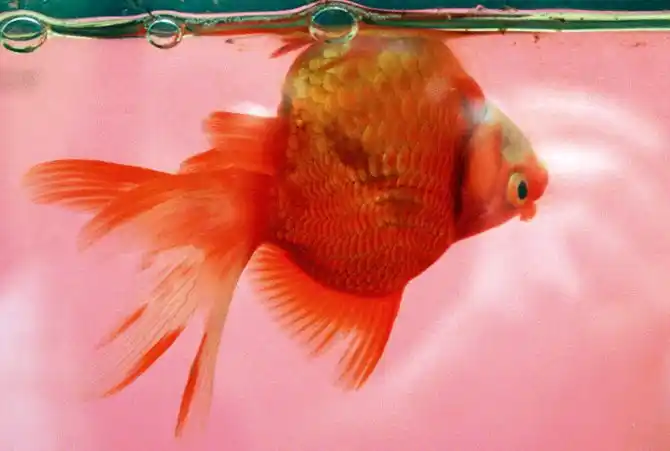
- Floating belly-up near the surface.
- Tilting to one side while swimming.
- Loss of appetite or lethargy.
- Bulging scales or a bloated belly.
- Rapid gill movement or gasping at the surface.
How to diagnose
- Check water with test strips for ammonia, nitrite, nitrate, pH, and temperature.
- Observe behavior for several hours to see if condition improves.
- Note recent diet changes or new tank mates.
- Isolate the fish to rule out aggression or parasites spreading.
If multiple fish show the same symptom, suspect water or infectious causes. If only one fish is affected, suspect swim bladder disorder, constipation, or injury.
How to treat a fish floating upside down
Treatments depend on cause. Use simple, safe steps first.
Immediate steps
- Move the fish to a quarantine tank with clean, conditioned water.
- Keep water temperature steady and appropriate for the species.
- Stop feeding for 24 to 48 hours to reduce gut load.
- Increase gentle aeration to raise oxygen levels.
Diet and home remedies
- Offer boiled, peeled peas (soft) to relieve constipation. Feed small amounts.
- Switch to high-quality, soaked pellets or frozen foods to prevent dry food blockages.
- Feed smaller amounts more often rather than one big meal.
Medical and professional care
- Use antibiotics only if a vet diagnoses a bacterial infection.
- Antiparasitics are for confirmed parasite issues.
- Seek a vet for X-rays or internal checks if the problem persists.
When to take a fish to a vet
- Fish is not improving in 48–72 hours.
- Multiple fish are affected.
- Signs of severe infection like open sores or extreme bloating.

Prevention tips to avoid fish floating upside down
Prevention beats treatment. These steps reduce risk.
Tank maintenance
- Test water weekly for ammonia, nitrite, nitrate, and pH.
- Do regular partial water changes of 20 to 30 percent weekly.
- Keep filters clean and sized for your tank.
Feeding and care
- Feed measured portions and avoid overfeeding.
- Soak dry food before feeding to reduce swelling in the gut.
- Offer varied diet with vegetables, live or frozen foods.
Species selection and habitat
- Choose species suited to your tank size and water type.
- Provide hiding places and gentle water flow for comfort.
Handling and transport
- Avoid rough netting and sudden moves.
- Quarantine new fish for two weeks to prevent disease spread.
My experience: a case that taught me a lot
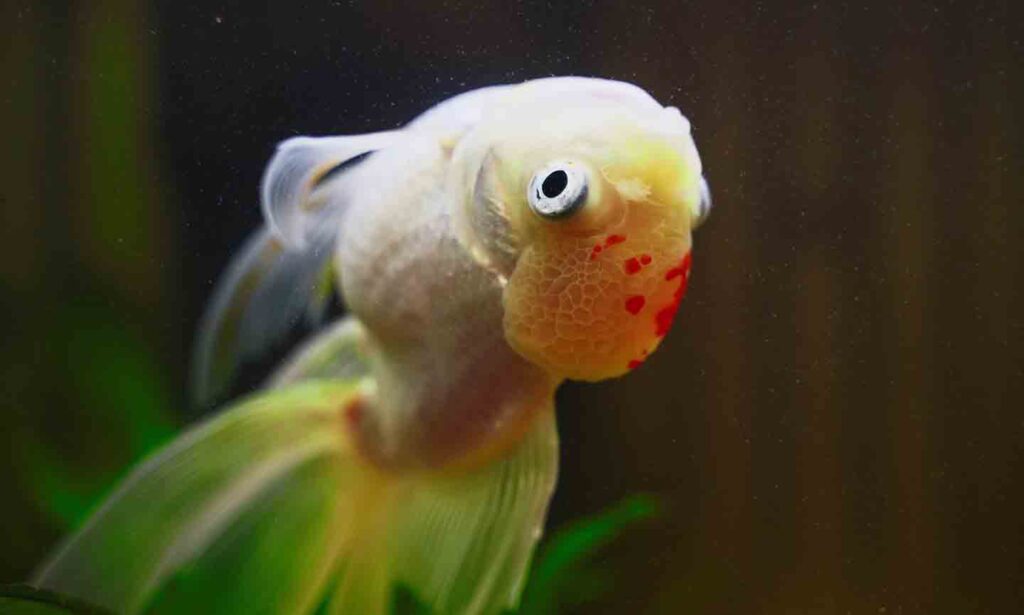
I once had a fancy goldfish go belly-up after a festival where I overfed it. The fish floated upside down and looked bloated. I moved it to a small quarantine tank, stopped feeding, and gave a pea after two days. The fish returned to normal in three days. Lesson learned: fancy shapes mean more risk. Smaller meals and careful handling matter.
That case taught me to always check water, isolate the fish, and try simple diet fixes first. If signs persist, seek a vet. Quick action saved the fish then.
People also ask
How long can a fish float upside down and live?
- A fish may survive hours to days depending on cause. Quick treatment improves odds a lot.
Will salt help a fish floating upside down?
- Aquarium salt can help some stress and gill issues but it does not fix swim bladder damage. Use salt with care and correct dosing for your species.
Can constipation cause a fish floating upside down?
- Yes. Constipation can press on the swim bladder and make a fish float belly-up. Fasting and feeding a pea can help.

Frequently Asked Questions of fish floating upside down
Why is my goldfish floating upside down?
Goldfish have a body shape that stresses the swim bladder. Overfeeding, constipation, or bacterial infections often cause them to float belly-up. Keep water clean and adjust diet to reduce risk.
Can temperature change make a fish float upside down?
Yes, sudden temperature shifts stress fish and can change gas levels in the swim bladder. Keep water temperature stable and adjust heaters slowly.
Is a fish floating upside down always dying?
Not always. Some fish recover with care, rest, and diet changes. Severe infections or organ damage can be fatal without prompt treatment.
Should I remove a floating fish from the main tank?
Yes, move the fish to a quarantine tank. Clean water and gentle care help recovery and prevent disease spread.
How do I prevent swim bladder problems?
Feed varied, soaked foods, avoid overfeeding, keep good water quality, and choose species suited to your tank. Regular maintenance cuts risks.
Can poor water quality cause multiple fish to float upside down?
Yes, toxins like ammonia or nitrite can affect many fish at once, causing abnormal buoyancy and other distress signs. Test water and do a partial change immediately.

Conclusion
Fish floating upside down is a clear sign that something is wrong. Common causes include swim bladder disorder, constipation, infections, and poor water quality. Act fast: isolate the fish, check water, and try simple diet fixes like fasting and peas. If the fish does not improve in a few days, seek professional help. Small steps now can save a fish and keep your tank healthy.
Take action today: test your water, adjust feeding habits, and watch fish closely. Share your experience or questions below and subscribe for more simple fish-care tips.
