
Fish sinking bottom usually means buoyancy issues, illness, or stress forcing fish to the tank floor.
I have kept and treated many sick fish, and I know how alarming it is to see a healthy pet suddenly sink. This guide explains why your fish sinking bottom happens, how to spot the cause, and practical steps to treat and prevent it. I blend hands-on aquarium experience with clear science to help you act fast and wisely when your fish sinks to the bottom.
Why fish sink to the bottom: common causes
Fish sinking bottom happens for many reasons. Most fall into health, environment, or behavior categories. Knowing the cause helps you choose the right fix fast.
- Buoyancy disorders
- Swim bladder issues make fish sink or float oddly.
- Water quality problems
- Low oxygen, high ammonia, or wrong pH harms fish and can make them sink.
- Temperature shock
- Cold water slows metabolism and mobility, causing sinking.
- Disease and parasites
- Bacterial or parasitic infections can weaken fish and affect buoyancy.
- Physical injury or stress
- Hits, rough handling, or bullying can lead to sinking behavior.
- Natural rest or sleep
- Some fish stay low when resting; not all sinking is an emergency.
I have seen juvenile goldfish sink after overfeeding. I have treated bettas that sank due to swim bladder disease. Each case needed a different fix.
Symptoms and signs to watch when fish sinking bottom
Spotting the right signs helps you act quickly. Not all sinking is the same. Look for these clear clues.
- Uncontrolled sinking or floating
- Fish cannot swim upright or maintain depth.
- Lethargy and low appetite
- Refuses food, hides, or stays motionless.
- Abnormal posture
- Tail up, head down, or tilted to one side.
- Gasping or rapid gill movement
- Often a sign of low oxygen or poor water quality.
- Visible spots, bloating, or wounds
- Suggest infection or injury.
PAA-style question: Why is my fish sinking bottom but still breathing?
Answer: If it breathes, the problem may be swim bladder or low energy from poor water. Test water and inspect for signs of disease.
Diagnosing the problem: step-by-step checks
A calm, stepwise check gives the best result. Follow these steps in order.
- Test water parameters
- Check ammonia, nitrite, nitrate, pH, and temperature.
- Observe behavior closely
- Note when and how the fish sinks. Night or after feeding?
- Inspect for physical signs
- Look for bloating, lesions, fins damage, or parasites.
- Isolate if needed
- Move the fish to a quarantine tank if disease is suspected.
- Try a simple treatment
- Adjust temperature, do a partial water change, and fast the fish for 24–48 hours.
From my experience, a quick water test solves many cases. Bad water is a common and fixable cause of fish sinking bottom.
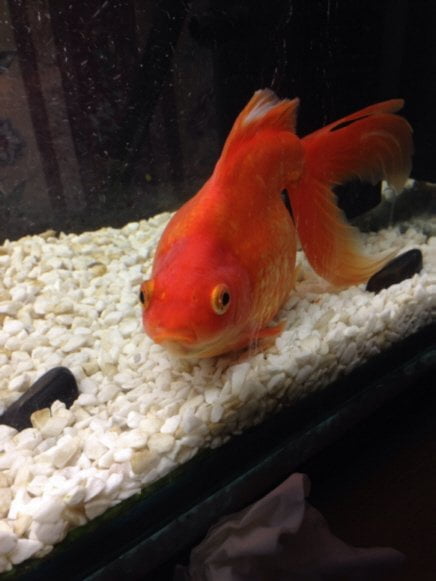
Treatment options for fish sinking bottom
Treatment varies by cause. Here are practical steps that work in home aquariums.
- For swim bladder problems
- Fast the fish for 24–48 hours, then offer peeled, cooked pea in tiny bits to relieve constipation.
- For poor water quality
* Perform a 25–50% water change and add dechlorinated water at the same temperature. - For low oxygen
- Increase surface agitation and add an air stone or pump.
- For infections
- Use targeted antibiotics or antiparasitic meds in quarantine after a proper diagnosis.
- For temperature shock
- Gradually raise water to the species’ ideal range over a few hours.
I once helped a friend whose goldfish sank after a feed binge. Fasting and peas fixed the issue in two days. That taught me to avoid overfeeding.
Preventing fish sinking bottom: husbandry and care tips
Prevention is easier than cure. Small habits protect your fish from sinking bottom issues.
- Maintain steady water tests
- Check ammonia, nitrite, and pH weekly.
- Keep stable temperature
- Use a reliable heater and thermometer.
- Feed correctly
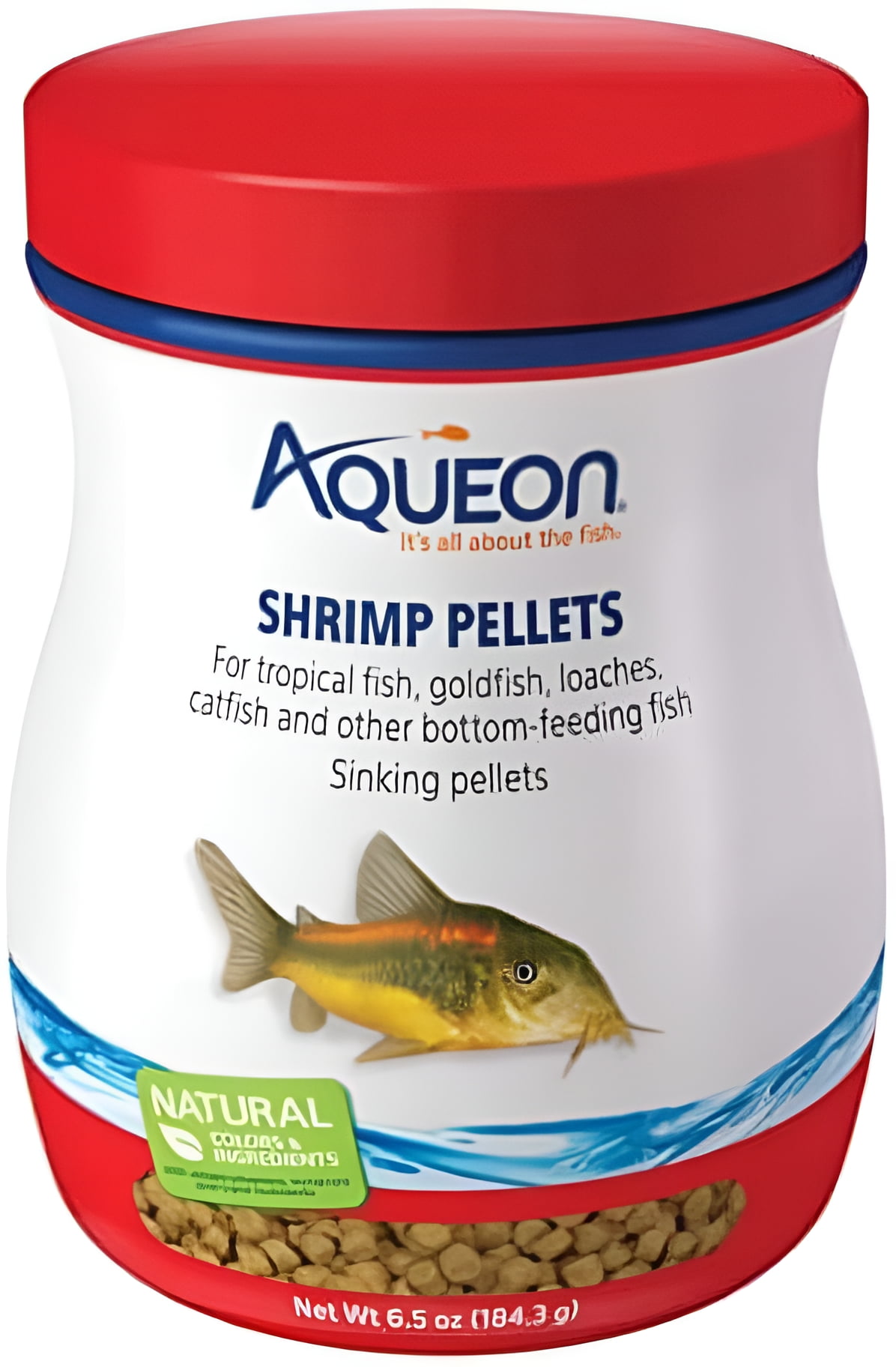
- Small, frequent meals. Avoid dry flakes that expand in the gut.
- Provide proper tank mates
- Avoid aggressive fish that can stress or injure others.
- Quarantine new arrivals
- Prevent disease spread by isolating new fish for 2–3 weeks.
My rule: less stress, fewer problems. Stable tanks mean fewer nights worrying about a fish sinking bottom.
Species and scenarios: who sinks most often
Some species show sinking more. Knowing your fish helps you predict problems.
- Goldfish and fancy varieties
- Prone to constipation and swim bladder issues.
- Bettas when cold
- Slow metabolism can make them sink.
- Bottom dwellers
- Corydoras and loaches rest on the substrate; they are not always sick if low.
- Juveniles
- Young fish can be weaker and sink after stress or poor water.
Remember to learn the normal behavior for your species. That makes true problems easier to spot.
Personal experience and practical tips
I kept a community tank for years. One night a tetra sank to the bottom and lay on its side. The water test showed high nitrite. A 50% water change and adding aquarium salt saved the fish within 24 hours. That event taught me these lessons.
- Act fast but calmly.
- Test water first.
- Quarantine when unsure.
- Keep notes on illness patterns in your tank.
These steps have reduced my losses and helped me treat fish sinking bottom more reliably.

Related concerns and limitations
Not every sinking incident has a simple fix. Be honest about limits.
- Some infections need vet-grade treatment.
- Repeated swim bladder problems may be genetic.
- Wild-caught or delicate species need expert care.
If your fish does not improve in 48–72 hours, seek an aquatic vet or an experienced hobbyist for a diagnosis.
Frequently Asked Questions of fish sinking bottom
Why does my fish sink to the bottom after feeding?
Overfeeding and foods that expand can block the gut. Fast the fish and try a cooked, peeled pea to relieve constipation.
Can low oxygen make fish sink to the bottom?
Yes. Low oxygen makes fish weak and lethargic. Increase aeration and surface movement immediately.
Is swim bladder disease fatal?
Not always. Many fish recover with proper care, diet change, and water correction. Severe cases may need medication.
Should I move a sinking fish to a hospital tank?
If you suspect disease or bullying, yes. Quarantine helps give targeted treatment and prevents spread.
How long should I wait before seeking professional help?
If there's no steady improvement in 48–72 hours, get help. Rapid declines or bloody wounds need immediate attention.
Conclusion
Watching a pet fish sinking bottom is stressful, but most cases are solvable with calm action. Test water first, observe symptoms, and use targeted steps like fasting, aeration, or quarantine. Keep good husbandry and learn your species’ needs to prevent issues. Start today by testing your tank and reviewing feeding habits, and leave a note below about your experience or questions.
