
Fish sudden death often stems from poor water, oxygen loss, disease, or toxins.
I have kept tanks and worked with aquaculture teams for years, so I know how shocking and upsetting fish sudden death can be. This article breaks down causes, signs, investigation steps, treatment, and prevention. You will learn practical steps to reduce the risk of fish sudden death and how to act fast when it happens.

Understanding fish sudden death
Fish sudden death means a healthy-looking fish dies quickly without long, clear signs of illness. This can happen in home aquariums, garden ponds, or commercial systems. Sudden deaths often occur in groups or single individuals. Spotting the cause fast can save other fish.
Common themes in fish sudden death include:
- Rapid changes in water chemistry.
- Low oxygen levels.
- Acute infections or toxic exposures.
- Handling, shipping, or temperature shocks.
I have seen tanks lose 20% of stock overnight after a filter failure. That taught me to check filters, oxygen, and water quality daily. Quick checks often prevent larger losses.

Common causes of fish sudden death
Understanding common causes helps you act fast. Below are frequent triggers in simple terms.
Water chemistry and quality
- Ammonia spikes stress gills and cause rapid death.
- Nitrite toxicity interferes with oxygen carrying in blood.
- pH swings cause shock and organ failure.
Oxygen problems
- Low dissolved oxygen causes gasping and sudden death.
- Aeration failures or overcrowding make low oxygen likely.
Toxins and contaminants
- Chlorine, chloramine, heavy metals, and pesticides can kill fish quickly.
- Household cleaners, runoff, and new decorations may leach toxins.
Infectious agents
- Rapid outbreaks of bacterial or parasitic disease can cause sudden die-offs.
- Viral infections occasionally produce quick losses in dense systems.
Stress and handling
- Rough handling, sudden temperature changes, and overcrowding can trigger sudden death.
- Transport stress often causes delayed sudden losses after arrival.
Equipment failures
- Filter, heater, or air pump failures can cause abrupt poor conditions.
- Power outages increase the risk of fish sudden death in indoor systems.
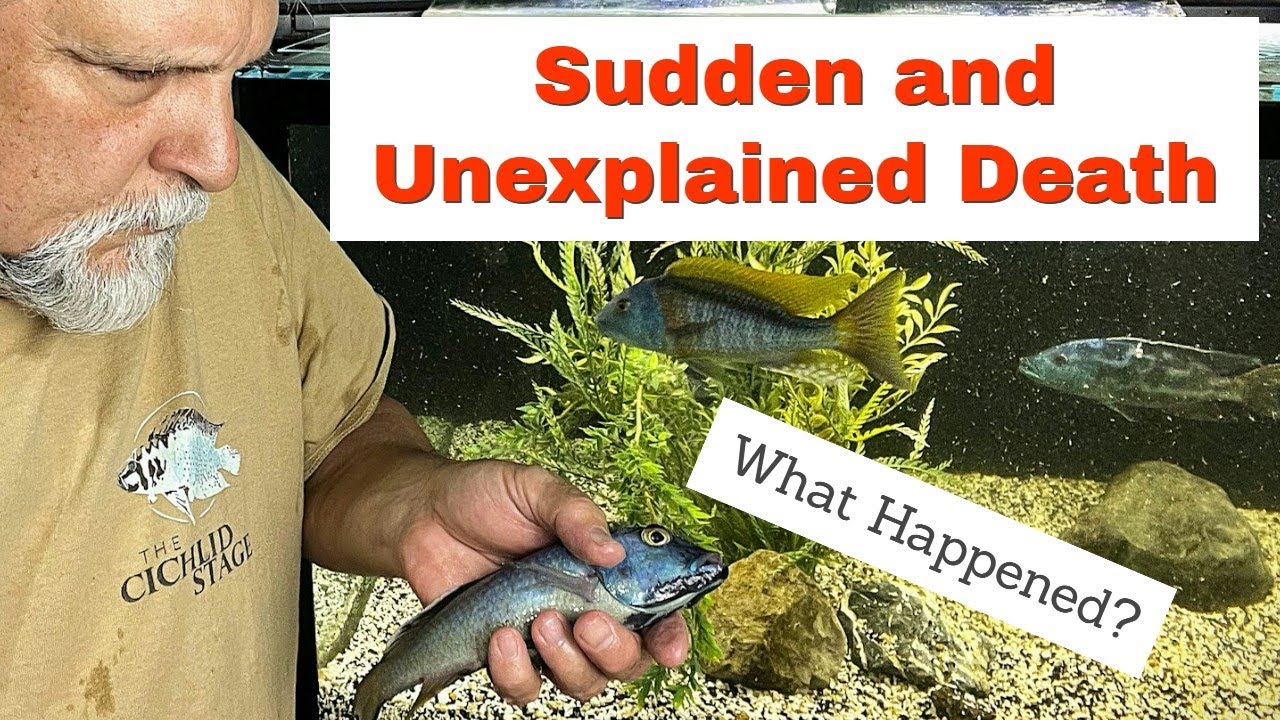
Signs to look for immediately after a sudden death event
Fast checks guide your next actions. Look for these signs right away.
Visible symptoms
- Multiple fish gasping at the surface
- Frothing, foam, or bubbles on water
- Unusual lesions, hemorrhage, or white patches
System clues
- Cloudy water or sudden smell
- Filter flow drop or stopped pumps
- Recent water changes or chemical additions
Behavioral hints
- Rapidly erratic swimming before death
- Isolated deaths versus group die-offs
These signs narrow the likely cause and guide sampling and treatment.
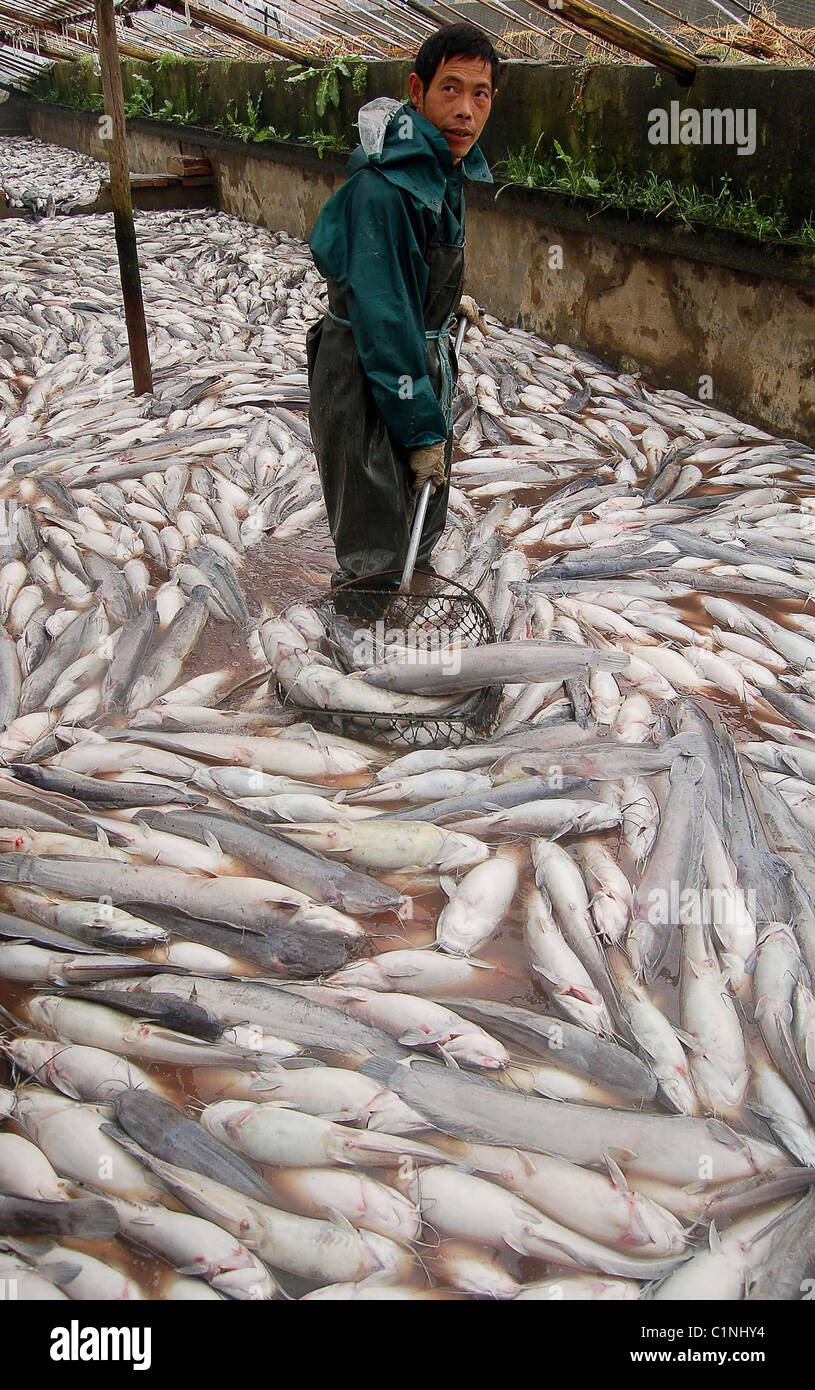
How to investigate a sudden death: step-by-step
Gather facts fast but stay calm. Use this checklist.
- Remove dead fish and bag them for inspection.
- Test water for ammonia, nitrite, nitrate, pH, and temperature.
- Check dissolved oxygen and filter operation.
- Review recent changes: new fish, new feed, treatments, or maintenance.
- Smell and visually inspect water for toxins or algae blooms.
- If available, collect a sample of sick or fresh-dead fish for a vet or lab.
Practical tips from experience
- I always test ammonia and oxygen first. They often explain sudden death.
- Keep a log. When I tracked changes, I found a heater failure that caused losses.

Immediate response and first-aid actions
Act within minutes to reduce further loss. These steps help stabilize fish.
- Increase aeration with an air pump or by moving water to surface.
- Do small water changes (10–25%) with dechlorinated water to dilute toxins.
- Lower feeding until fish stabilize to reduce ammonia buildup.
- Remove any source of suspected contaminants.
- Quarantine survivors if one species shows clear symptoms.
If you suspect infection
- Isolate affected fish when possible.
- Consider a broad-spectrum antibacterial or antiparasitic after diagnostics.
- Avoid blind dosing of entire systems without a good reason.

Prevention strategies to reduce fish sudden death
Preventing sudden death is easier than fixing it. Use layered safeguards.
Daily and weekly routines
- Test water parameters regularly.
- Observe fish behavior at the same time daily.
- Clean and maintain filters on a schedule.
System design and stocking
- Avoid overcrowding; follow stocking guidelines.
- Use redundancy: two air pumps or backup power where possible.
- Choose compatible species and robust stock.
Water safety and handling
- Treat tap water to remove chlorine and chloramine.
- Quarantine new fish for 2–4 weeks before adding them to main tank.
- Avoid sudden temperature or pH changes during water changes.
Feed and nutrition
- Feed high-quality food in appropriate amounts.
- Remove uneaten food to prevent ammonia spikes.
I once saved a community tank by adding a small backup pump. The system survived a power glitch and no fish died. Small investments like that matter.

Treatment options and when to seek veterinary help
Treatment depends on cause. Follow a cautious path.
If water quality is the cause
- Correct ammonia and nitrite with water changes and improved filtration.
- Use biofiltration and beneficial bacteria to stabilize cycles.
If disease is suspected
- Use targeted medications when a cause is likely and diagnosis supports it.
- Follow dosing instructions carefully to avoid stress and overdosing.
When to call a vet or lab
- Repeated unexplained deaths occur despite fixes.
- Rare or valuable species are affected.
- You need a culture, histology, or necropsy for confirmation.
A vet can run tests to identify pathogens or toxins. This is crucial for commercial operations and high-value pets.
Case studies and personal lessons
Short real-world examples I have handled.
Example 1: Oxygen depletion in summer
- Situation: Pond fish died overnight during a heat wave.
- Finding: Low dissolved oxygen at dusk.
- Fix: Installed aerators and shade; no further deaths.
Example 2: Toxin from new decor
- Situation: Sudden deaths after adding driftwood.
- Finding: Wood soaked in tannins and had sharp pH effect.
- Fix: Removed the wood, water changes, and survivors recovered.
Lessons learned
- Small changes can have big effects.
- Monitor after any new addition or maintenance task.
- Redundancy and simple checks save lives.

Common PAA-style questions
What causes sudden fish death overnight?
- Most often, oxygen drops, ammonia spikes, or toxins cause overnight deaths. Rapid water quality changes are common causes.
How do I test for the cause of fish sudden death?
- Start with basic water tests: ammonia, nitrite, pH, temperature, and oxygen. Inspect equipment and recent changes next.
Can sudden death be contagious to other tanks?
- Some infectious causes can spread through shared water or equipment. Quarantine and disinfection limit spread.
How quickly should I remove dead fish?
- Remove dead fish immediately to prevent water quality decline and secondary infections. Bag and inspect them.
Is it worth sending a dead fish for necropsy?
- For valuable collections or repeated unexplained losses, necropsy gives clear answers and can prevent future deaths.
Frequently Asked Questions of fish sudden death
Why did my healthy fish die suddenly?
Often a rapid change in water chemistry, oxygen loss, or an unseen toxin causes sudden deaths. Check ammonia, nitrite, and oxygen first.
How can I prevent sudden deaths in my aquarium?
Regular testing, proper filtration, quarantine of new fish, and avoiding overcrowding reduce risk. Redundancy like backup aeration helps too.
Can poor water quality kill fish within hours?
Yes, high ammonia or zero oxygen can kill fish within hours. Fast detection and water changes are critical to save survivors.
Should I medicate the whole tank after sudden death?
Not always. Start with water quality fixes and quarantine if possible; use medication only with a likely diagnosis. Blind dosing can harm biofilters.
How long should I quarantine new fish to prevent outbreaks?
Quarantine new fish for at least two weeks and monitor for signs of disease before introducing them to the main tank. Longer quarantine is safer for sensitive systems.
Conclusion
Fish sudden death is painful but often preventable with steady care and quick action. Monitor water, maintain equipment, quarantine new arrivals, and respond fast to signs of trouble. Use simple checks first—ammonia and oxygen tests save lives. If losses persist, seek professional diagnostics.
Takeaway: build routines, add small redundancies, and stay observant. Start today by testing your water and noting any recent changes. Share your experience or questions below and consider subscribing for more practical fish-keeping tips.
