
Most reptiles develop stuck shed when humidity is too low and skin fails to slough properly.
I have cared for dozens of snakes, geckos, and bearded dragons, and I know how stressful a reptile stuck shed can be. This guide explains what stuck shed is, why it happens, how to help your pet safely, and how to prevent it. Read on for clear steps, real-life tips, and vet-level advice to keep your reptile healthy and comfortable.

What is a reptile stuck shed?
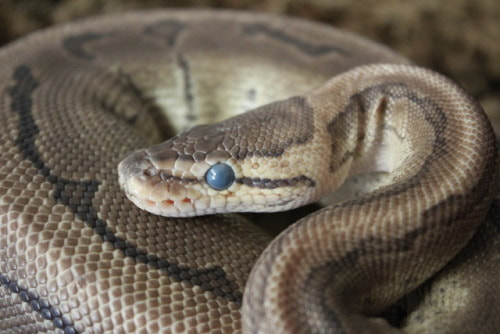
A reptile stuck shed happens when old skin does not come off cleanly. Normal shedding removes the outer skin in one or several pieces. When humidity, health, or environment are off, flakes or tight patches remain. These stuck pieces can constrict toes, tail tips, eyes, and skin folds. Left untreated, stuck shed can cause infection, loss of digits, or eye problems.
Causes of reptile stuck shed
Poor humidity is the main cause of reptile stuck shed. Other causes are related and easy to fix.
- Low humidity
Low air moisture makes skin hard and brittle. Reptiles need a moist shed to loosen the old skin. - Inadequate hydration
Dehydration reduces skin elasticity. A dehydrated reptile struggles to shed. - Poor substrate or enclosure layout
Smooth or dusty substrate and lack of rough surfaces stop skin from rubbing off. - Health issues and parasites
Skin infections, mites, or metabolic problems can disrupt normal shedding. - Improper temperature
Temperatures that are too low slow metabolism and cause incomplete sheds. - Old age or stress
Older reptiles or stressed animals may shed poorly.
How to safely help a reptile with stuck shed
If you spot stuck shed, act calmly. Avoid pulling and use gentle, safe methods.
- Assess severity
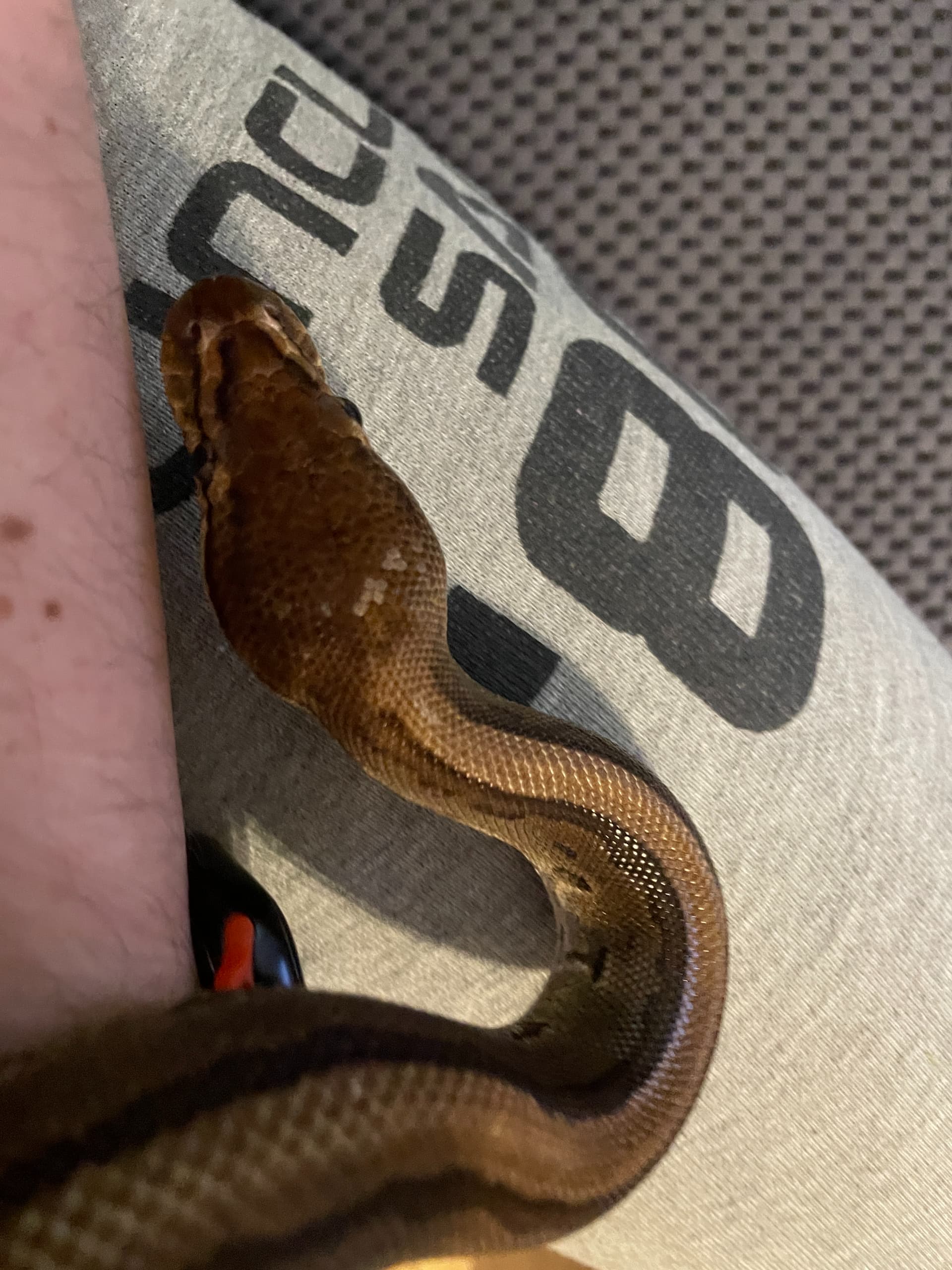
Look for tight rings of stuck skin around toes, tail, or eye caps. If the skin is tight and white or blue under the surface, it needs care. - Increase humidity quickly
Place the reptile in a humid hide or a moist box lined with damp paper towel for 20 to 30 minutes. This softens skin. - Offer a soak
For many species, a shallow warm soak for 10 to 20 minutes helps. Use water at body-safe temperature and never force immersion. - Use gentle tools
After softening, use a damp cotton ball or soft gauze to roll away loose skin. For eye caps, use veterinary saline and gentle rolling motions. - Avoid pulling
Do not tug stuck shed. Pulling can tear live skin and cause bleeding. - Use safe aids when needed
If small pieces persist, reptile-safe shedding gels or a damp cotton swab can help. Only use products made for reptiles. - When to see a vet
Seek veterinary care if stuck shed is tight, covers eyes, causes swelling, or if your pet is on toes or tail tip that look discolored or numb.
Prevention and husbandry best practices
Good daily care prevents most reptile stuck shed events. Focus on humidity, hydration, and habitat.
- Maintain proper humidity
Use a hygrometer to track humidity. Provide a humid hide and mist the enclosure as needed. - Offer a humidity gradient
Create a warm, drier basking spot and a cooler, moister retreat. This helps natural shedding. - Keep hydration steady
Provide fresh water and monitor drinking. Some species may need regular soaks. - Provide rubbing surfaces
Add branches, rough stones, or cork bark so reptiles can rub off old skin. - Use correct substrate
Use substrates that hold some moisture for species that need it, while avoiding overly dusty or sharp materials. - Monitor temperature
Keep temperatures within the species’ recommended range to support metabolism and skin health. - Regular checks
Inspect feet, tail, and eyes during and after shed cycles. Early detection prevents complications.

Common body parts affected and health risks
Certain areas trap shed skin more easily. Watch these spots closely.
- Eyes and eye caps
Retained eye shed can blur vision and lead to infections. Eye caps must detach gently. - Toes and claws
Stuck skin around toes can cut off circulation and cause loss of digits if untreated. - Tail tip
Constriction at the tail tip can lead to necrosis in severe cases. - Body folds and between scales
Narrow gaps and folds hold shed and trap bacteria.
Health risks include infection, restricted blood flow, and long-term tissue damage. Quick, gentle care lowers these risks.
Personal experience and lessons learned
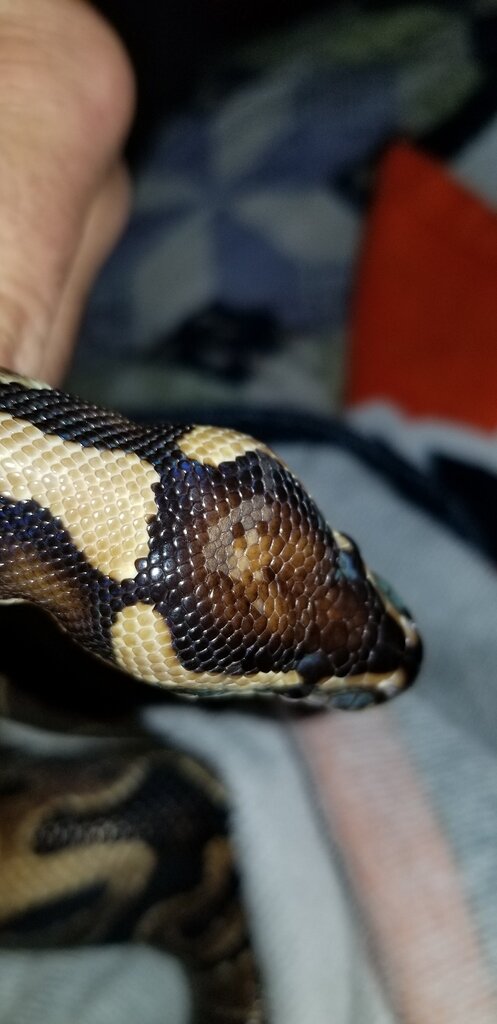
I once rescued a corn snake with multiple stuck sheds around the tail and eye caps. I soaked the snake, used a moist cotton roll to ease the eye caps away, and created a better humid hide. The snake recovered fully within a week.
Lessons I learned:
- Act early. Small help now avoids surgery later.
- Keep tools simple. Warm water, saline, and soft gauze work best.
- Track humidity. A cheap hygrometer saved that snake.
- Know your limits. If skin is tight or there is bleeding, get a vet.
These are practical tips from hands-on care. They work across many species when adapted to the reptile’s needs.

Frequently Asked Questions of reptile stuck shed
What should I do right away if my reptile has stuck shed?
Soften the shed with a humid hide or a warm shallow soak and gently roll off loose skin with a damp cotton ball. Seek a vet if skin is tight, cities show swelling, or eye caps remain stuck.
Can stuck shed fall off on its own?
Yes, mild stuck shed can come off in time with improved humidity and hydration, but tight rings and eye caps usually need help to prevent harm.
How often do reptiles get stuck shed?
Frequency varies by species, age, and care. Proper humidity and habitat make stuck shed rare. Poor conditions increase the risk.
Is it safe to use oils or lotions to remove stuck shed?
Avoid household oils and lotions. Use only reptile-safe products or plain warm water and saline, since other products can trap heat and cause infections.
When should I see a vet for stuck shed?
Visit a vet if stuck shed is tight around digits or tail, covers the eyes, causes bleeding, or if your reptile seems in pain or inactive.
Conclusion
Stuck shed is a common, treatable problem that comes from low humidity, poor hydration, or husbandry gaps. Check your reptile often, provide proper humidity and rubbing surfaces, and use gentle, patient care to remove stuck skin. When in doubt, get veterinary help early to avoid serious harm. Start today: check your enclosure’s humidity, add a humid hide, and practice safe soak methods to keep your pet shedding cleanly and staying healthy.
