
Reptile shedding problems usually mean stuck shed, poor humidity, or underlying illness needing quick care.
I’ve worked with reptiles for years and seen every kind of shed issue. This guide explains why reptile shedding problems happen, how to spot them, and clear steps to help your pet. Read on to learn practical fixes, vet triggers to watch, and real-life tips that will keep your reptile healthy through every molt.

Why reptiles shed and when problems occur
Reptiles shed to grow and to renew skin. A normal shed is complete, smooth, and happens on schedule for the species. Reptile shedding problems occur when skin peels unevenly, pieces remain stuck, or shedding is delayed.
Common causes include low humidity, temperature swings, poor nutrition, and stress. Sometimes parasites or infections cause bad sheds too. Understanding the cause is the first step to fixing reptile shedding problems.
:strip_icc()/Geckoshedding-GettyImages-528388682-5a657df0c7822d0037eddc93.jpg)
Common causes of reptile shedding problems
Poor humidity is the top cause of reptile shedding problems. Many reptiles need a moist microclimate to separate old skin from new skin.
- Incorrect temperatures that slow metabolic processes.
- Nutritional gaps in vitamins or minerals needed for skin health.
- Parasites and mites that damage skin and slow shedding.
- Dehydration from poor water access or illness.
- Stress from handling, enclosure change, or overcrowding.
Each cause changes how shedding looks. Spotting the cause makes treatment faster and safer.

Signs and stages of problematic sheds
Early signs of reptile shedding problems are dull color and lack of appetite. As problems progress, you may see:
- Patches of old skin that won’t come off.
- Cloudy eyes that don’t clear on schedule.
- Constricted toes or tail tip with tight, retained skin.
- Irritated or bleeding areas where skin sticks.
If retained skin stays on toes or tail, it can cut circulation and cause necrosis. Quick action prevents long-term damage and pain.
:strip_icc()/GettyImages-471397134-f87a9c64bf1542c1bf94e385e8363399.jpg)
How to help a reptile with shedding problems at home
Start with a calm approach. Stress makes shedding worse.
Try these steps:
- Increase humidity in the enclosure for short spells using a humid hide, misting, or a damp towel in a box.
- Offer warm soaks in shallow, lukewarm water for 10 to 20 minutes once or twice daily to soften stuck shed.
- Use a wet cotton pad or soft towel to gently rub off softened skin; never pull hard or use forceps.
- Check and adjust enclosure temperatures to match species needs.
- Improve hydration with regular fresh water and, for some species, electrolyte-dusted food.
If skin is tight around toes or tail, consult a vet right away. Avoid home remedies like oils or alcohol, which can seal the skin and make problems worse.
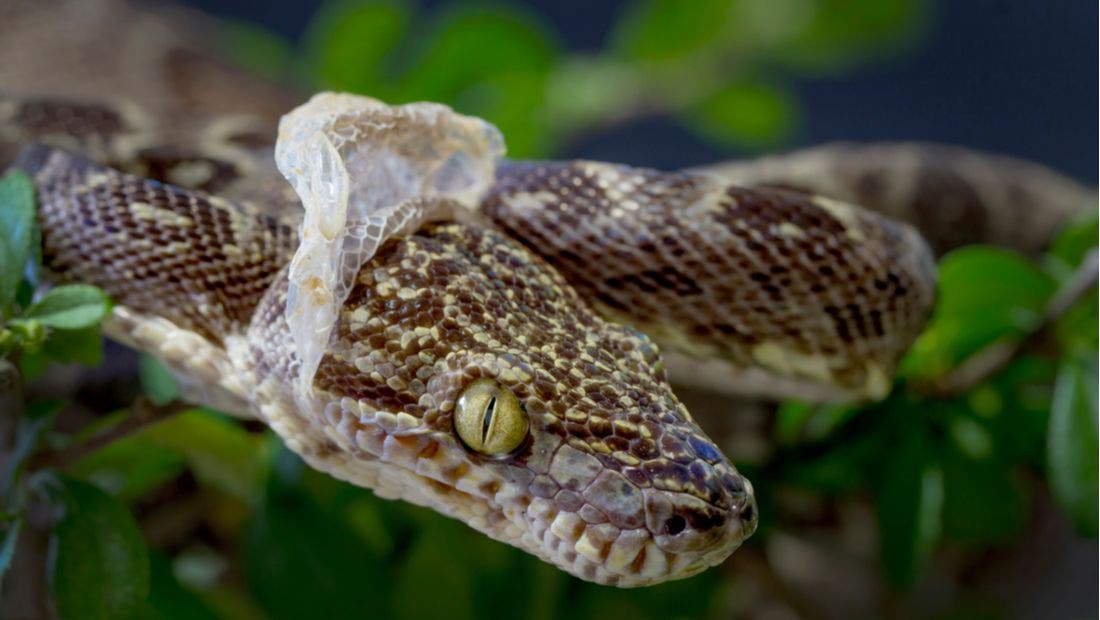
When to see a veterinarian
See a vet if you notice:
- Retained shed on digits or tail tips.
- Cuts, swelling, or exposed tissues after stuck shed.
- Persistent lethargy or loss of appetite during shedding.
- Recurrent shedding problems despite habitat fixes.
A vet can check for parasites, infections, and metabolic bone disease that can cause chronic reptile shedding problems. Early vet care often saves toes and tails and prevents systemic illness.
:strip_icc()/reptile-moving-his-skin-877363954-5c3a6263c9e77c0001c19a30.jpg)
Preventing reptile shedding problems long term
Prevention is easier than rescue. Maintain these habits to reduce reptile shedding problems:
- Keep humidity tailored to your species with hygrometers in the enclosure.
- Provide a temperature gradient so your reptile can thermoregulate.
- Feed a balanced diet with proper vitamins and calcium.
- Offer hides with moist substrates for species that need a humid retreat.
- Monitor behavior and skin condition each week.
Consistent husbandry stops most shedding problems before they start. Small daily checks catch early signs fast.

My experience: mistakes, lessons, and tips that work
Years of keeping snakes and lizards taught me quick fixes and what not to do. I once tried to peel a stuck shed off a bearded dragon and ripped tender skin. That taught me to always soften stuck shed first and to be gentle.
Lessons I trust:
- Always soak first. Soaks save skin and calm the animal.
- Use a humid hide during seasonal molts to cut problems by half.
- Keep a vet on call for emergencies involving toes or tail tips.
- Log sheds. A simple notebook helps spot repeat problems tied to diet or seasonal humidity drops.
These tips reduced my problems and improved survival for young animals. Small habit changes made the biggest difference.

Troubleshooting by species
Different reptiles have different needs. Tailor care to avoid reptile shedding problems.
Snakes
- Need higher humidity during shed cycles and rough surfaces to rub against.
- Use a moist hide and monitor eye cap removal.
Bearded dragons
- Require dry basking zones and a humid hide for tail and limb sheds.
- Watch toes and tail tips for retained skin.
Geckos
- Often have issues with digits; keep substrate and humidity correct.
- Leachianus and crested geckos love humid hides during molts.
Turtles and tortoises
- Shed scutes differently; poor diet or water quality can cause abnormal scute shedding.
- Ensure clean water and adequate calcium.
Tailor humidity, temperature, and hides for each species to lower the chance of reptile shedding problems.
Simple supplies to keep on hand
Prepare a basic shedding kit to handle mild issues at home:
- Hygrometer and thermometer.
- Shallow soak tub for species-appropriate soaks.
- Soft towels and cotton pads.
- Moist hide box with sphagnum or damp paper towel.
- Vet contact information for quick calls.
A ready kit prevents panic and speeds safe treatment. It also helps avoid risky DIY solutions.
Common myths and safe facts
Myth: Oils and lotions help stuck shed. Fact: They can trap bacteria and worsen the problem.
Myth: You should always peel shed off with forceps. Fact: Forceful peeling injures skin and causes bleeding.
Myth: All reptiles need very high humidity. Fact: Needs vary; too much humidity can cause respiratory disease.
Evidence-based care reduces reptile shedding problems and keeps your pet healthy.
Frequently Asked Questions of reptile shedding problems
What causes retained shed on toes?
Retained shed on toes is usually from low humidity or poor circulation at the tips. Soaking and a humid hide often help, but severe cases need a vet.
How long should a shed take?
A full shed usually takes a few days to a week, depending on species and age. If pieces stay stuck longer than a week, check habitat and seek help.
Can I remove stuck shed myself?
You can help by soaking and gently rubbing with a soft towel after soaking. Avoid pulling or using sharp tools; see a vet for tight or painful areas.
Does diet affect shedding?
Yes. Lack of vitamins and calcium can cause poor sheds and skin health. Offer species-appropriate food and supplements as needed.
Are mites a sign of bad shedding?
Mites can cause skin damage and poor sheds, and heavily infested animals often have shedding issues. A vet can diagnose and treat parasites safely.
Conclusion
Reptile shedding problems are common but mostly preventable with steady husbandry. Keep humidity, temperature, diet, and hides tailored to your species, and act fast when you see retained skin or signs of distress. Use gentle soaks, a humid hide, and a vet when needed to avoid lasting harm.
Take one step today: check your enclosure’s humidity and record the next shed. If you found this helpful, try these tips, share your experience, or ask a question below.
