
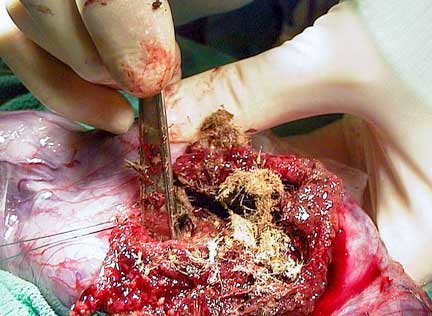
Common reptile constipation signs include infrequent stools, hard or dry feces, and swollen cloaca.
I’ve cared for reptiles for over a decade and worked with vets to spot early reptile constipation signs. This guide explains what constipation looks like, why it happens, how to check your reptile safely, and clear steps to treat and prevent it. Read on if you want simple, practical advice you can use today to protect your pet’s health.

What is reptile constipation?
Reptile constipation is a slowdown or stoppage of normal bowel movements. The bowels hold feces longer than they should. This causes hard, dry stool and sometimes a visible bulge in the abdomen.
Constipation differs from impaction but the two can overlap. Impaction usually means a physical blockage from substrate or foreign material. Constipation often results from poor hydration, low temperatures, or diet issues.
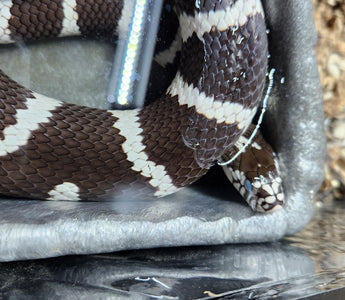
Key reptile constipation signs to watch for
Recognizing early signs helps avoid serious problems. Look for these common signs daily.
- Lack of regular stools. A reptile that used to defecate weekly may stop for weeks.
- Small, dry, or pellet-like feces. Stool looks dry and crumbly.
- Straining without results. The reptile pushes but little or nothing passes.
- Swollen or firm abdomen. The belly feels dense or enlarged.
- Reduced appetite and lethargy. The reptile avoids food and moves less.
- Cloacal wobble or discharge. The vent area may look irritated or sticky.
- Weight loss or dehydration. Skin may wrinkle and eyes may seem sunken.
- Changes in behavior. Hiding more, being less active, or showing stress.
I once had a bearded dragon that showed mild appetite loss and small stools for two weeks. Catching it early and adjusting heat and water fixed the problem quickly.
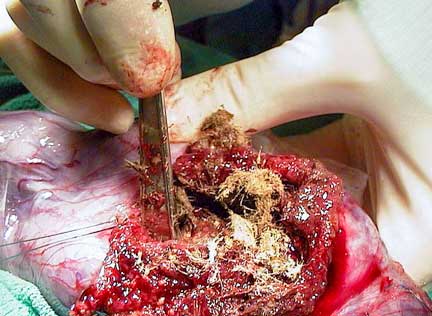
Causes of reptile constipation
Understanding causes helps you prevent and treat constipation.
- Low enclosure temperatures. Cold slows gut motility and digestion.
- Inadequate hydration. Not enough water leads to hard feces.
- Poor diet. High-fiber imbalance or inappropriate food can cause problems.
- Substrate ingestion. Sand or loose media can form blockages.
- Impaction from objects. Rocks, gravel, or larger materials can block the gut.
- Parasites or illness. Internal parasites and some infections affect bowel function.
- Medications or metabolic disease. Some drugs or organ issues slow digestion.
- Stress and lack of exercise. Stress reduces feeding and movement, causing slowdown.
When I worked at a rescue, many constipation cases traced back to low nighttime temps. That taught me to monitor thermal gradients closely.

How vets diagnose constipation
A vet will use a few simple steps to confirm constipation and rule out other problems.
- Physical exam. Palpation of the abdomen to feel for firm feces or masses.
- X-rays. These show blockages, gas, or foreign bodies.
- Fecal tests. Check for parasites and bacterial imbalances.
- Bloodwork. Assess hydration and organ function when needed.
- Clinical history. Diet, enclosure info, and behavior help form a diagnosis.
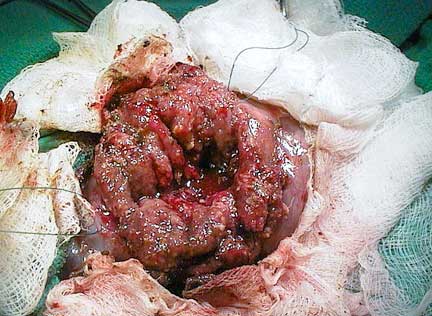
Early vet evaluation catches impaction before surgery is needed. If you suspect constipation, call your vet for guidance.
Home care and treatment options
Only try home care for mild cases and after vet advice. Safety matters.
- Warm soak. A shallow, lukewarm soak for 10–20 minutes can help soft stool.
- Gentle tummy massage. Massage toward the cloaca to encourage passage.
- Improve heat and gradient. Raise basking temps slightly to boost digestion.
- Hydration boost. Offer water, or soak fruits/vegetables if species appropriate.
- Dietary adjustments. Add more moisture-rich or fiber-balanced foods.
- Laxatives or enemas. Only under vet guidance and with proper solutions.
- Monitor closely. Track stool frequency, weight, and behavior daily.
I once resolved mild constipation with a warm soak routine and a day of hand-fed hydration. Always stop home treatments and see a vet if there is no improvement in 24–48 hours.
Preventing reptile constipation: husbandry tips
Prevention is easier than treatment. Use these practical steps every day.
- Maintain proper temperatures. Use thermostats and thermometers for good gradients.
- Provide clean, fresh water at all times. Reptiles often drink from water dishes or soaked foods.
- Feed species-appropriate diets. Know what your species needs for moisture and fiber.
- Choose safe substrate. Use reptile-safe bedding to avoid accidental ingestion.
- Offer exercise and enrichment. Encourage movement with branches, hides, and safe setups.
- Regular vet checks. Annual or semi-annual exams catch slow changes.
- Observe daily. Quick eyes on stool and behavior spot problems early.
My checklist at the rescue included daily temp logs and stool notes. That small habit reduced constipation cases a lot.
Complications and emergencies
Constipation can escalate to dangerous conditions. Know when it’s urgent.
- Severe lethargy or collapse. This may indicate systemic illness.
- Repeated vomiting or regurgitation. Signals severe GI distress.
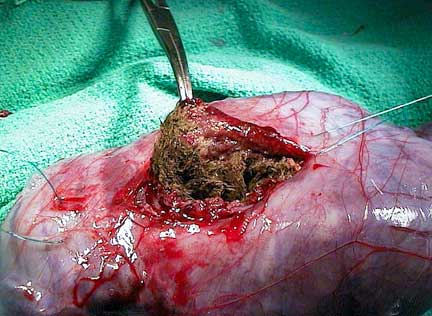
- No stool despite straining for multiple days. Could mean impaction.
- Visible mass or severe abdominal swelling. May indicate blockage or organ issue.
- Blood in stool or from the cloaca. Requires immediate vet care.
If you see any of these, seek veterinary help right away. Quick action often prevents surgery and improves outcomes.
Species-specific notes: bearded dragons, turtles, snakes
Different reptiles show constipation differently. Tailor care to your species.
- Bearded dragons. Often show small dry stools and reduced appetite. Heat and hydration usually help.
- Turtles and tortoises. Shell pressure and swelling are common signs. Water-soaking and vet check are important.
- Snakes. Impaction may cause regurgitation and refusal to climb. Imaging helps diagnose.
- Geckos and small lizards. Watch for tiny, hard pellets and reduced activity.
I handled cases in each group. Turtles often need longer soaks, while snakes sometimes require imaging for hidden blockages.

Practical steps to check your reptile safely at home
Follow these steps to assess constipation without stressing your pet.
- Observe behavior and stool patterns for 24–72 hours.
- Check basking and ambient temps with an accurate thermometer.
- Offer a warm soak for 10–20 minutes once daily if safe for the species.
- Gently palpate the abdomen; stop if the reptile resists or shows pain.
- Record weight changes and stool descriptions for the vet.
If you are unsure at any point, call your veterinarian. It’s better to be cautious than to miss a serious issue.
Personal lessons and mistakes to avoid
Here are honest lessons from my years with reptiles.
- Don’t guess about meds. Mistakes with laxatives can harm more than help.
- Avoid sand and loose gravel with young or curious eaters.
- Keep a daily log. Small notes saved several pets from late diagnoses.
- Don’t wait for a dramatic sign. Early signs are subtle but treatable.
- Work with a vet you trust. Partnership shortens recovery times.
These practices saved time, money, and stress in my experience. They will help you too.
Related concepts: impaction vs constipation
Know the difference to act correctly.
- Constipation. Slow transit, often from poor temp, hydration, or diet.
- Impaction. Physical blockage from substrate or foreign object.
- Overlap. Constipation can lead to impaction, and impaction often blocks stool.
Diagnosis methods differ. Imaging is more common with impaction. Treatment can range from hydration to surgery.
Frequently Asked Questions of reptile constipation signs
What are the first signs of reptile constipation?
First signs include reduced stool frequency, small dry feces, and mild appetite loss. You may also notice gentle straining during defecation.
How long can a reptile go without pooping before it’s a problem?
Normal varies by species and age, but more than two to three times the usual interval is a concern. Seek vet advice if there’s no stool for several weeks or if other signs appear.
Can a warm soak really help constipation?
Yes. A warm soak can relax muscles and soften stool for many species. Use shallow, lukewarm water and monitor the reptile closely.
Is impaction the same as constipation?
No. Impaction is a physical blockage, while constipation is slowed bowel movement. Both can coexist and need different treatments.
When should I see a vet for constipation?
See a vet if there is no improvement in 24–48 hours, if the reptile is very lethargic, or if you suspect impaction. Immediate care is needed for severe signs.
Can diet changes prevent constipation?
Yes. Proper, species-appropriate diets with adequate moisture reduce risk. Avoid too much dry prey or inappropriate plant matter.
Conclusion
Reptile constipation signs range from small dry stools to abdominal swelling and serious distress. Early detection, proper husbandry, and timely vet care often resolve the issue without surgery. Start by checking temps, hydration, and diet, and use warm soaks where appropriate. If signs persist or worsen, contact a reptile-experienced veterinarian promptly. Take action today: review your enclosure setup, monitor stool patterns, and keep a simple daily log to protect your pet’s digestive health. Leave a comment with your experiences or follow for more reptile care tips.
