
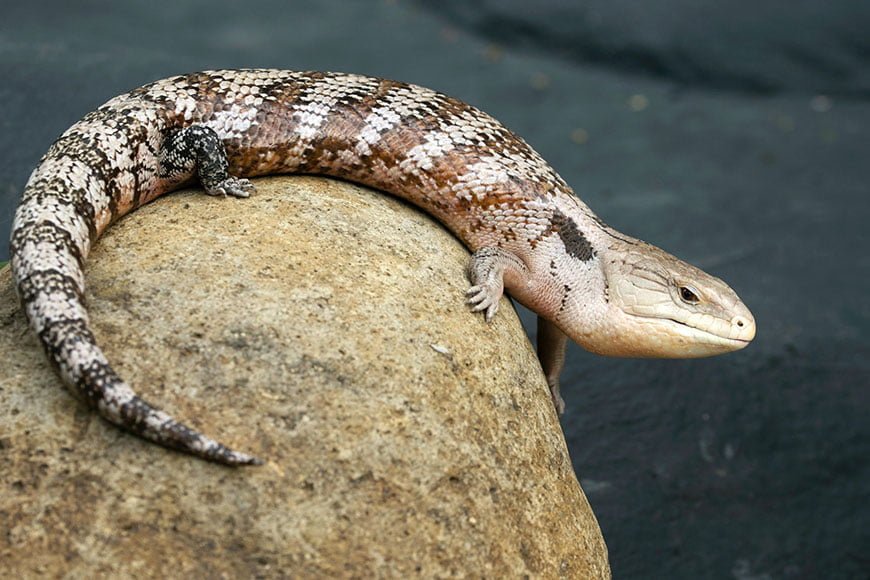
Reptiles show stress through changes in behavior, appetite, color, shedding, and posture.
I’ve worked with reptile keepers and vets for years, diagnosing and managing reptile stress symptoms from bearded dragons to corn snakes. This guide explains signs, causes, assessment, and practical fixes in clear, simple language so you can spot stress early and help your pet feel safe again. Read on to learn actionable steps, examples from real cases, and trusted ways to reduce stress in your reptile.

Common signs of stress in reptiles
Reptile stress symptoms can look mild at first. They often begin as small changes in behavior or appetite. Spotting these early helps prevent illness and long-term problems.
- Loss of appetite — A stressed reptile may eat less or stop eating for days.
- Hiding more than usual — Hiding can mean the reptile feels unsafe.
- Lethargy — Low activity or slow movement can signal ongoing stress.
- Aggression or defensive behavior — Biting, tail whipping, or hissing can increase.
- Unusual color or darkening — Some reptiles change color when stressed.
- Poor shedding or retained shed — Stress can disrupt normal sheds.
- Weight loss and poor body condition — Long-term stress leads to weight loss.
- Repetitive pacing or glass surfing — This indicates frustration or poor environment.
These signs are all common reptile stress symptoms. If you see one or more, check husbandry first and monitor closely.

Causes and triggers of reptile stress
Stress comes from many sources. Some are obvious, like a poor enclosure. Others are subtle, like the wrong light cycle or infrequent handling.
- Temperature and humidity problems — Too cold, too hot, or too dry causes immediate stress.
- Poor enclosure design — Small hides, wrong substrate, or scarce climbing spots can stress reptiles.
- Improper lighting — Lack of UVB or wrong day-night cycles affects physiology and mood.
- Handling and social stress — Too much handling or rough handling causes fear and stress.
- Sudden changes — New home, new furniture, or moved furniture can trigger stress responses.
- Illness or parasites — Disease and parasites put physical stress on the animal.
- Noise and vibration — Loud environments or regular vibration make many reptiles uneasy.
- Predators or pets in view — Seeing cats or dogs can trigger chronic stress.
Understanding causes helps treat reptile stress symptoms at the source. Fixing one key issue often reduces multiple symptoms quickly.

How to assess severity and diagnose stress
Assessing stress means watching behavior and checking husbandry. Use a simple checklist to rate severity.
- Observe daily for 7–10 days — Note appetite, activity, and behavior changes.
- Record weight and sheds — Track weight weekly and inspect sheds after each cycle.
- Check environmental readings — Measure temperature, hide temperatures, and humidity.
- Rule out medical causes — A vet exam and fecal test can exclude parasites or disease.
- Use scale of mild, moderate, severe — Mild: brief appetite change. Severe: weight loss or repeated aggression.
Accurate assessment reduces guesswork. When in doubt, treat husbandry issues first and visit a reptile-savvy vet if symptoms persist. Real cases show that correcting temps and UVB solved many reptile stress symptoms within two weeks.
Practical steps to reduce and manage stress
Start with the basics. Small, consistent changes often yield the best results for reptile stress symptoms.
- Stabilize temperature and humidity — Use quality thermometers and hygrometers in both warm and cool zones.
- Provide proper lighting and UVB — Replace bulbs on schedule and maintain a natural day-night cycle.
- Improve hiding and enrichment — Offer multiple hides and branches to let the reptile choose space.
- Limit handling and use calm techniques — Short, slow handling sessions reduce fear and build trust.
- Keep a quiet, stable location — Move enclosures away from heavy foot traffic and loud appliances.
- Feed appropriate prey and supplements — Offer varied diet and correct calcium/vitamin D3 supplementation.
- Quarantine new animals — Prevent stress from disease and minimize cross-contamination.
- Gradual changes only — When changing setup or routine, do it slowly over days to weeks.
Personal note: I once had a crested gecko that paced nightly. Adjusting hide placement and reducing overhead lights fixed pacing in three days. That taught me that environment tweaks beat overhandling in many stress cases.
When to see a vet
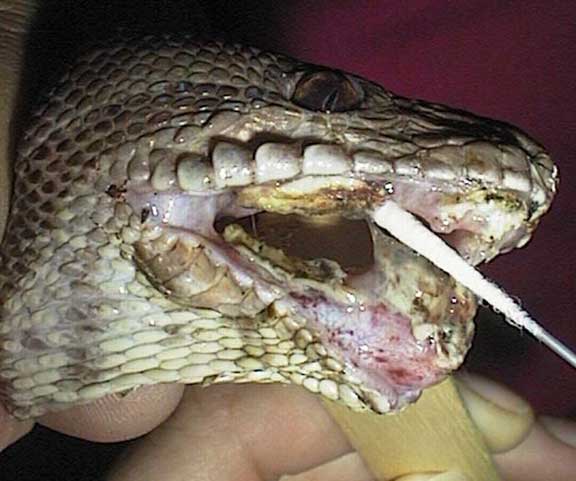
Some reptile stress symptoms need professional care. See a vet if any of these occur.
- Rapid or significant weight loss — This can indicate serious illness.
- Persistent loss of appetite beyond two weeks — Especially in growing or breeding animals.
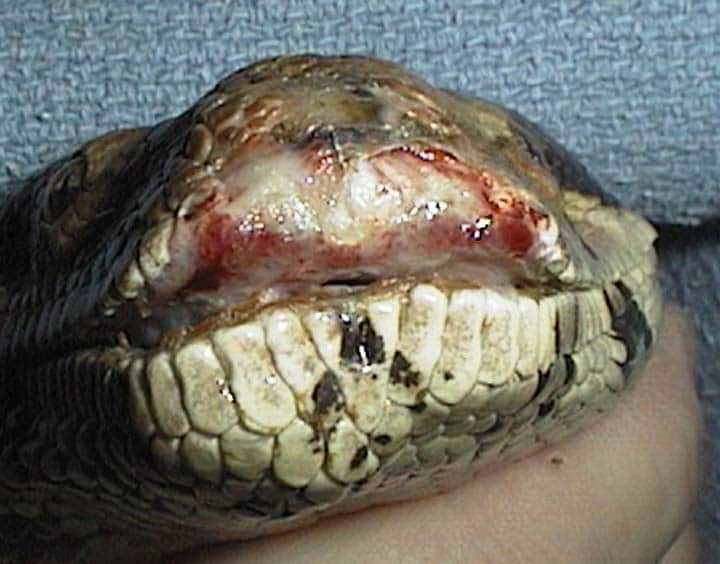
- Signs of infection — Open wounds, discharge, or abnormal stools require attention.
- Severe shedding problems that block limbs — This can cause tissue damage.
- Lethargy with other signs — Combine lethargy with vomiting, tremors, or seizures.
A reptile-experienced vet can run tests and recommend treatment. Early vet visits often prevent chronic problems and reduce long-term stress for your pet.
Quick PAA-style questions
Why is my bearded dragon hiding all the time?
Bearded dragons hide when they feel too cold, too hot, or insecure. Check temperature, hides, and reduce sudden changes to help them feel safe.
How long do reptile stress symptoms last?
Mild stress may clear in days after fixing husbandry. Severe or chronic stress can take weeks and may need vet care.
Can handling cause long-term stress in reptiles?
Yes. Too much or rough handling can create fear and reduced appetite. Gradual, gentle handling helps build trust over time.
Frequently Asked Questions of reptile stress symptoms
What are the first signs of stress in reptiles?
The first signs often include reduced appetite, more hiding, and lower activity. These are common starting signs of reptile stress symptoms that owners notice.
How do I know if stress or illness is the cause?
If symptoms follow a change in environment, stress is likely. If signs include discharge, sudden weight loss, or blood, see a vet to rule out illness.
Can incorrect lighting cause stress?
Yes. Poor lighting or no UVB disrupts hormones and appetite. Correct lighting often resolves many reptile stress symptoms.
Is it normal for reptiles to stop eating during shedding?
Mild appetite loss during shedding can be normal. Extended refusal to eat around sheds can indicate stress or illness and should be checked.
How can I reduce stress when moving a reptile to a new home?
Keep familiar hides and substrate, maintain temperature and lighting, and limit handling for the first week. These steps lower stress and help your pet adapt.
Will a vet prescribe medication for stress?
A vet may treat underlying illness or give short-term support like fluids or appetite stimulants. Long-term fixes focus on husbandry, not drugs, for reptile stress symptoms.
Conclusion
Spotting and treating reptile stress symptoms early prevents illness and builds trust. Start with environment checks: temperature, humidity, lighting, hides, and gentle handling. Track weight and behavior, make gradual changes, and consult a vet if serious signs appear. Take action today—review your reptile’s setup, correct one thing, and watch for faster recovery. Leave a comment with your experience or subscribe to learn more practical tips for healthier, happier reptiles.
