
Fish body swelling is a common sign of internal infection, organ failure, or dropsy in aquarium fish.
I have cared for dozens of tanks and treated many swollen fish. This article explains what causes fish body swelling, how to spot it early, and practical steps to treat and prevent it. You will get clear, experience-backed advice you can use today to help ailing fish and protect your tank.
:strip_icc()/dropsy-in-aquarium-fish-1381806_FINAL-still-043089c8e10d42459e69585d0e24bb53.jpg)
Causes of fish body swelling
Fish body swelling can come from many problems. Internal bacterial infections are common. Organs like the kidney or liver can fail and make the fish bloat. Parasites can also cause fluid buildup. Poor water quality is a big trigger for swelling. Overfeeding and constipation sometimes lead to swollen bellies too. Knowing the cause helps you choose the right treatment for fish body swelling.

Symptoms and signs to watch for
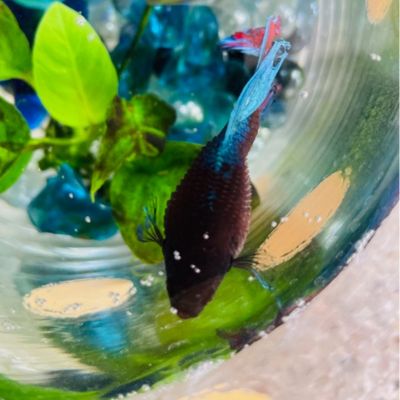
Swelling may show as a round belly or general puffiness. Scales may stick out like pinecones. The fish may breathe fast or sit near the surface. Appetite often drops or stops. Behavior changes are a key sign: hiding, lethargy, or odd swimming. Look for other signs like red streaks, ulcers, or cloudy fins. Early detection improves outcomes for fish body swelling.
Diagnosis and tests
Start with a careful visual check and history. Note tank size, recent changes, new fish, and feeding habits. Test water for ammonia, nitrite, nitrate, and pH. Low oxygen and high ammonia often link to swelling. If possible, do a freshwater dip or salt test for parasites. For persistent or severe swelling, a vet can run cultures or imaging. Accurate diagnosis narrows down treatments for fish body swelling.

PAA-style questions (short answers)
How quickly does fish body swelling develop?
Swelling can appear within days for infections or within hours after acute poisoning. Slow organ failure takes weeks.
Can poor water cause chronic swelling?
Yes. Chronic poor water quality stresses fish and leads to recurring swelling and infections.
Is swollen fish always fatal?
No. Many cases recover with prompt diagnosis, water correction, and targeted treatment.
Treatment and home care
Treatments depend on the cause of fish body swelling. For bacterial infections, use a broad-spectrum antibiotic made for aquarium use. For dropsy-like symptoms, Epsom salt baths can reduce fluid in the body cavity. For constipation or swim bladder issues, fast the fish for 24–48 hours and then feed a peeled, cooked pea. For parasites, use the appropriate antiparasitic medication. Always follow dosing instructions and remove activated carbon during medication. Keep treating the tank water as the main long-term fix for fish body swelling.
Tank management and prevention
Good tank care prevents many cases of fish body swelling. Perform regular water changes and test water weekly. Avoid overfeeding and remove uneaten food promptly. Quarantine new fish for at least two weeks. Maintain proper stocking levels and compatible species mixes. Use quality filtration and monitor temperature stability. Preventive measures reduce stress and lower the chance of fish body swelling.
When to seek a veterinarian or expert help
Seek a vet if swelling is rapid, widespread, or the fish stops swimming altogether. Bring photos and water test results if you can. Severe cases may need injected antibiotics or advanced care. A vet can help differentiate between organ failure, tumors, or severe infections. Early professional help can save valuable fish and prevent spread to the rest of the tank.
Personal experience, mistakes, and practical tips
I once lost three tetras to delayed action after seeing early swelling. I had ignored small water spikes. Lesson learned: test first, medicate second. I saved a goldfish with repeated Epsom baths, careful fasting, and antibiotics after vet advice. Practical tips I use often:
- Test water before treating the fish.
- Isolate the affected fish in a hospital tank.
- Use low-stress handling and avoid sudden temperature changes.
- Track treatments and note any improvement daily.
These steps helped me reduce mortality and keep the tank stable. They can help you manage fish body swelling with more confidence.
Signs of improvement and when treatment fails
Improvement includes reduced puffiness, return of appetite, and normal swimming. Changes may appear in days or weeks. If swelling worsens, or new ulcers appear, stop current meds and consult a vet. Be realistic; some cases reflect irreversible organ damage. Knowing when to stop and seek help is part of good care for fish body swelling.
Related conditions and differential diagnosis
Dropsy is a classic cause of fish body swelling and is linked to internal infection and fluid buildup. Swim bladder disorder can mimic swelling but mainly affects buoyancy. Tumors or egg binding in female fish may cause localized swelling. Liver or kidney disease often show systemic signs and long-term decline. Use a checklist of symptoms to separate these conditions and choose proper care for fish body swelling.
Frequently Asked Questions of fish body swelling
What is the most common cause of fish body swelling?
Bacterial infections and dropsy are the most common causes. Poor water quality and stress often let infections take hold.
Can I treat fish body swelling at home?
Yes. Mild cases respond to water changes, Epsom baths, fasting, and medication in a hospital tank. Severe cases may need a vet.
How long does recovery from fish body swelling take?
Recovery can take days to weeks depending on the cause and treatment. Monitor water and behavior closely during recovery.
Will swelling spread to other fish?
Swelling itself is not contagious, but the underlying cause, like bacteria or parasites, can spread. Quarantine affected fish to reduce risk.
Are there natural remedies for fish body swelling?
Some owners use Epsom salt baths and improved water quality as first-line measures. Natural remedies help with symptoms but may not cure infections.
Conclusion
Fish body swelling can be frightening, but many causes are treatable when caught early. Test your water, isolate the fish, and choose medication based on likely causes. Apply practical steps, monitor closely, and seek vet help for severe cases. Take action now: test your tank, review your feeding, and set up a quarantine plan. If this helped, leave a comment or subscribe for more tank care tips.
