
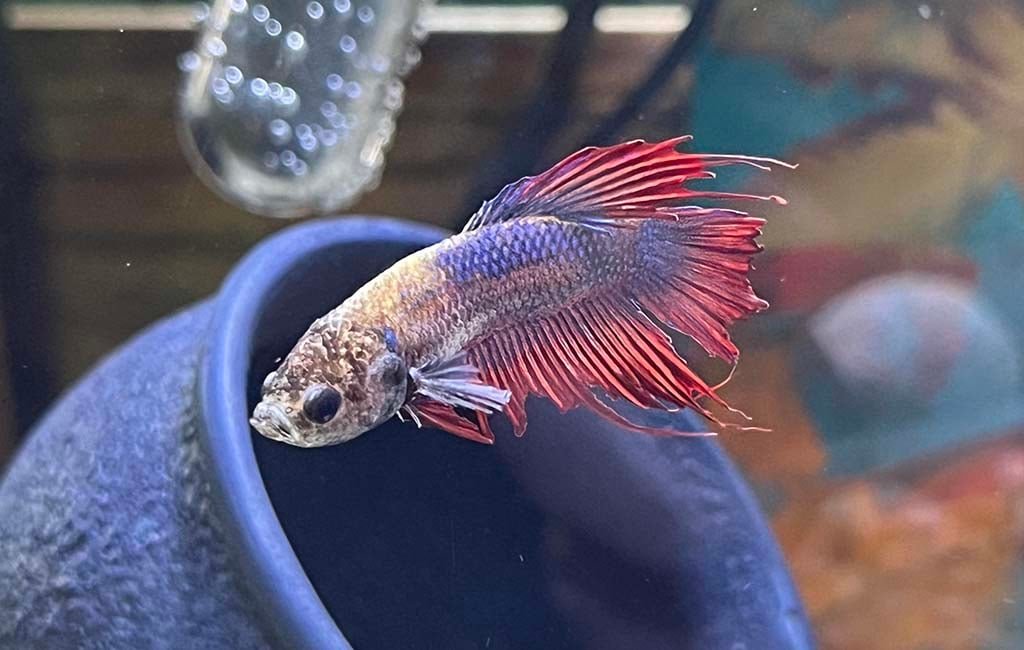
Clamped fins mean a fish is stressed or sick, often from poor water, parasites, or injury.
I have cared for aquariums and treated many fish with clamped fins. This article explains what clamped fins look like, why they happen, and clear steps to diagnose and treat them. Read on to get practical tips, test steps, and real-world lessons to help your fish feel better.

What are clamped fins?
Clamped fins describe when a fish holds its fins tight to its body. The fins look folded or trapped against the fish. This behavior is a common sign of discomfort, stress, or illness in fish. Recognizing clamped fins early helps you act fast and improve outcomes.

Common causes of clamped fins
- Poor water quality Low oxygen, high ammonia, nitrite, or nitrate can make fish clamp fins.
- Stress from changes Moving tanks, new tankmates, or sudden temperature shifts cause stress.
- Parasites and infections External parasites, fungal or bacterial infections often produce clamped fins.
- Physical injury Fin damage from fights or sharp decor can cause a fish to keep fins closed.
- Poor diet or malnutrition Low-quality food can weaken immunity and lead to clamped fins.
- Genetics or chronic issues Some fish with long fins or weak genetics may appear clamped more often.

Signs that accompany clamped fins
- Lethargy Fish may rest near the bottom or hide more than usual.
- Loss of appetite A fish with clamped fins often eats less or stops eating.
- Rapid breathing Gills move faster when a fish struggles with oxygen or stress.
- Color fading Pale or dull color can appear along with clamped fins.
- Visible spots or lesions Parasites, ulcers, or fungus may show on the body or fins.

How to diagnose the cause
Start with simple checks and work outward to more specific tests. A clear plan helps find the root cause of clamped fins.
- Test water parameters Measure pH, ammonia, nitrite, nitrate, and temperature right away.
- Inspect tankmates Watch for bullying, nipping, or overcrowding that could cause stress.
- Observe breathing and movement Fast gill movement or gasping at the surface point to low oxygen.
- Look for visible signs Spots, slime, torn fins, or fungus help narrow down infections or parasites.
- Use a quarantine tank Moving the fish to a separate tank can reveal if the problem is contagious.
Treatment and daily care for clamped fins
Treatments depend on the cause. Start with basic care that helps most fish with clamped fins.
- Immediate water change Replace 25 to 50 percent of water to lower toxins and improve oxygen.
- Correct water chemistry Adjust pH and temperature slowly to match the species needs.
- Improve oxygenation Add an air stone or increase flow to relieve distress.
- Medicate when needed Use broad-spectrum antibacterial or antiparasitic meds only if signs point to infection.
- Add aquarium salt carefully Low doses of aquarium salt can reduce stress and help gill function for many freshwater fish.
- Feed high-quality food Offer fresh, protein-rich meals in small amounts to support recovery.
- Keep the fish calm Dim lights and remove aggressive tankmates until recovery is clear.
From my experience, a quick water change and better oxygen fixed clamped fins in many cases. I have also seen unnecessary medication do more harm than good. Test first, treat second.
Personal experience and practical lessons
I once had a betta with clamped fins after a weekend power outage. The tank had low oxygen and a slight ammonia spike. A 50 percent water change, warming the tank to the right temp, and added gentle aeration helped in two days. I learned to keep a battery-powered air pump and test strips handy. Small fixes often beat jumping straight to medication.

Preventing clamped fins long term
- Maintain regular water tests Check ammonia, nitrite, nitrate, and pH weekly.
- Schedule water changes Carry out partial changes every 1 to 2 weeks depending on stock.
- Avoid sudden changes Acclimate new fish slowly and keep temperature steady.
- Stock appropriately Do not overcrowd; follow species space guidelines.
- Feed a varied diet Include quality flakes, pellets, and occasional live or frozen foods.
- Quarantine new fish Use a quarantine tank for at least two weeks to catch problems early.

When to seek veterinary help
If clamped fins do not improve after 48 to 72 hours of correct water and care, consult a fish vet. Severe symptoms like open ulcers, extreme gasping, or multiple sick fish need professional diagnosis. A vet can run tests and prescribe the right medicine.

Frequently Asked Questions of fish clamped fins
What does clamped fins mean medically?
Clamped fins mean the fish is keeping its fins close to the body. It signals stress, illness, or poor water conditions that need attention.
Can clamped fins be cured at home?
Yes, many cases of clamped fins improve with water changes, better oxygen, and proper temperature. If signs persist or worsen, see a vet.
How fast should clamped fins improve?
Improvement can appear in 24 to 72 hours after fixing water or reducing stress. If no change in three days, further action is needed.
Are clamped fins contagious to other fish?
Clamped fins themselves are a symptom, not a disease. The underlying cause, like parasites or bacteria, can be contagious and may spread to other fish.
Does medication always help with clamped fins?
Medication helps only when an infection or parasite is the cause. Misuse of drugs can stress fish more, so treat after a proper diagnosis.
Can poor diet cause clamped fins?
Yes, long-term poor diet lowers immunity and can lead to signs like clamped fins. A nutritious, varied diet reduces risk.
Conclusion
Clamped fins are a clear signal your fish needs help. Check water first, improve oxygen, and observe for signs of infection. Use quarantine and targeted treatment if needed, and get a vet if problems persist. Act quickly and keep routine care strong to prevent future episodes. Try the steps above, test your tank, and share your experience in the comments or subscribe for more practical fish care tips.
