
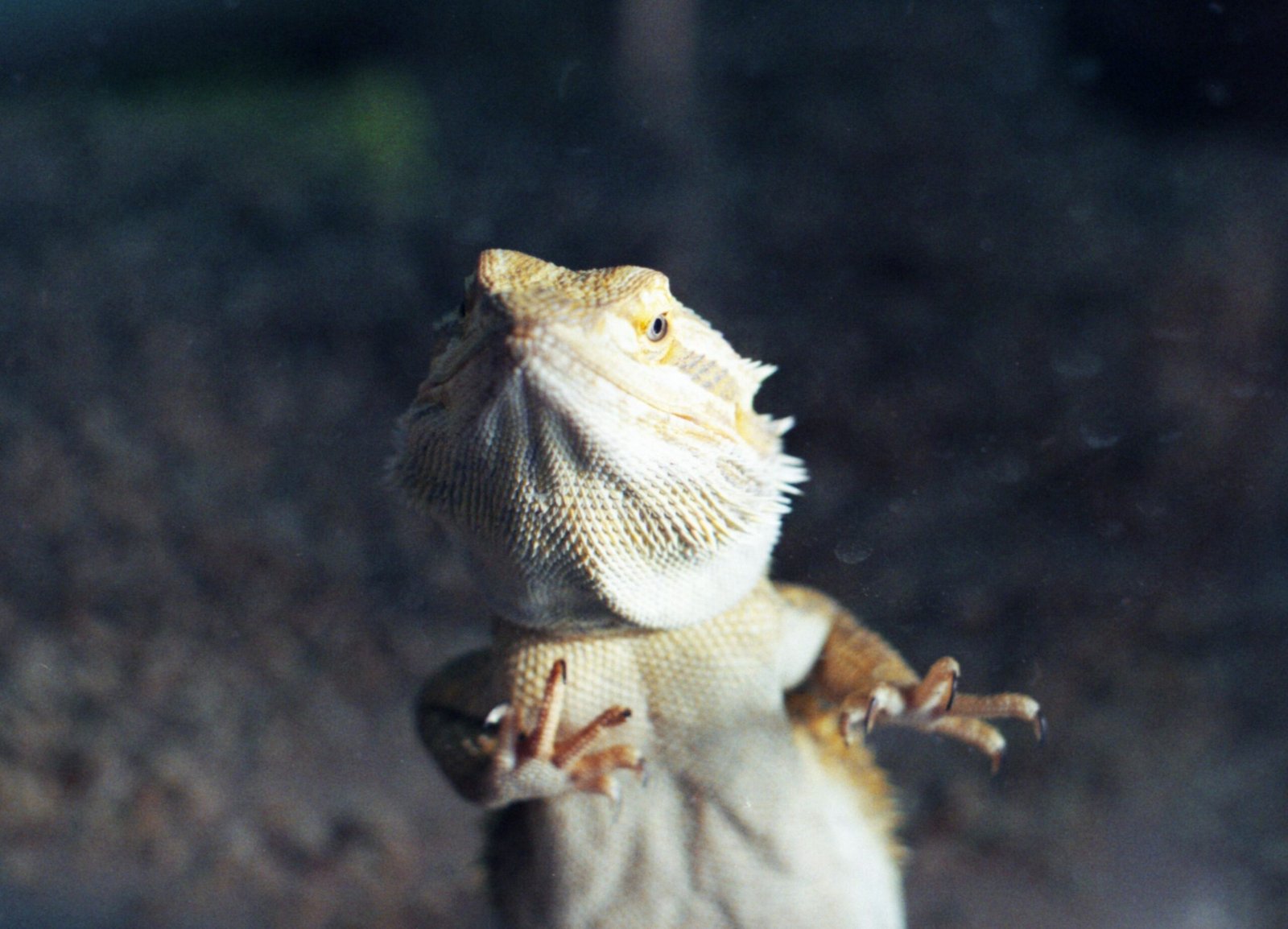
Reptile glass surfing is when a reptile repeatedly paces or scrapes the terrarium glass out of stress or unmet needs.
I have kept and studied reptiles for years, and I’ve seen glass surfing in many species. This behavior reveals more than boredom. It often points to husbandry gaps like wrong temperature, poor hides, reflections, or stress. Read on for clear, step-by-step guidance to identify causes, reduce the behavior, and improve your pet’s health and comfort using proven and practical methods.

What is reptile glass surfing?
Reptile glass surfing describes a reptile pacing, scratching, or pushing along the enclosure glass. The animal moves back and forth, often focused on a single pane. Some reptiles stand tall against the glass and push or scratch. This is sometimes called glass pacing or glass tapping.
Glass surfing is a stereotypic behavior. That means it can be a sign of stress. It can also mean the reptile seeks a change in environment or routine. Tracking when it happens helps find the root cause.

Common causes of reptile glass surfing
- Incorrect temperature gradient
– Reptiles need warm basking areas and cool retreats. If the gradient is wrong, they may pace. - Lack of proper hides
- Too few or poorly placed hides make reptiles feel exposed.
- Reflections and visible movement outside the tank
- Shiny glass or busy rooms can trigger pursuit or escape attempts.
- Boredom and lack of enrichment
- No climbing or foraging options leads to repetitive movement.
- Hunger or irregular feeding schedule
- Searching for food can show up as glass surfing.
- Improper humidity
- Too low or too high humidity can cause discomfort and activity.
- Inadequate space or wrong enclosure type
- Small or inappropriate enclosures push natural behaviors into repetitive actions.
- Stress from handling, new room, or cage mates
- Recent changes often trigger increased glass surfing.
- Medical discomfort
- Pain, parasites, or illness can cause restlessness and pacing.
:strip_icc()/bearded-dragon-464354555-5a902d366bf06900375cd143.jpg)
Species prone to glass surfing
- Leopard geckos
- Often surf when temperature or hides are wrong.
- Bearded dragons
- May glass surf when active or seeking higher light.
- Corn snakes and kingsnakes
- Can pace when ready to hunt or escape.
- Ball pythons
- Often hide, but surf if stressed or if temperature is off.
- Crested geckos and other arboreal species
- May climb glass to reach higher surfaces or hide from poor humidity.
Each species shows the behavior for different reasons. Tailor fixes to the species’ natural habits and needs.

Signs, risks, and health concerns
- Skin abrasions and scale damage
- Repeated scraping can injure skin and scales.
- Stress-related immune suppression
- Chronic stress lowers disease resistance.
- Loss of appetite or weight loss
- If the reptile is stressed, it may eat less.
- Respiratory or skin infections
- Poor humidity or stress can raise health risks.
- Escape attempts and possible injuries
- Frantic surfing increases the chance of escape or trauma.
If the reptile shows lethargy, abnormal stools, or weight loss with surfing, seek a reptile vet.

How to stop reptile glass surfing: a step-by-step plan
- Check and fix the thermal gradient
- Use two thermometers. One at the basking spot and one at the cool end. Ensure species-specific temps.
- Improve hiding spots
- Add at least two hides: one warm and one cool. Use natural-looking hides to reduce stress.
- Reduce reflections and external stimuli
- Apply a background to the glass. Move the tank away from busy walkways.
- Enrich the space
- Add branches, ledges, and safe decor for climbing. Provide substrate for burrowing species.
- Adjust feeding and routine
- Feed on a reliable schedule. Use live prey for species that hunt, if safe.
- Tune humidity and lighting
- Use a hygrometer and replace lights on schedule. Proper UVB and photoperiod matter.
- Secure the enclosure
- Ensure lids and locks are safe. Remove any gaps that invite escape attempts.
- Add mental stimulation
- Offer foraging hides, puzzle feeders, or scent trails occasionally.
- Track behavior and progress
- Keep a short log of when surfing happens, temps, and recent changes.
- Consult a veterinarian if needed
- If medical causes are suspected, get a checkup and diagnostics.
These steps often stop glass surfing within days to weeks. Small changes can have big effects.

Enrichment ideas to reduce glass surfing
- Foraging hides
- Hide food in a safe spot or in crumpled paper for terrestrial species.
- Climbing structures
- Branches and platforms satisfy arboreal instincts.
- Digging or burrow areas
- Use a deep substrate for species that like to burrow.
- Scent enrichment
- Introduce safe scents from prey or environment to stimulate natural behaviors.
- Variable feeding methods
- Offer live prey, tongs, or hidden food to mimic hunting.
- Seasonal shifts
- Slight changes to light and temperature (within safe bounds) can add natural variation.
Rotate items every few weeks to keep interest high. Small, regular changes reduce repetitive pacing.

Monitoring and long-term care
- Keep a behavior diary
- Note time of day, duration, and triggers for glass surfing.
- Regular husbandry checks
- Re-check temps, humidity, and light every week.
- Weight and appetite tracking
- Weigh regularly and log food intake.
- Vet checkups
- Annual exams for healthy animals. Sooner if symptoms appear.
- Gradual changes only
- Make one change at a time and watch for response.
Good records help you and your vet find the cause faster.

Personal experience and practical tips
I once had a female bearded dragon that surfed each morning. I moved her tank away from a bright window and added a deep cool hide. She stopped within three days and ate better. For a young corn snake, adding a textured climbing branch reduced glass rubbing. My lesson: small environment fixes are often the quickest wins.
I also learned to avoid over‑reacting. Quick, repeated changes can add stress. Make one change. Wait a week. Then try another. This stepwise approach saved time and reduced my pets’ stress.

When glass surfing is normal versus a problem
- Normal
- Short bursts during active periods. Seasonal or pre-shedding behavior can cause temporary increases.
- Problematic
- Long, repeated sessions every day. Signs of injury, weight loss, or refusal to eat.
If surfing goes on for weeks or is paired with poor health signs, treat it as a problem and investigate.
Frequently Asked Questions of reptile glass surfing
What does reptile glass surfing mean for my pet?
Reptile glass surfing usually signals unmet needs. It points to husbandry issues like wrong temperatures, lack of hides, or stress.
How quickly can I expect improvement?
Some reptiles respond in days with the right fixes. Others need weeks. Track changes weekly and adjust slowly.
Can glass surfing harm my reptile?
Yes. It can cause skin damage, stress, and lower immunity. Persistent surfing increases health risks.
Should I change the enclosure size to stop surfing?
Larger or species-appropriate enclosures often help. But correct temperatures and hides matter more than size alone.
When should I see a vet about glass surfing?
See a vet if the reptile loses weight, stops eating, shows wounds, or has odd stools. Also seek help if behavior persists after habitat fixes.
Is glass surfing the same as escape behavior?
Sometimes. Glass surfing can be an escape attempt. It can also be a search for food or a response to reflections.
Conclusion
Reptile glass surfing is a clear sign that your pet needs something changed. Start with heat, hides, and enrichment. Make one fix at a time and keep simple records. Small, thoughtful adjustments often stop the behavior and boost your reptile’s health and mood. Try the steps here, watch for quick wins, and consult a vet if problems persist. Leave a comment with your experiences or subscribe for more reptile care tips.
