
Most reptiles refuse food due to stress, wrong temperatures, illness, or seasonal cycles.
I have worked with reptiles for years and helped many owners when their pet stops eating. This guide explains why your reptile refusing food happens, how to tell if it’s serious, what to try at home, and when to call a vet. Read on for clear steps, real examples, and practical tips you can use today.
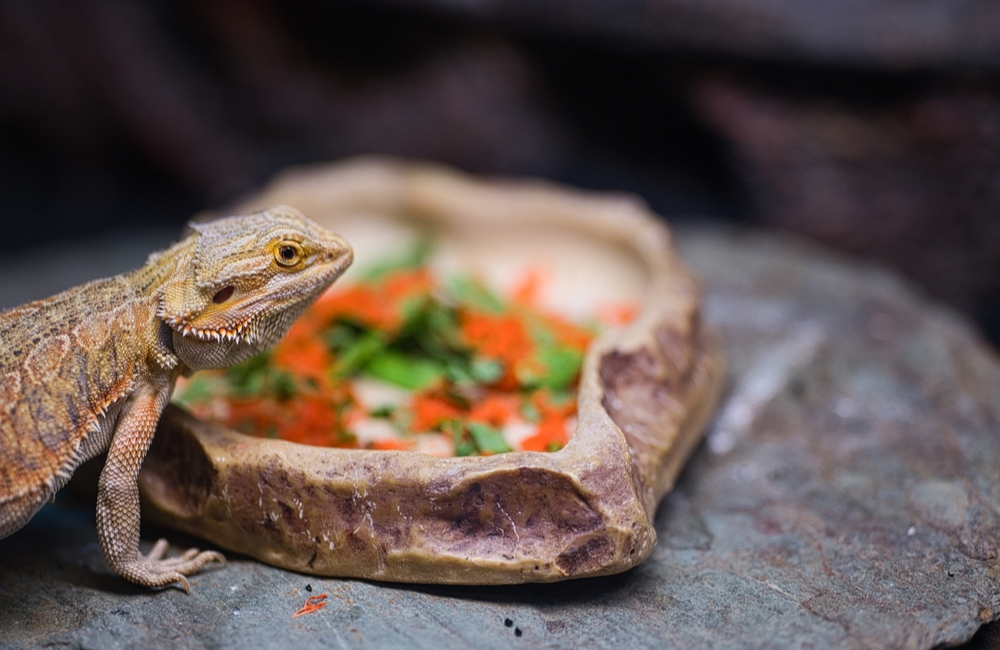
Why reptiles refuse food
Reptile refusing food is common. It can be normal or a sign of trouble.
Causes often fall into a few clear groups:
- Environmental problems. Wrong heat, light, or humidity make reptiles lose appetite.
- Stress and handling. New homes, loud noise, or heavy handling can stop feeding.
- Seasonal cycles. Many reptiles eat less before or during brumation or breeding.
- Illness and parasites. Infections, organ issues, and parasites often cut appetite.
- Diet or feeding method. Wrong food size, wrong prey type, or stale feeders can cause refusal.
- Dental or oral problems. Mouth rot, broken teeth, or swollen gums make eating painful.
Reptile refusing food is rarely caused by one thing only. Look for more than one clue to find the root cause.

How to assess whether refusal is normal or worrying
Quick checks help decide if your reptile refusing food needs urgent care. Use short, repeatable checks:
- Behavior check. Is your reptile active, alert, and moving normally?
- Weight and body condition. Track weight weekly if possible. Rapid loss is worrying.
- Stool and urine. Diarrhea or no droppings can signal illness.
- Skin and mouth. Look for lesions, discharge, or swelling in the mouth.
- Environment log. Record temperatures, light hours, and humidity daily for one week.
If your reptile refusing food shows low energy, weight loss, or abnormal stools, contact a vet within 48 hours. If the reptile is otherwise fine and it is a brief refusal, monitor closely for one to two weeks.

Common causes by species
Reptile refusing food shows in similar and species-specific ways. Here are main patterns.
Snakes
- Refuse during shedding or after a large meal.
- Stress from handling or recent transport is a top cause.
- Temperature slightly low will stop snakes from feeding.
Lizards (bearded dragons, geckos)
- Young lizards refuse food when temperatures or UVB are wrong.
- Adult lizards may skip meals during breeding or heat stress.
- Impaction from substrate can stop appetite.
Turtles and tortoises
- Seasonal appetite changes are common in tortoises.
- Poor water quality or wrong basking temps lower intake.
- Mouth infections or beak problems affect turtles.
Frogs and other reptiles
- Amphibians and semi-aquatic reptiles refuse food when water quality drops.
Each species reacts to different triggers. When a reptile refusing food happens, check species-specific needs first.

Immediate steps to try at home
If your reptile refusing food today, do these steps in order:
- Check and correct temperatures
- Use an accurate digital thermometer.
- Aim for species-specific basking and cool-side temps.
- Improve lighting and UVB exposure
- Replace UVB bulbs every 6–12 months per manufacturer.
- Ensure proper distance from lamp to basking spot.
- Reduce stress
- Limit handling for a week.
- Move enclosure away from noise and heavy traffic.
- Offer enticing, safe food
- Wobble prey or warm it slightly to stimulate strike in snakes.
- Try hand feeding soft items for lizards.
- Check hydration
- Soak turtles and tortoises as needed.
- Offer water baths or mist for lizards.
- Isolate new or sick animals
- Quarantine to avoid spreading parasites or disease.
Try small changes one at a time. If your reptile refusing food does not improve in 3–7 days, seek veterinary care.
:strip_icc()/leopard-gecko-will-not-eat-1239174-hero-5a5af9d82a4c4e87b93dfb7aa713c51e.jpg)
Diagnostics vets use when appetite is lost
A vet will narrow down why your reptile refusing food with tests:
- Physical exam and oral check for mouth disease.
- Weight records and body score.
- Fecal exam for parasites.
- Blood tests for organ function and infection.
- X-rays to find impaction or masses.
- Cultures or biopsies if an infection is suspected.
Early tests speed diagnosis. If you suspect organ illness or severe weight loss, book an appointment quickly.

Long-term management and prevention
Preventing future episodes makes life easier for you and your pet.
- Use species-appropriate enclosure sizes and decor.
- Maintain stable temperature gradients and proper UVB light.
- Create a feeding schedule that matches natural cycles.
- Rotate diets and food types to prevent boredom.
- Keep good hygiene for feeders and enclosures.
- Record weight and behavior weekly.
If your reptile refusing food has happened before, keep a log of triggers. Good records help vets and improve care.

PAA-style questions
What should I do if my reptile refusing food for a week?
- Check temps, hydration, and stress. If no change in 3–7 days, see a vet for exams and tests.
Can low temperatures cause a reptile refusing food?
- Yes. Cold reptiles have slow digestion and often refuse food until temps are corrected.
Is brumation a reason for reptile refusing food?
- Yes. Many species eat little or not at all during brumation. Adjust care and monitor weight.
How quickly will a vet solve a reptile refusing food issue?
- It depends. Some problems respond in days; organ or metabolic issues may need longer care and tests.
Can feeding frequency fix a reptile refusing food problem?
- Sometimes. Adjusting meal size and timing can help, but check environment and health too.

Personal experience: lessons learned from real cases
I once helped a bearded dragon that stopped eating after a move. I corrected basking temperature by 5°F and cut handling. The dragon ate two days later.
Another case was a corn snake that refused meals for a month; X-rays showed an impaction from substrate. Surgery fixed it and appetite returned.
Lessons learned:
- Small environmental fixes often work fast.
- Keep a calm routine after travel or change.
- Record data. Notes save time and vet costs.
- Don’t assume one missed meal means illness. Watch weight and behavior.
These real cases show how quick checks and timely vet care turn outcomes around.

Frequently Asked Questions of reptile refusing food
Why is my reptile refusing food suddenly?
Sudden refusal often links to stress, temperature shifts, or recent changes. Check environment first and watch for other signs.
How long can a reptile go without food?
Many adults can survive weeks to months without eating, but young reptiles need regular meals. Watch weight loss and energy.
Will a reptile eat again after brumation?
Yes. Most reptiles resume feeding after brumation. Reintroduce food slowly and monitor weight.
Can wrong substrate cause a reptile refusing food?
Yes. Substrate that causes impaction or irritation can make reptiles stop eating. Use safe, species-appropriate bedding.
When should I see an exotic vet?
See a vet if your reptile refusing food is paired with weight loss, lethargy, odd stools, or if refusal lasts more than a week for adults or 48–72 hours for young reptiles.
Is hand feeding safe for a reptile refusing food?
Hand feeding can help stimulate interest but must be safe. Use proper gloves and avoid stressful force-feeding without veterinary guidance.
Will supplements fix a reptile refusing food problem?
Supplements help if diet lacks nutrients. But they do not fix poor temperatures, infections, or stress. Use them as part of a larger plan.
Conclusion
Reptile refusing food is common but not always serious. Start with quick checks: temperature, light, stress, and hydration. Keep records, try simple fixes, and contact a vet when weight loss or illness appears. Take action early so your pet recovers faster. If this guide helped, share your story, subscribe for more tips, or leave a comment below to get specific advice about your reptile refusing food.
