
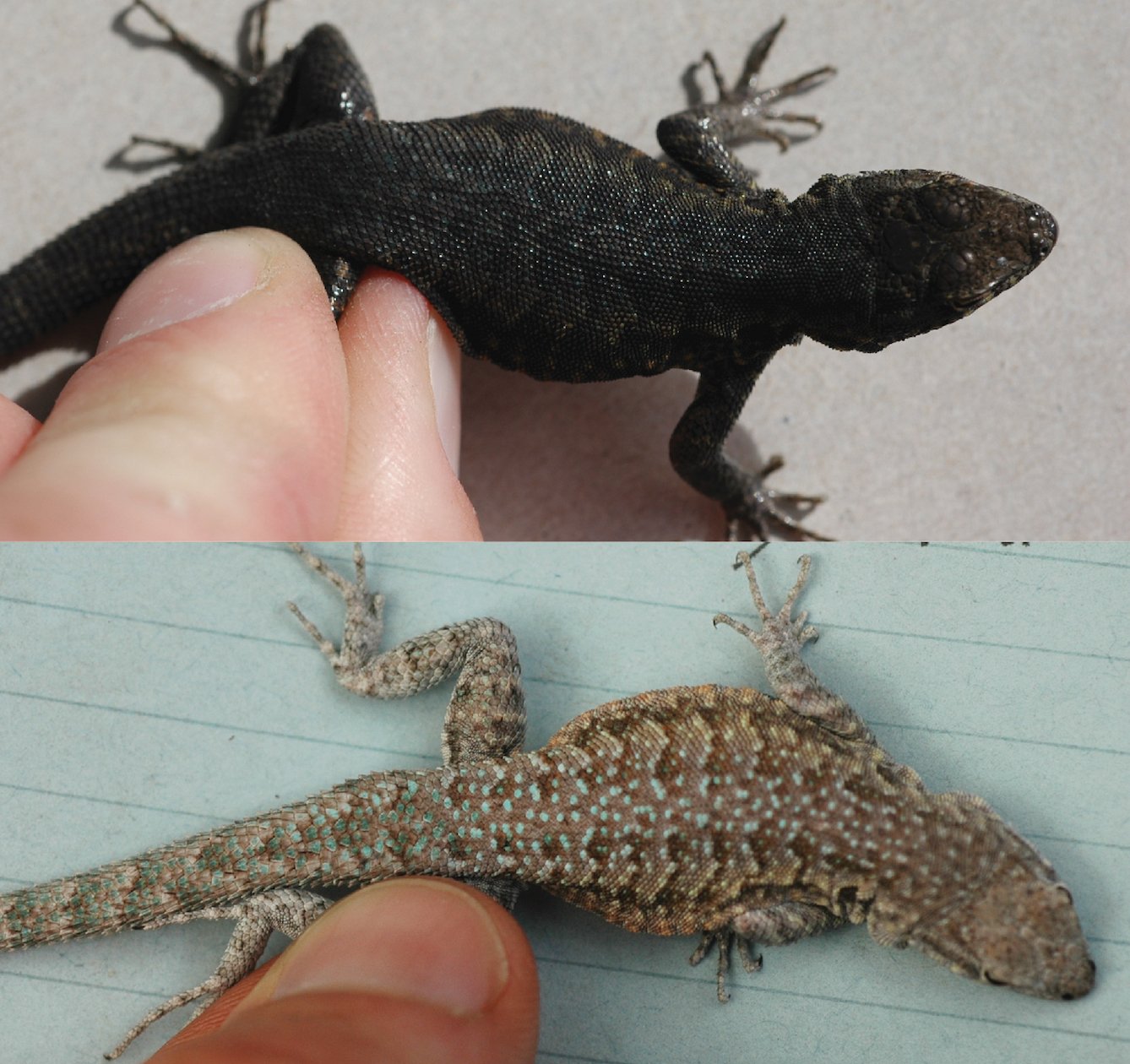
Reptile color darkening often signals stress, temperature changes, shedding, or health issues.
I have studied and cared for reptiles for many years, and I know how worrying a sudden shift in skin tone can be. This article explains reptile color darkening in clear, practical terms. You will learn why reptiles darken, how to tell normal changes from problems, simple checks you can do at home, and when to call a veterinarian. Read on for hands-on tips, real-world examples, and step-by-step care advice you can use today.

What is reptile color darkening?
Reptile color darkening means a reptile's skin gets noticeably darker than usual. It can be a quick change or a slow shift over days. This response can be normal, protective, or a sign of trouble depending on context.

Common causes of reptile color darkening
Understanding the root cause makes it easier to respond. Below are the most frequent reasons reptiles darken, explained in plain terms.
Temperature and thermoregulation
Reptiles often darken to absorb heat faster. Cooler temps can trigger darker pigments so the animal warms more efficiently. If your reptile darkens at night or after a chilly session, check the basking and ambient temps.
Stress and behavior
Stress from handling, a new enclosure, or nearby predators can cause color shifts. Darkening may be a short-term stress signal or an ongoing sign of poor welfare. Reduce triggers and monitor behavior to see if color returns to normal.
Shedding (ecdysis)
Just before shedding, many reptiles show darker or duller tones. Darkening can indicate the skin is separating beneath the outer layer. If darkening is paired with flaky skin and reduced appetite, shedding is likely.
Health problems and illness
Infections, parasites, burns, and metabolic conditions can cause localized or widespread darkening. Illness-related darkening often comes with other signs: weight loss, lethargy, odd feces, or visible lesions. Seek vet care if you suspect disease.
Hydration and nutrition
Dehydration and poor diet can alter pigment and skin sheen. Dark, wrinkled skin or darker patches with sunken eyes often point to low hydration or nutrient gaps. Improve water access and evaluate diet quality.
Genetics and normal pigmentation
Some reptiles naturally darken with age or season. Pigment genes can cause baseline color changes that are normal for a species. Learn the typical color range for your species to avoid misreading normal variation.
Background matching and camouflage
Many species darken to blend with a darker substrate or when hunting. This is an adaptive behavior, not a health issue, and usually reverses when the environment changes.
Seasonal cycles and brumation
Brumation and breeding seasons can affect hormones and pigment. Reptile color darkening during seasonal shifts can reflect natural cycles. Track seasonal patterns to distinguish normal changes from problems.

People also ask — quick answers
These short PAA-style questions help with common search queries.
Why does my reptile suddenly darken at night?
Nighttime cooling often triggers darkening to conserve heat. Check that nighttime temps remain within the species’ safe range.
Will stress-related darkening go away on its own?
Short-term stress darkening often fades with reduced stress. Persistent darkening suggests ongoing issues that need correction.
Can diet cause color changes?
Yes. Poor diet or low vitamins can change pigment and skin quality. Adjust food and supplements based on species needs.

How to assess severity and monitor changes
A clear, consistent approach helps you tell normal color shifts from emergencies.
- Take dated photos to track change over time. Compare lighting and background for accuracy.
- Log temperature, humidity, and behavior daily. Correlate darkening with environment or events.
- Watch for other signs: appetite loss, weight change, abnormal stool, respiratory noise, or lesions.
- Use simple tools: digital thermometer, hygrometer, and a scale for regular weigh-ins.
- Keep handling minimal while you monitor; handling can add stress and worsen darkening.

Source: mnherps.com
Care and management strategies
When you spot reptile color darkening, follow a stepwise care plan. These actions often fix reversible causes.
- Check and stabilize temperatures. Ensure a proper basking spot and cool side with correct gradients.
- Improve hides and cover to reduce stress. Provide at least two hides: warm and cool.
- Maintain correct humidity for your species. Use misting, humid hides, or a controlled substrate where needed.
- Review diet and supplements. Offer species-appropriate prey or greens and add calcium or multivitamin per guidelines.
- Manage shedding support: provide rough surfaces and humid hides to aid ecdysis.
- Reduce handling and environmental changes during recovery.
- If you suspect infection, parasites, or burns, isolate and consult a reptile vet promptly.
Personal note: When a leopard gecko in my care darkened overnight, photos and a temp log showed a drop in basking temp. Raising the basking lamp to the correct wattage and adding a secure hide returned its normal color in three days. I learned to check lamps and thermostats first.
Examples by species
Different reptiles show darkening for different reasons. Here are concise species notes.
- Leopard geckos: Darken with stress, cool temps, or before shedding. Watch belly and tail for health clues.
- Bearded dragons: Darken under the chin or whole body to signal mood, basking needs, or illness.
- Corn snakes: Darkening may be seasonal or linked to humidity and shedding readiness.
- Chameleons: Rapid darkening often communicates stress, aggression, or temperature issues.
- Ball pythons: Age and humidity changes influence pattern contrast and darkness.
When to seek veterinary help
Sometimes darkening is a red flag. Contact a vet if you notice any of these:
- Rapid, unexplained darkening with lethargy or loss of appetite.
- Dark patches with sores, discharge, or foul odor.
- Weight loss, abnormal stools, or breathing problems alongside darkening.
- Persistent darkening that doesn’t respond to environment fixes.
Frequently Asked Questions of reptile color darkening
What does sudden reptile color darkening mean?
Sudden darkening can mean stress, temperature change, shedding, or illness. Check environment and behavior to narrow the cause.
Can I treat reptile color darkening at home?
You can address many causes at home by stabilizing temperature, humidity, diet, and hiding spots. Seek veterinary care for signs of disease or if changes persist.
Is darkening always bad for my reptile?
No. Darkening can be normal for thermoregulation, camouflage, or seasonal cycles. Context and other health signs determine concern.
How long does color darkening last?
Duration varies. Stress-related darkening may clear in days, while illness-related changes can last or worsen until treated. Track the timeline with photos.
Will lighting or UVB affect reptile color darkening?
Yes. Proper lighting and UVB support skin health and behavior, and poor lighting can contribute to abnormal darkening. Replace bulbs per manufacturer timelines and verify UVB output.
Conclusion
Reptile color darkening is a common, often reversible response to temperature, stress, shedding, or environment. Use simple tools—photos, temp logs, and careful observation—to find the cause. Start with habitat checks, improve hides and diet, and limit handling. If darkening comes with illness signs or does not improve, consult a reptile-savvy veterinarian. Take action today: document the change, adjust the enclosure, and monitor for improvement. If this guide helped, try tracking your reptile’s color changes with photos and share your experience or questions below.
