
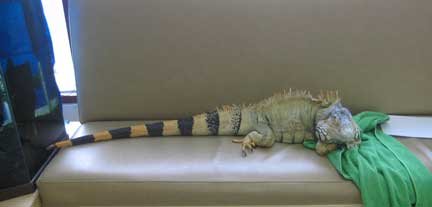
Reptile limb weakness is often caused by metabolic issues, injury, infection, or nerve damage.
I have cared for many reptiles and studied common causes and treatments for reptile limb weakness. This guide explains why limbs get weak, how to spot problems early, and practical steps to diagnose and treat issues. You will find clear action steps, real-life tips from experience, and evidence-based care advice to help your reptile recover or live better with chronic weakness.
Causes of reptile limb weakness
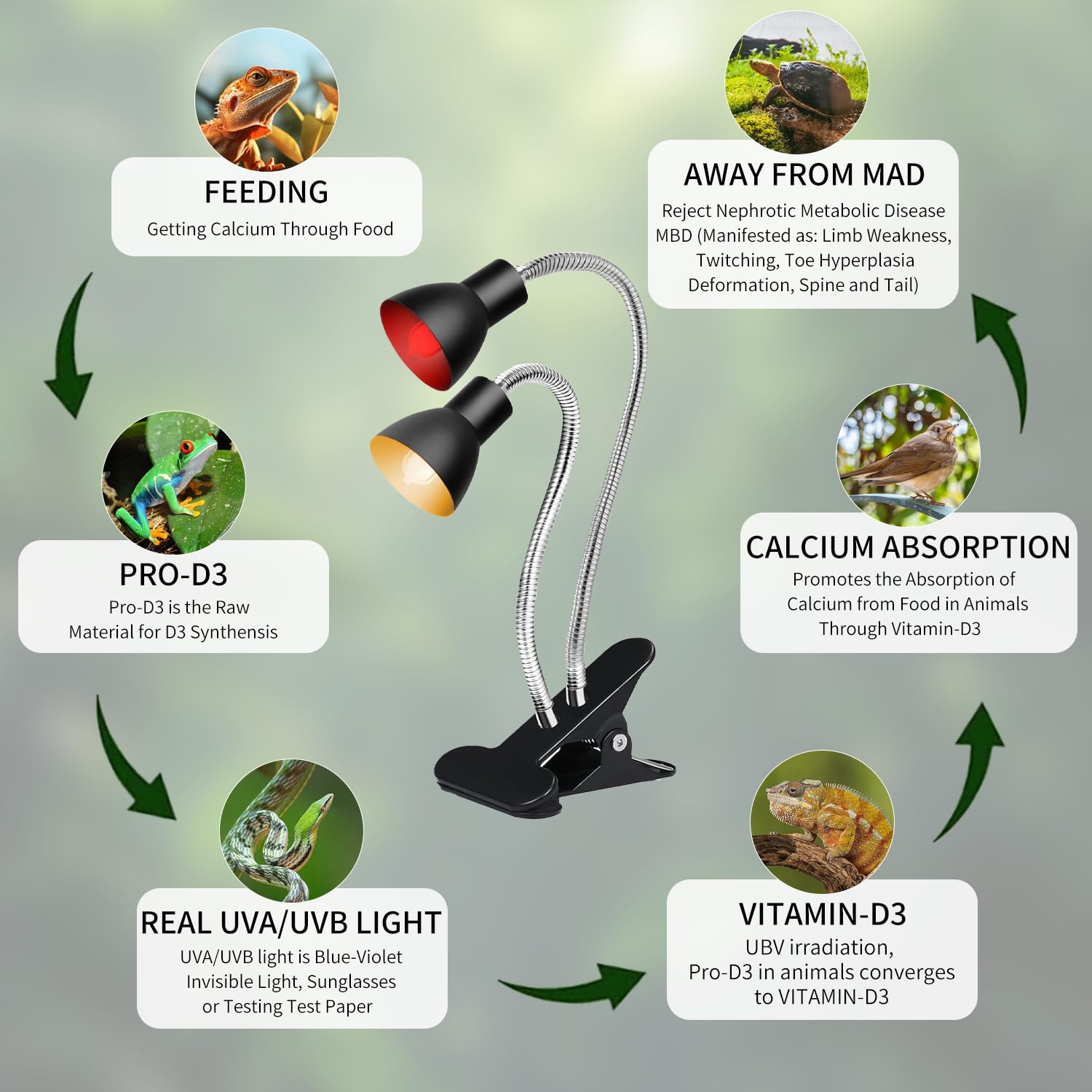
Reptile limb weakness can come from many causes. Common reasons include metabolic bone disease, vitamin imbalances, trauma, nerve damage, infection, and toxins. Each cause affects movement in a different way. Understanding the root cause guides treatment and recovery.
Main causes to watch for
- Metabolic bone disease causes soft, brittle bones and weak limbs.
- Vitamin A deficiency leads to poor growth, eye and skin problems, and weakness.
- Spinal or nerve injury causes paralysis or limp movement on one or more limbs.
- Bacterial or fungal infection can inflame joints and nerves, reducing limb use.
- Toxins or heavy metals damage nerves and muscles, producing weakness.
- Dehydration and poor nutrition reduce muscle performance and reflexes.
- Metabolic issues are slow and progressive. Weakness worsens over weeks.
- Trauma is often sudden. One limb may be limp after a fall or bite.
- Infections may include swelling, heat, or discharge near joints.
- Neurological causes may show odd gait, twitching, or loss of coordination.
Personal note
I once treated a bearded dragon with reptile limb weakness from poor UV exposure. A change in diet and lighting improved activity within weeks. Small husbandry fixes often prevent or reverse weakness.

Symptoms and signs to look for
Early detection helps recovery. Watch your reptile daily for subtle changes.
Common signs
- Limping or dragging of one or more limbs.
- Reduced use of a limb when climbing or walking.
- Tremors, fine shaking, or poor coordination.
- Difficulty righting itself when turned over.
- Swollen joints, heat, or discharge around limbs.
Behavioral clues
- Decreased appetite or hiding can appear alongside limb weakness.
- Reduced climbing or basking may hint at pain or low energy.
- Changes in posture, such as a hunched or lopsided stance, suggest discomfort.
PAA-style questions
What does sudden limb weakness in reptiles mean?
Sudden limb weakness usually points to trauma, toxin exposure, or acute infections. Immediate veterinary evaluation is important.
Can poor lighting cause limb weakness?
Yes. Lack of UVB and poor temperatures can lead to metabolic bone disease and gradual limb weakness.
Diagnosis and testing for reptile limb weakness
A clear diagnosis is the first step to effective treatment. Vets use a mix of history, exam, and tests.
Typical diagnostic steps
- Thorough history of diet, husbandry, and recent events.
- Physical exam checking limb reflexes, joints, and spine.
- Blood tests to measure calcium, phosphorus, vitamins, and organ function.
- X-rays to view bones, growth plates, and spinal alignment.
- Advanced tests like ultrasound, CT, or MRI if nerve damage or tumors are suspected.
- Microbial cultures or biopsies for persistent infections.
What I recommend at first
- Take photos or video of the problem. Motion shows problems better than static notes.
- Bring a sample of the reptile’s diet and a brief description of lighting and temperatures.
- Expect follow-up tests after initial treatment to track improvement.

Treatment and management options
Treatment depends on cause and severity. Many cases improve with proper care and timely veterinary therapy.
Medical treatments
- Supplement calcium, vitamin D3, and adjust diet for metabolic bone disease.
- Antibiotics or antifungals for confirmed infections.
- Anti-inflammatories and pain control for painful joints and injuries.
- Fluid therapy and nutritional support for weak or dehydrated animals.
- Surgery for fractures, severe impingement, or some spinal injuries.
Rehabilitation and supportive care
- Gentle physical therapy to maintain muscle tone and joint mobility.
- Safe enclosures with low ledges to prevent falls.
- Heated pads and proper basking spots to encourage movement.
- Assisted feeding when limb weakness limits food intake.
Long-term management
- Monitor bloodwork and x-rays periodically.
- Keep body weight optimal; excess weight stresses weak limbs.
- Use ramps and low perches to make movement easier.
- Plan ongoing vitamin and calcium balance with veterinary guidance.
Personal tip
When treating a turtle with limb weakness, I used a shallow water bath to let it swim. Swimming kept muscles active without bearing full weight. It was low stress and helped recovery.

Prevention and proper husbandry to reduce risk
Good husbandry prevents many cases of reptile limb weakness. Small, consistent steps go a long way.
Essential husbandry tips
- Provide proper UVB lighting and replace bulbs on schedule.
- Maintain correct temperature gradients and night drops for your species.
- Feed a balanced diet tailored to species, life stage, and health status.
- Ensure calcium to phosphorus balance and use supplements as needed.
- Keep enclosures clean to reduce infection risk.
- Avoid exposing reptiles to household toxins, pesticides, or heavy metals.
Routine checks to catch issues early
- Weekly observation of gait and climbing behavior.
- Monthly body condition scoring and weight checks.
- Annual veterinary wellness visits for bloodwork and advice.
When to see a veterinarian
Prompt veterinary care can change outcomes. Don’t wait if you see worrying signs.
Seek urgent care if
- Limb weakness appears suddenly or after trauma.
- Your reptile cannot move, stand, or feed.
- There is swelling, open wounds, or pus near a limb.
- The animal shows severe lethargy, breathing problems, or seizures.
For non-urgent cases
- If weakness is mild and gradual, contact a vet within a few days.
- Keep a daily log of changes and bring photos or videos to the appointment.

Frequently Asked Questions of reptile limb weakness
What causes limb weakness in reptiles most often?
Metabolic bone disease and poor husbandry are the most common causes of reptile limb weakness. Nutritional deficits and improper UVB exposure often lead to weakness.
Can reptile limb weakness be reversed?
Many cases are reversible if caught early, especially metabolic and nutritional causes. Nerve damage and severe spinal injuries may have limited recovery.
How long does recovery take?
Recovery time varies widely. Minor metabolic cases may improve in weeks, while nerve injuries can take months or be permanent.
Is physical therapy useful for reptiles?
Yes. Gentle, supervised exercises and assisted swimming can help maintain muscle and joint function. Work with a vet or rehab specialist for a safe plan.
Are there home tests to check for serious problems?
Home checks can spot signs like swelling or inability to bear weight, but blood tests and imaging by a vet are needed for definitive diagnosis.
Conclusion
Reptile limb weakness has many causes, but careful observation, good husbandry, and timely veterinary care make a big difference. Start by assessing diet, lighting, and enclosure conditions. Document changes, act early, and seek professional help when needed. With the right steps, many reptiles recover or learn to live well with chronic issues.
Take action today: review your pet’s husbandry, record any changes, and consult a reptile vet if you notice limb weakness. Share your experience or questions below to help others learn.
