
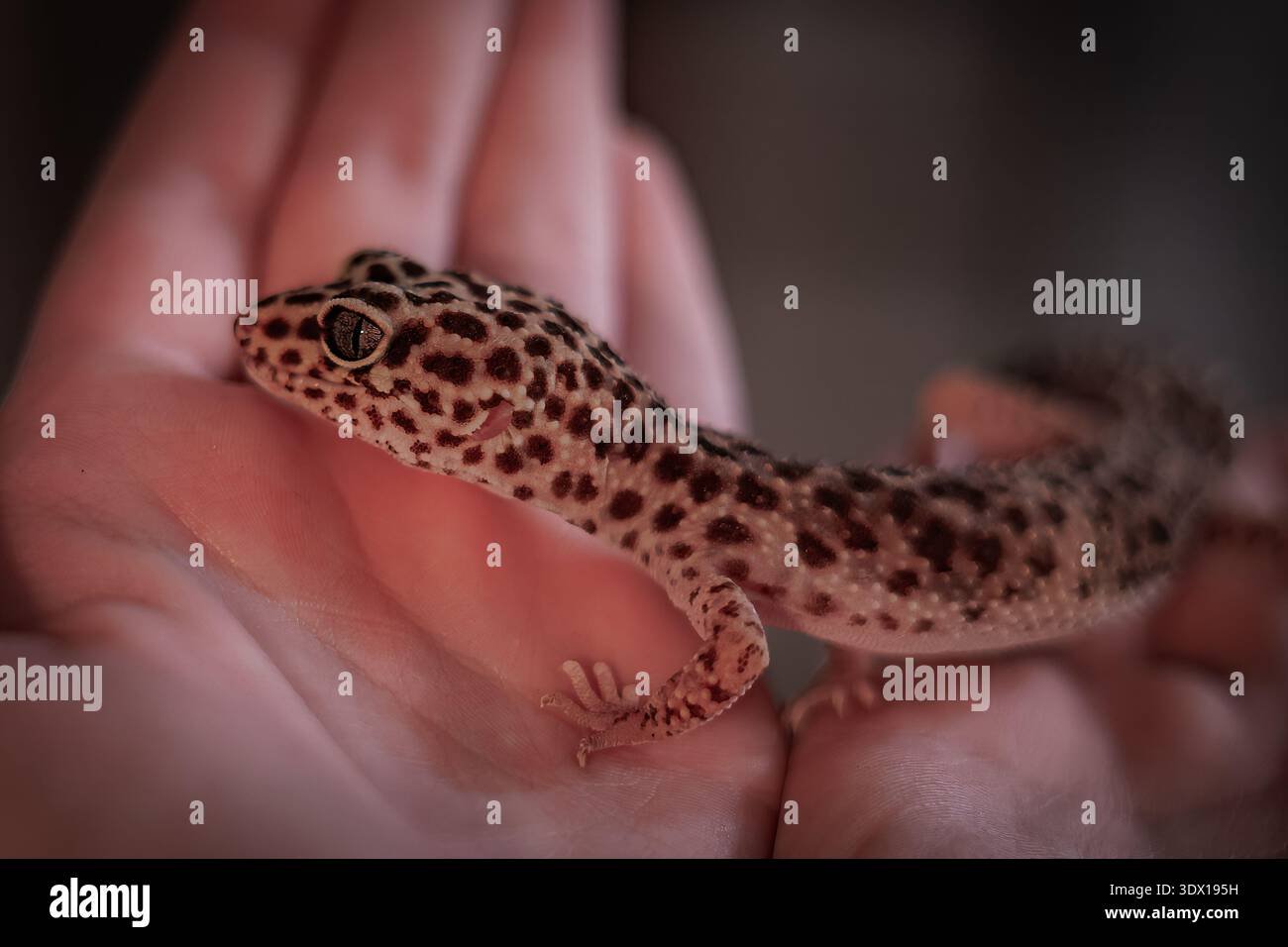
Reptile pale skin often signals shedding, poor husbandry, illness, or stress requiring attention.
I’ve cared for many lizards and snakes as a breeder and veterinary assistant. I’ll guide you through what reptile pale skin means, how to spot worry signs, and practical steps to help your pet. This article blends hands-on experience, clear explanations, and easy checks so you can act fast and confidently when you see reptile pale skin.
What is reptile pale skin?
Reptile pale skin is a noticeable lightening or loss of normal color on a lizard, snake, turtle, or other reptile. It may be patchy or general. The change can come from normal cycles or from a health or environment problem. Knowing the difference helps you respond the right way.

Common causes of reptile pale skin
Reptile pale skin can result from many factors. Below are the most common causes and short explanations.
Shedding (ecdysis)
Shedding makes skin look dull and pale for a few days. This is normal and often resolves on its own.
Improper lighting and UVB exposure
Poor UVB or wrong light spectrum can change pigmentation. Long-term lack of UVB affects health and color.
Temperature and humidity issues
Too-cool or too-dry enclosures can make skin pale. Reptiles rely on their environment to maintain healthy color and shedding.
Dehydration
Dehydration can dry the skin and cause paleness. Check for sunken eyes and poor skin elasticity.
Nutritional deficiencies
Lack of certain vitamins or minerals can alter skin tone. Calcium and vitamin D imbalances commonly affect color and health.
Stress and behavior
Stress from handling, new habitat mates, or poor enclosure setup can bleach colors. Stress-related pale skin often accompanies hiding or loss of appetite.
Parasites and infections
External parasites, fungal infections, and bacterial issues can lighten or patch the skin. These often come with other signs like lesions or lethargy.
Systemic illness
Organ failure, metabolic disease, or severe infections can change skin tone. Pale skin along with weakness or poor appetite needs urgent care.
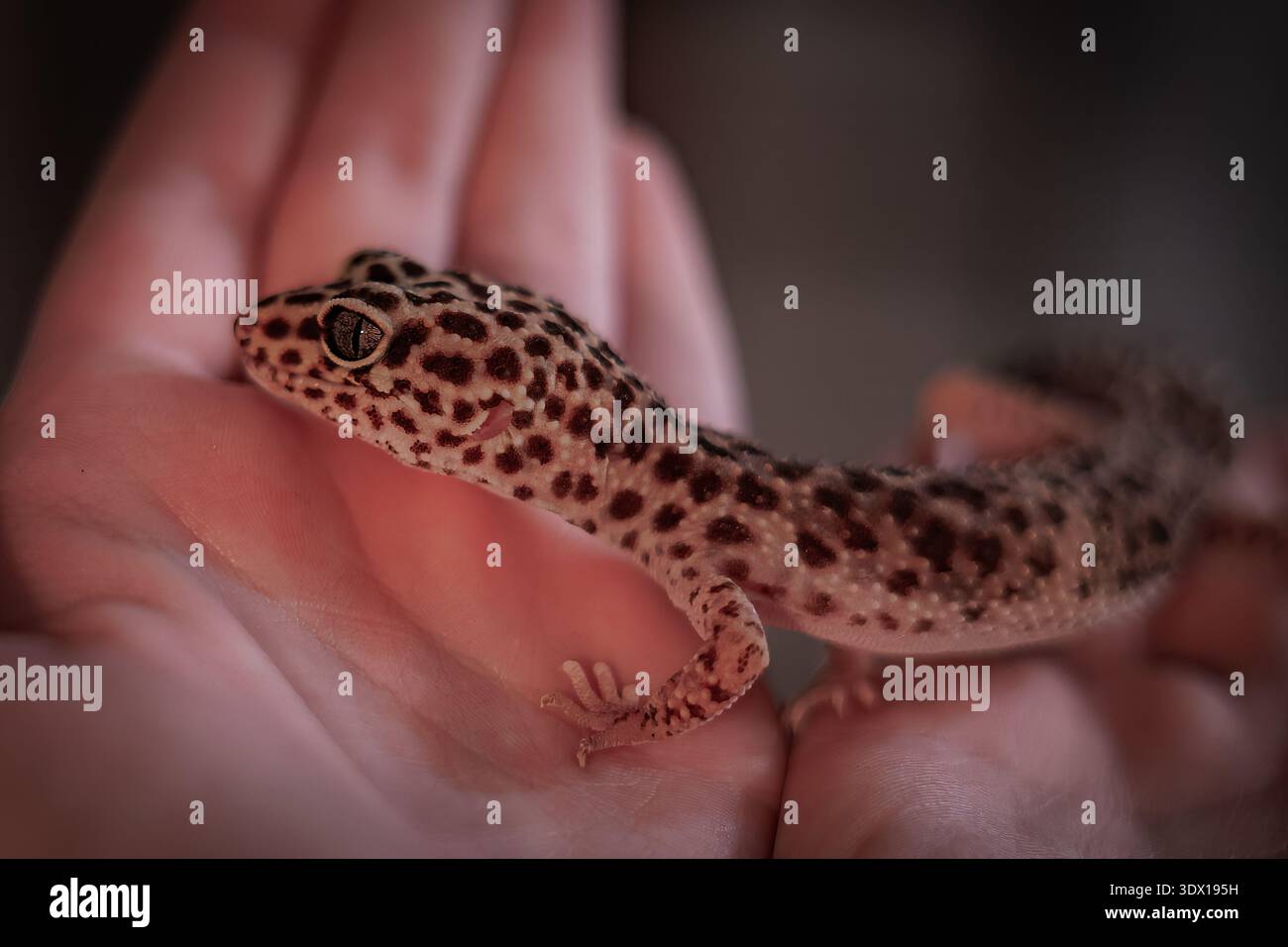
How to tell normal pale skin from a problem
You can often tell normal shedding from a problem by watching behavior and timing.
- Normal shedding signs
- Reptile is active and eating normally.
- Pale color is uniform and gradually returns after shed.
- Skin peels in sheets or flakes, depending on species.
- Concerning signs
- Pale skin with loss of appetite or lethargy.
- Sores, discharge, or bad smell where skin is pale.
- Pale patches that don’t improve after a normal shed cycle.
PAA-style question 1: Why does my reptile look pale after handling?
Short answer: Handling can stress a reptile and temporarily alter blood flow and color; reduce handling and monitor behavior.
PAA-style question 2: Does pale skin mean my reptile is sick?
Short answer: Not always. Pale skin can be normal for shedding or seasonal change, but if it comes with other symptoms, see a vet.

Diagnosis and when to see a vet
Start with simple checks at home. Assess behavior, appetite, enclosure heat, UVB, and humidity. Take clear photos and note timing and any other signs.
Seek veterinary care if any of the following occur:
- Loss of appetite for more than 48 hours
- Severe lethargy or unresponsiveness
- Open sores, pus, or heavy breathing issues
- Repeated failed sheds or obvious parasites
A vet will run basic exams, skin scrapings, blood tests, and imaging when needed. Early diagnosis prevents small problems from becoming emergencies.

Treatment and home care for reptile pale skin
Treatment depends on the cause. Use these steps as a checklist while you arrange veterinary help if needed.
- Fix environment first
- Adjust temperature gradients and humidity to species needs.
- Replace or upgrade UVB lighting on a regular schedule.
- Improve hydration and shedding help
- Offer shallow warm baths and soak hides for humidity support.
- Use a humidity box or damp sphagnum for species that need it.
- Correct diet and supplements
- Provide balanced diet and dust prey with calcium and multivitamin as appropriate.
- Avoid over-supplementing; follow species-specific dosing.
- Treat infections and parasites
- If mites or fungal infections are present, isolate the reptile and follow vet-prescribed treatment.
- Clean and disinfect the enclosure thoroughly.
- Monitor and document
- Record daily behavior, appetite, and any color changes.
- Bring notes and photos to the vet for faster diagnosis.
From my experience, fast environmental fixes often stop mild pale skin from worsening. I once rescued a bearded dragon whose pale skin reversed in a week after correcting UVB and adding a proper basking spot.

Prevention and best practices
Good husbandry prevents most cases of reptile pale skin. Follow these core practices.
- Maintain accurate heat gradients with a reliable thermostat.
- Replace UVB bulbs every 6–12 months per manufacturer guidance.
- Provide species-appropriate humidity levels and proper hides.
- Offer a varied, nutritionally balanced diet and appropriate supplements.
- Quarantine new animals for at least 30 days and inspect for parasites.
- Keep detailed records of feeding, shedding, and behavior changes.
A steady routine helps reptiles feel secure. In my experience, consistent care prevents stress-related color loss far more than occasional treatments.

Common mistakes and myths
Watch for these common errors that harm reptile skin and color.
- Myth: Pale skin always needs antibiotics.
- Reality: Many cases are environmental and do not require drugs.
- Mistake: Using incorrect bulbs
- Wrong spectrum lights can starve a reptile of needed UV.
- Mistake: Overhandling during shedding
- Handling increases stress and can worsen shedding issues.
- Myth: All pale patches are mites
- Pale spots can be many things; diagnose before treating.
Frequently Asked Questions of reptile pale skin
What does pale skin mean on my reptile?
Pale skin can mean normal shedding, poor lighting, stress, dehydration, or illness. Compare the pale skin to behavior and appetite to decide if it’s urgent.
How long does pale skin last during shedding?
Shedding-related pallor usually lasts a few days to a week. It resolves after the old skin is removed and humidity is restored.
Can low humidity cause pale skin?
Yes, low humidity can dry the skin and make it appear pale. Raising humidity and offering humidity hides usually helps.
Should I bathe my reptile if it looks pale?
A warm soak can aid hydration and help with shedding, but do it gently and avoid prolonged baths. Use species-appropriate water depth and temperature.
When should I take my reptile to a vet for pale skin?
Take your reptile to a vet if pale skin comes with loss of appetite, lethargy, visible wounds, or failure to shed for multiple cycles. Rapid changes or multiple symptoms need prompt care.
Conclusion
Reptile pale skin can be a harmless stage or a sign of a real problem. Check the environment first, monitor behavior, and seek a vet when pale skin comes with other worrying signs. Start with simple fixes like correct heat, UVB, humidity, and a balanced diet to prevent most issues. If you found this helpful, try adjusting your setup, keep a daily log, and share your experience or questions below — subscribe for more reptile care guides.
