
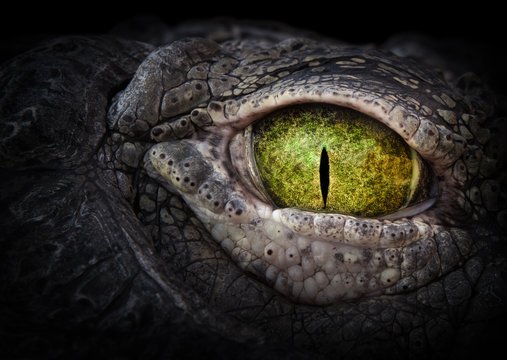
Reptiles close their eyes for sleep, protection, shedding, and to clear debris or irritation.
I have kept and studied reptiles for over a decade, and I’ve seen many reasons why reptile eye closing matters. This article explains how reptile eye closing works, when it's normal, when it signals trouble, and what you can do to help your pet. Read on for clear signs, step-by-step checks, simple treatments, and real-life tips from my experience that will help you spot problems early and care for your reptile’s eyes with confidence.

How reptile eye closing works
Most reptiles do not blink like mammals. Many species have a transparent eyelid called a spectacle or brille that covers the eye. In snakes, this scale stays in place until shed. Lizards often have movable eyelids and can blink or squint.
Eye closing helps in several ways:
- Keeps the eye moist and clean.
- Shields the eye from dust and bright light.
- Helps during sleep and rest.
- Aids in shedding old skin over the eye.
Physiology is simple. Tears in reptiles are limited compared to mammals. The spectacle or eyelid takes on protection. When a reptile closes an eyelid, muscles pull skin over the eye. In snakes, the spectacle does not move; instead, the whole scale can appear cloudy before shedding.

Common reasons reptiles close their eyes
Reptile eye closing is common and often normal. The most common reasons include:
- Sleep or rest. Closing eyes at night or during naps is normal.
- Shedding. Eyes may appear cloudy or closed when shedding.
- Debris or dust. Small particles cause squinting or rubbing.
- Bright light. Reptiles may close eyes to reduce glare.
- Stress or fear. An animal under stress may hide its eyes.
- Eye infection or injury. Persistent closing with discharge signals trouble.
Watch for patterns. Short, occasional closures are usually fine. Long, firm closure or swelling needs a check.

Species differences: snakes, lizards, turtles
Reptile eye closing varies by species. Know your pet’s normal behavior.
Snakes
- Have a fixed spectacle.
- Spectacle becomes opaque before shedding.
- Rubbing against branches is common to aid shedding.
Lizards
- Many can blink and close eyes like mammals.
- Some species, like geckos, lick their eyes to clean them.
- Bearded dragons blink and may close eyes when warm or relaxed.
Turtles and tortoises
- Can retract eyes slightly into sockets.
- Use lids and nictitating membranes for protection.
- Aquatic species may close eyes underwater.
Understanding species-specific signs helps separate normal from abnormal.

Signs of healthy versus problematic eye closing
Healthy signs
- Brief closure during rest or bright light.
- Cloudiness limited to pre-shed period.
- No swelling, no sticky discharge.
- Normal appetite and activity.
Problematic signs
- Prolonged closure or constant squeezing shut.
- Yellow, green, or thick discharge.
- Swelling around the eye or the eyelids stuck together.
- Visible injury, cloudiness outside of shed, or reduced vision.
- Changes in behavior like lethargy or loss of appetite.
If you see problematic signs, act quickly. Eye problems can worsen fast and risk vision loss.

Diagnosing and treating eye issues
Start with simple checks at home. If you suspect a problem, follow these steps:
- Observe
- Note how long the eye has been closed.
- Check for discharge, swelling, or lethargy.
- Check habitat
- Ensure correct temperature and humidity for the species.
- Look for sharp objects or rough surfaces that can scratch the eye.
- Gentle cleaning
- Use a damp, lukewarm sterile cloth to remove crust gently.
- Never use force or rub hard.
- When to see a vet
- Persistent closure over 24–48 hours.
- Any colored discharge or swelling.
- Signs of pain or severe change in behavior.
Veterinary treatments may include:
- Topical antibiotic drops or ointments.
- Anti-inflammatory medication.
- Fluid therapy if infection or systemic illness is present.
- In severe cases, surgery or specialized care for corneal injuries.
Early vet care improves outcomes. Do not use human eye drops without vet approval.
Preventive care and husbandry tips
Good care prevents many eye problems. Use these tips:
- Maintain species-appropriate humidity and temperature.
- Provide clean water for drinking and soaking.
- Use smooth hides and substrate to reduce eye abrasions.
- Schedule regular handling checks to notice small changes early.
- Keep the enclosure clean to reduce bacterial and fungal agents.
Nutrition matters. Vitamin A deficiency can cause poor eye health in some reptiles. Use a balanced diet and proper supplements only as advised for your species.

Personal experience and lessons learned
I once treated a bearded dragon that kept one eye closed. I first checked temperature and humidity and found the basking area was too hot. After adjusting the lighting and offering a shallow soak, the eye improved in two days. I learned to always check the environment first.
In another case, a corn snake had a cloudy spectacle and would rub against the tank. A soak and careful humidity control fixed the problem during shed. A delayed vet visit later cost the snake partial vision due to an infected spectacle.
Lessons learned
- Act early on eye changes.
- Fix habitat issues before treating symptoms.
- Keep a vet on call for urgent care.

PAA-style common questions (short answers)
Q: Why does my reptile keep its eyes closed during the day?
A: It may be resting, stressed, or sensitive to bright light. Check temperature and enclosure lighting.
Q: Is cloudy eye always an infection?
A: No. Cloudiness commonly occurs before shedding. Persistent cloudiness with discharge may indicate infection.
Q: Can I use human eye drops on my reptile?
A: Avoid human drops unless a vet prescribes them. Some ingredients can harm reptiles.
Frequently Asked Questions of reptile eye closing
Why does my snake’s eye look cloudy?
Cloudiness often signals an upcoming shed. If it clears after shedding, it was normal. If cloudiness stays with discharge, see a vet.
How long should a reptile keep its eyes closed during shedding?
Eyes usually clear within a day after the shed finishes. Extended closure beyond the shed period may indicate retained shed or infection.
Can poor humidity cause eye problems?
Yes. Low humidity can lead to retained eyecaps and dryness. High humidity can encourage infections. Match humidity to your species.
What should I do if my reptile has sticky eye discharge?
Gently clean with sterile saline and seek vet care. Sticky discharge often suggests infection.
Are eye injuries common in pet reptiles?
They can happen from rough decor or fights. Regular checks and safe decor lower the risk. Prompt treatment reduces permanent damage.
How can I prevent eye infections in my reptile?
Keep the enclosure clean, provide proper diet and humidity, and inspect your reptile regularly. Early action on small issues prevents infection.
[No CodeImg here]
Conclusion
Reptile eye closing is usually normal, but it can also signal shedding, stress, or serious issues. Watch for discharge, swelling, and changes in behavior. Start with habitat checks and gentle cleaning, and seek vet care when problems persist. Take action early, keep good husbandry, and learn your pet’s normal eye habits to protect its vision and health. If you found this guide helpful, try adjusting your pet’s setup, subscribe for more care tips, or share your questions and experiences in the comments.
