
The aquarium nitrogen cycle converts fish waste into less toxic nitrate through beneficial bacteria.
I’ve managed freshwater and reef tanks for over a decade, and I know the aquarium nitrogen cycle inside out. This guide explains what the cycle is, why it matters, how to start and monitor it, common problems, and practical fixes I’ve used. Expect clear steps, real-life tips, and simple testing advice so you can keep fish healthy and stress low.
:strip_icc()/NitrogenCycle-5667357c3df78ce161d649cf.jpg)
How the aquarium nitrogen cycle works
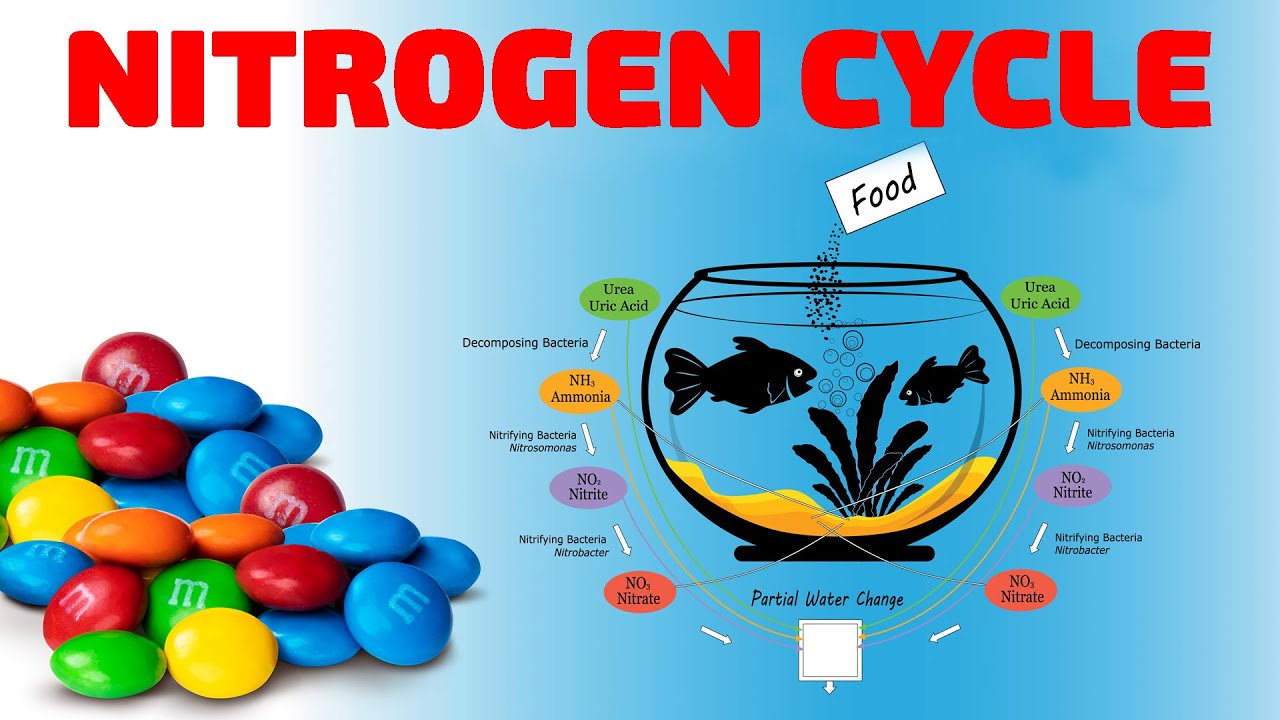
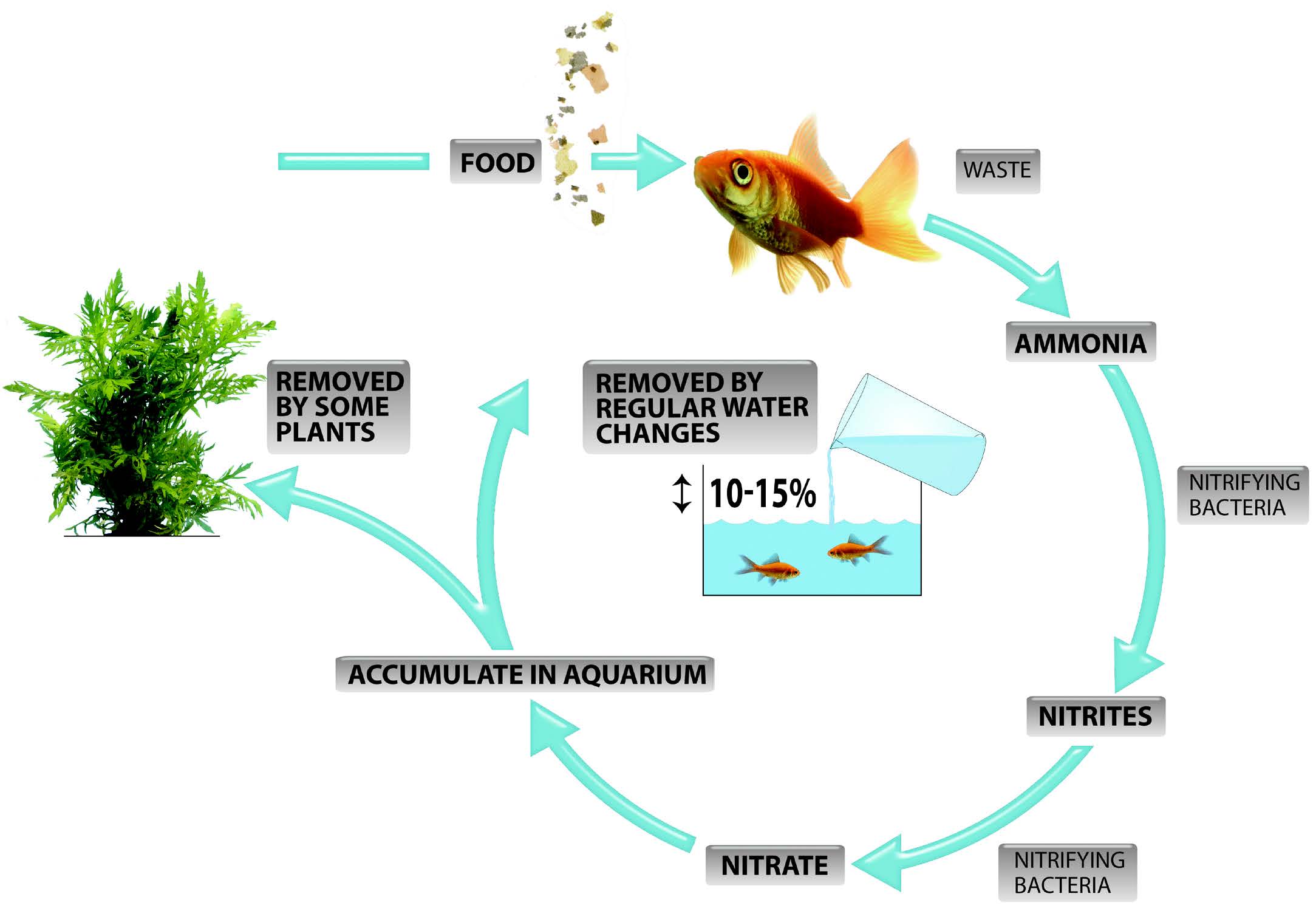
The aquarium nitrogen cycle is a natural series of chemical changes driven by microbes. Fish and uneaten food make ammonia. Ammonia is toxic to fish even at low levels. Specialized bacteria turn ammonia into nitrite, and other bacteria turn nitrite into nitrate. Nitrate is much less toxic and is removed with water changes or plants.
Bacteria grow on surfaces such as filter media, gravel, and decor. A stable cycle needs colonies of these bacteria. If colonies die or are small, ammonia or nitrite can spike. Understanding this process helps you keep fish safe and tanks stable.
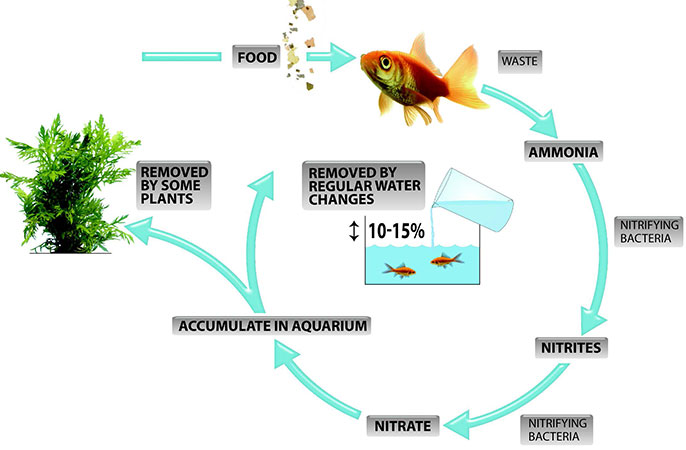
Stages of the aquarium nitrogen cycle
Ammonia: the starting point
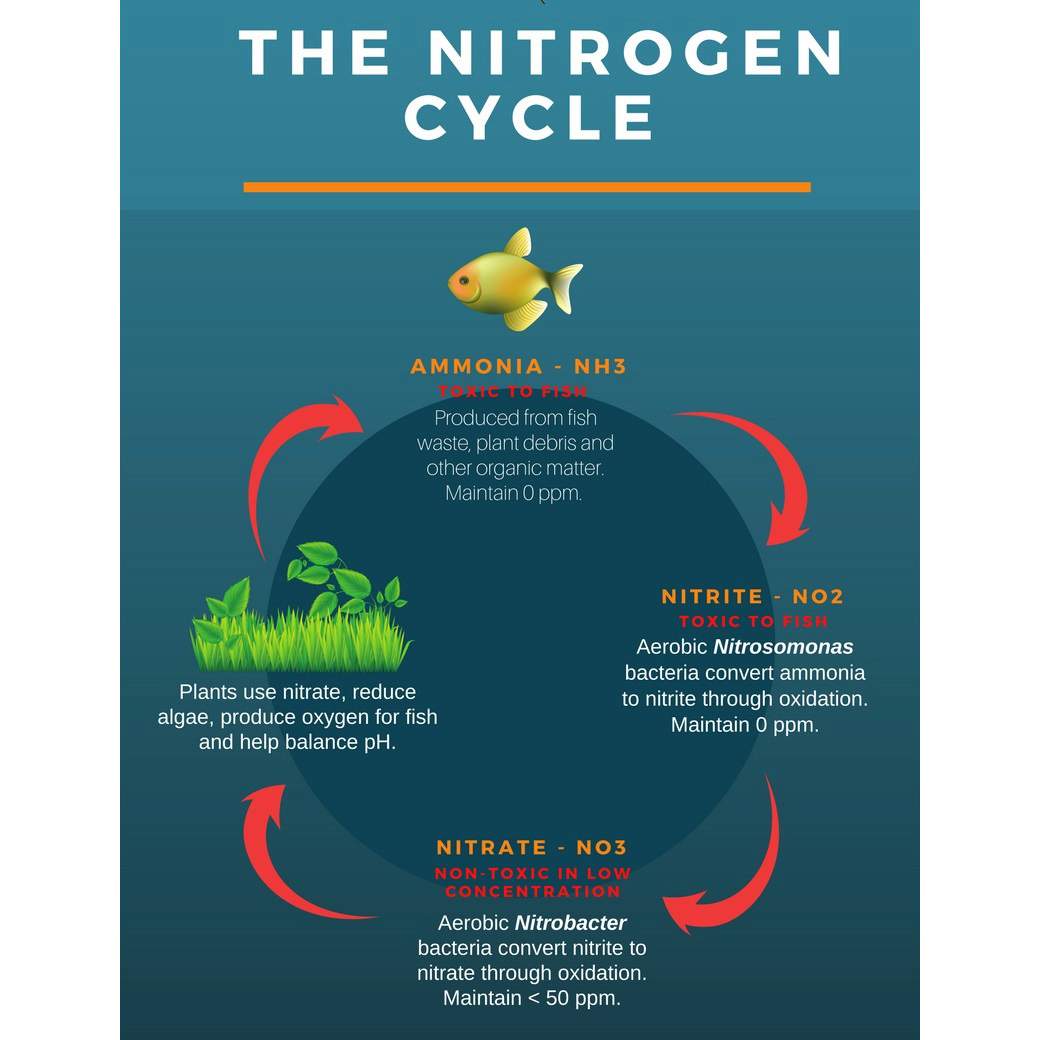
Ammonia (NH3 and NH4+) comes from waste and decay. It harms gill function and causes stress. Aim to keep ammonia at zero in a stocked tank.
Nitrite: the middle stage
Nitrosomonas-type bacteria convert ammonia to nitrite (NO2-). Nitrite is also toxic. Healthy tanks show a brief nitrite peak during cycling.
Nitrate: the end stage
Nitrobacter-type bacteria convert nitrite to nitrate (NO3-). Nitrate is less toxic and fuels algae if high. Regular water changes and plants keep nitrate in check.
Denitrification and deep beds
In low-oxygen spots, some bacteria can convert nitrate into nitrogen gas. This process is slower and less common in small tanks. It helps reduce nitrate but is not a substitute for regular maintenance.
:strip_icc()/Aquaponics_Nitrogen_Cycle-5920b7383df78cf5fa089af8.jpg)
How to cycle a new aquarium (step-by-step)
Below are the main methods and steps to start the aquarium nitrogen cycle safely.
Method options
- Fishless cycling: Add an ammonia source and seed bacteria until tests show zero ammonia and nitrite.
- Seeded media: Use filter media or gravel from an established tank to transfer bacteria.
- Slow fish-in cycling: Add very few hardy fish and test daily while doing water changes.
Fishless cycling steps
- Add pure ammonia or decaying food to reach 2–4 ppm ammonia.
- Test ammonia and nitrite every 2–3 days.
- Wait until ammonia then nitrite read zero and nitrate rises.
- Do a large water change and add fish.
What I do in practice
- I prefer fishless cycling to avoid animal stress.
- I seed with small amounts of filter media from a healthy tank when possible.
- It cuts time and lowers risk of ammonia spikes.
Testing, monitoring, and PAA-style questions
Testing is central to a safe aquarium nitrogen cycle. Use reliable test kits for ammonia, nitrite, and nitrate. Test daily during cycling. Keep a log so you can spot trends.
Key levels to know
- Ammonia: 0 ppm for stocked tanks; any reading needs attention.
- Nitrite: 0 ppm; treat if above 0.25 ppm.
- Nitrate: under 20–40 ppm is ideal for most freshwater tanks.
PAA-style questions
How long does the aquarium nitrogen cycle take?
Cycling usually takes 2–8 weeks depending on method and temperature. Fishless cycling with added ammonia and warm water tends to be faster.
Can I speed up the aquarium nitrogen cycle?
You can speed it by adding seeded media, using a bacterial starter, or keeping the tank warm. Patience matters; rushing can harm fish.
Why do ammonia or nitrite spike after cycling?
Spikes happen when bacteria are disturbed, overfeeding occurs, or new fish are added. Also, cleaning filter media too thoroughly can remove bacteria.
Common problems and fixes during the aquarium nitrogen cycle
Problem: Persistent ammonia or nitrite
- Fix: Do frequent partial water changes and reduce feeding immediately.
- Fix: Add seeded media or a bottled bacterial supplement to boost colonies.
Problem: Nitrate builds up
- Fix: Increase water-change frequency and add live plants.
- Fix: Consider a larger water change if nitrate is very high.
Problem: Cloudy water or algae bloom
- Fix: Check nitrate and phosphate levels and trim excess feedings.
- Fix: Improve light duration and add fast-growing plants to compete with algae.
Problem: Tank crashes after medication or cleaning
- Fix: Stop harsh cleaning of filter media. Rinse in tank water only.
- Fix: After medication, monitor levels closely and consider adding bacterial seed.

Tips from experience: practical advice and lessons learned
I once lost a small school of tetras by adding too many fish to a newly cycled tank. That taught me to add fish slowly. Here are practical tips I’ve used.
What to do and avoid
- Add fish gradually and test before adding more.
- Do not clean all filter media at once. Rinse one piece at a time in tank water.
- Reduce feeding during sensitive times to cut ammonia production.
- Use live plants to help lower nitrate and stabilize water chemistry.
Products and tools that help
- Reliable liquid test kits give better readings than strip tests.
- A simple logbook or app helps track trends over weeks.
- A small heater and stable temperature speed up bacterial growth in cool climates.
Real-life results
- After switching to fishless cycling and seeding media, my tanks reached stable cycles faster.
- Slow stocking greatly reduced sudden ammonia spikes and stress.

Benefits and limitations of cycling an aquarium
Benefits
- A mature aquarium nitrogen cycle protects fish from toxic spikes.
- Stable water chemistry reduces stress and disease.
- It allows clearer water and healthier plants.
Limitations
- The nitrogen cycle does not remove all toxins, such as some medications or heavy metals.
- It takes time and careful monitoring to establish and maintain.
- Sudden changes, like overcleaning or adding many fish, can set the cycle back.
Practical takeaway
- Treat the cycle as the backbone of tank health. Keep it steady with testing and smart maintenance.
Frequently Asked Questions of aquarium nitrogen cycle
What is the best way to start the nitrogen cycle?
Fishless cycling with a pure ammonia source is the safest and fastest way for most hobbyists. Seeded media from an established tank speeds things up.
Can I use bottled bacteria to cycle a tank?
Yes, many bottled bacterial products can help establish the aquarium nitrogen cycle faster, especially when used with seeded media. Results vary by product and tank conditions.
How often should I test during cycling?
Test ammonia, nitrite, and nitrate every 1–3 days during cycling, and weekly once stable. Keep a simple chart to watch trends.
Is live plant planting helpful during the cycle?
Live plants absorb ammonia and nitrate and can soften peaks during cycling, but they don’t replace bacterial colonies. Plants are a useful complement.
What should I do if nitrite levels stay high?
Do partial water changes, reduce feeding, and add seeded media or bacterial supplements to boost nitrite-consuming bacteria. Monitor levels closely until nitrite drops.
Conclusion
A healthy aquarium nitrogen cycle keeps fish safe by turning toxic waste into less harmful nitrate. Learn the stages, test often, and add fish slowly. Use seeded media or fishless methods to speed cycling and avoid stress.
Start small, keep notes, and make one change at a time. If you follow these steps, your tank will become stable and your fish will thrive. Try a guided water test schedule this week, subscribe for updates, or leave a comment about your cycling experience.
