
Aquarium water hardness measures dissolved calcium and magnesium that shape fish health, plant growth, and water chemistry.
I have kept community tanks and planted displays for over a decade, and I use hard data and hands-on tests to balance water. This guide explains aquarium water hardness clearly, from what it is to how to test and change it safely. Read on to learn practical steps, real-life tips, and mistakes to avoid so your aquarium thrives.
What is aquarium water hardness?
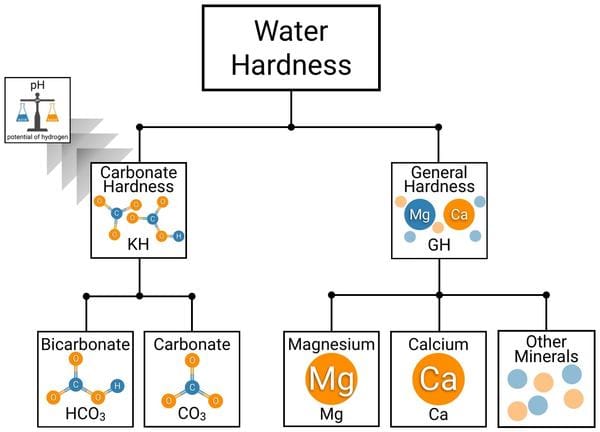
Aquarium water hardness refers to minerals dissolved in water. It mainly means calcium and magnesium. There are two related measures: general hardness and carbonate hardness. General hardness shows total calcium and magnesium. Carbonate hardness shows buffering ions that help keep pH stable.
Common terms you will see:
- GH (general hardness) measures calcium and magnesium in degrees or ppm.
- KH (carbonate hardness) measures carbonate and bicarbonate ions in degrees or ppm.
- dGH and dKH describe degrees of hardness per liter.
Understanding aquarium water hardness helps you pick species and manage water chemistry. If you match species to your water and keep hardness stable, fish and plants live longer.

PAA-style questions about hardness
What is the difference between GH and KH?
GH measures calcium and magnesium ions while KH measures carbonate and bicarbonate that buffer pH. Both affect aquarium health but in different ways.
How is hardness measured in home aquariums?
Hardness is measured with test kits, digital TDS meters, or lab tests showing dGH/dKH or ppm. Test kits are the simplest and most common choice.
Does hardness change pH?
KH helps stabilize pH, so low KH can allow pH swings. GH affects minerals but not buffering as directly as KH.
Why aquarium water hardness matters for fish and plants
Hardness affects physiology, breeding, and stress. Fish from soft water may struggle in hard water and vice versa. Plants use calcium and magnesium for growth. Hardness also affects pH stability and medication effectiveness.
Practical impacts:
- Osmoregulation: Fish balance salts; wrong hardness stresses them.
- Breeding: Many species need specific hardness ranges to spawn.
- Plant health: Magnesium is crucial for chlorophyll, calcium helps cell walls.
- Medication and filtration: Some treatments bind to minerals and work differently in hard water.
I have observed fish refuse to eat and show stress when the hardness changed abruptly. Keeping a stable hardness often solved those issues within days.

How to test aquarium water hardness
Testing is simple and reliable with basic tools. Use these methods:
- Liquid test kits: Affordable and accurate for GH and KH in dGH/dKH or ppm.
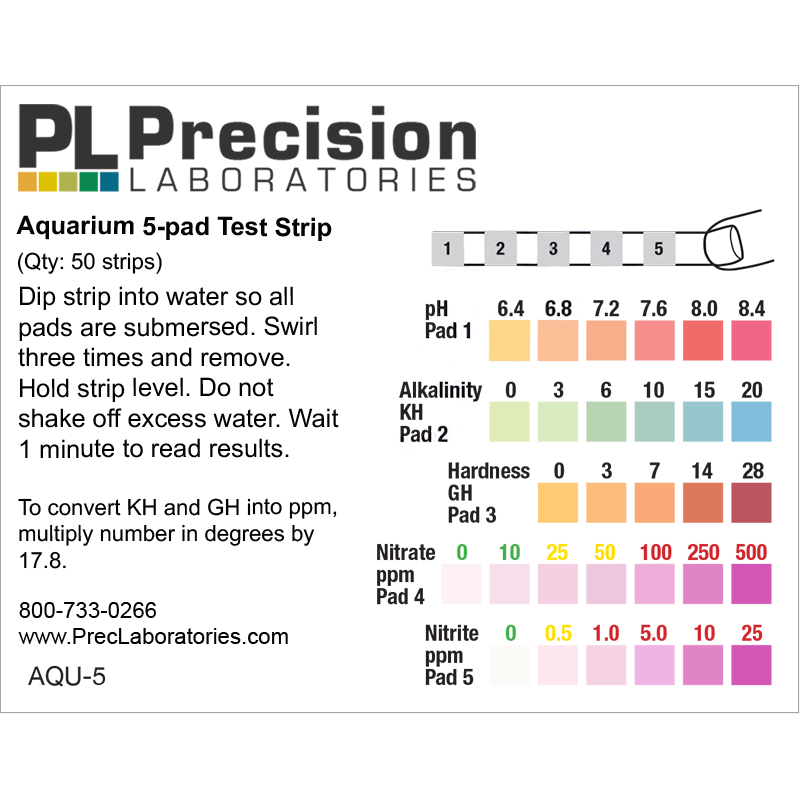
- Test strips: Quick but less precise; use as a screening tool.
- TDS meters: Measure total dissolved solids in ppm; useful for trends but not specific ions.
- Lab or municipal reports: Tell you tap water hardness and composition.
How to test step-by-step:
- Rinse a clean vial with aquarium water.
- Fill to the mark and add reagents as instructed.
- Compare color change to chart for GH and KH values.
- Log results to track changes over time.
Test weekly after changes, and keep a record. This habit prevents surprises.
Interpreting numbers: soft, medium, hard water
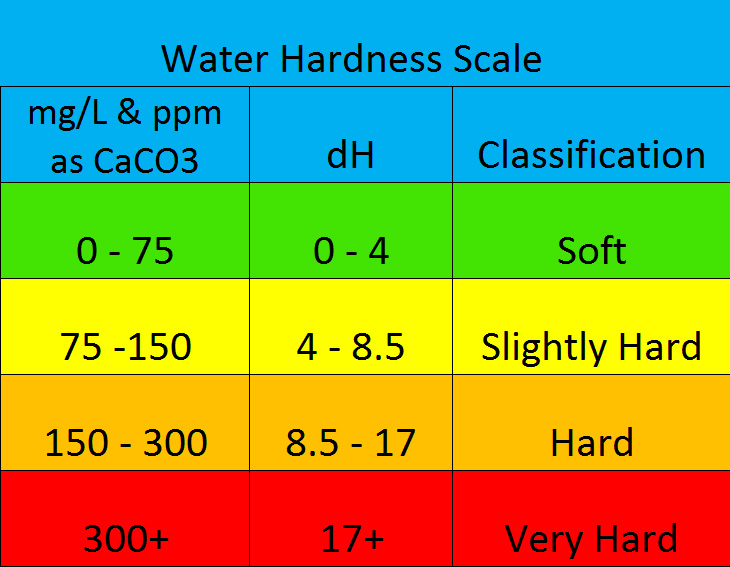
Ranges vary, but a common guide is:
- Very soft: 0–4 dGH
- Soft: 4–8 dGH
- Medium: 8–12 dGH
- Hard: 12–18 dGH
- Very hard: above 18 dGH
For KH:
- Low buffering: 0–3 dKH
- Moderate: 3–6 dKH
- High: above 6 dKH
Use these ranges to match species. Remember that local tap water and RO/DI water will differ, so always test before adjusting.

How to lower aquarium water hardness safely
Lowering hardness takes time and care. Sudden shifts stress fish. Options include:
- Partial water changes using softer source water. Replace 10–20% weekly until stable.
- Reverse osmosis (RO) or deionized (DI) water mixed with tap water to reach target hardness.
- Peat moss in filter to soften water slightly and add tannins; monitor pH.
- Use commercial water softening resins or additives, but follow dosage and monitor closely.
Practical steps:
- Test tap and aquarium water.
- Plan a gradual dilution using RO or softer source water.
- Make small changes over weeks.
- Re-test GH and KH after each change.
I once lowered hardness too fast and triggered ich in a community tank. I reversed some changes, stabilized hardness, and treated the outbreak. Slow is safe.

How to raise aquarium water hardness safely
Raising hardness is often easier than lowering it. Common methods:
- Add buffered mineral mixes or remineralizers designed for RO water.
- Use crushed coral in the filter or substrate to release calcium and carbonate slowly.
- Use limestone, dolomite, or marine shells in a media bag inside the filter.
- Add calcium chloride or magnesium sulfate carefully and measure with kits.
Steps to follow:
- Determine target GH and KH for your species.
- Add small doses and test daily.
- Stop when target is reached and maintain with regular dosing if needed.
I use crushed coral in a canister filter for Malawi cichlids. It keeps GH and KH stable with little maintenance.

Matching species to aquarium water hardness
Choosing fish by water hardness avoids many problems. Examples:
- Tetras, discus, and some Amazonian species prefer soft, acidic water.
- African Rift Lake cichlids and livebearers like guppies prefer hard, alkaline water.
- Shrimp and many invertebrates need stable, often softer water but specific ranges depending on species.
- Most common plants tolerate a broad GH range but need magnesium and trace minerals.
Quick species guide:
- Soft water species: Neon tetras, cardinal tetras, discus.
- Hard water species: Malawi cichlids, guppies, swordtails.
- Flexible species: Many gouramis, barbs, danios.
Match aquarium water hardness to the species before stocking. That saves time and reduces stress for fish.

Troubleshooting common hardness issues
Signs of problems:
- Fish gasping or poor color can signal stress from wrong hardness.
- Plants yellowing may indicate magnesium deficiency despite adequate GH.
- pH swings often link to low KH.
Fixes:
- Test GH and KH to pinpoint the issue.
- Make gradual water adjustments rather than large one-time changes.
- Use targeted supplements for mineral deficiencies.
- Stabilize KH to prevent pH crashes.
If unsure, move one change at a time and monitor for a week. This helps spot cause and effect.
My experience, tips, and mistakes to avoid
I have kept over 20 aquariums and learned key lessons:
- Test first, change second. I once added minerals without testing and caused a pH swing.
- Small, frequent water changes beat big, rare ones for stability.
- Use RO water plus a guided remineralizer for planted tanks to control minerals precisely.
- Record readings weekly. Patterns show problems early.
Simple routines keep aquarium water hardness stable and reduce stress for inhabitants.
Frequently Asked Questions of aquarium water hardness
What is the best way to measure aquarium water hardness?
Liquid GH and KH test kits offer accurate, affordable results and are ideal for hobbyists. Test weekly after changes.
Can I mix tap water with RO water to achieve desired hardness?
Yes. Mixing tap and RO water lets you control GH and KH without harsh chemical shifts. Test and mix slowly.
Does hardness affect aquarium pH directly?
GH affects mineral levels while KH buffers pH; low KH leads to pH swings. Keep KH stable for steady pH.
Are plants affected by hard water?
Yes. Plants need magnesium and calcium found in harder water, but too much carbonate can raise pH and limit some plants. Balance is key.
How fast should I change hardness in my aquarium?
Change hardness gradually over weeks with small water changes or slow dosing. Rapid changes stress fish and can cause illness.
Conclusion
Understanding aquarium water hardness is practical and essential. Test often, plan slow adjustments, and match species to your water to avoid stress and promote growth. Start by testing your tap and aquarium water this week, then pick one small change to improve stability. If this guide helped, try the tips in your tank, subscribe for more guides, or leave a comment with your tank’s numbers and I’ll offer tailored advice.
