
Effective aquarium algae control is a mix of prevention, balance, and targeted action.
I’ve managed tanks for years and helped hobbyists tame tough algae outbreaks. This guide gives clear, practical steps for aquarium algae control you can use today. You’ll learn how to identify algae types, stop blooms before they start, choose the right cleaners and treatments, and avoid common mistakes. Read on for proven strategies, simple routines, and real-world tips that actually work.
:strip_icc()/aquarium-algae-1379979_final-6b736aaf0f954f899b841b2a40cee73c.jpg)
Understanding algae: types, causes, and why control matters
Algae are fast-growing photosynthetic organisms. Some are harmless. Others outcompete plants and cloud the water. Knowing which type you face makes aquarium algae control faster and safer.
Common types and signs
- Green spot algae: hard green dots on glass and leaves.
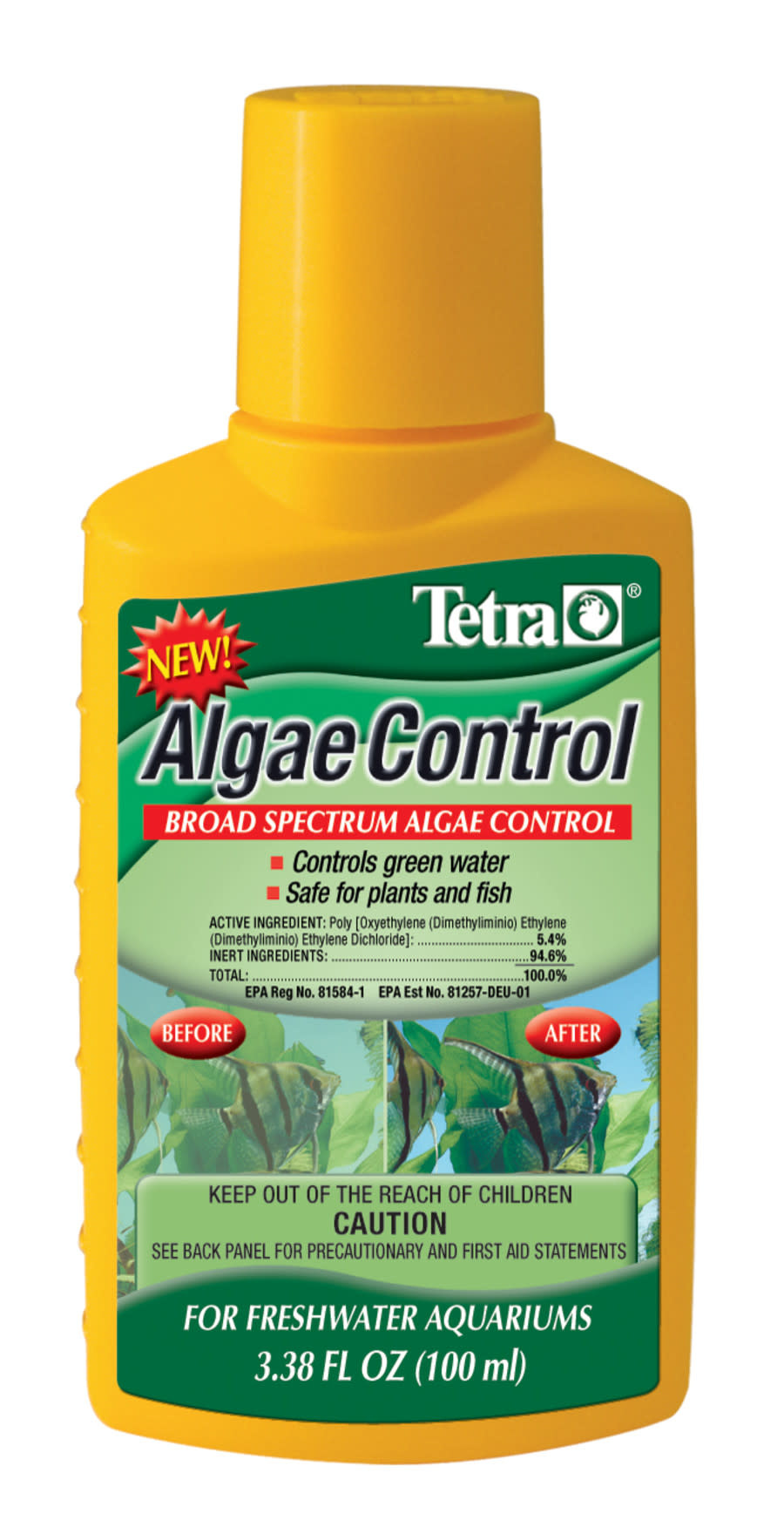
- Hair or filamentous algae: long strands that cling to plants and decor.
- Brown diatoms: brown film, common in new tanks.
- Black beard (BBA): dark fuzzy patches, stubborn and common with CO2 swings.
- Cyanobacteria (blue-green): slimy mats with a bad smell.
Main causes
- Too much light or the wrong spectrum.
- Excess nutrients: nitrates and phosphates from overfeeding or poor filtration.
- Imbalanced CO2 for planted tanks.
- Poor circulation and dead spots.
- New tank cycling and unstable bacteria.
Quick practical note: Will algae kill fish? Not directly in most cases, but severe blooms reduce oxygen and stress fish, which can lead to illness.
Why control matters
- Keeps water clear and healthy.
- Protects plants from being smothered.
- Prevents stress and disease in livestock.
- Maintains the aesthetic and enjoyment of your tank.

Prevention first: tank setup and routine habits
Preventing algae is cheaper and easier than treating outbreaks. Good setup and routine care are the backbone of aquarium algae control.
Key setup tips
- Use a timer to limit light to 6–8 hours per day.
- Choose full-spectrum LED lights suited to your plants, not max brightness.
- Add a quality filter sized for your tank and clean it regularly.
- Plant heavily to outcompete algae for nutrients.
Daily and weekly habits
- Feed fish only what they eat in two minutes.
- Do 10–25% weekly water changes depending on bioload.
- Vacuum substrate and remove debris during water changes.
- Test nitrate and phosphate weekly until stable.
Personal tip: I reduced algae by cutting light by one hour and adding fast-growing stem plants. The tank cleared in three weeks.
Mechanical and biological control methods
Physical removal and living cleaners are safe first steps for aquarium algae control. They work well with prevention.
Mechanical methods
- Scrapers and pad cleaners for glass and acrylic.
- Toothbrush for rock and plant cleaning.
- Siphon to remove floating algae and detritus.
Biological helpers
- Otocinclus and nerite snails for soft green algae.
- Amano shrimp for hair algae in planted tanks.
- Siamese algae eater or pleco for tougher strands, used with caution in small tanks.
- Fast-growing plants that absorb excess nutrients.
Pros and cons
- Mechanical removal gives immediate visual results but is temporary.
- Biological methods provide ongoing control but need time and the right tank conditions.
Chemical and targeted treatments
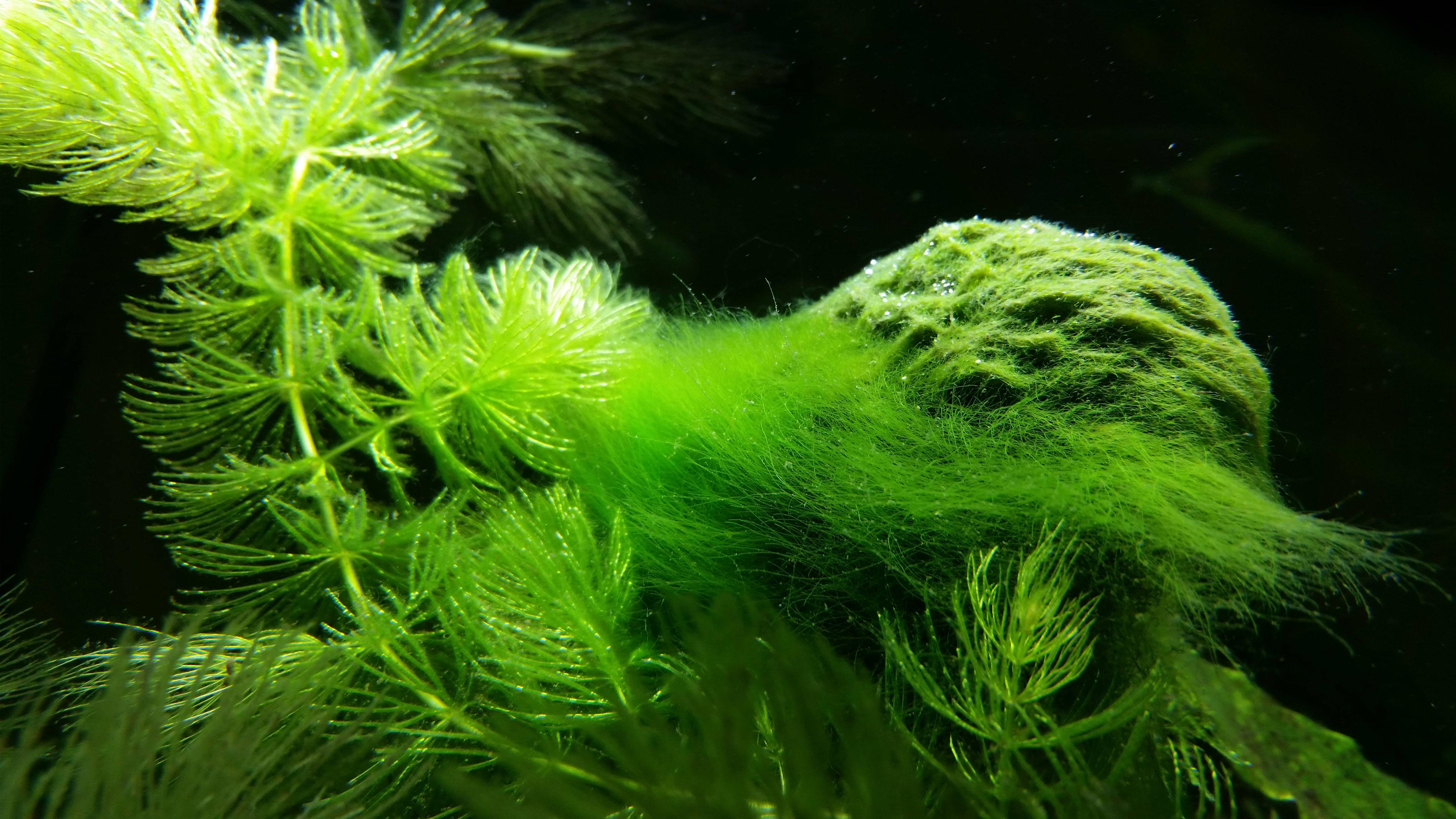
When prevention and cleaners aren’t enough, targeted chemical treatments can help. Use them carefully for safe aquarium algae control.
Common options
- Phosphate removers to limit a key algae food.
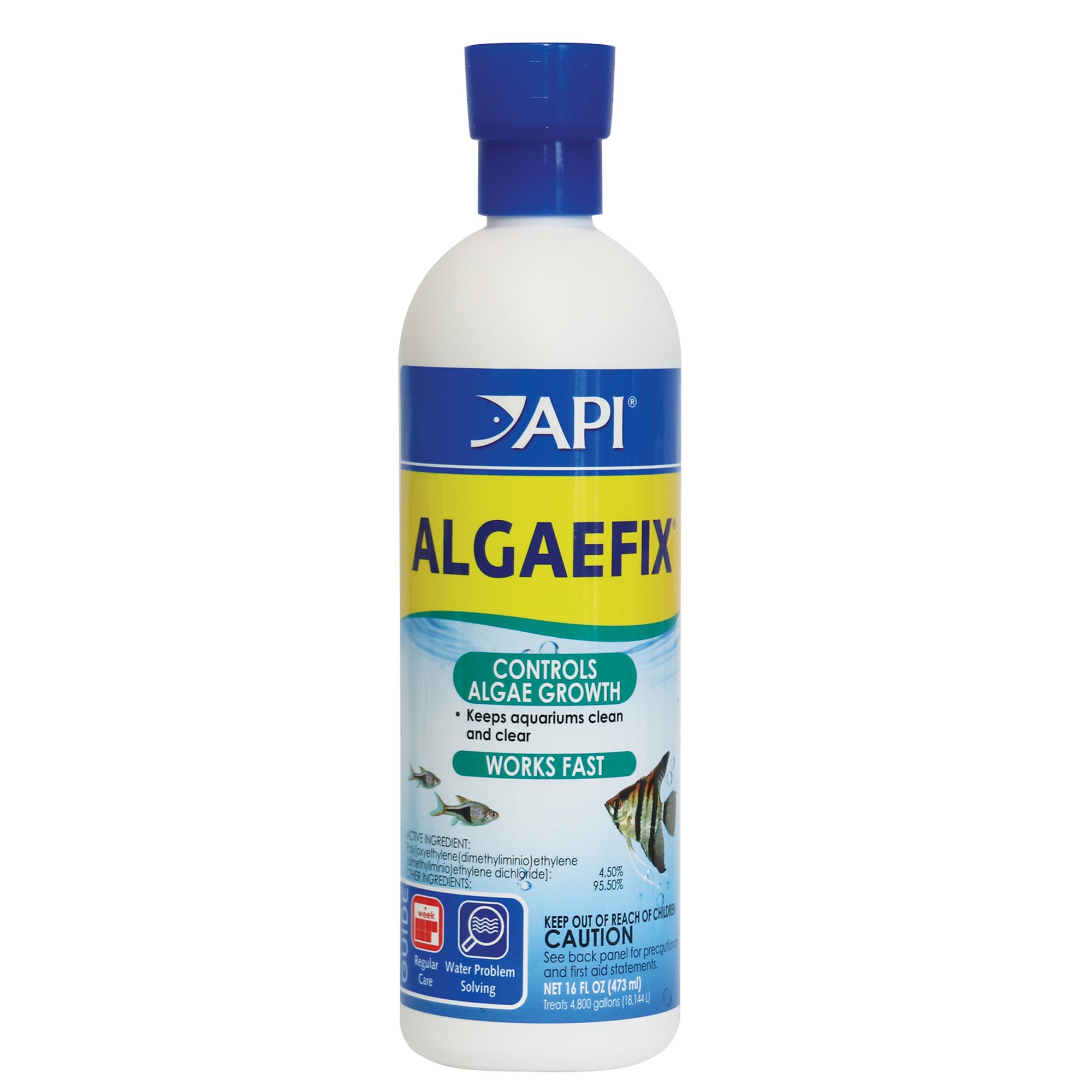
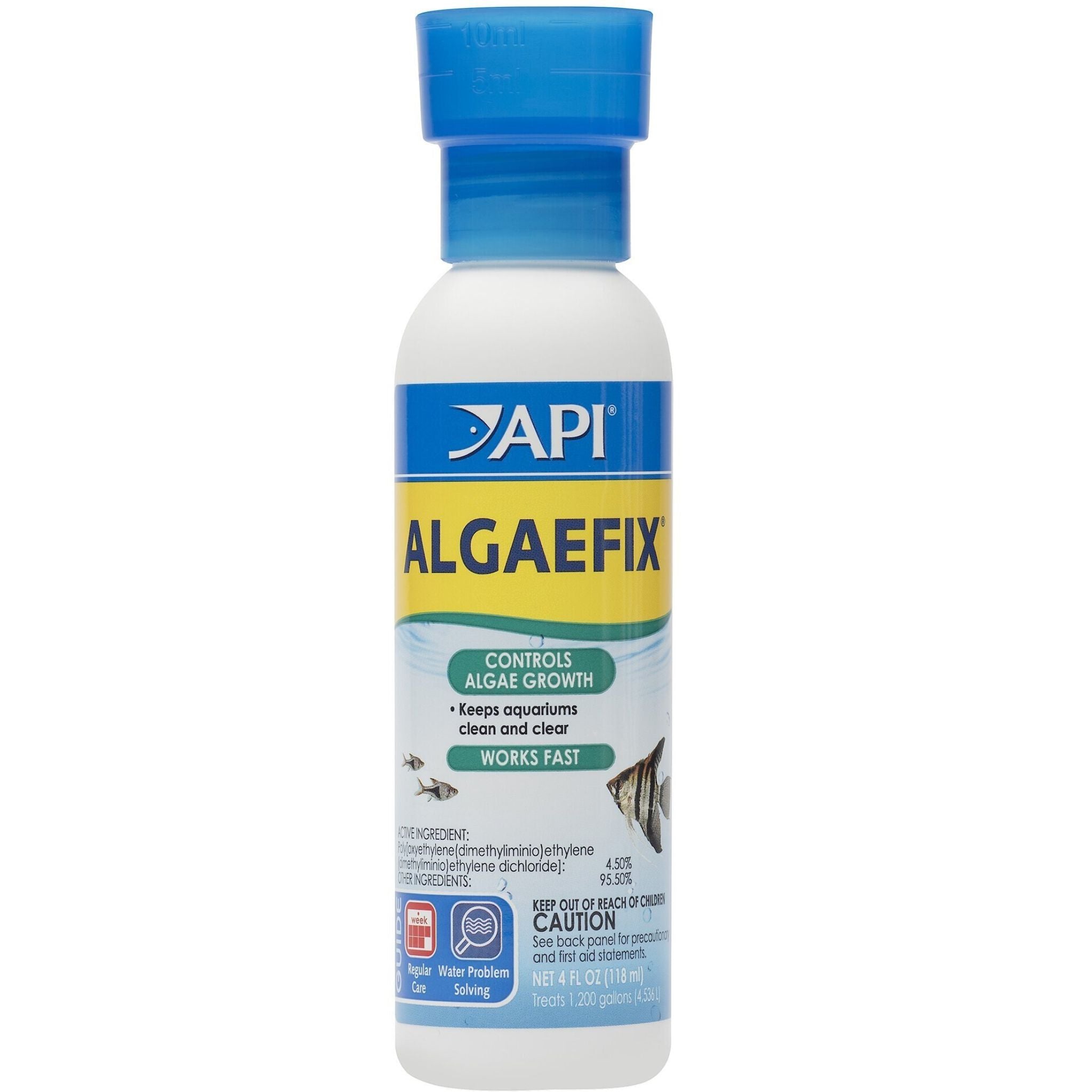
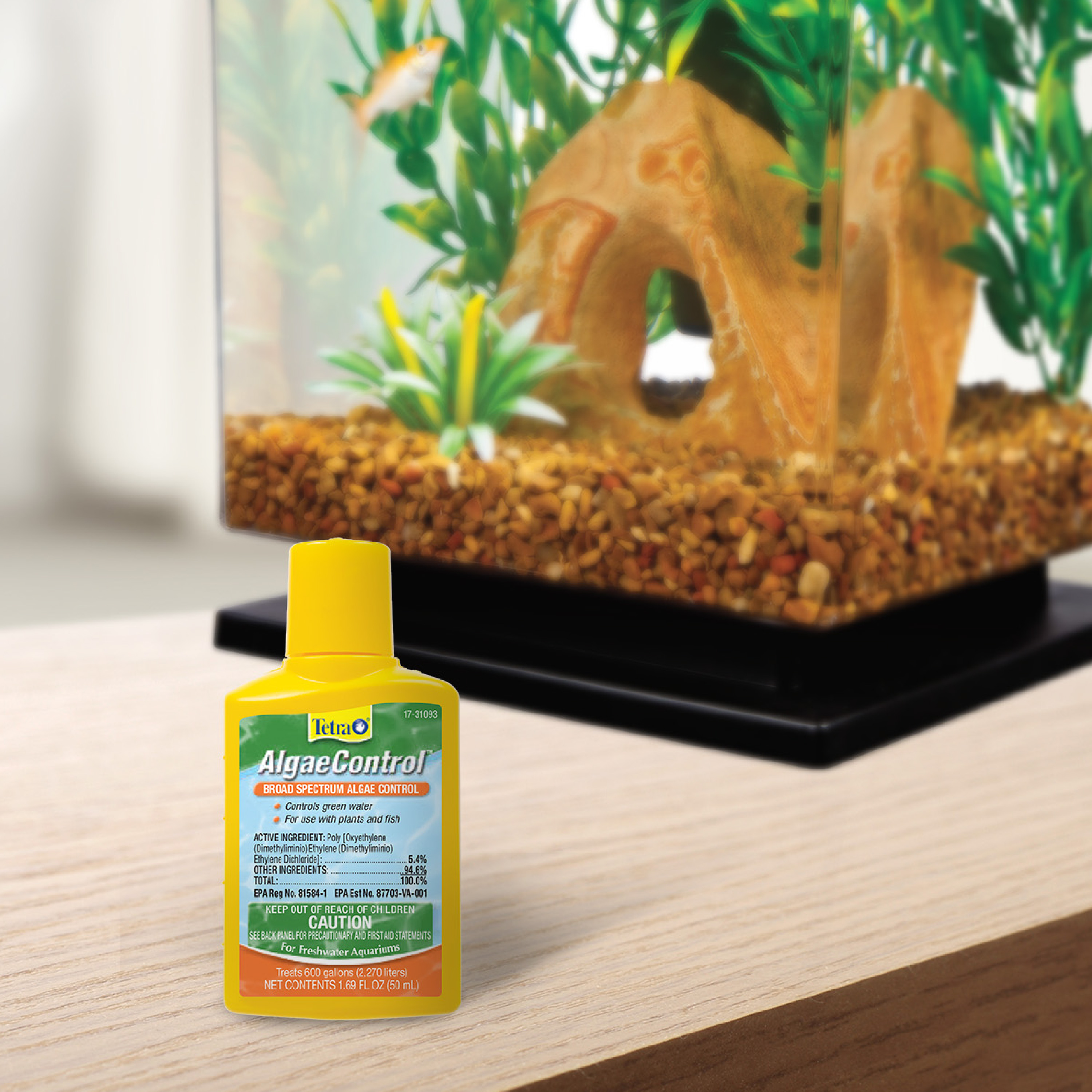
- Liquid algaecides for specific outbreaks—use as directed.
- Hydrogen peroxide (3%) spot treatments for local algae on plants or decor.
- UV sterilizers to reduce free-floating algae and pathogens.
Safety and limits
- Many chemicals can harm plants, shrimp, or beneficial bacteria.
- Follow dose instructions and avoid repeated use without testing.
- Use H2O2 spot treatment technique: remove the plant if possible, apply a small syringe dose directly to the algae, rinse after a few minutes, and observe for plant stress.
I once cleared a stubborn BBA patch with careful H2O2 spot treatments combined with CO2 stabilization. Take care and test first.
Monitoring, testing, and troubleshooting
Regular testing is essential for long-term aquarium algae control. Small, steady actions beat dramatic fixes.
What to test
- Nitrate and phosphate levels weekly.
- pH and hardness monthly or as needed.
- CO2 levels in planted tanks with a drop checker or direct testing.
Troubleshooting steps
- Identify the algae type.
- Test water parameters.
- Reduce light and feed less.
- Do a large partial water change if nutrients are high.
- Add mechanical removal and suitable algae eaters.
How long will it take to clear algae? Minor blooms respond in days to weeks; severe or rooted algae may take several weeks to months to fully control.
My personal experience and common mistakes
I’ve kept dozens of tanks and fixed many algae problems. The patterns repeat. Small habits yield big results.
Common mistakes I’ve made and seen
- Overestimating how much to feed. That led to nitrate spikes and frequent algae.
- Turning lights up to “help plants” without adjusting nutrients or CO2. That fed algae instead.
- Reaching for chemicals first. Treatments masked root causes and caused crashes.
Lessons learned
- Start with water tests and simple fixes.
- Be patient. Biological balance takes time.
- Keep a maintenance log for light, dosing, and water changes.
If you want a quick win, reduce light by one hour and perform a 30% water change. That often breaks a bloom cycle.

Tools and products worth considering
The right tools make aquarium algae control easier and safer. Here are items that pay off fast.
Useful tools
- Accurate test kits for nitrate and phosphate.
- Magnetic glass cleaner or scraper.
- Fine toothbrush for plant leaves.
- Siphon vacuum for substrate cleaning.
- Timer for lights and a reliable heater.
Beneficial products
- Phosphate remover media for filters.
- Liquid carbon alternatives for sensitive plants (use carefully).
- UV sterilizer for high-bloom tanks.
- Quality aquarium fertilizer to keep plants healthy and competitive.
Costs, time, and realistic expectations
Expect steady work. Algae control is ongoing. It costs time more than money.
Time and effort
- Weekly maintenance: 30–60 minutes typically.
- Major cleanups: several hours occasionally.
- Monitoring and adjustments in first few months after setup.
Costs
- Basic kit and tools: modest one-time cost.
- Ongoing supplies (test kits, media): low monthly cost.
- High-tech options like CO2 or UV add to initial expense.
Realistic expectations
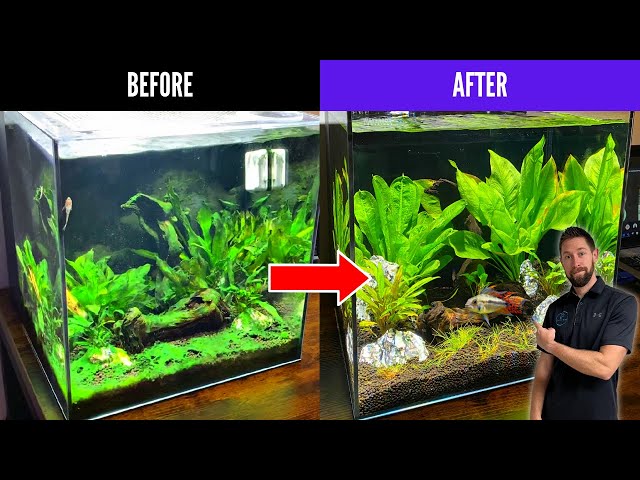
- You will still see some algae. Total elimination is rare and often unhealthy.
- Aim for balance: controlled algae, healthy plants, and clear water.
Frequently Asked Questions of aquarium algae control
What is the fastest way to reduce algae in my tank?
A big partial water change, reduced light, and manual removal will give the fastest visual improvement. Add a quick test for nitrates and phosphates to guide next steps.
Can algae be completely prevented?
No. Some algae are natural and help the ecosystem. Effective aquarium algae control focuses on minimizing and managing growth rather than total elimination.
Are algae eaters enough to control algae?
Algae eaters help but rarely solve the root cause alone. They work best with good maintenance, proper lighting, and nutrient control.
Is using algaecide safe for all tanks?
Algaecides can harm plants, invertebrates, and beneficial bacteria if misused. Always follow product directions and test on a small area first.
How often should I test water to prevent algae?
Test nitrates and phosphates weekly until stable, then every two weeks if the tank is balanced. Testing helps catch nutrient spikes before blooms start.
Conclusion
Aquarium algae control is mostly about balance. Set up your tank right, keep a steady routine, and use mechanical, biological, and targeted methods when needed. Be patient, test often, and fix the root cause rather than chasing symptoms. Start with one small change today—reduce light, cut feeding, or add a test—and watch how much easier algae management becomes. If you found this guide helpful, try the tips and share your results, subscribe for more care guides, or leave a question in the comments.
