
Healthy aquarium oxygen levels keep fish active, reduce stress, and prevent sudden deaths.
I have kept and managed aquariums for over a decade and helped hobbyists fix low-oxygen crises. This guide explains what aquarium oxygen levels mean, how to measure them, why they matter, and clear, practical steps to keep your tank safe and healthy. Read on for hands-on tips, common mistakes, and checks you can use today.

Understanding aquarium oxygen levels
Aquarium oxygen levels refer to the amount of dissolved oxygen in the water. Fish, invertebrates, and beneficial bacteria all need dissolved oxygen to live. Professionals measure this as mg/L (milligrams per liter) or as percent saturation. Lower oxygen harms breathing and immune function. Higher oxygen within normal ranges supports health and activity.
Dissolved oxygen depends on water temperature, salinity, and movement. Cold water holds more oxygen than warm water. Freshwater usually has different oxygen behavior than marine systems. Knowing how aquarium oxygen levels work helps you spot and fix problems fast.
Why aquarium oxygen levels matter
Oxygen fuels the cells of fish and microbes. Low aquarium oxygen levels cause gasping at the surface, listless fish, and sudden die-offs. Low oxygen also favors harmful bacteria and stresses fish so they get sick more easily. Stable, adequate oxygen improves growth, breeding success, and coloration.
Maintaining proper aquarium oxygen levels is not only about fish survival. It helps keep the nitrogen cycle healthy. Beneficial bacteria that break down ammonia and nitrite need oxygen. If oxygen drops, those bacteria slow down and toxic compounds can build up quickly.

Key factors that affect aquarium oxygen levels
- Temperature
- Warmer water holds less oxygen. A 10°F rise can reduce oxygen drastically.
- Surface agitation and water flow
- More surface movement increases oxygen exchange with air.
- Stocking levels
- More fish and larger fish use more oxygen. Overcrowding lowers aquarium oxygen levels.
- Plant photosynthesis
- Live plants produce oxygen during light hours but consume oxygen at night.
- Filtration and bio-load
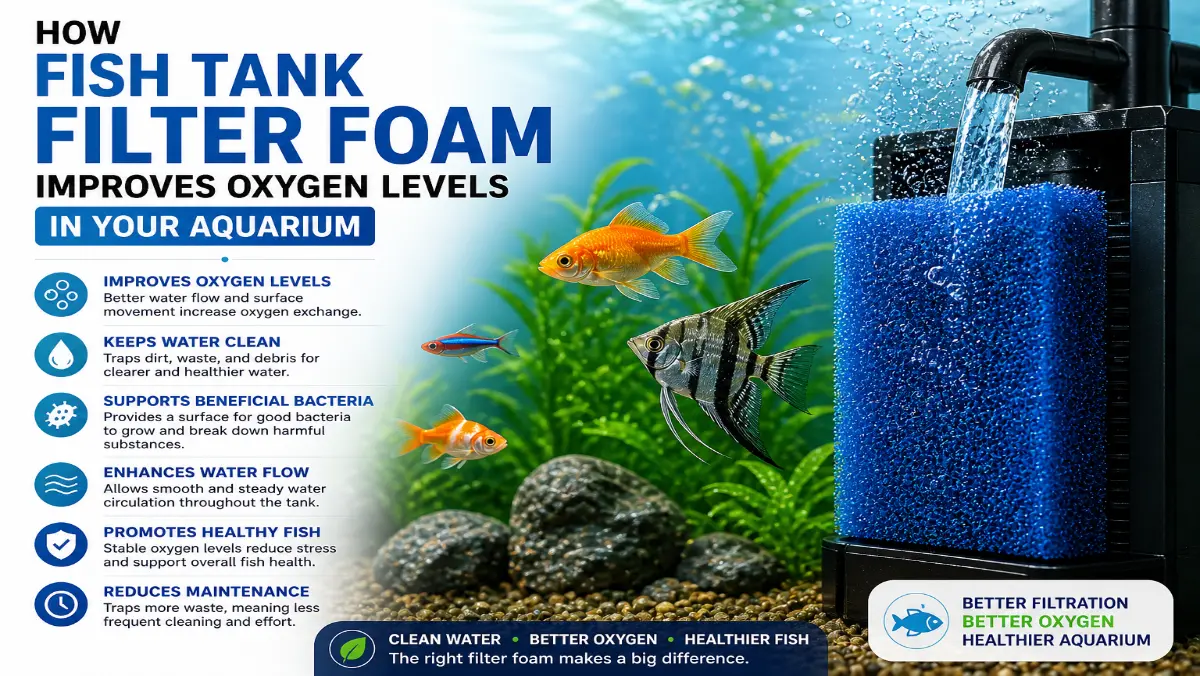
- High bio-load from waste increases oxygen demand. Mechanical and biological filters affect water flow and oxygenation.
- Salinity
- Saltwater holds slightly less dissolved oxygen than freshwater under similar conditions.
Controlling these factors is the fastest way to manage aquarium oxygen levels.

How to measure aquarium oxygen levels
- Use a dissolved oxygen (DO) meter
- Provides direct readings in mg/L or percent saturation. Calibrate before use.
- Use test kits (less precise)
- Chemical kits give an estimate but are slower and less accurate.
- Watch behavior and signs
- Gasps at surface, rapid gill movement, and lethargy are red flags for low oxygen.
- Track temperature and salinity
- Use a reliable thermometer and hydrometer to infer likely oxygen changes.
PAA-style quick Q&A:
- Q: How often should I test dissolved oxygen?
- Test weekly in stable tanks and daily if fish show stress or after equipment changes.
- Q: Is a DO meter necessary for every hobbyist?
- Not always. Casual hobbyists can rely on behavior and temperature checks, but DO meters help for high-stock or sensitive systems.
- Q: Can I measure oxygen with an aquarium test strip?
- Strips rarely measure dissolved oxygen accurately; they are not recommended for DO testing.

Ideal aquarium oxygen levels by species and setup
- Most freshwater community tanks
- Aim for 6–8 mg/L (about 80–100% saturation).
- Tropical fish and planted tanks
- 5–8 mg/L is usually fine; plants can boost daytime oxygen but drop at night.
- Coldwater species
- Higher oxygen is better; 8–12 mg/L supports trout-like species.
- Marine reef tanks
- Maintain 6–8 mg/L and 100% saturation for corals and reef fish.
- Invertebrates and sensitive species
- Shrimp and juvenile fish often need consistently higher oxygen within the safe range.
Keep aquarium oxygen levels steady rather than aiming for extremes. Sudden spikes or drops stress animals.

Practical ways to raise aquarium oxygen levels
- Increase surface agitation
- Add or angle filter outlets to ripple the surface.
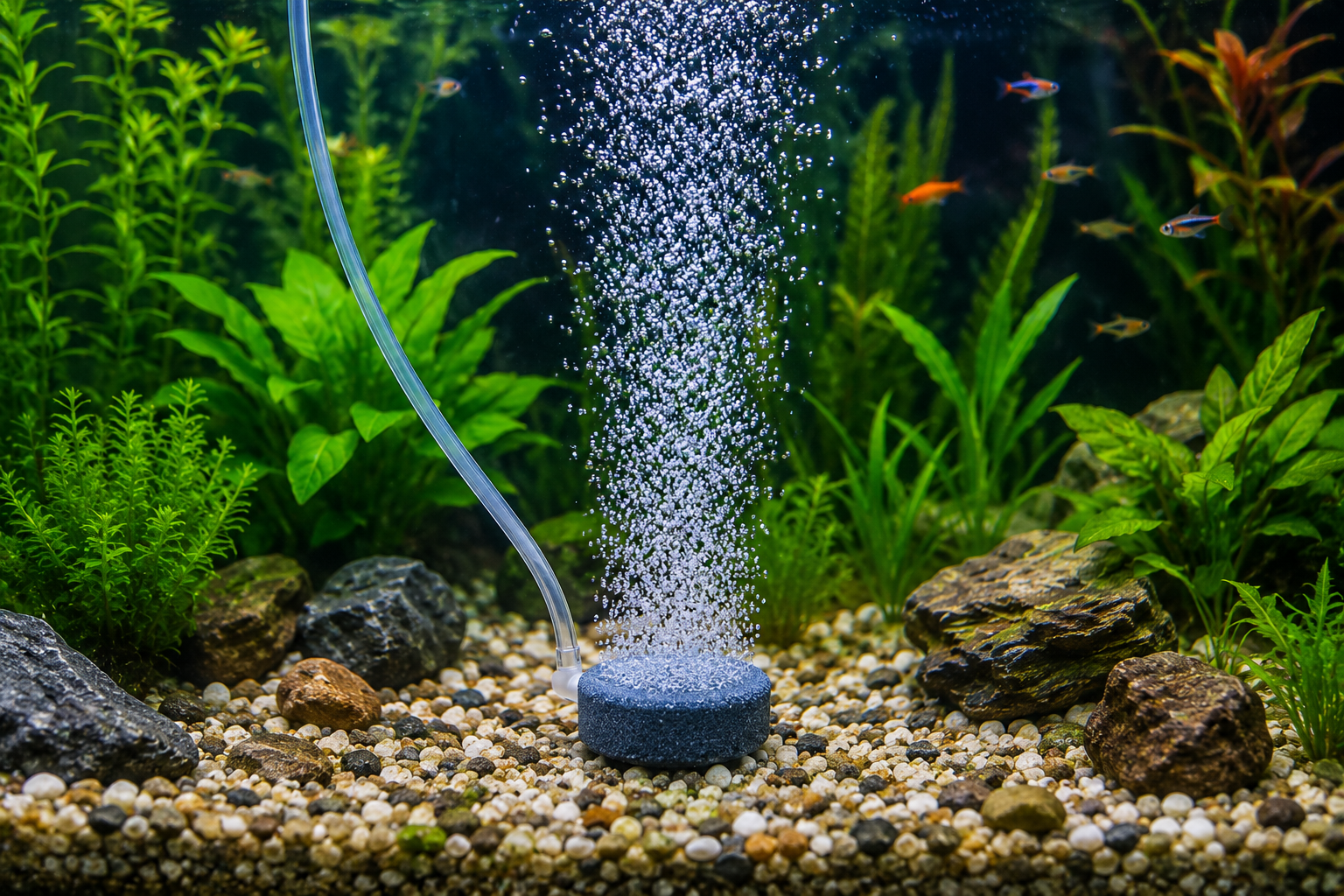
- Add an air pump and air stone
- Air bubbles improve gas exchange and offer a cheap boost to aquarium oxygen levels.
- Improve water flow
- Add a powerhead or upgrade circulation to move water across the surface.
- Lower water temperature slightly
- Cooler water holds more oxygen. Reduce heater by a degree or two if safe for your fish.
- Reduce stocking and feeding
- Less waste lowers oxygen demand. Feed only what fish eat in a few minutes.
- Add live aquatic plants thoughtfully
- Plants generate oxygen in the day but monitor nighttime consumption. Fast-growing plants can stabilize oxygen levels.
- Perform regular water changes
- Fresh, oxygen-rich water reduces organic load and raises DO.
I once had a heavily planted 75-gallon tank where fish gasped at night. I added a small air pump and adjusted flow. Within hours, aquarium oxygen levels rose and the fish calmed. The fix was simple and cheap.
Common mistakes and troubleshooting
- Mistake: Relying only on plants for oxygen
- Plants help, but they may consume oxygen at night. Always have circulation.
- Mistake: Over-aerating without addressing cause
- Bubbles help but don’t solve high bio-load or poor filtration. Fix the root problem.
- Mistake: Ignoring temperature
- Warm water kills oxygen capacity. Consider cooling options for hot tanks.
- Troubleshoot steps
- Check heater, filter, and pump. Test temperature and ammonia/nitrite. Do a partial water change and add surface agitation. Observe fish behavior and act quickly.
Be transparent: if DO remains low after fixes, consult an experienced aquarist or lab test water for hidden toxins.

Monitoring and maintenance checklist
- Weekly
- Check temperature and observe fish. Look for surface gasping.
- Biweekly
- Clean filter media gently to preserve bacteria. Remove debris.
- Monthly
- Calibrate DO meter if you use one and inspect pumps and air stones.
- After changes
- Test oxygen and water chemistry after adding fish, plants, or equipment.
Keep a log. Note readings, actions, and fish behavior. A simple notebook or app helps spot trends. Regular checks prevent sudden drops in aquarium oxygen levels.
Frequently Asked Questions of aquarium oxygen levels
What is a safe oxygen level for aquarium fish?
Most aquarium fish do well at 6–8 mg/L or near 80–100% saturation. Some coldwater species prefer higher levels.
How can I quickly raise low oxygen in my tank?
Increase surface agitation, add an air stone, and perform a partial water change. Also lower temperature slightly if safe for your fish.
Can plants cause low oxygen at night?
Yes. Plants respire at night and can consume oxygen, which may lower aquarium oxygen levels, especially in heavily planted or overstocked tanks.
Does water temperature affect oxygen levels?
Yes. Warmer water holds less dissolved oxygen, so aquarium oxygen levels drop as temperature rises.
Do air stones increase oxygen permanently?
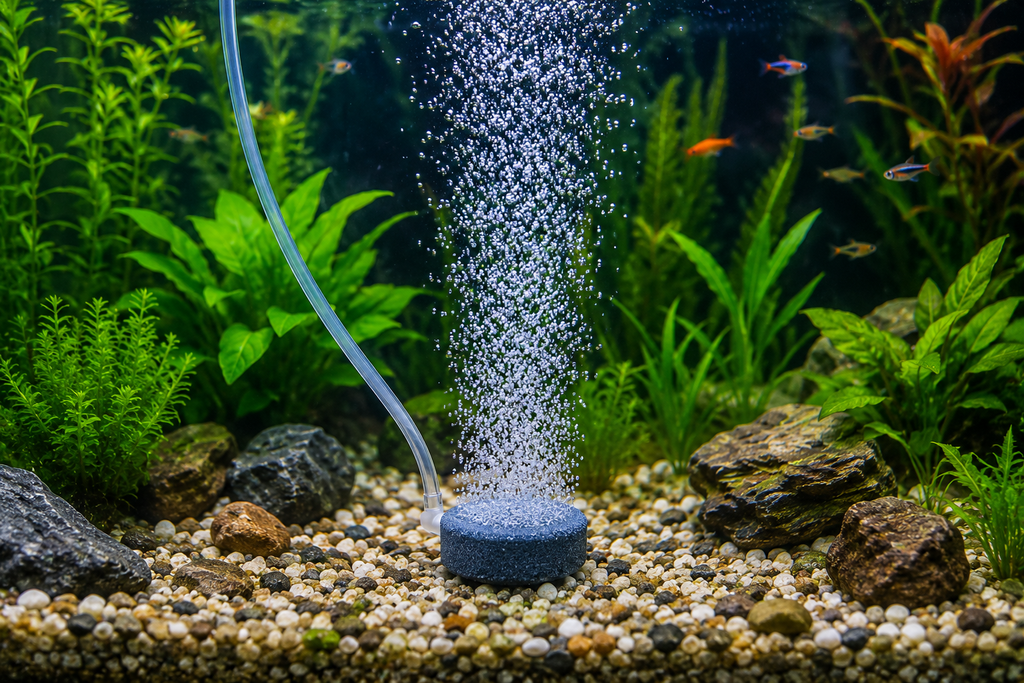
Air stones aid gas exchange but will not fix underlying issues like overstocking or poor filtration. Use them with proper flow and maintenance.
Conclusion
Maintaining healthy aquarium oxygen levels keeps fish lively and ecosystems stable. Focus on good flow, steady temperature, balanced stocking, and routine checks to avoid problems. Start small: add surface agitation, test regularly, and log changes to learn your tank’s behavior.
Take action today: inspect your tank for surface movement, test temperature and DO if possible, and make one small improvement. Share your results, ask questions, or subscribe for more tank care tips.
