
An aquarium ammonia spike means a sudden, harmful rise in toxic ammonia levels in your tank.
I’ve managed planted tanks and community aquariums for years, and I know how scary an aquarium ammonia spike can be for both fish and hobbyists. This guide explains what an aquarium ammonia spike is, why it happens, how to detect it fast, step-by-step emergency fixes, and long-term prevention that really works. Read on for tested tips, real-world mistakes I made so you avoid them, and clear actions to protect your fish and keep your tank stable.

What is an aquarium ammonia spike?
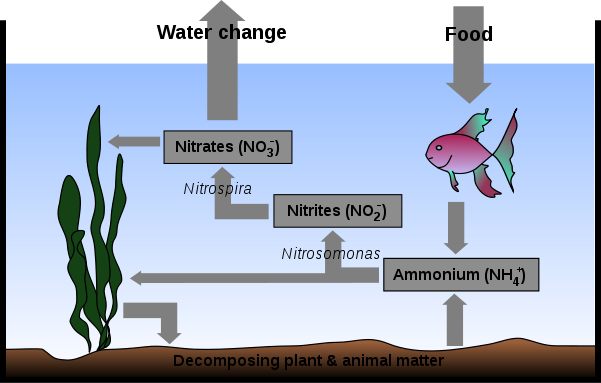
An aquarium ammonia spike is a quick rise in toxic ammonia (NH3/NH4+) in aquarium water. Ammonia is produced by fish waste, uneaten food, and decaying matter. Even low levels can stress fish and cause gill damage, while high levels can be lethal.
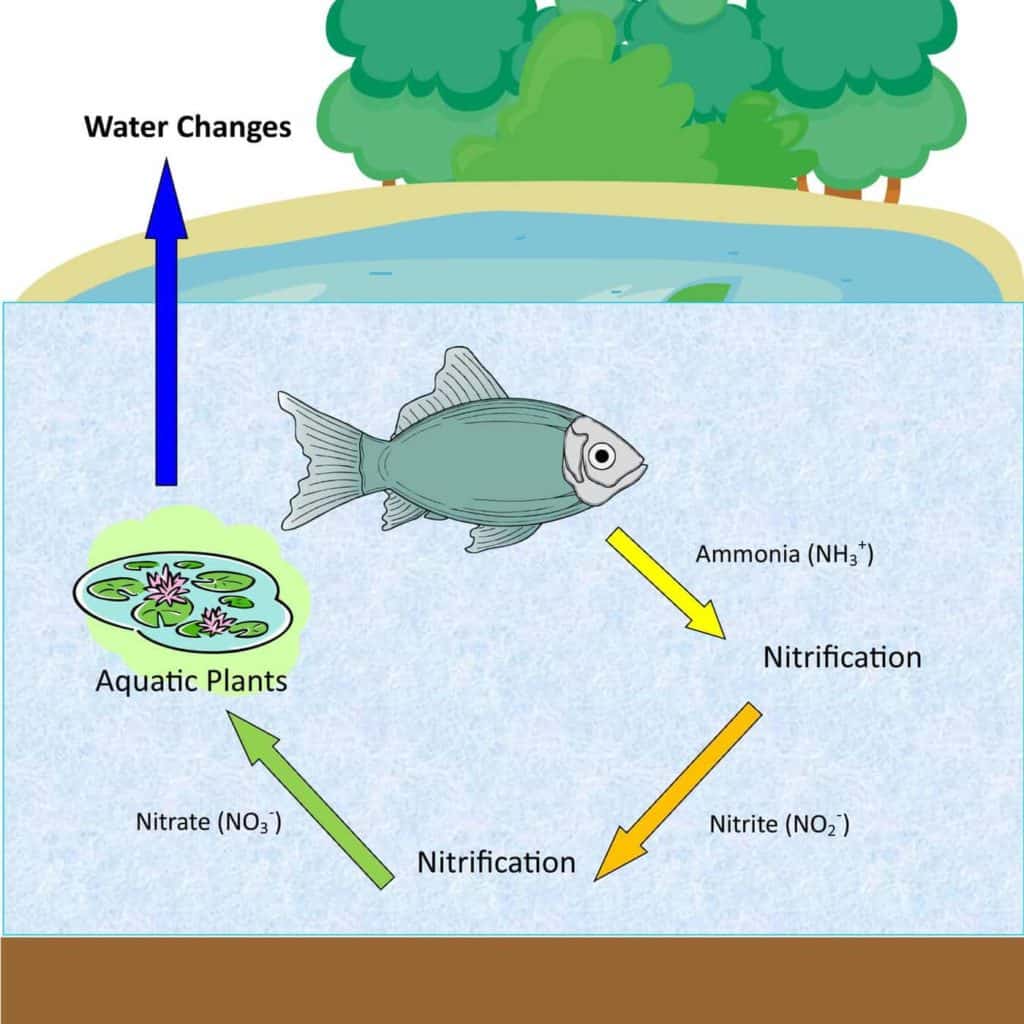
Ammonia exists in two forms: ionized (ammonium, NH4+) and un-ionized (ammonia, NH3). Un-ionized ammonia is much more toxic and its proportion rises with higher pH and temperature. A proper biological filter and established bacteria convert ammonia into nitrite, then nitrate. When that cycle is disrupted or overloaded, an aquarium ammonia spike happens.

Common causes of an aquarium ammonia spike
Understanding common causes helps prevent repeats. Here are the main reasons I’ve seen in hobby tanks.
- Overstocking your aquarium
- Too many fish produce more waste than bacteria can process.
- Overfeeding
- Uneaten food decays and releases ammonia quickly.
- New tank setup (new tank syndrome)
- Beneficial bacteria are not established yet to process ammonia.
- Dead fish or plants
- Decomposing organisms cause sudden ammonia surges.
- Filter failure or dirty media
- Mechanical breakdown or clogged media reduces biological filtration.
- Sudden changes (medication, bleach, or cleaning)
- Some treatments kill beneficial bacteria and cause a spike.
- Contaminated water source
- Tap water or water additives can introduce ammonia or inhibit bacteria.
How to detect an aquarium ammonia spike
Early detection saves lives. Use tests and watch fish behavior.
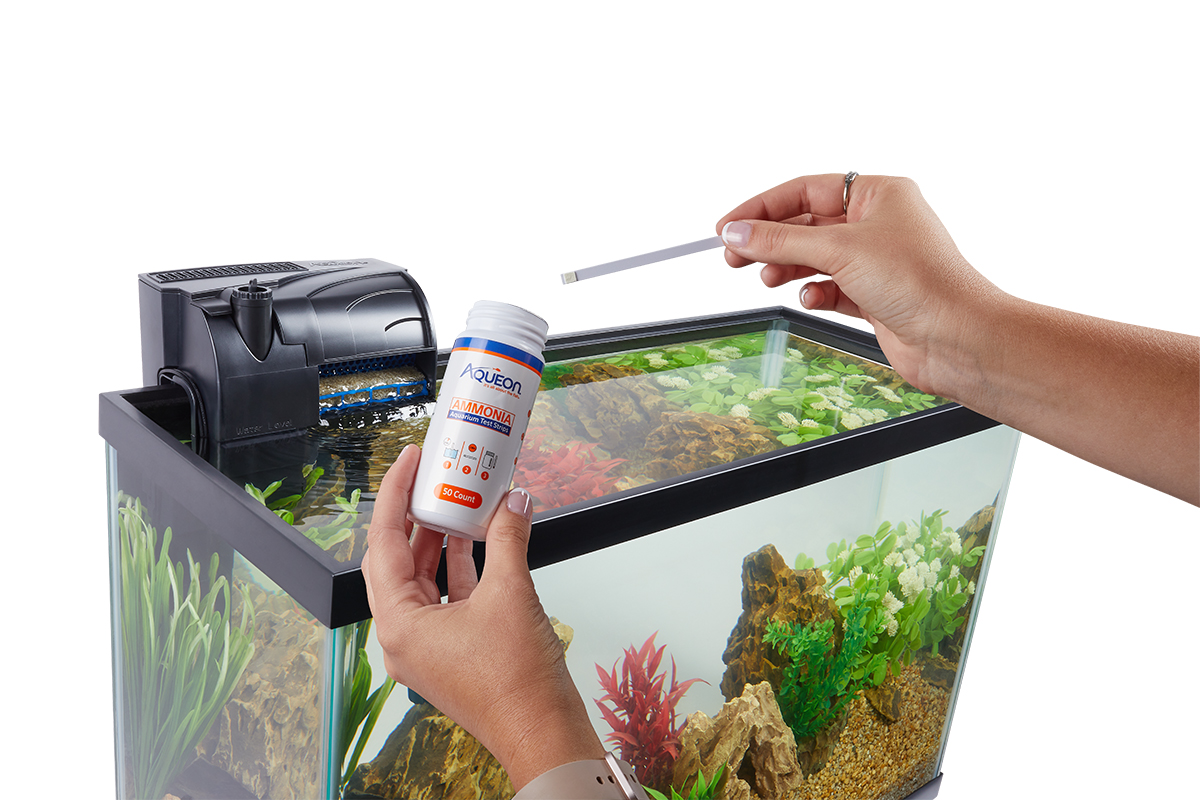
- Test kits
- Use reliable liquid or strip tests daily if you suspect a problem.
- Fish behavior signs
- Gasping at the surface, red or inflamed gills, lethargy, and decreased appetite are red flags.
- Water parameter clues
- Rising pH with sudden stress can mean more toxic un-ionized ammonia. Watch nitrite and nitrate too.
- Visible evidence
- Cloudy water or sudden dead plants or fish suggest decomposition adding ammonia.
How high is dangerous?
Ammonia levels above 0.25 ppm can stress sensitive fish. Levels above 1.0 ppm are often dangerous and require immediate action.
Can ammonia rise without fish?
Yes. Decaying plants, leftover food, or a dead organism can create an aquarium ammonia spike without fish present.
Immediate steps to treat an aquarium ammonia spike
Act fast and follow clear steps to reduce harm.
- Perform partial water changes
- Replace 25–50% of the water immediately to dilute ammonia. Repeat if needed every few hours until stable.
- Remove the source
- Take out uneaten food, dead fish, and decaying plants with a net or siphon.
- Increase aeration
- Add an air stone or boost filter output to raise oxygen and help fish cope.
- Apply an ammonia detoxifier
- Use a water conditioner that temporarily binds ammonia while biological filtration recovers.
- Add biological support
- Dose a bacterial starter to jump-start nitrifying bacteria in filter media and substrate.
- Avoid overfeeding and reduce stocking
- Stop feeding for 24 hours and consider reducing fish load long-term.
- Monitor closely
- Test ammonia, nitrite, nitrate, pH, and temperature every 12–24 hours until stable.
A personal note: once I delayed a water change and lost several tetras. Immediate water change was the only thing that stopped further loss. Small, fast changes matter more than elaborate fixes.
Long-term prevention and best practices
Prevention keeps your tank healthy and avoids recurring aquarium ammonia spikes.
- Cycle new tanks properly
- Let beneficial bacteria establish before adding many fish. Use a fishless cycle if possible.
- Maintain a regular schedule
- Weekly partial water changes and monthly filter maintenance reduce buildup.
- Test routinely
- Check ammonia weekly, and more often after changes or suspected stress.
- Feed sparingly and spot-clean
- Feed what fish consume in two minutes and remove leftovers.
- Use appropriate stocking levels
- Follow recommended stocking guidelines for your tank size and species.
- Protect biological media
- Clean filter media in tank water only and avoid overusing chemical disinfectants.
- Grow beneficial plants
- Live plants absorb ammonia and stabilize the ecosystem.
- Consider an emergency plan
- Keep a test kit, conditioner, and spare aeration on hand for fast response.
Products and tools that help manage aquarium ammonia spikes
The right gear reduces risk and improves recovery time.
- Reliable test kits
- Liquid test kits often give better accuracy than strips for ammonia and nitrite.
- Ammonia detoxifier
- Choose a product that binds ammonia temporarily without removing it from the nitrogen cycle.
- Biological boosters
- Live nitrifying bacteria can help speed up cycling and recovery.
- Bio-media and sponge filters
- Extra biological surface area supports larger bacterial colonies.
- Protein skimmers (saltwater)
- Remove dissolved organics and reduce ammonia production in marine tanks.
- RO/DI water systems
- Use purified water to avoid contaminants and chloramine that can complicate treatment.

My experience and lessons learned
I’ve had several ammonia spikes in tanks of different sizes. Here’s what worked and what I regret.
- Mistakes I made
- I once over-cleaned a filter with tap water and killed bacteria, triggering a spike.
- I also assumed a cloudy tank was harmless; it was a bacterial bloom tied to rising ammonia.
- What worked
- Fast partial water changes and adding air saved fish more than dosing every product I found.
- I now maintain spare filter media seeded with beneficial bacteria for emergencies.
- Practical tips
- Keep an emergency kit: test kit, conditioner, air pump, and a pack of live bacteria.
- Record water tests after changes so you can spot trends and act earlier.
Limitations and when to seek professional help
Not all ammonia spikes are simple to fix at home.
- Persistent high ammonia
- If ammonia remains high after repeated water changes and treatments, seek expert help.
- Sick or dying fish
- If fish show severe signs or many are dying, contact an aquatic vet or experienced aquarist.
- Complex water chemistry issues
- Problems like chloramine in tap water or industrial contaminants may need lab testing and RO/DI systems.
Frequently Asked Questions of aquarium ammonia spike
What level of ammonia is safe?
Safe ammonia is essentially 0 ppm. Levels above 0.25 ppm can stress fish, and values over 1.0 ppm are dangerous.
How quickly do ammonia levels drop after a water change?
A partial water change immediately dilutes ammonia. Expect a noticeable drop right away, but retest within 12–24 hours to ensure continued improvement.
Will adding salt reduce ammonia toxicity?
Adding aquarium salt can reduce ammonia toxicity for some freshwater species by converting ammonia effects, but it does not remove ammonia and is not a full solution.
Can live plants fix an ammonia spike?
Live plants absorb ammonia and help long-term, but they cannot replace immediate actions like water changes during a spike.
How long does it take to recover biological filtration?
Recovery time varies. With bacterial starters and proper conditions, filtration can improve within days, but full recovery may take 1–3 weeks.
Is a water conditioner enough to fix a spike?
A conditioner helps temporarily bind ammonia and protect fish, but it should be combined with water changes and biological support for lasting recovery.
Conclusion
An aquarium ammonia spike is urgent but manageable with quick action, good tools, and steady maintenance. Test often, act fast with water changes and aeration, and focus on long-term solutions like cycling, proper stocking, and seeded biological media. Start today by checking your test kit and assembling an emergency kit; that small preparation will save your fish and give you peace of mind. Leave a comment with your tank size and symptoms if you want tailored advice, or subscribe to get more step-by-step aquarium care tips.
