
A bacterial bloom is a sudden cloudiness caused by a rapid rise in aquarium bacteria.
I have worked with aquariums for years and helped hobbyists diagnose cloudy tanks and cure bacterial blooms. This article explains what an aquarium bacterial bloom is, why it happens, how to tell it apart from algae, step-by-step fixes, and prevention tips you can use tonight. Read on for clear, practical advice backed by hands-on experience and industry best practices.
:strip_icc()/fish-swimming-in-aquarium-908778566-5c20368546e0fb00018c888e.jpg)
What is an aquarium bacterial bloom?
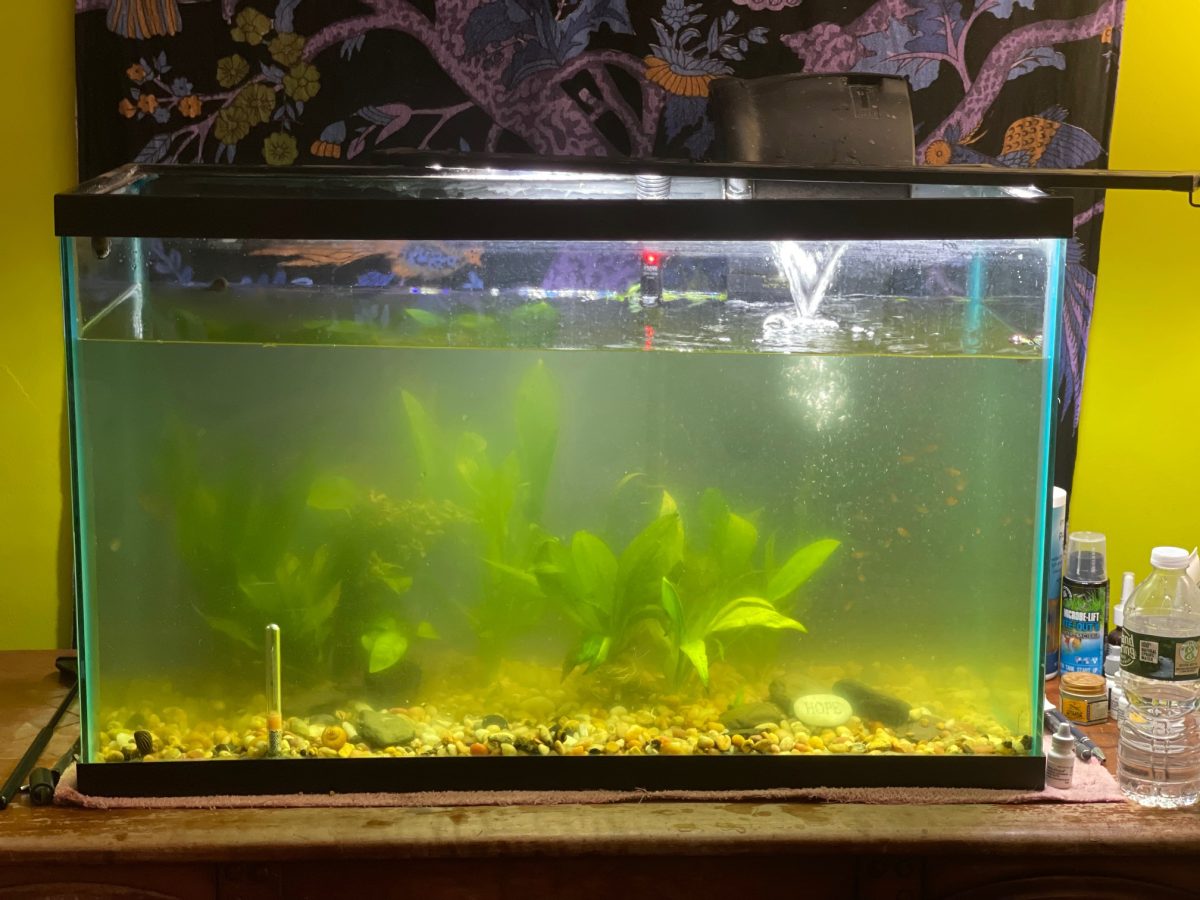
An aquarium bacterial bloom happens when free-floating bacteria multiply fast. The water looks milky, gray, or pea-soup green. It is different from an algae bloom because bacteria make the water cloudy, not slimy algae on surfaces.
Bacterial blooms often follow tank changes. Adding new fish, overfeeding, or cleaning biological media can trigger one. The bloom itself is usually not toxic, but it signals a balance problem that can stress fish.
Causes of aquarium bacterial bloom
- Excess food and waste. Leftover food and fish waste feed bacteria and fuel blooms.
- New tank syndrome. New aquariums lack stable bacteria colonies and often cloud up.
- Disrupted biofilter. Cleaning or replacing filter media too much can release bacteria into the water.
- Sudden chemistry shifts. Big water changes or tap water with high nutrients can trigger growth.
- Decaying organics. Dead plants, uneaten food, or dead fish create a feast for bacteria.
I have seen many hobbyists cause blooms by rinsing their filter pad with tap water. That simple mistake released bacteria and led to a day-long cloudiness. Avoid quick fixes that remove helpful bacteria.
Signs and diagnosis
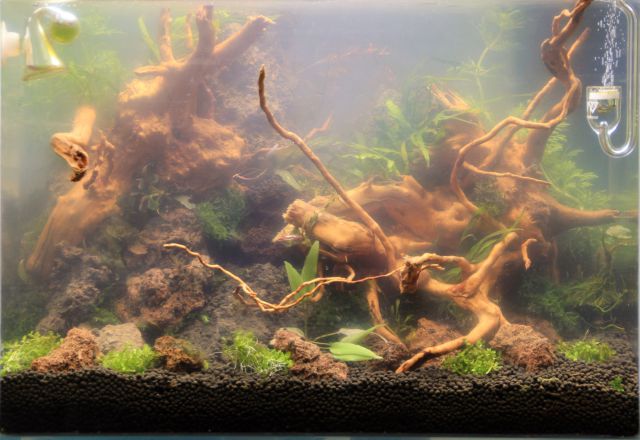
- Cloudy or milky water that appears suddenly and spreads fast.
- No slimy green film on the glass (that points to algae instead).
- Normal ammonia and nitrite levels initially, though levels can rise if the bloom affects filtration.
- Fish may show mild stress: rapid breathing, staying near the surface, or reduced activity.
To diagnose, test ammonia, nitrite, and nitrate. Check filter flow and recent tank changes. Observe smell; a bacterial bloom may have a mild earthy odor but not the foul rot smell of decay.
Treatment steps: clear an aquarium bacterial bloom safely
- Test water first
- Measure ammonia, nitrite, nitrate, and pH. Record values.
- Do small water changes
- Replace 10–20% of water daily until clarity improves. Large changes can worsen blooms.
- Reduce feeding
- Feed less or skip a day. Less food means less fuel for bacteria.
- Improve mechanical filtration
- Gently rinse pre-filter sponges in tank water. Do not replace biological media all at once.
- Increase aeration and circulation
- Add an air stone or boost filter flow. Oxygen slows bacterial dominance.
- Avoid antibiotics or harsh chemicals
- These can kill helpful bacteria and harm fish. Use only when a vet or aquatic specialist recommends.
- Use a temporary carbon filter
- Activated carbon can help clear dissolved organics and improve clarity fast.
From my experience, a steady hand matters. I once cleared a bloom by cutting feeding to one pellet per fish per day and doing 15% water changes for three days. The tank cleared by day four with no losses.

Prevention strategies for aquarium bacterial bloom
- Cycle the tank before adding fish to establish stable bacteria.
- Feed sparingly and remove uneaten food after a few minutes.
- Maintain regular small water changes weekly.
- Clean filters gently and rotate biological media replacement by stage.
- Quarantine new fish and plants to avoid introducing excess organics or pathogens.
- Monitor tank load—don’t overstock.
Prevention is easier than treatment. A consistent routine keeps bacteria balanced and the water clear.
Common mistakes and myths
- Myth: Cloudy water always means dying fish. Not true; many blooms clear without fish loss.
- Mistake: Large water changes only. Big sudden changes can shock fish and destabilize beneficial bacteria.
- Myth: Antibiotics fix blooms. Antibiotics can harm your biofilter and cause repeat issues.
- Mistake: Removing all filter media. That removes the tank’s biological engine and can trigger more problems.
I once advised a newcomer who drained half their tank water to fix cloudiness. The resulting stress caused a minor ammonia spike. Gentle, steady fixes work best.

PAA-style quick questions
How long does an aquarium bacterial bloom last?
Most bacterial blooms last a few days to a week with proper care. If underlying issues remain, blooms can recur.
Can I use chemicals to clear the bloom fast?
Avoid chemicals unless guided by an expert; they often harm good bacteria and can make the problem worse. Mechanical and biological fixes are safer.
Will a bacterial bloom kill my fish?
A bloom alone rarely kills fish, but it can stress them and lead to secondary problems. Monitor water quality and act quickly.

Frequently Asked Questions of aquarium bacterial bloom
What causes a bacterial bloom in a new aquarium?
New aquariums lack established biological filtration, so bacteria grow freely on nutrients and organic matter. Proper cycling and slow stocking prevent most blooms.
Is cloudy water always a bacterial bloom?
No. Cloudiness can come from algae, mineral particles, or suspended debris. Test water and inspect surfaces to tell the difference.
Should I do a big water change when the tank clouds?
No. Large water changes can shock the system and reduce beneficial bacteria. Small daily changes are safer and effective.
How can I speed up clearing a bacterial bloom?
Reduce feeding, add aeration, increase gentle filtration, and perform small regular water changes. These steps speed recovery without harming fish.
When should I worry and call a pro?
If ammonia or nitrite spikes, fish show severe distress, or the bloom lasts more than two weeks, seek professional help. Persistent blooms may indicate deeper filtration or stocking problems.
Conclusion
A bacterial bloom is common and solvable with calm, steady steps. Test water, reduce food, improve circulation, and protect your biofilter to restore balance. Use what you learned here as a checklist next time your aquarium bacterial bloom appears, and act early to keep fish healthy. Try one change today—reduce feeding or boost aeration—and watch your tank recover faster. Leave a comment with your bloom story or subscribe for more practical aquarium care tips.
