
Brumation is a reptile’s seasonal dormancy that needs careful planning and steady monitoring.
I have cared for reptiles for over a decade and built this reptile brumation guide from hands-on experience and current herpetology best practices. This guide explains what brumation is, how to prepare your animal, species-specific tips, health checks, and real-life mistakes I made so you can avoid them. Read on to learn clear, safe steps to manage brumation with confidence.
Understanding brumation: what it is and why it matters
Brumation is a low-energy state reptiles use to survive cold months. It is similar to hibernation in mammals but differs in metabolism and behavior. This reptile brumation guide treats brumation as a normal, seasonal need for many species, not illness. Knowing the signs and cause helps you support your pet safely.

How brumation works: biology in simple terms
Reptiles are cold-blooded. Their body heat and metabolism drop when the environment gets cold. This slows digestion and activity. A good reptile brumation guide explains that this change is driven by light, temperature, and internal cues.

Common species that brumate and timing
Many popular pet reptiles may brumate. Examples include:
- Bearded dragons which often brumate in late fall or winter.
- Leopard geckos that may slow down in cooler months.
- Corn snakes and ball pythons that may show seasonal rest.
Each species has different timing and needs. This reptile brumation guide covers the common timing and how to spot differences per species.
Signs and stages of brumation
Watch for these clear signs:
- Less appetite and fewer bowel movements.
- Long sleep periods and low activity.
- Cooler preferred spots and burrowing.
Brumation can start slowly and then deepen. Early signs let you prepare. This reptile brumation guide shows how to track each stage.

Preparing your reptile for brumation
Plan at least four weeks before expected brumation. Steps to take:
- Reduce feeding gradually to allow digestion to clear.
- Schedule a vet check for parasites and health issues.
- Ensure enclosure is clean and safe from drafts.
Good prep lowers risk and helps a smooth brumation. My own bearded dragon once refused food for weeks; a vet check prevented a big problem.
Temperature, light, and humidity guidelines
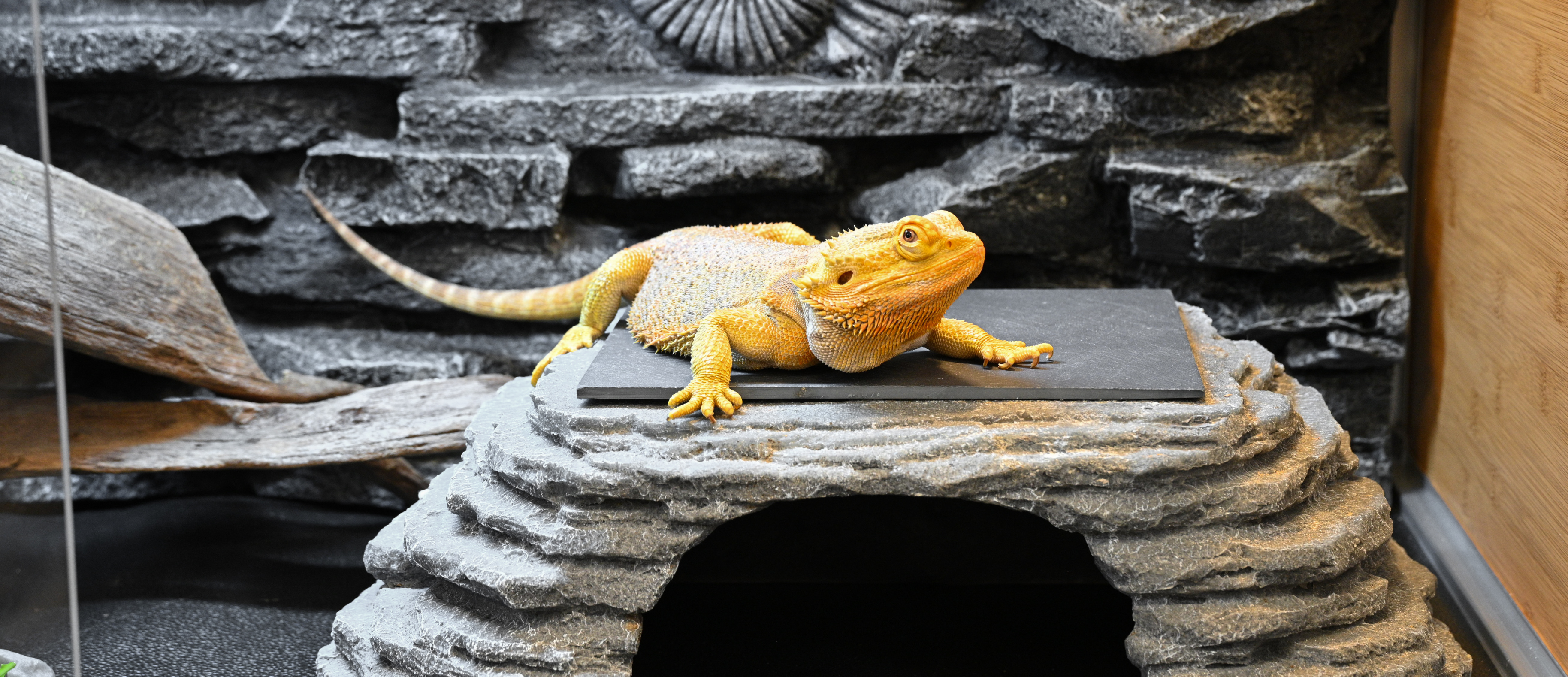
Control the environment carefully:
- Lower daytime temps slowly to the species’ recommended brumation range.
- Reduce light hours to mimic winter.
- Keep humidity steady to prevent dehydration or respiratory issues.
Use reliable thermometers and timers. This reptile brumation guide stresses that sudden swings in temperature can harm a brumating reptile.

Feeding, weight, and hydration rules
Body condition matters. Tips:
- Do not let your reptile go into brumation underweight.
- Offer water daily; ensure it drinks before dormancy.
- Stop large prey about two weeks before brumation to avoid undigested food.
I once skipped a weight check and had to feed a weak hatchling during brumation; avoid that by tracking weight in advance.

Monitoring during brumation
Check often but gently:
- Weigh weekly and note behavior.
- Watch for odd signs like swelling, discharge, or sudden weight loss.
- Offer a warm bath once every 1–2 weeks if your species tolerates it.
This reptile brumation guide recommends calm, brief checks to reduce stress.

When to wake a reptile early
Sometimes you must break brumation. Signs to wake your pet:
- Rapid or severe weight loss.
- Difficulty breathing or clear signs of illness.
- Parasite infections or prolonged inability to right itself.
If you see these, slowly raise temps and seek a vet. Quick warming can shock the animal, so do this in stages.
Health risks and how to reduce them
Brumation risks include dehydration, parasites, and bacterial infections. Prevention steps:
- Vet screening before brumation.
- Clean, dry hides and secure enclosures.
- Stable temps and humidity.
This reptile brumation guide stresses prevention over rescue. Regular checks and records will catch issues early.
Species-specific tips (short, actionable)
Bearded dragons:
- Many brumate in winter; allow dark hides and stable cool temps.
- Feed less two weeks prior and check weight.
Leopard geckos:
- Some may brumate; watch for decreased appetite.
- Keep a hide with stable humidity.
Ball pythons and corn snakes:
- May slow activity; maintain safe humidity and substrate.
- Provide secure hides and avoid disturbance.
This reptile brumation guide gives clear, species-specific steps so you can act right.
My top mistakes and lessons learned
I once let a bearded dragon enter brumation with a low weight. I learned to weigh weekly and call my vet early. I also learned that sudden temp changes cause the most harm. These lessons shape my practical tips in this reptile brumation guide. Keep records, prepare early, and ask for help when unsure.
Practical checklist before, during, and after brumation
Before brumation:
- Vet check and parasite test
- Weight record and healthy body condition
- Clean habitat and secure hides
During brumation:
- Weekly weigh-ins
- Minimal disturbance
- Offer water regularly
After brumation:
- Gradually increase heat and light
- Offer small meals as digestion returns
- Repeat vet check if anything seems off
This reptile brumation guide keeps tasks simple and repeatable.
PAA-style quick answers woven into the guide
Many readers ask how long brumation lasts. It usually runs weeks to a few months, depending on species. People also ask if brumation is dangerous — it can be if the reptile is ill or underweight. Finally, readers want to know if all reptiles brumate — no, not all species do; some remain active year-round. These concise points reflect common search queries and keep the guide practical.
Tools and gear to help you safely brumate your reptile
Essentials to use:
- Digital thermometers and hygrometers for accurate readings.
- Timers for consistent light cycles.
- A reliable scale for weekly weight checks.
- Quality hides and secure enclosure locks.
This reptile brumation guide favors simple, accurate tools that reduce risk.
When to call a reptile vet
Call a vet if you see:
- Continual weight loss beyond a few percent.
- Respiratory signs or discharge.
- Refusal to wake or clear mobility issues.
A vet can run tests and advise on warming and treatment. Do not wait if you suspect disease.
Ethics and limits: when brumation is not recommended
Avoid forcing brumation. Do not brumate young hatchlings, sick animals, or underweight pets. If your reptile’s environment can’t offer a safe, stable cool period, skip brumation. This reptile brumation guide urges humane, health-first choices.
Resources to learn more and keep skills sharp
Stay current with vet guidance and updated care sheets. Join local herp groups and ask experienced keepers about specific species. Use lab-grade tools when possible and log records every season. Applying what you learn reduces risk and boosts confidence.
Frequently Asked Questions of reptile brumation guide
What is brumation and how does it differ from hibernation?
Brumation is a reptile’s dormancy driven by cold and light. It differs from mammal hibernation because reptiles can wake to bask and do not lower body temperature as deeply.
How long does brumation usually last?
Brumation can last from a few weeks to several months. The exact length depends on species, age, and environmental cues.
Should I feed my reptile during brumation?
Most reptiles eat little or not at all during brumation. Offer water and monitor weight; only feed if the animal shows clear appetite and digestion.
How do I know my reptile is healthy to brumate?
Get a vet check and a parasite screen before brumation. Ensure your reptile is at a healthy weight and free of infection or stress.
Can I wake my reptile early if I’m worried?
Yes, you can slowly warm and offer water if concerned, but do this stepwise and contact a vet for guidance on any health issues.
Conclusion
This reptile brumation guide gives clear steps to prepare, monitor, and care for your reptile through seasonal dormancy. Plan ahead, get a vet check, use reliable tools, and keep calm during checks. Your careful action will help your pet brumate safely and return to full health. Try the checklist, track weights, and ask for help when needed — then share your experience or questions in the comments to help others learn.
