
Reptile metabolic bone disease is a calcium and vitamin D imbalance that weakens bones.
I have cared for many reptiles and treated metabolic bone problems across species. This article explains reptile metabolic bone disease in clear, practical terms. You will learn causes, signs, diagnosis, treatment, and how to prevent it in your pet. I blend clinical knowledge with hands-on tips so you can act quickly and confidently if your reptile shows trouble.
What is reptile metabolic bone disease?
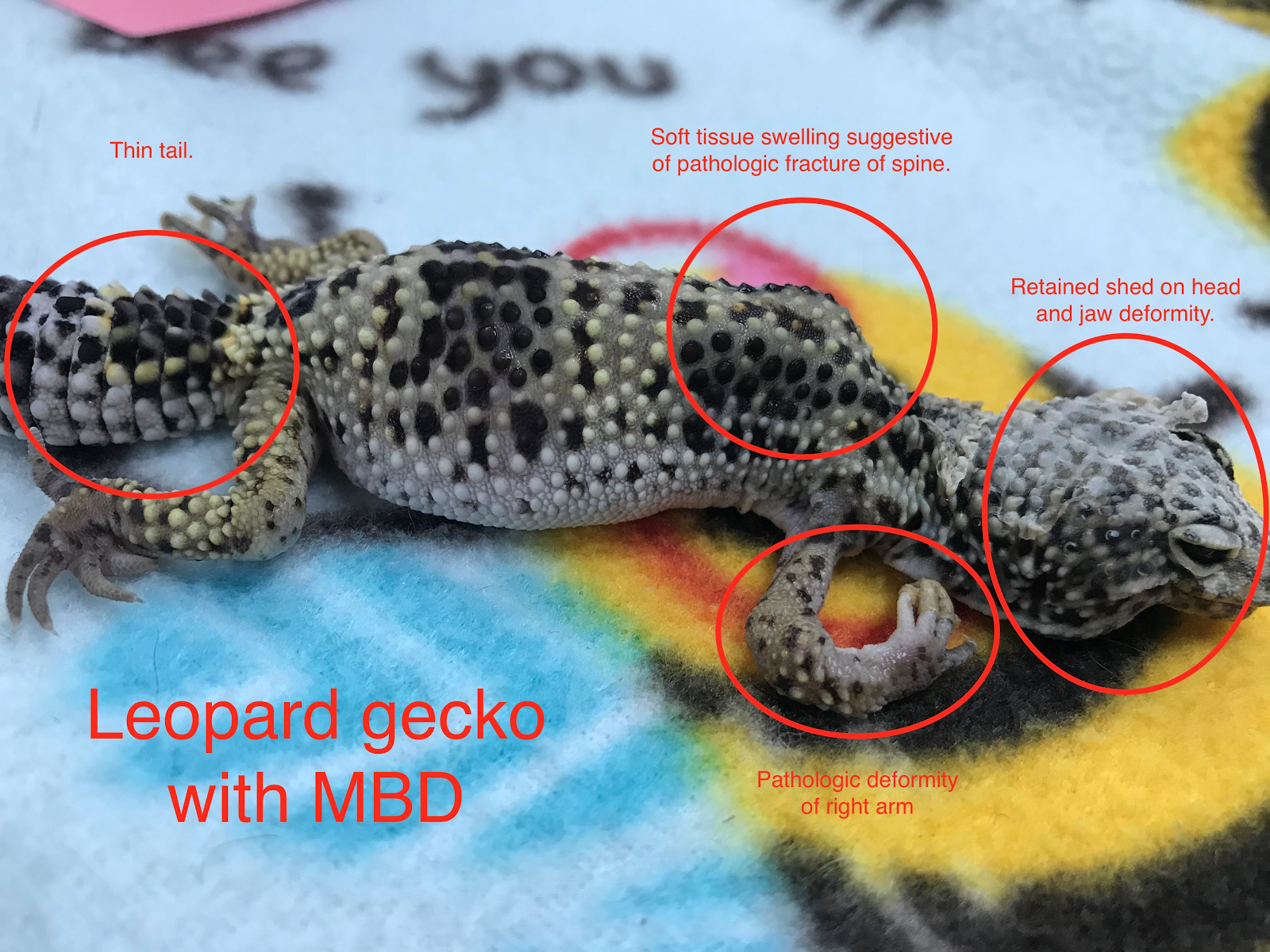
Reptile metabolic bone disease describes a group of bone disorders. It results from poor calcium, phosphorus, or vitamin D balance. Reptile metabolic bone disease weakens bones, causes deformities, and leads to pain. The condition affects tortoises, iguanas, bearded dragons, chameleons, and many other reptiles.
Reptile metabolic bone disease develops slowly. Early signs can be subtle. If untreated, it becomes severe and life-threatening. Understanding the basics helps you prevent and treat it early.
Causes and risk factors
Reptile metabolic bone disease has predictable causes. The most common are improper diet, lack of UVB light, and poor husbandry. Young and growing reptiles face higher risk because their bones need more calcium.
Common causes and risk factors:
- Inadequate calcium in food. Many commercial diets or feeder insects lack enough calcium.
- Insufficient UVB lighting. Without UVB, reptiles cannot synthesize vitamin D3.
- Imbalanced calcium-to-phosphorus ratio. Too much phosphorus blocks calcium absorption.
- Lack of dietary vitamin D3. Reliance only on supplements without UVB is risky.
- Chronic illness or internal parasites. These can impair nutrient absorption.
- Poor husbandry temperature. Cold reptiles cannot metabolize calcium well.
Reptile metabolic bone disease is preventable when owners address these risk factors early. Track diet, lighting, and vet checks to reduce risk.
Symptoms to watch for
Early detection of reptile metabolic bone disease improves outcomes. Symptoms vary by species and severity.
Common signs:
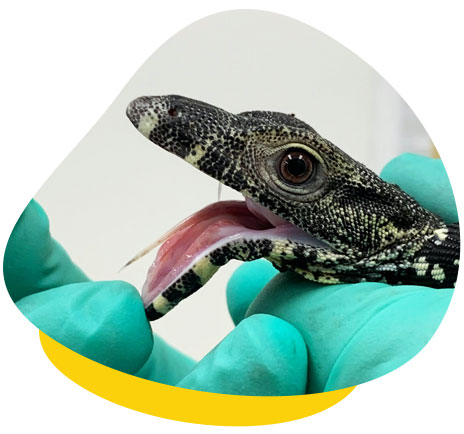
- Soft or rubbery jaws and face showing metabolic bone disease.
- Swollen limbs, bowed legs, or fractures with little trauma.
- Lethargy and reduced appetite.
- Difficulty climbing or walking.
- Tremors, twitching, or muscle weakness.
- Deformed shell plates in turtles and tortoises.
If you notice any of these signs, treat them as urgent. Reptile metabolic bone disease can progress even when the animal seems mildly affected.

Diagnosis and tests
Diagnosing reptile metabolic bone disease combines exam, history, and tests. A vet familiar with reptiles gives the most accurate assessment.
Typical diagnostic steps:
- Detailed history of diet, lighting, and behavior. This clarifies causes.
- Physical exam to check bone softness, deformities, and muscle tone.
- Blood tests to measure calcium, phosphorus, and vitamin D metabolites.
- X-rays to reveal bone density loss, fractures, and deformities.
- Fecal tests to check parasites that impair absorption.
Early lab changes may be mild. A combination of tests and clinical signs confirms reptile metabolic bone disease. Quick diagnosis shortens recovery time.

PAA-style questions (two examples embedded)
What is the first sign of metabolic bone disease in reptiles?
- The earliest sign is often reduced appetite and subtle weakness or soft jaw. Owners may miss it without regular handling.
How is metabolic bone disease confirmed?
- It is confirmed by blood tests showing low calcium or vitamin D markers and X-rays showing reduced bone density.
Treatment and management
Treating reptile metabolic bone disease aims to restore calcium balance and bone strength. Treatment depends on severity.
Treatment steps:
- Immediate stabilization for weak or fractured animals. This may include fluids, pain control, and heat.
- Correct calcium and vitamin D levels using oral or injectable supplements.
- Provide proper UVB lighting and basking temperatures to support vitamin D synthesis and calcium metabolism.
- Dietary overhaul with calcium-dusted feeders and calcium-rich veggies or formulated diets.
- Pain management and antibiotics if secondary infections occur from fractures.
- Long-term follow-up with repeat blood work and X-rays to monitor recovery.
Severe deformities may need long-term care or surgical repair. Early intervention for reptile metabolic bone disease reduces need for complex surgery.
Prevention and husbandry best practices
Prevention is the easiest and most humane approach. Good husbandry prevents nearly all cases of reptile metabolic bone disease.
Key prevention measures:
- Use high-quality UVB bulbs and replace them per manufacturer guidelines. UVB output declines even when light still works.
- Maintain proper temperature gradients with accurate thermometers. Warmth aids calcium metabolism.
- Offer a balanced diet with calcium-dusted insects or calcium-rich greens as appropriate.
- Use a calcium-to-phosphorus-aware diet. Aim for a higher calcium ratio when feeding insects.
- Provide routine veterinary checkups and annual blood panels for growing animals.
Small changes in daily care prevent big problems. I once rescued a juvenile bearded dragon with clear metabolic bone disease. Within weeks of correct UVB, diet fixes, and calcium injections, the animal regained strength. Prevention would have avoided months of therapy.

Personal experience and practical tips
I have treated reptiles with advanced bone disease and cared for recovering pets. Those experiences taught practical lessons.
Lessons learned:
- Test UVB with a meter rather than trusting bulb age. Old bulbs often look fine but lack UVB.
- Dust feeders with calcium at nearly every meal for young reptiles. I do this with all hatchlings.
- Be cautious with “high-calcium” feeds. Read labels and rotate foods.
- Monitor weight and activity weekly. Small declines often precede clear disease.
- Work with a reptile-savvy vet. Treatment is much faster with professional support.
A common mistake is assuming supplements alone fix everything. UVB, heat, and diet must align. When they do, recovery from reptile metabolic bone disease is steady and measurable.

Frequently Asked Questions of reptile metabolic bone disease
What causes reptile metabolic bone disease?
Reptile metabolic bone disease is caused by low calcium intake, inadequate UVB exposure, or imbalanced calcium-to-phosphorus ratios. Illness and poor temperatures also raise risk.
Can reptile metabolic bone disease be cured?
Mild to moderate cases can be treated and largely reversed with proper care. Severe deformities may be permanent or need surgical care.
How quickly do reptiles recover from metabolic bone disease?
Recovery time varies by severity and species but often takes weeks to months. Consistent treatment and follow-up testing speed recovery.
Is UVB necessary if I give supplements?
Yes. UVB is necessary for reptiles to synthesize vitamin D3 properly and use calcium efficiently. Supplements alone rarely replace proper UVB.
How can I prevent metabolic bone disease in a young reptile?
Provide correct UVB, a calcium-rich diet, proper heat, and regular vet checks. Dust feeders and use varied, appropriate foods.
Conclusion
Reptile metabolic bone disease is common but preventable with the right care. Focus on UVB light, balanced diet, and proper temperatures to keep bones strong. If you suspect metabolic bone disease, seek a reptile-savvy vet and start corrections quickly. Take action now: check your pet’s UVB, review its diet, and book a vet visit if you see early signs. Share this article, subscribe for more reptile care tips, or leave a comment about your experience.
