
A reptile temperature gradient is a warmed-to-cool zone in an enclosure that lets reptiles self-regulate.
I have kept and studied reptiles for years, and I’ll walk you through exactly what a reptile temperature gradient is, why it matters, and how to design one that keeps your animals healthy. This guide mixes practical steps, clear examples, and trusted practices so you can set up a reliable reptile temperature gradient for any common pet species.
What is a reptile temperature gradient?
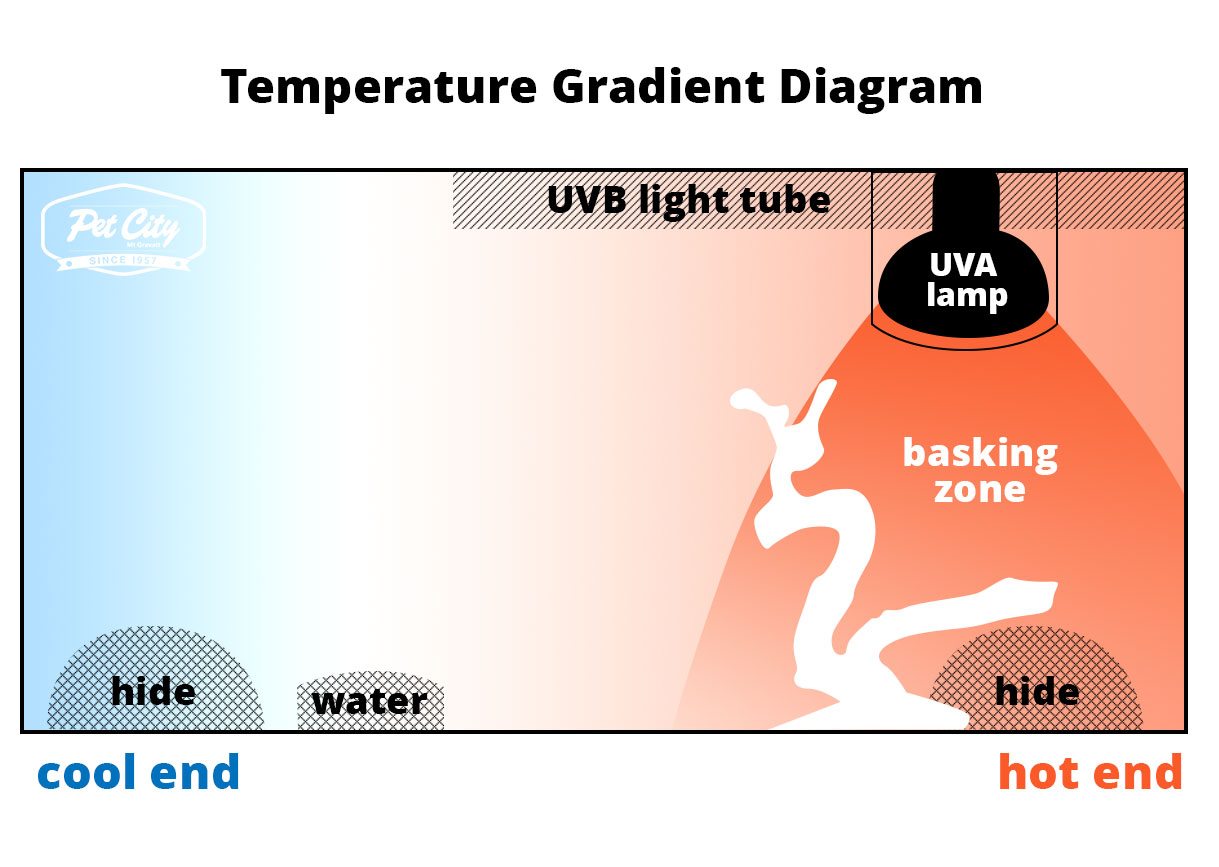
A reptile temperature gradient is a range of temperatures across an enclosure. One end is warm for basking and digestion, and the other end is cooler for rest and heat avoidance. Reptiles are ectotherms, so they use this gradient to control their body temperature by moving between zones.
A proper gradient mimics natural thermal variation. It supports metabolism, immune function, and behavior. Understanding how a reptile temperature gradient works helps prevent illness and stress.
Why a proper gradient matters
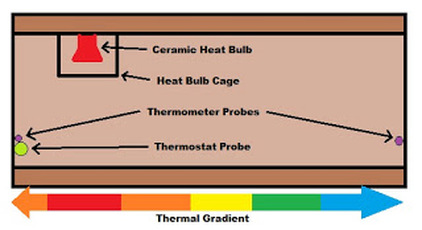
A consistent, correct reptile temperature gradient affects many vital functions. Without it, reptiles can have poor digestion, slow growth, immune problems, and abnormal behavior. Setting up a reliable gradient reduces stress and supports natural rhythms.
Key benefits of a correct gradient:
- Supports digestion and nutrient absorption by allowing basking for enzyme activation.
- Promotes normal shedding by combining heat with proper humidity control.
- Encourages natural activity and reduces hiding or lethargy.
- Improves reproductive health and egg development in breeding animals.
In my experience, a good gradient cut down unexplained weight loss in a bearded dragon I cared for. After adjusting the basking spot and cool end, appetite and activity returned within days.

How to set up an effective reptile temperature gradient
A clear, step-by-step setup keeps things simple. Follow these core steps to build a safe reptile temperature gradient.
- Size the enclosure
- Choose an enclosure that allows at least a 2:1 length ratio so a reptile can fully move between warm and cool ends.
- Larger reptiles need bigger gradients so they can thermoregulate properly.
- Create a hot end and cool end
- Place the heat source at one end for a warm basking area.
- Leave the opposite end unheated or minimally heated for a cool retreat.
- Set target temperatures
- Determine species-specific basking and cool temperatures (see species examples below).
- Use a thermostat to keep the hot side steady and avoid spikes.
- Provide microclimates
- Add hides on both warm and cool sides so the animal can thermoregulate without exposure.
- Use varied substrates and climbing structures to create vertical gradients if species uses height.
- Night temperatures
- Allow temps to drop at night within safe limits for the species.
- Avoid cooling that causes extreme stress or temperature shock.
Small, practical tips:
- Place basking lamp at one end and test temperatures at floor and 6–8 inches above the surface.
- Aim for a smooth transition rather than abrupt hot/cool zones to avoid thermal cliffs.
Monitoring, equipment, and safety
Proper tools make a reliable reptile temperature gradient possible. Use accurate, redundant monitoring to avoid mistakes.
Essential equipment:
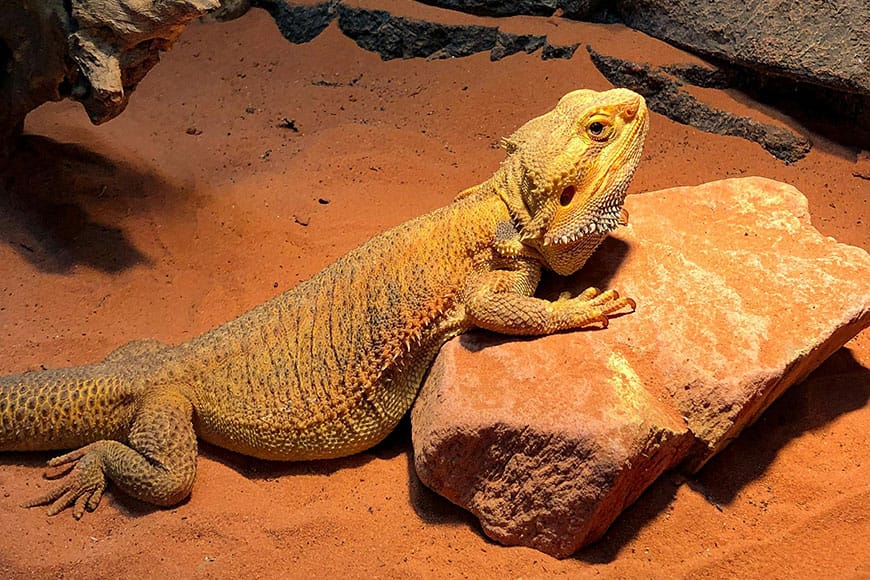
- Digital thermometers with probes for hot and cool ends.
- Surface and infrared thermometers for basking-spot checks.
- A quality thermostat or temperature controller to prevent overheating.
- Timers and dimming features for day/night cycles.
Safety and calibration:
- Calibrate probes against a known reference or ice/warm-water tests.
- Avoid heat rocks; they can cause burns and uneven heating.
- Secure lamps and cords to prevent accidents and escapes.
Personal note: I once relied on a single cheap thermometer and missed a hotspot that stressed a juvenile snake. Adding a second probe and a thermostat solved the issue and increased confidence.

Common problems and fixes
Even with planning, issues can arise. Here are frequent problems and simple fixes to maintain a healthy reptile temperature gradient.
Uneven gradient or dead spots
- Fix: Rearrange heat source and hides; verify temperatures with probes at multiple points.
Overheating or thermostat failure
- Fix: Use a redundant thermostat and alarm. Unplug faulty gear immediately and provide temporary shade.
Low nighttime temperatures
- Fix: Use ceramic heat emitters or under-tank low-wattage heat to safely raise night temps when needed.
Poor hydration or shedding issues
- Fix: Balance humidity and temperature. Provide a moist hide on the cool side if the species requires higher humidity for shedding.
Behavioral changes (lethargy, appetite loss)
- Fix: Confirm temperatures and habitat conditions, check for illness, and consult a reptile vet if needed.
Species-specific temperature ranges and examples
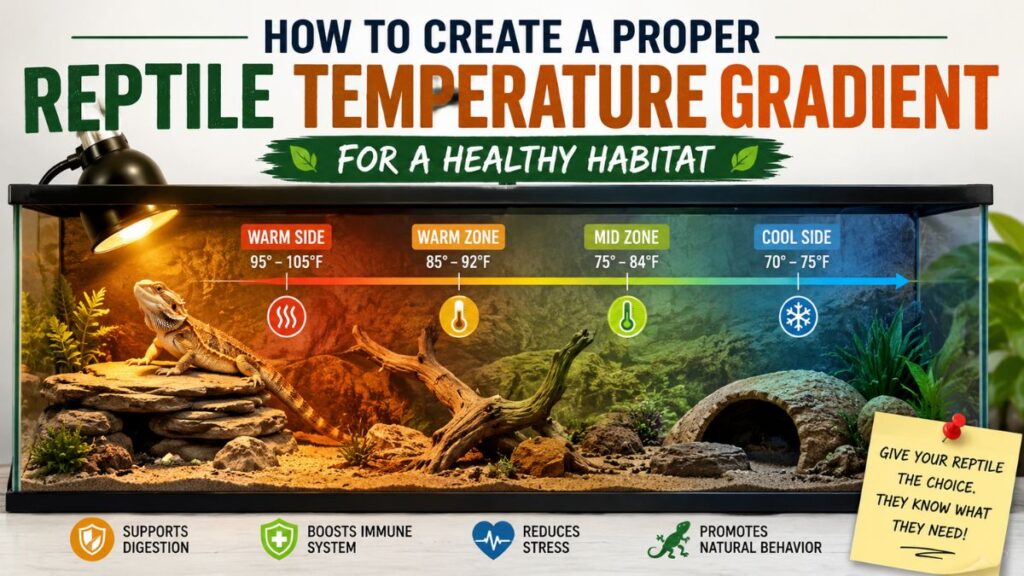
Different reptiles need different reptile temperature gradient setups. Below are common species with typical basking and cool-side ranges. Always adjust based on age, health, and individual needs.
Bearded dragon (Pogona vitticeps)
- Basking: 95–105°F
- Cool side: 75–85°F
- Night: 65–75°F
Corn snake (Pantherophis guttatus)
- Basking/ warm hide: 85–90°F
- Cool side: 70–75°F
- Night: 68–72°F
Ball python (Python regius)
- Basking/ warm hide: 88–92°F
- Cool side: 75–80°F
- Night: 72–78°F
Leopard gecko (Eublepharis macularius)
- Basking/ warm hide: 88–92°F
- Cool side: 72–78°F
- Night: 70–75°F
Crested gecko (Correlophus ciliatus)
- Warm spot: 75–82°F
- Cool side: 68–75°F
- Night: 65–72°F
Remember: juveniles often need slightly warmer gradients than adults. Use species ranges as starting points and tailor the reptile temperature gradient to the animal you observe.

Advanced tips and troubleshooting
Once the basics are reliable, refine your reptile temperature gradient with thoughtful upgrades. Small improvements raise health and welfare significantly.
Use zoning for complex needs
- Create separate microclimates for basking, humidity, and cool rest areas.
- Add live plants or moss to stabilize humidity while preserving temperature gradients.
Employ data logging
- Use data loggers to record temps over days and detect drift or nightly drops.
- Analyze patterns to prevent seasonal issues.
Consider UV and light spectrum
- For diurnal reptiles, pair UVB placement with your warm spot so the animal basks under both heat and UV.
- Position UVB at the recommended distance and angle to ensure effective exposure.
Regular maintenance
- Check all probes weekly and replace aging bulbs before failure.
- Clean and inspect equipment to avoid ceramic emitter or fixture issues.
From my experience, swapping to a PID-style thermostat and logging data cut temperature errors by half in a mixed-species setup. Small consistency changes produce better appetite and activity.
Frequently Asked Questions about reptile temperature gradient
How warm should my reptile’s temperature gradient be?
Temperature depends on species, age, and health. Use species-specific ranges as a baseline and allow the animal to move between a warm basking area and a cooler retreat.
How do I measure the temperature accurately?
Place digital probes at basking surface, mid-enclosure, and cool end. Cross-check with an infrared thermometer and log readings over several days.
Can I use heat rocks to create a gradient?
Heat rocks are not recommended because they can burn reptiles and create unsafe hotspots. Use overhead heat, under-tank heating, or ceramic emitters controlled by a thermostat instead.
What should night temperatures look like?
Night temperatures should be slightly lower than daytime but within safe limits for the species. Avoid sudden drops that stress metabolism or impair immune function.
My reptile hides all the time—does this mean the gradient is wrong?
Hiding can indicate stress, illness, or improper temperatures. Check your reptile temperature gradient, humidity, and overall habitat, and consult a vet if behavior persists.
Conclusion
A correct reptile temperature gradient is one of the most important aspects of reptile care. It supports digestion, behavior, reproduction, and overall health. Start with species-specific ranges, use reliable equipment, and monitor regularly to maintain a safe, consistent gradient.
Take action today: check your enclosure with proper probes, set a thermostat, and adjust hides and heat sources to create a smooth warm-to-cool range. Share your setup, ask questions, or subscribe for more reptile care guides—your reptile will thank you with better appetite and brighter activity.
