
Most reptiles need stable humidity ranges; levels vary widely by species, from about 20% to 90%.
I have kept and cared for many species over a decade. I write here from hands-on experience and research. This guide explains reptile humidity levels clearly. You will learn why they matter, how to measure them, and practical fixes for common problems. Read on for proven tips that help your reptile thrive.
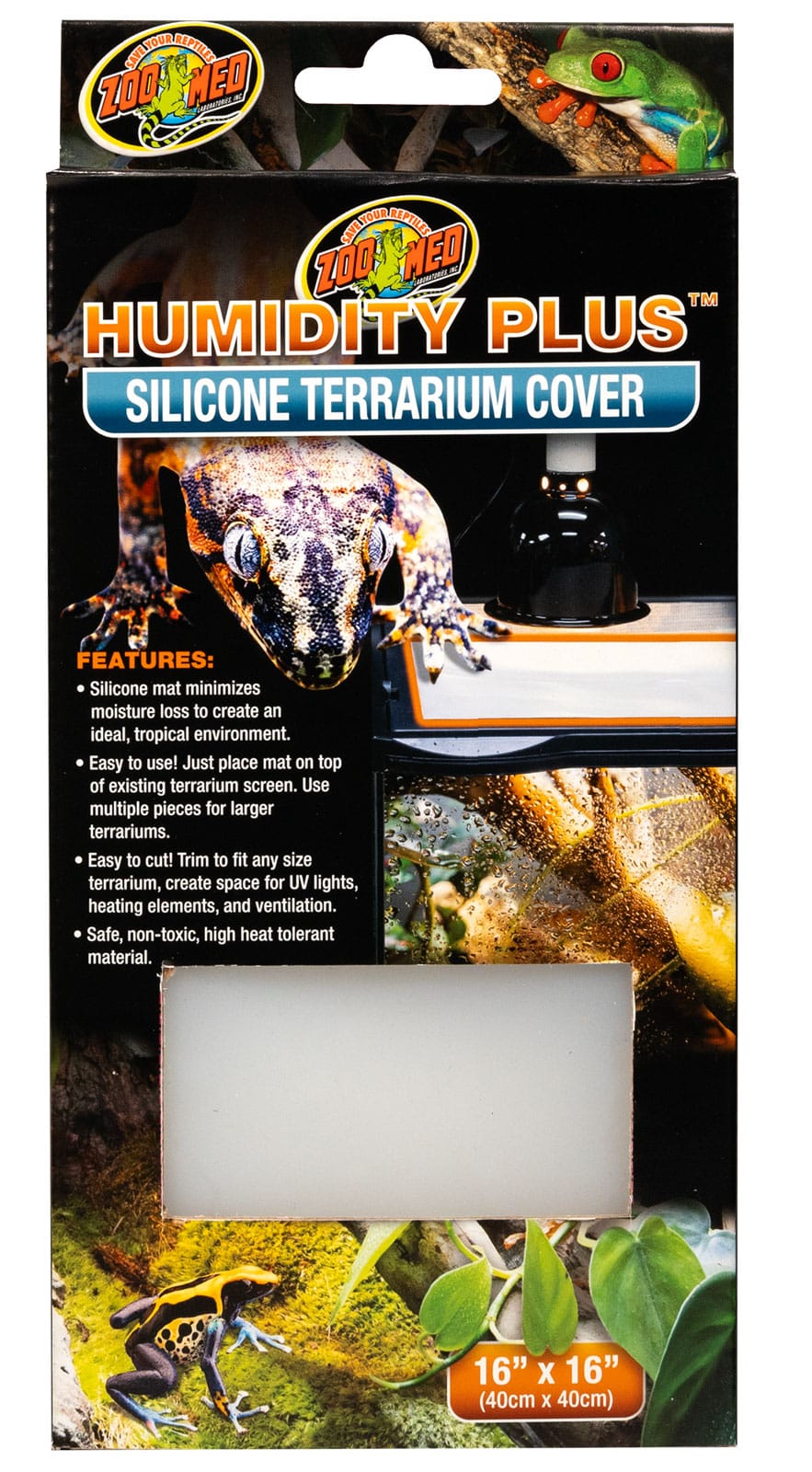
Why reptile humidity levels matter
Reptile humidity levels shape skin health, breathing, and behavior. Low humidity can cause stuck sheds and dry skin. High humidity can lead to respiratory infections and skin rot. Keeping the right range helps your reptile eat well and stay active.
Typical reptile humidity levels by species
Different species need very different reptile humidity levels. Below are common groups and suggested ranges to start with.
- Desert species such as bearded dragons and leopard geckos: 20% to 40% relative humidity.
- Tropical arboreal species such as crested geckos and tree frogs: 60% to 80% relative humidity.
- Rainforest ground species such as some pythons and dart frogs: 70% to 90% relative humidity.
- Semi-arid snakes like ball pythons: 40% to 60% relative humidity, with higher humidity during shedding.
Adjust ranges by observing the animal. Hatchlings can need different levels than adults. Keep a small, moistened hide for species that need local humidity boosts.

How to measure reptile humidity levels
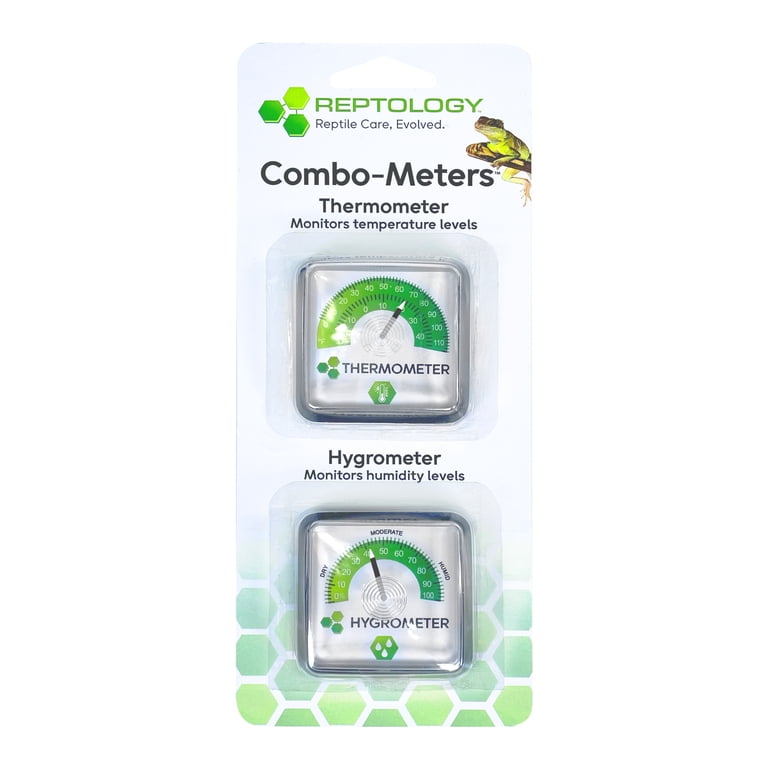
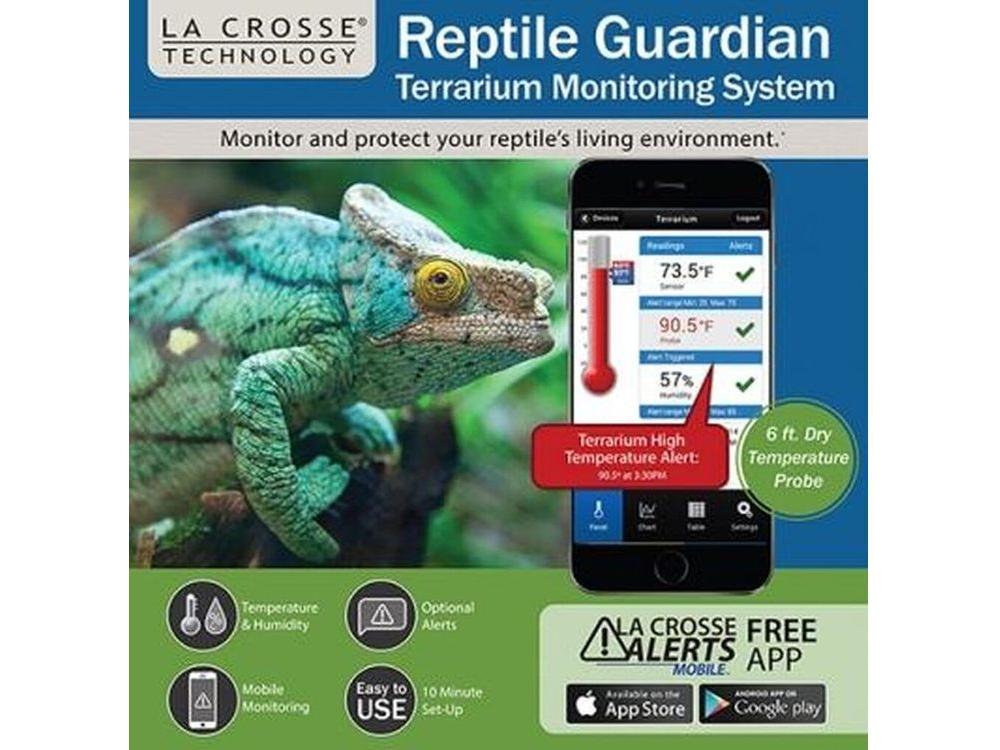
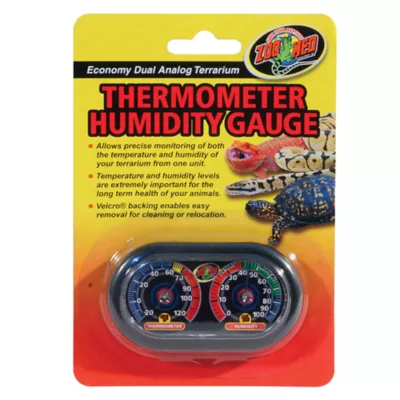
Use a reliable hygrometer to track reptile humidity levels. Digital hygrometers with probes are usually accurate and easy to read. Place one sensor at the humid end and one at the dry end of the enclosure. Calibrate devices by using a salt test or comparing two meters to reduce error.
Common questions about measurement
What is the most accurate hygrometer?
Digital hygrometers with external probes tend to be more accurate than cheap analog units.
How often should I log humidity?
Check daily and record readings for a week to learn patterns.
Should I use multiple sensors?
Yes. Two or three sensors give a better view of microclimates inside the enclosure.

How to raise reptile humidity levels
There are simple, safe ways to raise reptile humidity levels in an enclosure.
- Misting by hand two or three times a day creates short bursts of humidity. Use clean water only.
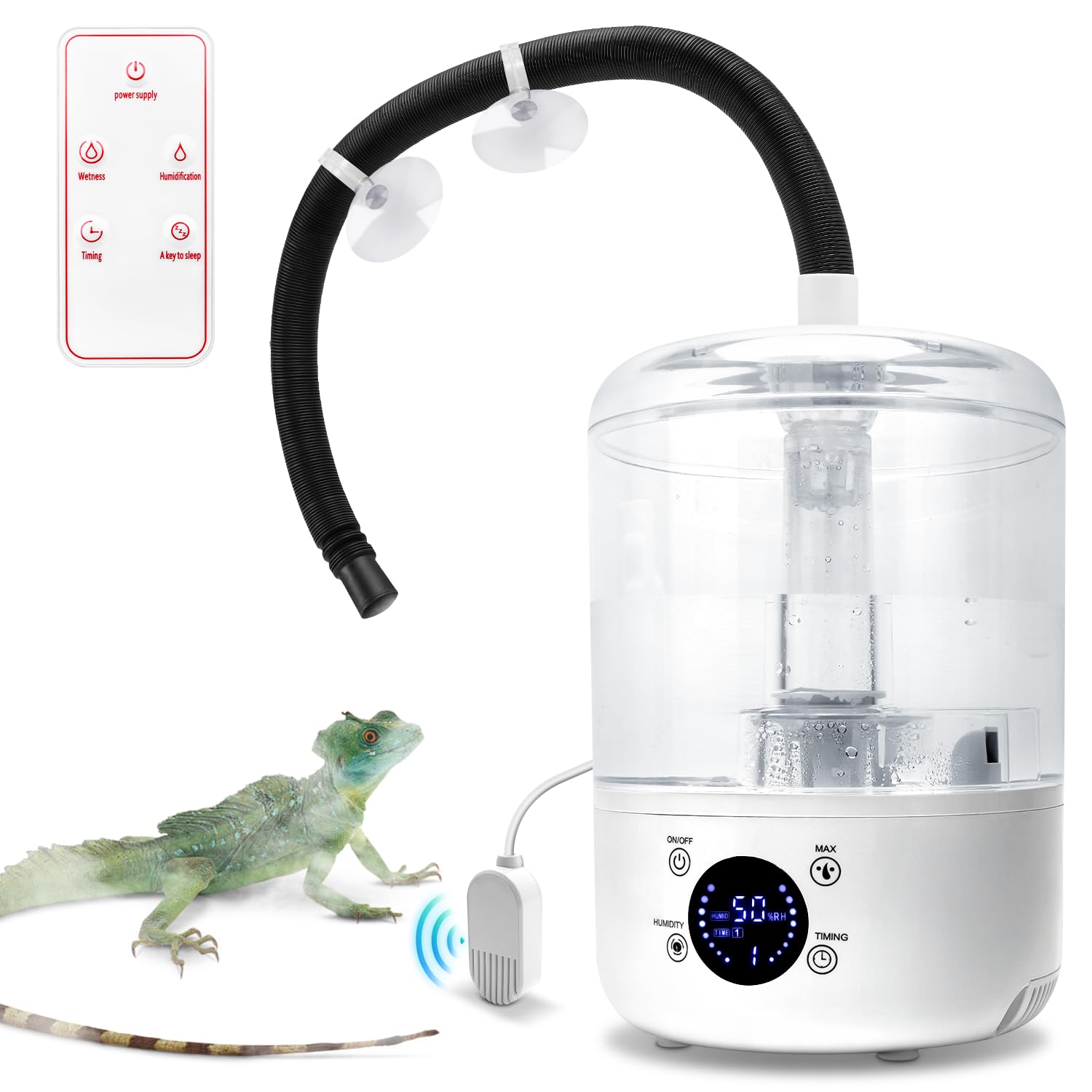
- Use an automatic fogger or misting system for steady humidity spikes. Follow a schedule to avoid overdoing it.
- Add a larger water bowl or shallow soak dish suitable for the species. Ensure it is cleaned often.
- Use a damp substrate or a humidity-retaining hide filled with damp moss. Monitor for mold and replace substrate regularly.
- Introduce live plants to increase moisture and create cover. Choose pet-safe plants.
Start small. Raise humidity slowly and monitor the animal for stress.

How to lower reptile humidity levels
If humidity is too high, use these steps to lower reptile humidity levels safely.
- Increase ventilation by adding a screened top or vents. Fresh air reduces trapped moisture.
- Switch to drier substrates like reptile carpet, tile, or paper towels. Remove overly wet substrate promptly.
- Reduce misting frequency and remove standing water when not needed.
- Use a dehumidifier in the room for persistent high humidity in tropical climates.
- Add a low-profile heat source to raise local air temperature and encourage evaporation, but avoid overheating the animal.
Always lower humidity gradually. Rapid swings cause stress and health issues.
Common problems related to reptile humidity levels
Incorrect reptile humidity levels lead to clear signs and health risks.
- Incomplete shedding. Skin may stay stuck around toes, tail, and eyes when humidity is too low.
- Respiratory infections. Wet, cool enclosures with high humidity and poor ventilation raise infection risk.
- Scale rot and fungal infections. Constantly damp substrates and poor airflow encourage skin problems.
- Behavioral changes. Refusal to eat, hiding excessively, or lethargy can follow poor humidity control.
If you spot symptoms, correct humidity first and consult a reptile vet when signs persist. Early action prevents long-term harm.
My experience with reptile humidity levels
I once kept a crested gecko in a too-dry setup. She had frequent stuck sheds. I added a moss hide and a timed fogger. Her sheds improved within two weeks. I learned to trust data from two meters before making big changes. Another time a ball python developed mild scale issues after I over-misted. I reduced misting and improved ventilation. The skin healed within a month. These experiences taught me to aim for steady, small adjustments, not dramatic swings.
Tips I use daily:
- Keep a simple log with time, humidity, and notes on behavior.
- Check the hygrometer at the same time each day.
- Use a damp hide during sheds rather than raising whole-tank humidity.
PAA-style quick questions
What humidity should a bearded dragon have?
Aim for 20% to 40% but provide a slightly more humid hide for occasional soaking.
How do I know if humidity is too high?
Look for condensation on glass, persistent wet substrate, and lethargy in your reptile.
Can high humidity cause scale rot?
Yes. Long-term damp bedding and poor airflow create conditions that promote scale rot.

Frequently Asked Questions of reptile humidity levels
What is the ideal humidity for ball pythons?
Ball pythons do best at 40% to 60% relative humidity, with a brief rise to about 70% during shedding.
How often should I mist a tropical reptile?
Mist once or twice daily for many tropical species, or use an automatic misting system for consistent coverage.
Can I use a household humidifier for my reptile?
You can use a room humidifier, but monitor closely. Target local microclimates rather than only room humidity.
How do I calibrate a hygrometer?
Use a salt test or compare it against a trusted meter. Adjust records if readings differ by more than a few percent.
Does substrate affect reptile humidity levels?
Yes. Substrate choice strongly affects humidity. Moist substrates raise humidity; dry substrates lower it.
What should I do during shedding if humidity is low?
Provide a damp hide and short, supervised soaks if your species tolerates water. Adjust enclosure humidity slightly until shedding completes.
How long does it take to change humidity safely?
Small changes over 24 to 72 hours are safe. Large rapid swings can cause stress or illness.
Are digital hygrometers reliable?
Many are reliable if you buy a quality unit and calibrate it. Avoid cheap, unbranded meters without reviews.
Conclusion
Balanced reptile humidity levels are essential for health, growth, and comfort. Measure carefully, create microclimates, and change humidity slowly. Use simple tools like hygrometers, damp hides, and controlled misting. Start logging data and watch how your reptile responds. Take action when you see signs of trouble and consult a vet when needed. Try one small change this week: add a damp hide or place a second hygrometer. Share your results or questions below to help others learn.
