
Keep species specific humidity steady; too low or too high harms reptile health.
I have kept and cared for reptiles for over eight years, and I write about reptile enclosure humidity with hands-on experience and practical tips. This guide explains what humidity levels reptiles need, why humidity matters, and clear steps you can take to measure, raise, or lower humidity in your tank. Read on to get simple, reliable advice that you can use tonight to improve your pet’s health and comfort.

Why reptile enclosure humidity matters
Humidity controls breathing, skin health, shedding, and hydration for many species. Low humidity can cause stuck sheds, respiratory stress, and dehydration. High humidity can breed bacteria, cause scale rot, and stress animals that need dry air.
I use the term reptile enclosure humidity to mean the relative humidity inside a tank, terrarium, or vivarium. Different species need different numbers. Understanding those numbers is the first step to good care.
Ideal humidity ranges for common reptiles
Here are typical humidity ranges many keepers follow. Use these as starting points and adjust for your animal.
- Leopard gecko: 30% to 40% average, with a moist hide 60% to 80% for shedding.
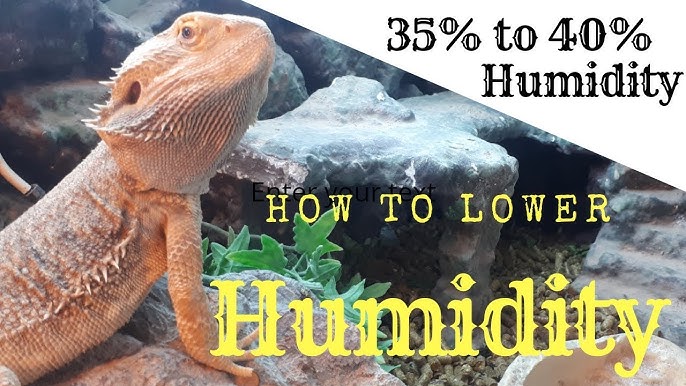
- Bearded dragon: 30% to 40% during day; slightly higher at night.
- Ball python: 50% to 60% is common; 60% to 70% during shedding.
- Corn snake: 40% to 50% is ideal.
- Crested gecko: 60% to 80% daily humidity with dry periods.
- Gargoyle gecko: 60% to 80% with daily ventilation.
Always check species-specific care sheets for exact targets. Use the reptile enclosure humidity ranges as a guide, not a strict rule. Individual animals sometimes need small changes.

How to measure and monitor humidity
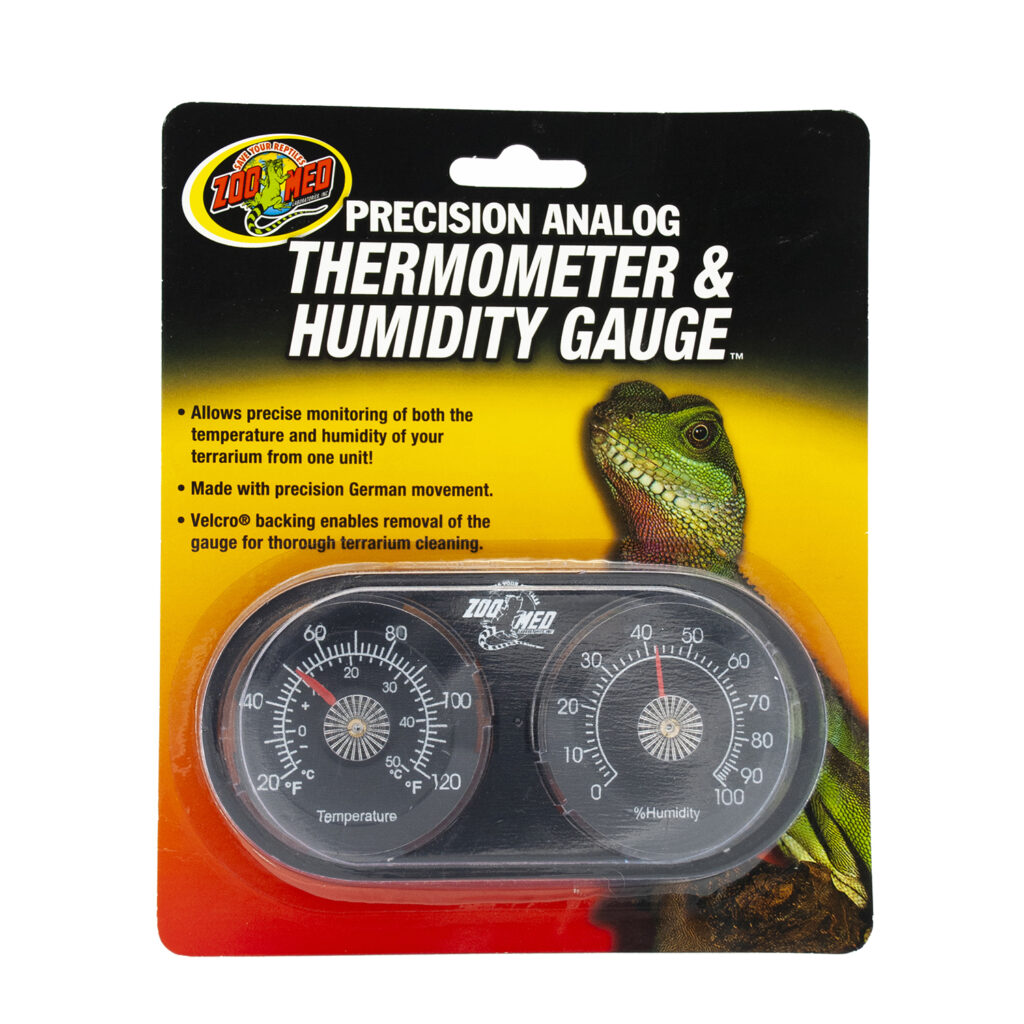
Accurate monitoring starts with good tools. I recommend digital devices for clear readings.
- Get a reliable digital hygrometer. Calibrate if possible.
- Place sensors at animal level, away from direct heat.
- Use two devices in larger enclosures to spot variation.
- Log readings for a week to see daily swings and trends.
Measure both morning and evening. Many enclosures have wide swings when lights turn on. Consistent measurement helps you find the right solution fast.
How to raise humidity safely
Raise reptile enclosure humidity carefully to avoid mold and bacteria. Aim for gradual change and good ventilation.
- Add a moist hide filled with damp sphagnum moss or paper towel.
- Mist the enclosure lightly once or twice per day for arid species; more for tropical species.
- Use a substrate that holds moisture well, like coconut fiber or cypress mulch, for species that need higher humidity.
- Install an automatic mister or fogger for stable, repeatable humidity spikes.
- Add a shallow water bowl. Larger bowls evaporate more and raise ambient humidity.
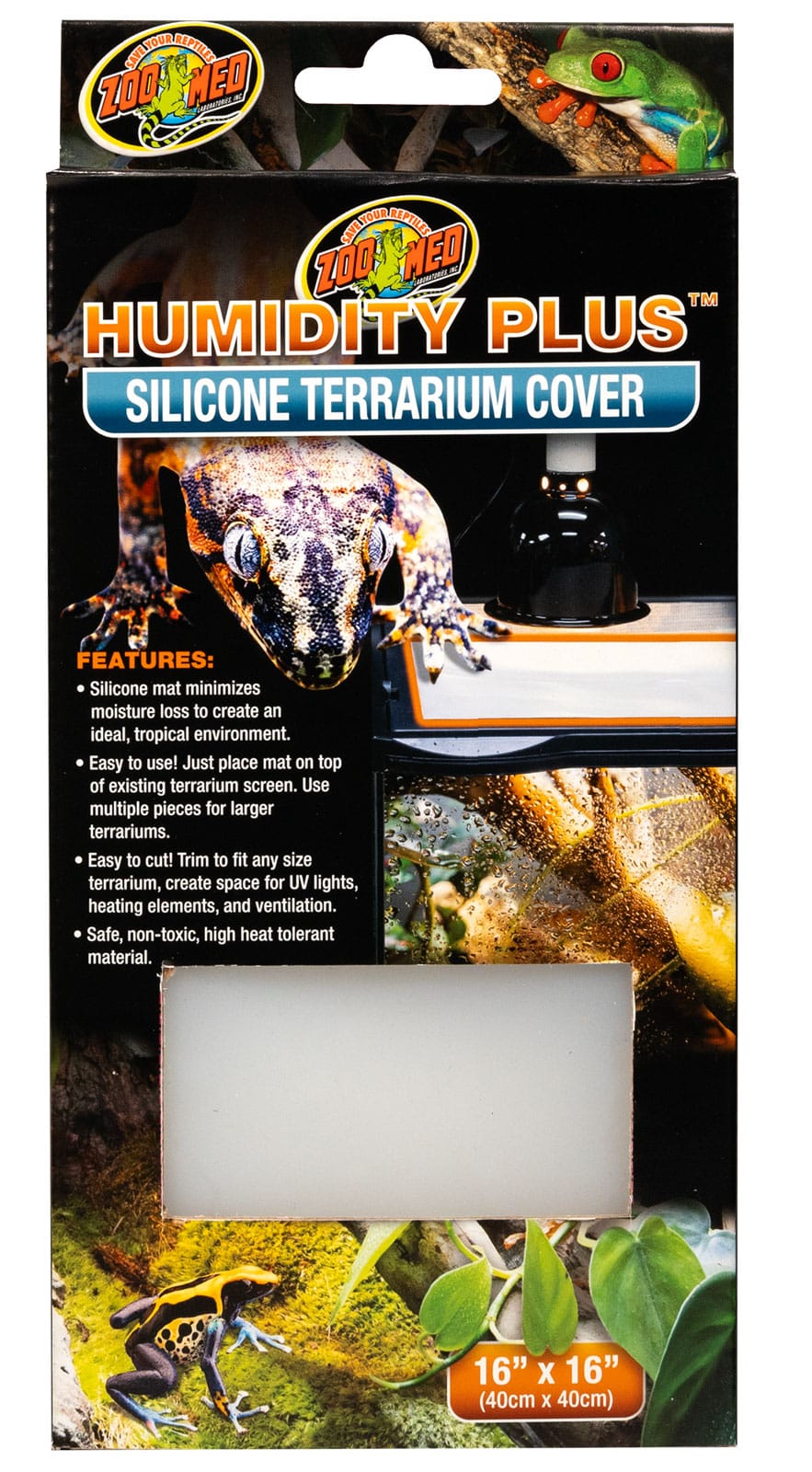
- Cover part of the top with screen or glass to reduce airflow but allow ventilation.
Watch for condensation on surfaces. If condensation is heavy, increase air flow or lower misting frequency. Use reptile enclosure humidity targets to guide your changes.

How to lower humidity safely
Too much humidity needs controlled fixes. Keep changes slow to avoid stress.
- Improve ventilation with more screen top or vents.
- Replace wet substrate quickly and use drier materials.
- Reduce misting frequency or misting duration.
- Move water bowls away from heat or use smaller bowls.
- Use a dehumidifier in the room if the house air is very humid.
- Provide a warm basking spot so moisture evaporates in a controlled way.
Lowering reptile enclosure humidity too fast can dry out skin. Make changes over days and monitor animal behavior.

Setup and materials that affect humidity
Materials and layout set the baseline for humidity. Choose with the animal in mind.
- Substrates that increase humidity: coconut fiber, cypress mulch, sphagnum.
- Substrates that lower humidity: sand mixes, paper towel, slate.
- Hides and decorations: cork bark and fake plants hold moisture and raise local humidity.
- Glass enclosures trap moisture more than screen cages.
- Heat sources: under-tank heaters dry substrate quickly; ceramic heaters do not add moisture.
Think of reptile enclosure humidity like a bathtub: the enclosure, heat, water, and ventilation all change how much steam stays inside.

Common problems and troubleshooting
Here are issues I have seen and how I fixed them.
- Stuck shed on toes: I raised humidity slightly and added a moist hide. The next shed came off clean.
- Mold growth: I removed wet substrate, increased ventilation, and used drier substrate. Mold cleared quickly.
- Frequent respiratory wheeze: I checked humidity and temperature and found the tank too cold and damp. A warmer basking spot and lower humidity improved breathing.
- Rapid humidity spikes at night: A fogger was running too long. I added a timer and humidity stabilizer.
When you troubleshoot, check temperature first. Temperature and reptile enclosure humidity interact strongly.

Maintenance and long-term care
Keeping stable humidity is an ongoing task. Small habits keep problems away.
- Calibrate hygrometers monthly.
- Replace substrate on a schedule based on species and materials.
- Clean water bowls daily to avoid bacteria.
- Inspect hides and decor for mold weekly.
- Keep a simple log of humidity and temperature for two weeks after any change.
Good maintenance prevents many common issues tied to reptile enclosure humidity.
Lessons from experience
I once over-misted a tropical vivarium and had a mold bloom that took weeks to remove. I learned to use timers and checks. I now use two hygrometers and a small log. Those steps cut problems by more than half.
Trust your observations. If your animal is not eating or is shedding poorly, check reptile enclosure humidity first. Small, steady adjustments beat big swings.
Frequently Asked Questions of reptile enclosure humidity
How often should I mist my reptile enclosure?
Frequency depends on species and setup. For tropical species, mist once or twice a day; for arid species, use a moist hide instead of daily misting.
What is the best way to measure humidity?
Use a calibrated digital hygrometer placed at animal level. Consider a second sensor for larger enclosures.
Can too much humidity cause respiratory infections?
Yes. Combined with low temperatures, high humidity raises the risk of respiratory illness. Keep proper heat and ventilation to reduce risk.
How do I help a reptile during shed if humidity is low?
Provide a moist hide and raise humidity slightly for a few days. A warm mist or damp moss in the hide often helps the shed come off.
Will a fogger ruin my enclosure if I use it daily?
Not if you control duration and allow ventilation. Use a timer and monitor reptile enclosure humidity to prevent over-saturation.
Is room humidity the same as enclosure humidity?
No. Room humidity influences the enclosure, but the enclosure can differ widely due to heat, substrate, and ventilation. Measure inside the enclosure for accurate care.
Can I use common household items to raise humidity?
Yes. Damp towels, wet sponges, or extra water bowls can help short-term. For long-term control use proper substrate, hides, or a mister.
Conclusion
Balanced humidity keeps reptiles healthy and comfortable. Use reliable hygrometers, aim for species-specific targets, and make small, steady changes. Keep good ventilation and clean habits to prevent mold and illness. Start today: check your hygrometer, set a target, and try one small change. If you found this guide helpful, please share your experience or ask a question below.
