
Reptile respiratory infection is a common, often serious illness caused by bacteria or viruses.
I have treated and cared for many sick reptiles over the years, and I know how fast a small cough can turn into a life-threatening issue. This guide explains what a reptile respiratory infection is, how to spot it early, how vets diagnose it, and the practical steps you can take at home and with your vet to treat and prevent it. I will share clear, actionable advice based on hands-on experience and clinical practice, so you can protect your reptile and act quickly when trouble starts.

What is a reptile respiratory infection?
A reptile respiratory infection is inflammation of the reptile’s upper or lower breathing system. It can affect the nose, throat, sinuses, windpipe, or lungs. Infections come from bacteria, viruses, fungi, or parasites. Poor habitat conditions often make infections worse. Early care can save lives.
- Key terms to know:
- Upper respiratory infection: affects nose and throat.
- Lower respiratory infection: affects windpipe and lungs.
- Pneumonia: infection of the lungs.
- Opportunistic pathogens: microbes that cause disease when the reptile is weak.
Causes and risk factors for reptile respiratory infection
Many things cause reptile respiratory infection. Most are linked to poor care. Common causes include:
- Cold or inconsistent temperatures that weaken immune response.
- High humidity or stagnant air that encourages microbes.
- Stress from handling, overcrowding, or recent transport.
- Poor diet and dehydration.
- Dirty substrate, contaminated water, or infected cage mates.
- Bacterial agents such as Mycoplasma and gram-negative bacteria.
- Viral agents that can spread in groups.
- Secondary fungi or parasites that take hold after initial illness.
Young, old, and immune-compromised reptiles get sick more easily. Wild-caught animals often carry hidden pathogens that flare up in captivity.

Signs and symptoms to watch for
Symptoms can be subtle at first. Watch daily for changes. Common signs of reptile respiratory infection include:
- Mild wheeze, gurgle, or clicking when breathing.
- Open-mouth breathing or increased effort to breathe.
- Nasal or oral discharge that is clear, cloudy, or pus-like.
- Lethargy, low appetite, and weight loss.
- Swollen or inflamed eyelids if sinus drainage is present.
- Bubbles from the nostril or mouth while at rest.
- Changes in behavior like hiding more or refusing heat.
Not all reptiles cough like mammals. A slow decline or small change in appetite can be an early clue. If you see any of these signs, act fast.
How vets diagnose reptile respiratory infection
A vet will use several steps to find the cause and severity. Diagnosis is a mix of exam and tests.
- Physical exam to listen to lungs and inspect nose and mouth.
- Swabs for culture and sensitivity to identify bacteria.
- PCR tests to find viral or specific bacterial DNA.
- Blood tests to check organ function and inflammation.
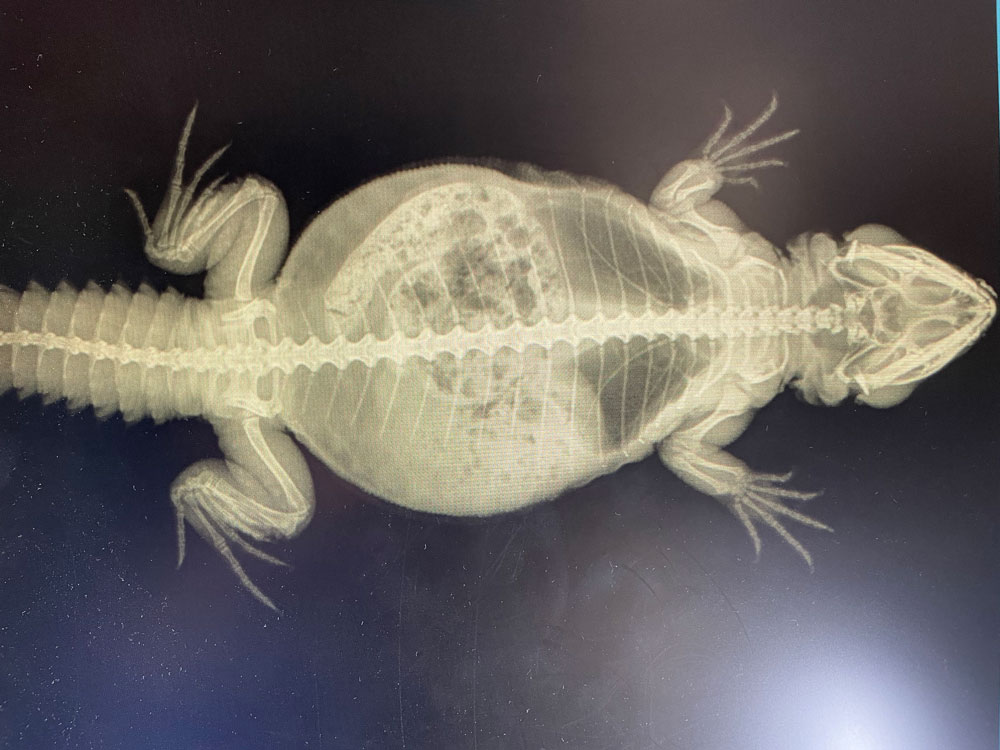
- Radiographs (X-rays) to view lungs and air sacs.
- Endoscopy or tracheal washes in complex cases.
A clear diagnosis guides treatment. Cultures help select the right antibiotic. Radiographs show if pneumonia is present.

How contagious is a reptile respiratory infection?
Many bacterial and viral causes can spread to other reptiles. Quarantine sick animals until a vet clears them. Clean and disinfect the enclosure and tools to reduce risk.
Can a reptile recover at home?
Mild early infections sometimes respond to prompt vet treatment and improved care at home. Never skip a vet visit for breathing problems. Home care supports but does not replace medical treatment.
Treatment and management options
Treatment depends on the cause and the animal’s condition. A vet will tailor care. Main approaches include:
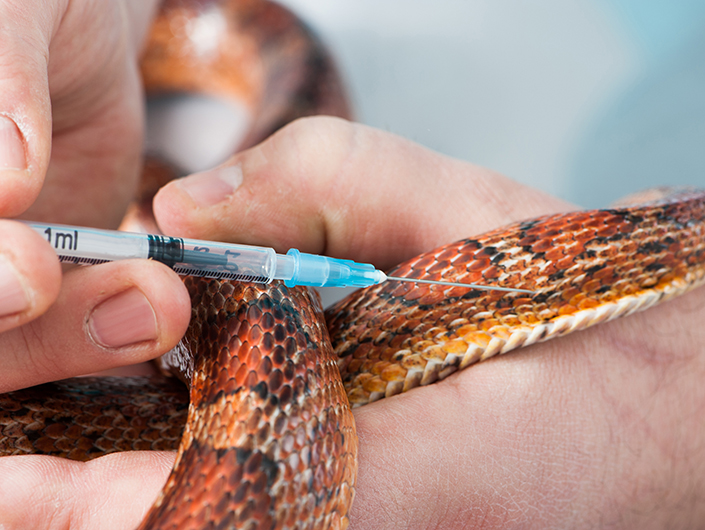
- Targeted antibiotics based on culture or broad-spectrum if needed.
- Antiviral or antifungal drugs when indicated.
- Nebulization with saline or prescribed meds to clear airways.
- Fluid therapy for dehydration and to help thin mucus.
- Nutritional support and assisted feeding if appetite is poor.
- Warmth and a stable thermal gradient to aid immune response.
- Isolation from healthy animals until recovery.
Treatment can take days to weeks. Follow your vet’s full course of therapy. Stopping antibiotics early risks relapse and resistance.

Practical husbandry to prevent and support recovery
Good care cuts the risk of reptile respiratory infection. Small, consistent steps help a lot.
- Temperature
- Provide a stable basking spot and a cool side.
- Use reliable thermometers and check daily.
- Humidity and ventilation
- Keep humidity appropriate for species.
- Provide good airflow without cold drafts.
- Clean water and substrate
- Change water daily.
- Clean substrate and disinfect cages regularly.
- Diet and gut health
- Feed a balanced diet with proper supplements.
- Keep feeding schedules steady to reduce stress.
- Quarantine and biosecurity
- Quarantine new animals for 60–90 days.
- Clean and disinfect equipment between uses.
- Regular vet checks
- Annual exams catch problems early.
- Get prompt advice when signs appear.
When treating a sick reptile, I set up a quiet recovery tank. I keep the animal warm, offer easy food, and run short nebulization sessions. Small comforts speed recovery.

When to seek emergency care
Respiratory distress can be life-threatening. Go to an emergency vet if you see:
- Open-mouth breathing with obvious effort.
- Blue or dark gums or tongue.
- Collapse or inability to right itself.
- Rapid worsening in 24 hours despite care.
Act quickly. Fast treatment often makes the difference.
Practical examples and lessons from experience
I once treated a bearded dragon with mild nasal discharge. The owner waited three weeks. The infection progressed to pneumonia. The dragon needed hospitalization, fluids, and daily nebulization. Lesson: early vet care and correct temperatures prevent escalation.
Another case was a tortoise with repeated infections. We found chilled nights and poor ventilation. Fixing the microclimate stopped recurrent illness. Rule of thumb: habitat fixes prevent many infections.
PAA-style quick questions
How long does a reptile respiratory infection last?
Duration varies by cause and treatment. With prompt vet care, mild infections clear in 1–3 weeks; severe cases can take months.
Can humans catch infections from reptiles?
Most reptile respiratory pathogens are species-specific, but some bacteria can spread to people in rare cases. Practice good hygiene after handling.
Will antibiotics always cure reptile respiratory infection?
Antibiotics help bacterial infections but not viral ones. Correct drug choice and full treatment are crucial for success.
Frequently Asked Questions about reptile respiratory infection
What are the first signs of a respiratory infection in reptiles?
Look for decreased appetite, mild nasal discharge, noisy breathing, or subtle lethargy. Small changes in behavior often come first.
Can I treat a reptile respiratory infection at home without a vet?
Home care cannot replace diagnosis and prescription drugs. Contact a reptile vet for proper testing and treatment.
How can I prevent respiratory infections in my reptile?
Provide correct temperatures, clean water, good ventilation, a balanced diet, and quarantine new animals. Routine vet checks help too.
Are some species more prone to respiratory infections?
Yes. Turtles, tortoises, and young snakes often show respiratory issues. Species with higher humidity needs can be at greater risk when conditions are wrong.
Is nebulization safe and effective for reptiles?
When used under vet guidance, nebulization can help loosen mucus and deliver medicine to airways. Use the correct solution and schedule as advised by your vet.
Conclusion
Reptile respiratory infection is common but manageable when caught early. Know the signs, keep a tight habitat routine, and seek a vet at the first sign of trouble. Small care changes and fast action save lives. Start by checking your reptile’s temperature and behavior today, and make a vet appointment if anything looks off. Share your experiences or questions below, and consider subscribing for more care guides to keep your reptile healthy.
